The Invisible Backbone of Modern Life Snaps
Every food container, medical syringe, and smartphone case begins as a stream of hydrocarbons flowing through the Strait of Hormuz. When that stream stops, the modern economy begins to suffocate. Indonesia’s plastic manufacturing sector, which supplies packaging for the world’s fourth most populous nation, is now gasping for air as the Iran-Israel war chokes off the primary artery of global petrochemical trade. The disruption has transformed a geographic chokepoint into an industrial stranglehold, with consequences that extend from factory floors to grocery aisles across the archipelago.
Fajar Budiono, secretary general of the Indonesian Olefin, Aromatic and Plastic Industry Association (Inaplas), delivered a stark assessment this week. Around 70% of Indonesia’s petrochemical raw materials originate from the Middle East, a dependency that has transformed from a business advantage into an existential threat. “Raw materials are no longer available. Prices are rising, and the gap between minimum and maximum prices is now extremely wide,” he explained. The Strait of Hormuz, which normally carries a fifth of global oil and petrochemical exports, has become a maritime no-go zone, trapping billions of dollars of naphtha and natural gas behind a wall of missile threats and military strikes.
The chemistry of crisis is straightforward yet devastating. Plastic production relies on naphtha, a refined oil product distilled into monomers like ethylene and propylene, which are then polymerized into the polyethylene and polypropylene that wrap our consumer goods. When crude oil stops flowing, naphtha production falters. When naphtha falters, the entire downstream cascade of plastic manufacturing seizes up. International naphtha prices have skyrocketed from approximately $57 per barrel in early January to nearly $130 currently, a surge that manufacturers cannot absorb without passing costs to consumers or shutting down entirely.
The timing could not be worse for Indonesian industry. Manufacturers were already navigating a fragile post-pandemic recovery when the conflict erupted in late February. Now, with the war entering its second month and the Strait of Hormuz effectively sealed by Iranian threats against shipping, the country faces a supply shock that industry veterans compare to the oil embargoes of the 1970s. Unlike that era, however, modern manufacturing operates on razor-thin inventory margins and just-in-time delivery systems that leave no buffer for geopolitical disruption.
Factories Fall Silent Across the Archipelago
The immediate impact on Indonesian industry has been brutal. PT Chandra Asri Pacific, one of the nation’s largest petrochemical producers, has joined a growing list of Asian firms forced to declare force majeure or reduce production significantly. Several plants have scaled back operations or shuttered entirely due to limited feedstock supply from the Middle East. Manufacturers report they are increasingly reluctant to accept new orders, unable to guarantee delivery timelines when raw material availability changes by the hour. The uncertainty has paralyzed decision-making across the sector, with executives unwilling to commit to contracts they may not be able to fulfill.
This operational paralysis extends beyond the factory floor. Inaplas reports that suppliers such as China, traditionally a fallback option for Asian manufacturers seeking alternative sources, are now prioritizing domestic demand and limiting exports. “Even from China, they are focusing on their domestic needs. So supply is truly limited,” Fajar noted. This eastward pivot leaves Indonesian manufacturers caught between a closed western strait and an increasingly protectionist eastern market. The situation is exacerbated by the fact that alternative suppliers across Asia face their own shortages, creating a regional bidding war for dwindling stocks of plastic resins and feedstocks.
The currency markets have compounded these difficulties substantially. The Indonesian rupiah has plummeted to record lows against the dollar this month, making imported raw materials even more expensive for local manufacturers who must pay for supplies in foreign currency. Central bank interventions have failed to stem the slide, leaving plastic producers facing a double squeeze of scarce supply and weakening purchasing power. For an industry that already operates on thin margins, the combination of input shortages and currency depreciation threatens widespread bankruptcies if the crisis persists beyond the next quarter.
A Regional Contagion Spreads
Indonesia is not alone in this predicament. The plastic shortage has metastasized across Southeast Asia, threatening supply chains for food packaging, medical supplies, and consumer goods in ways that directly impact daily life. In Singapore, The Polyolefin Co has reduced output while medical distributors report that some manufacturers have already raised prices by roughly 15%, with warnings that increases could reach 50% if the conflict persists. Thailand’s Rayong Olefins faces similar constraints in the industrial heartland of Rayong province, where soaring energy costs account for up to half of expenses in heavy industries including petrochemicals.
The medical sector faces particular vulnerability across the region. Naphtha-derived plastics form the essential substrate for syringes, catheters, intravenous bags, and personal protective equipment. While Singapore’s Ministry of Health maintains that current stockpiles remain adequate, the looming threat of depleted reserves has triggered panic buying among healthcare providers from Jakarta to Manila. In South Korea and Taiwan, consumers are already rushing to stockpile plastic bags, with stores restricting sales per person and reporting empty shelves as the realization spreads that packaging may soon become scarce or prohibitively expensive.
Food security presents another vector of crisis that connects directly to the plastics shortage. Polyethylene, the most commonly produced plastic used for food packaging, has seen producers mulling contract increases of up to 10 US cents per pound for March and another 10 cents for April. In Vietnam, polyethylene prices have exceeded $1,500 per metric ton, the highest since the COVID-19 pandemic. These increases inevitably transmit to grocery aisles, as manufacturers pass along higher packaging costs to consumers already struggling with inflationary pressures. The Indonesian Packaging Federation notes that local manufacturers are exploring alternative materials including polyester film and paper-based packaging, but these substitutes require redesigns and regulatory approvals that cannot happen overnight.
Innovation Under Duress and Strategic Shifts
Facing supply constraints that show no sign of easing, Indonesian companies are accelerating efforts to innovate their way out of dependency. Measures include increased use of recycled materials, exploration of bio-based substitutes for petroleum-derived plastics, and fundamental redesigns of products to reduce raw material usage. “At this point, innovation is the only way forward, while we wait for global supply conditions to normalize,” Fajar said. However, the technical reality remains that petrochemical feedstocks currently offer performance characteristics and cost structures that bio-based alternatives cannot match at scale, particularly for medical and food-grade applications.
Fajar has urged the Indonesian government to accelerate development of alternative feedstock industries, specifically highlighting the potential of coal downstream processing and crude palm oil (CPO) as routes to reduce reliance on oil-based inputs. This proposal aligns with broader regional trends. Across Asia, governments are temporarily pivoting to coal as the crisis chokes off natural gas supplies, undermining years of climate commitments. Thailand has restarted coal plants decommissioned last year. South Korea has removed operating caps on coal-fired generation. Japan has lifted restrictions on older coal plants. Indonesia itself is considering increasing coal production and imposing windfall taxes on exports to ensure domestic supply.
The crisis has exposed stark differences in national resilience strategies. While Indonesia struggles with single-source dependency, China has built greater resilience by diversifying its raw material sources across coal, natural gas, biomass, and oil. This allows Chinese industry to better withstand global supply shocks. “Even if they need to meet domestic demand, they can still hold up because their raw materials are complete,” Fajar observed. China’s strategic reserves, estimated at approximately 1.4 billion barrels of crude oil, provide a substantial buffer against price shocks. The country has also leveraged its relationship with Iran, which has reportedly allowed Chinese vessels to transit the Strait of Hormuz while blocking other shipping, and continues to import pipeline natural gas over land from Russia.
Global Repercussions and Emergency Measures
The petrochemical shortage is transmitting through global supply chains in unexpected ways. Qatar, which supplies around a third of the world’s helium essential for semiconductor manufacturing, has halted production at its Ras Laffan facility following suspected Iranian strikes. This stunts chip production in global supply chains, especially affecting major semiconductor industries in Taiwan, South Korea and Japan. The crisis affects everything from agriculture to electronics, with about one-third of global seaborne fertilizer trade passing through the Strait of Hormuz. Wheat production faces particular risk as nitrogen fertilizer becomes scarcer and pricier, potentially affecting 2027 harvests in major exporting nations.
Asian governments are implementing emergency measures not seen in decades. The Philippines has declared a national energy emergency and begun importing Russian crude oil for the first time in five years. South Korea has imposed its first fuel cap in nearly three decades and launched a massive market stabilization program. Thailand has introduced four-day workweeks for civil servants and capped diesel prices. Indonesia’s government is considering increasing fuel subsidies to absorb the energy shock, though this places additional strain on the national budget. President Prabowo Subianto has pledged that all vehicles in Indonesia would eventually transition to electric power, a long-term structural shift that would reduce oil dependency but offers no immediate relief to plastic manufacturers facing empty warehouses today.
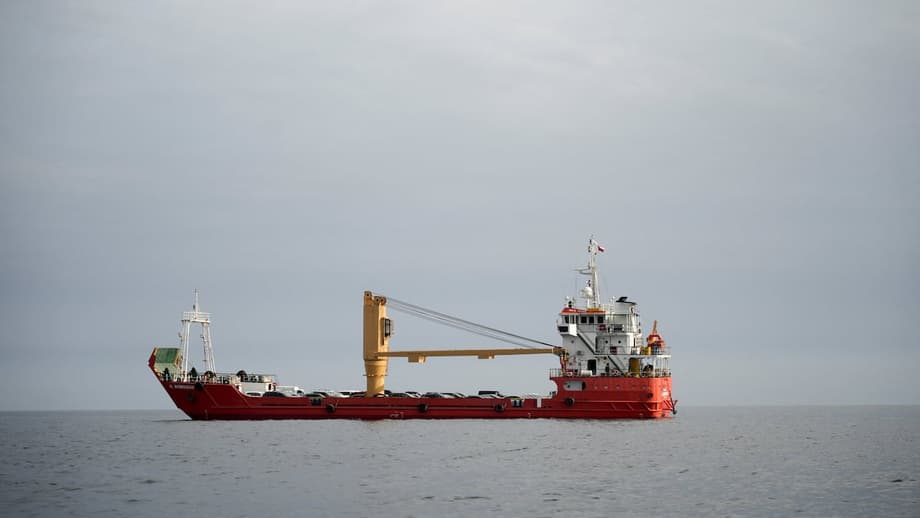
Energy economists warn that the current disruption exceeds the supply chain shocks seen during the COVID-19 pandemic due to the physical loss of products and the threat to infrastructure. “This conflict is creating physical supply disruptions. Even if temporary, rising insurance costs, and increased perceived risk are rippling through global supply chains,” noted Heron Lim, a lecturer of economics with ESSEC Business School. “The tankers anchored outside Hormuz today represent goods and energy that won’t arrive at their destinations in two to four weeks, creating a lagged but severe impact.” For Indonesian plastic manufacturers, that lag means the worst shortages may still be ahead, even if the war ended today.
The Bottom Line
- Indonesia’s plastic sector faces critical shortages as 70% of petrochemical raw materials from the Middle East remain trapped behind the blocked Strait of Hormuz
- Naphtha prices have surged over 120% since January, forcing manufacturers like PT Chandra Asri Pacific to cut production or declare force majeure
- Alternative suppliers including China are prioritizing domestic markets, leaving Indonesian manufacturers with few immediate sourcing options
- The crisis extends across Southeast Asia, affecting medical supplies, food packaging, and consumer goods with potential price increases of 15% to 50%
- Industry leaders are calling for accelerated development of coal downstream and palm oil-based feedstocks to reduce long-term oil dependency
- Regional governments are implementing emergency measures including fuel subsidies, work-from-home mandates, and imports from sanctioned nations like Russia
- Currency depreciation in Indonesia and elsewhere is compounding import costs for raw materials denominated in dollars
- The disruption highlights strategic vulnerabilities in just-in-time supply chains optimized for cost rather than resilience