The Strait of Hormuz Crisis Forces Drastic Measures
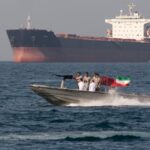
South Korea stands at the precipice of its most severe energy security challenge in decades as hostilities in the Middle East threaten to sever the maritime artery that supplies much of East Asia’s oil. The ongoing conflict, which intensified following the US and Israel joint offensive against Iran on February 28, has effectively throttled the Strait of Hormuz since early March, creating ripple effects across global energy markets. With approximately 20 million barrels of oil passing through this narrow waterway daily under normal conditions, the disruption has driven shipping costs upward and pushed global oil prices to volatile heights.
The Korean government responded by elevating its national resource security crisis warning to Level 2, the second tier in a four level system, signaling serious concern about potential supply disruptions. This marks the first time since the 1991 Gulf War that Seoul has contemplated such sweeping restrictions on vehicle usage, reflecting the gravity of the situation. The conflict has already claimed over 1,340 lives, including Iran’s then Supreme Leader Ali Khamenei, while Iranian retaliatory strikes targeting Israel and Gulf nations hosting US military assets have continued unabated.
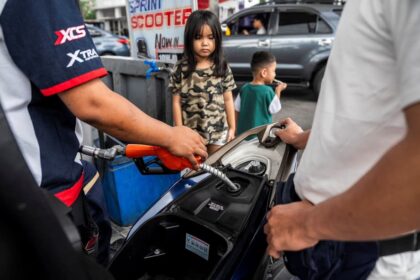
South Korea’s vulnerability stems from its heavy dependence on imported energy. The nation consumes approximately 2.8 million barrels of crude oil daily, with roughly half of that volume directed toward transportation needs. Unlike nations with substantial domestic petroleum reserves, Korea imports the vast majority of its fuel, making the Strait of Hormuz blockade an existential threat to its economic stability and daily functioning.
How the Five Day Rotation System Works
Beginning March 25, the Ministry of Climate, Energy and Environment will implement a mandatory five day vehicle rotation system targeting the public sector with unprecedented strictness. The mechanism operates through a license plate based rationing formula that divides vehicles into five distinct groups according to the final digit displayed on their registration plates. Each group faces prohibition from road usage on one specific weekday, effectively removing 20 percent of public sector vehicles from circulation each day.
Approximately 1.5 million government and public institution vehicles fall under these new constraints. Authorities anticipate this measure will conserve roughly 3,000 barrels of crude oil daily, a modest but meaningful reduction in the national consumption pattern. The ministry has pledged rigorous monitoring of compliance, distributing detailed implementation guidelines while threatening penalties against public institutions that fail to comply with the restrictions.
Private Sector Braces for Potential Expansion
While current restrictions target public fleets exclusively, private vehicle owners face significant uncertainty regarding potential expansion of the program. The government has established clear thresholds for escalation: should the national resource crisis alert advance to Level 3, the rotation system would likely become mandatory for private vehicles as well. This prospect has triggered renewed interest in electric vehicle acquisitions among Korean consumers, who recognize that zero emission vehicles would maintain unrestricted mobility even under expanded rationing regimes.
The system draws directly from Korea’s historical playbook. The government last deployed mandatory vehicle rotation for the private sector in 1991 during the Gulf War oil crisis. Current regulations apply exclusively to public fleets, though officials have signaled that private sector participation remains voluntary for now. To mitigate economic impact, authorities have requested that the nation’s top 50 oil consuming companies devise energy saving plans while offering incentives to organizations meeting consumption reduction targets. Additionally, public institutions and large corporations have been asked to temporarily adjust working hours to distribute traffic demand more evenly throughout the day, reducing peak congestion and associated fuel waste.
Zero Emission Vehicles Gain Strategic Exemption
Amid the restrictive new landscape, hydrogen fuel cell and battery electric vehicles emerge as clear beneficiaries of exemption status. The government has explicitly excluded these zero emission technologies from the rotation requirements, allowing them to operate unrestricted regardless of license plate numbers. This policy creates an immediate and tangible advantage for clean vehicle owners during the supply crisis while reinforcing Korea’s commitment to alternative fuel technologies.
The exemption applies equally to both hydrogen powered and pure electric vehicles, recognizing their shared independence from petroleum based fuels. For hydrogen vehicles, which convert compressed hydrogen gas into electricity through fuel cells, the exemption acknowledges their reliance on domestically producible hydrogen rather than imported crude. Battery electric vehicles, drawing power from the electrical grid, similarly circumvent the gasoline and diesel shortages threatening conventional transportation.
This policy alignment with existing green vehicle incentives could accelerate adoption rates among fleet operators and private buyers alike. The Korean government has historically supported electric vehicle deployment through subsidies, tax benefits, and infrastructure investment. The current crisis adds a compelling new dimension to the value proposition: energy security independence. While owners of internal combustion vehicles face potential immobilization one day per week, EV and hydrogen vehicle operators maintain full mobility.
Fossil fuel vehicle owners must be worried about fuel rationing, while EV owners have no such concern.
This observation from Australian policy analysts captures the emerging dynamic across nations facing similar supply vulnerabilities. The exemption effectively demonstrates how electrification serves dual purposes: environmental protection and national security.
Comprehensive Energy Security Response
The vehicle rotation represents merely one component of a comprehensive emergency response strategy. Korean authorities have simultaneously moved to secure alternative energy sources while reducing dependence on Middle Eastern supplies. Foreign Minister Cho Hyun has engaged in urgent diplomatic outreach, contacting his Omani counterpart Badr bin Hamad Al Busaidi to request assistance with liquefied natural gas and crude oil procurement. This call followed similar appeals to Iranian Foreign Minister Abbas Araghchi regarding safe navigation guarantees through the contested strait.
On the domestic electricity generation front, the government plans to ease restrictions on coal fired power generation during days with favorable air quality conditions. More significantly, officials are pushing for the swift resumption of operations at five nuclear reactors currently undergoing maintenance. These reactors play a critical role in reducing LNG consumption, which faces similar supply risks as oil given the shared geographic concentration of global energy exports through the Persian Gulf.
The LNG procurement challenges prove particularly acute given South Korea’s reliance on the fuel for both electricity generation and industrial processes. Unlike oil, which faces the immediate bottleneck of the Strait of Hormuz, LNG supplies suffer from similar geographic concentration risks. The temporary relaxation of coal restrictions and the nuclear restart schedule reflect the government’s prioritization of energy security over environmental targets during the crisis period, a compromise that illustrates the complex balancing acts required when supply chains face existential threats.
Global Energy Security and the Shift to Clean Transport
South Korea’s emergency measures illuminate broader global trends regarding transportation electrification and energy security. The crisis demonstrates how quickly geopolitical events can threaten petroleum dependent economies, validating arguments advanced by policy institutes worldwide regarding the vulnerability of fossil fuel dependent transport systems.
In Australia, where the government imports 90 percent of petrol and diesel supplies, the Superpower Institute has advanced a Polluter Pays Levy proposal designed to accelerate the transition toward electric vehicles while funding infrastructure development. The proposal suggests that nations with abundant renewable resources, such as Australia’s solar and wind capacity, should use these assets to produce green hydrogen and synthetic fuels, achieving true self reliance rather than attempting to discover increasingly scarce domestic petroleum reserves.
South Korea’s exemption of clean vehicles from rationing restrictions mirrors similar incentives implemented by the European Union, United States, United Kingdom, and Singapore. These nations have imposed green fuel mandates and provided funding incentives to reduce transport sector emissions while simultaneously addressing energy security concerns. The transport sector has historically resisted emission reductions due to lack of compelling incentives, but supply crises create powerful market signals.
The Korean model suggests that future energy security planning must prioritize electrification of transport combined with diversification toward green hydrogen for applications resistant to battery technology, such as aviation and long haul shipping. Green liquid fuels utilizing hydrogen and biomass may serve as drop in replacements for conventional fuels in sectors where electrification proves economically unfeasible.
The Bottom Line
- South Korea has implemented a strict five day vehicle rotation system for 1.5 million public sector vehicles beginning March 25, based on license plate numbers, to save 3,000 barrels of oil daily amid the Strait of Hormuz crisis.
- Hydrogen fuel cell and battery electric vehicles receive complete exemption from these restrictions, creating immediate mobility advantages for zero emission vehicle owners.
- The crisis response includes diplomatic efforts to secure alternative oil and LNG supplies from Oman and safe passage guarantees from Iran.
- Domestic measures include restarting five nuclear reactors and easing coal power restrictions to reduce LNG consumption, alongside the transport rationing system.
- The exemption policy reinforces global trends linking clean vehicle adoption to national energy security, potentially accelerating the transition away from fossil fuel dependence.