The Accidental Experiment
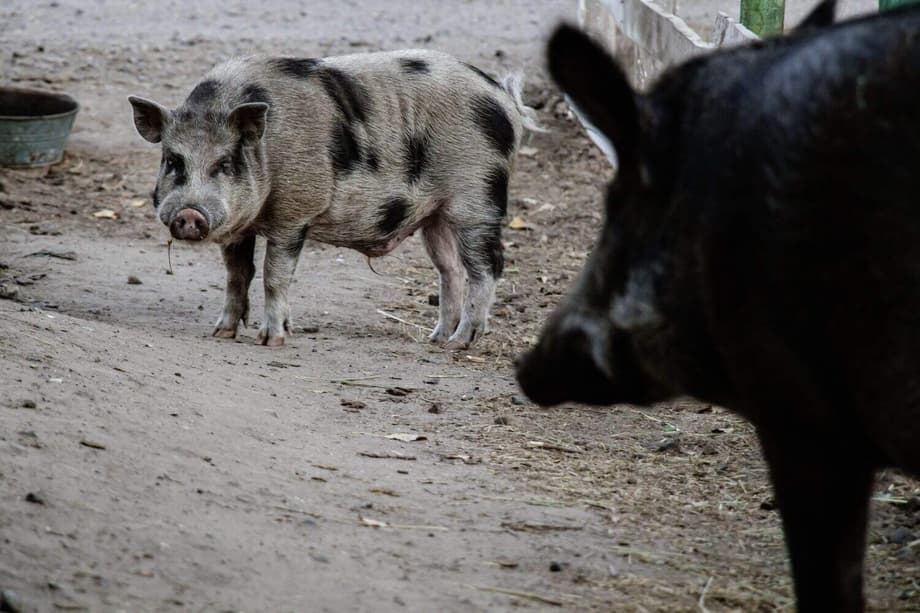
When the 9.0 magnitude earthquake struck Japan on March 11, 2011, triggering a tsunami that crippled the Fukushima Daiichi Nuclear Power Plant, authorities evacuated approximately 164,000 residents from a 20-kilometer radius around the facility. The disaster created an unprecedented void in the landscape. Homes emptied, tractors rusted in fields, and livestock operations collapsed overnight. Among the abandoned animals were an estimated 31,500 domestic pigs, some of which escaped into the surrounding forests while others perished or were euthanized. What happened next would become one of the most significant natural experiments in modern wildlife genetics. The escaped pigs encountered indigenous wild boar populations that were already expanding due to reduced hunting pressure and declining rural populations. Because domestic pigs and wild boar belong to the same species, Sus scrofa, they interbred freely, producing hybrid offspring that carried genetic material from both farm and forest lineages. Over the subsequent decade and a half, these animals have not merely survived in the contaminated exclusion zone; they have thrived, creating a population boom that challenges conventional understanding of hybridization dynamics and offers crucial significance for wildlife management worldwide.
Recent research published in the Journal of Forest Research has revealed surprising details about how these hybrid populations evolved. Led by Professor Shingo Kaneko of Fukushima University and co-author Donovan Anderson from Hirosaki University, the study analyzed genetic samples from 191 wild boar and 10 domestic pigs collected between 2015 and 2018. Their findings challenge previous assumptions about how domestic animal genes persist in wild populations and demonstrate that maternal lineages from farm pigs have created what researchers call a genetic fast track for population turnover. This discovery carries consequences far beyond Japan, offering a template for understanding invasive species dynamics wherever feral swine encounter native wild boar populations.
From Barnyards to Backwoods
Understanding the Fukushima hybridization event requires recognizing the biological relationship between domestic pigs and their wild counterparts. Domestic pigs represent thousands of years of selective breeding for traits including rapid growth, docility, and accelerated reproductive cycles. Wild boar, while belonging to the same species, have evolved naturally with seasonal breeding patterns and survival instincts honed by predator avoidance and environmental challenges. The distinction between these populations lies not in species barriers but in generations of human-mediated artificial selection versus natural selection pressures.
When the evacuation order took effect, the sudden withdrawal of human activity transformed the landscape almost overnight. Agricultural fields reverted to wild growth, and the absence of farming, traffic, and regular human presence created conditions resembling a wildlife refuge. Wild boar, already increasing in numbers across Japan due to demographic shifts in rural areas, moved into abandoned towns, rooting through overgrown gardens and establishing territories in empty streets. Simultaneously, escaped domestic pigs faced a stark transition from managed barn environments to forest survival. Those that adapted found not only habitat but mates among the wild populations already colonizing the evacuated zone.
The initial hybridization represented a genetic mixing of distinct lineages. European domestic pig breeds, brought to Japan through agricultural trade, carried mitochondrial DNA haplotypes distinct from Asian wild boar lineages. When female pigs mated with male wild boar, they produced offspring carrying domestic maternal markers but mixed nuclear genomes. What researchers discovered, however, contradicted expectations about how these genes would persist over time.
The Maternal Lineage Paradox
The 2026 study revealed a counterintuitive pattern in the genetic legacy of Fukushima’s escaped pigs. Researchers analyzed mitochondrial DNA, which passes exclusively from mother to offspring, alongside nuclear genetic markers that reflect ancestry from both parents. While mitochondrial DNA from domestic pigs has persisted in the wild boar population, indicating that female pigs successfully established maternal lineages, the nuclear DNA contribution from domestic ancestors has diluted remarkably quickly.
Among the 191 wild boar sampled, 31 individuals showed evidence of hybrid ancestry, representing approximately 16 percent of the study population. Of these hybrids, 21 carried domestic pig mitochondrial DNA, confirming that domestic sows had successfully bred with wild boar males. Yet these maternal lineages displayed a surprising characteristic: the animals were already more than five generations removed from the original hybridization event, and they carried significantly lower proportions of pig-derived nuclear genes compared to hybrids with wild boar maternal ancestry.
Professor Kaneko explained the significance of this finding in a recent statement.
While it has been previously suggested that hybridization between rewilded swine and wild boars can contribute to population growth, this study demonstrates that the rapid reproductive cycle of domestic swine is inherited through the maternal lineage.
This inheritance pattern creates what the research team describes as accelerated genetic turnover, where the rapid breeding traits of domestic pigs actually speed up the dilution of their own nuclear genes through repeated backcrossing with wild boar.
The Biology of Speed
The mechanism driving this rapid genetic turnover stems from fundamental differences in reproductive strategies between domestic and wild swine. Wild boar in Japan typically follow an annual breeding cycle, producing one litter per year under natural conditions. Domestic pigs, shaped by intensive agricultural breeding, can reproduce year round with multiple litters annually, often producing 8 to 12 piglets per litter. This biological distinction, encoded in maternal behavioral and physiological traits, appears to have persisted in the hybrid offspring even as they lived in wild conditions.
When escaped domestic sows bred with wild boar, their daughters inherited not only mitochondrial DNA but also the rapid reproductive cycling behavior characteristic of farm pigs. These first-generation hybrid females reached sexual maturity faster and produced more litters over their lifetimes than pure wild boar. Consequently, they generated more opportunities for backcrossing with the abundant wild boar population surrounding them. With each successive generation, the proportion of domestic nuclear DNA halved through Mendelian inheritance, while the maternal lineages continued reproducing at accelerated rates.
The result constitutes a genetic fast track where domestic maternal ancestry paradoxically accelerates its own dilution. Rather than preserving pig genes in the wild population, the very traits that make domestic pigs productive agricultural animals, rapid cycling and high fecundity, have driven faster generational turnover and more rapid absorption of wild boar genetics. This challenges previous hybridization models that assumed maternal lineages would prolong domestic genetic influence in wild populations.
Radiation and Resilience
The Fukushima exclusion zone carries a distinctive radioactive signature following the release of cesium-137 and other isotopes during the 2011 meltdown. Government testing has consistently found elevated radiation levels in wild boar meat, sometimes exceeding Japanese food safety limits by significant margins. This contamination initially raised concerns about whether radiation exposure would suppress wildlife populations through genetic damage or reproductive failure.
However, population data tell a different story. Despite chronic exposure to radiation levels unsafe for human habitation, wild boar populations have expanded dramatically throughout the evacuated zone. Capture statistics illustrate this growth: authorities culled approximately 6,000 boar one year after the disaster, but less than a decade later, that number rose to roughly 36,000 animals. This suggests that the absence of human activity, hunting pressure, and habitat fragmentation has outweighed any negative effects from radiation exposure in terms of population viability.
While radiation contamination remains a serious concern for human safety and limits the consumption of boar meat, the animals themselves demonstrate remarkable ecological resilience. The hybrid boar appear robust in terms of population growth, though long term studies continue to monitor potential sublethal effects of radiation exposure on individual health and genetic mutation rates. The primary driver of population dynamics appears to be the human vacuum rather than radioactive contamination.
Global Implications for Wildlife Management
The Fukushima case offers insights that extend far beyond Japan’s borders. Hybridization between domestic and wild swine occurs worldwide, from feral pig populations in the United States to expanding wild boar ranges in Europe. These interactions often threaten agricultural systems and native ecosystems, creating management challenges for conservation authorities. The Fukushima study provides a rare controlled scenario where hybridization occurred as a single pulse event without repeated introductions, allowing researchers to track gene flow dynamics over successive generations.
Dr. Anderson noted that this mechanism likely occurs in other regions worldwide where feral pigs and wild boars interbreed. Understanding that maternal swine lineages accelerate generation turnover can help authorities better predict population explosion risks and design targeted control strategies. Wildlife managers might prioritize removing hybrid individuals with specific genetic backgrounds that indicate higher reproductive potential, or focus control efforts on areas where rapid-cycling maternal lineages have established.
The findings also complicate concepts of ecological restoration. As evacuation orders lift and residents return to parts of Fukushima, they encounter boar populations that are genetically distinct from wild boar that lived there before the disaster. Attempting to restore the ecosystem to a baseline from before 2011 may prove impossible because domestic genes have become embedded in the wild population. This represents a form of accidental rewilding where human disaster has created novel ecosystems that resist simple restoration.
Looking forward, climate change and increasing frequency of extreme weather events may create more scenarios where agricultural infrastructure collapses and livestock escape into wildlands. Understanding how quickly domestic genes assimilate into wild populations, and how maternal traits influence this process, becomes essential for predicting and managing wildlife dynamics in an increasingly disrupted world.
The Bottom Line
- Domestic pigs escaped from Fukushima farms following the 2011 nuclear disaster and hybridized with native wild boar, creating a thriving hybrid population in the exclusion zone.
- Mitochondrial DNA analysis reveals that domestic maternal lineages have persisted for over a decade, but nuclear DNA from domestic pigs has diluted rapidly through accelerated generational turnover.
- The rapid, year round reproductive cycle of domestic pigs, inherited through maternal lines, created a genetic fast track that paradoxically speeded up the dilution of domestic genes while boosting population growth.
- Despite radiation contamination, wild boar populations have expanded dramatically in the evacuated zone, increasing from roughly 6,000 to 36,000 captured animals within a decade, primarily due to the absence of human activity and hunting pressure.
- The findings offer practical applications for wildlife management strategies targeting invasive feral pig populations worldwide, suggesting that understanding maternal lineage dynamics can help predict and control population explosions.
- Fukushima represents a case of accidental rewilding that demonstrates how quickly evolution can occur when human pressure is removed, and how domestic animal genes can permanently alter wild populations within just a few generations.