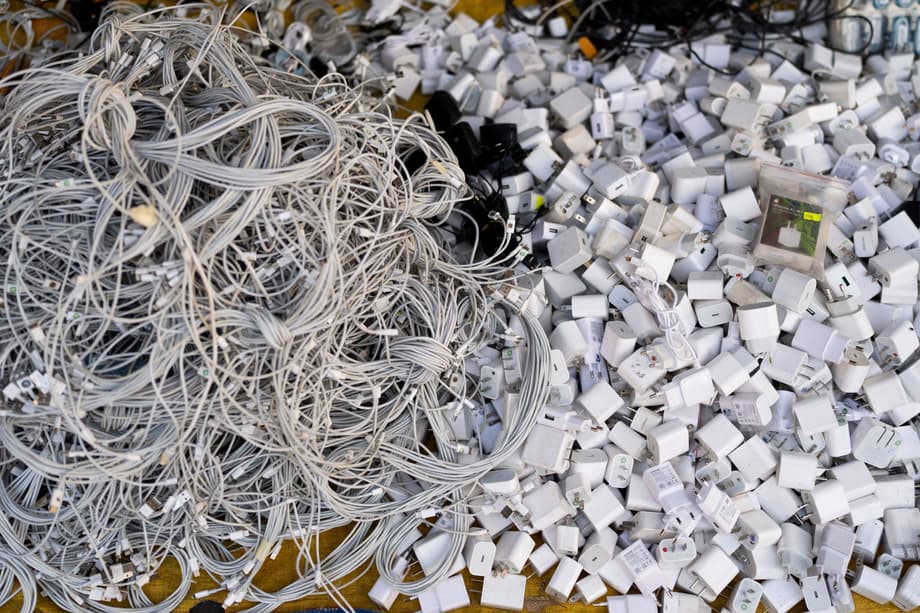
Absolute Prohibition Takes Effect
Kuala Lumpur has drawn a definitive line against the global waste trade, announcing an immediate and comprehensive ban on all electronic waste imports as authorities grapple with corruption allegations and environmental degradation. The Malaysian Anti-Corruption Commission declared that effective February 4, all e-waste would be reclassified under the “absolute prohibition” category under customs regulations, eliminating previous discretionary powers that allowed the Department of Environment to grant import exemptions.
MACC Chief Commissioner Tan Sri Azam Baki delivered an unequivocal message regarding the new policy. “E-waste is no longer permitted,” he stated, vowing “firm and integrated enforcement action” to prevent illegal shipments from entering Malaysian ports. The decision emerged from the second meeting of the Special Task Force on the Direction of Enforcement Management for the Importation of Plastic Waste and E-Waste, established to coordinate inter-agency efforts against hazardous waste trafficking.
The prohibition represents a dramatic shift from previous regulations. Under the former conditional prohibition framework, the Department of Environment director-general possessed discretionary authority to approve specific e-waste imports subject to environmental safeguards. Section 34B of the Environmental Quality Act 1974 previously provided this exemption pathway, which critics argued created vulnerabilities for abuse and inconsistent enforcement.
Now, all 128 licensed e-waste processing facilities operating in Malaysia are restricted exclusively to handling domestically generated electronic waste. Deputy Minister of Natural Resources and Environmental Sustainability Datuk Seri Huang Tiong Sii confirmed in parliamentary testimony that “Malaysia does not permit the importation of electrical and electronic waste for processing in the country.” The ministry maintains that Malaysia will not serve as a disposal site for foreign-generated hazardous materials.
Corruption Investigation Rocks Environmental Agency
The ban coincides with an escalating corruption investigation that has already claimed high-ranking officials within the Department of Environment. Last week, MACC officers detained and remanded the director-general of the environment department and his deputy over allegations of abuse of power and corruption involving e-waste oversight. The probe has expanded to include the freezing of 16 bank accounts containing RM10.2 million (approximately US$2.6 million) and the arrest of six company owners believed to be linked to smuggling operations.
Investigators have identified seven Selangor-based companies suspected of involvement in the illicit trade. The crackdown suggests systematic failures within the regulatory framework that allowed contaminated shipments to circumvent environmental controls. The corruption allegations center on discretionary permits and oversight mechanisms that the new absolute prohibition aims to eliminate entirely.
The task force has established a Special E-Waste Coordination Committee chaired by the Malaysian Border Control and Protection Agency (AKPS) Port Klang commander Deputy Comm Datuk Nik Ezanee Mohd Faisal. This committee must report weekly outcomes to ensure systematic management of enforcement activities. The structural change reflects recognition that fragmented oversight previously allowed traffickers to exploit gaps between customs, environmental, and anti-corruption authorities.
Massive Seizures Highlight Scale of Illegal Trade
Enforcement data reveals the staggering volume of illegal e-waste attempting to enter Malaysia. Over the past four years, authorities intercepted 701 containers suspected of carrying e-waste, with each container estimated to contain approximately 20 metric tonnes of hazardous materials. More recently, customs officials inspected over 300 shipping containers following intelligence from the Basel Action Network, determining that roughly one-third contained illegally imported e-waste from the United States.
Of the 301 containers detained during recent inspections, 106 were confirmed to contain illegal e-waste shipments. The Basel Action Network, which administers the e-Stewards certification standard for responsible recycling, provided the initial intelligence that triggered these interceptions. Environment Minister Nik Nazmi Nik Ahmad indicated that approximately 200 additional containers remained under inspection as authorities continue scrutinizing incoming freight.
The Home Ministry has concurrently announced the continuity of “Op Hazard,” an ongoing operation targeting illegal e-waste and metal scrap activities. In 2025 alone, authorities recorded seizures valued at up to 7 billion Malaysian Ringgit related to these illegal operations. The ministry issued a forceful statement declaring that “Malaysia is not a dumping ground for the world’s waste,” describing e-waste as “a serious threat to the environment, people’s health and national security.”
Global Waste Trade Dynamics
Malaysia’s prohibition arrives within a shifting global regulatory landscape governing electronic waste flows. The Basel Convention, which controls transboundary movements of hazardous wastes, implemented amendments effective January 1, 2025, that classify both hazardous and non-hazardous e-waste and scrap under prior informed consent requirements. This marks the first time non-hazardous electronic waste has fallen under Convention controls.
The United States, which has not ratified the Basel Convention, previously maintained import-only agreements with Malaysia allowing American receipt of hazardous waste from Malaysian sources. However, the new Basel provisions complicate reverse flows, as Convention parties are prohibited from trading controlled wastes with non-parties absent specific bilateral agreements meeting treaty criteria.
The regulatory shift follows China’s 2018 decision to ban most foreign waste imports, which triggered a massive redirection of e-waste streams toward Southeast Asian nations with lower processing costs and historically weaker enforcement mechanisms. Indonesia has similarly resisted these shipments, seizing over 70 containers of hazardous e-waste primarily from the United States at Batam Island late last year. Last month, four containers containing used computers, hard drives, and circuit boards were returned to American ports.
Environmental advocacy groups have documented extensive trafficking networks exploiting these regulatory gaps. The Basel Action Network estimated that the United States alone exported approximately 32,947 metric tons of e-waste monthly, with Malaysia serving as the primary recipient. Much of this material enters disguised as second-hand electronics or scrap metal, circumventing initial customs scrutiny.
Environmental and Public Health Imperatives
The ban addresses contamination risks that extend far beyond disposal sites. Electronic waste contains concentrated toxic substances including lead, mercury, and cadmium, alongside persistent organic pollutants such as brominated flame retardants. When informal recyclers employ crude methods like open burning or acid bathing to extract valuable metals, these compounds release into air, soil, and waterways, creating long-term bioaccumulation risks.
Communities residing near illegal processing facilities face elevated rates of respiratory illness, neurological damage, and reproductive disorders. Studies conducted among e-waste recycling workers in Thailand identified elevated levels of toxic plastic chemicals, providing empirical evidence of occupational hazards replicated across Southeast Asian informal recycling sectors. Chronic exposure to these materials correlates with increased cancer risks, miscarriages, and diminished cognitive development in children.
Malaysia generated approximately 411 million kilograms of domestic e-waste in 2022, with projections indicating 24.5 million units for 2025. The country maintains arguably the most advanced household e-waste recycling infrastructure in Southeast Asia, including collection services employing freelance workers, cash-for-waste incentive programs, and postal delivery options for remote areas through Pos Malaysia partnerships. Critics of import liberalization argue that foreign waste influxes would undermine these domestic collection systems by depressing prices and diverting capacity toward foreign material rather than local waste streams.
Advocacy Groups Welcome Stringent Measures
Environmental organizations have strongly endorsed the prohibition while urging vigilant enforcement implementation. Sahabat Alam Malaysia (SAM) and the Consumers’ Association of Penang (CAP) issued joint statements praising the MACC decision, with CAP President Mohideen Abdul Kader stating these measures “are crucial to protect public health and the environment, and to send a clear message that Malaysia is not a dumping ground.”
SAM President Meenakshi Raman emphasized that traffickers historically exploited regulatory loopholes and corruption channels to bypass restrictions. She warned that improper recycling and open burning release pollutants threatening workers and neighboring communities, while microplastics infiltrate waterways creating widespread ecological damage.
“E-waste contains heavy metals and toxic substances that threaten workers and nearby communities. Chronic exposure can lead to respiratory illness, long-term cancer risks and increased healthcare costs. Ending the waste trade is essential for the health and safety of Malaysians.”
Jim Puckett, Executive Director of the Basel Action Network, indicated his organization would work to ensure the United States government accepts responsibility for returning intercepted containers and holds American exporters accountable for fraudulent shipments. The Department of Justice has previously prosecuted U.S. exporters for fraud when companies misrepresent downstream handling of collected materials.
Economic and Policy Considerations
The task force is concurrently evaluating a proposed three-month moratorium on plastic waste imports, though this requires additional economic analysis. The Ministry of Investment, Trade and Industry, the National Solid Waste Management Department, and SWCorp must submit detailed data regarding sector contributions to the national economy before Prime Minister Datuk Seri Anwar Ibrahim makes a final determination.
Advocates argue that supporting domestic e-waste collectors and processors offers superior long-term economic benefits compared to accepting foreign material for large-scale processing. When comprehensive cost-benefit analyses factor in healthcare expenditures, environmental remediation costs, and lost agricultural productivity from contaminated soils, imported waste processing typically constitutes a net economic loss despite short-term recycling revenues.
The Greenpeace Malaysia Stop Waste Trade Coalition has consistently opposed arguments favoring import liberalization, noting that China’s experience demonstrated the inability to control pollution costs even with sophisticated regulatory frameworks. The coalition argues that physical barriers will protect unscrupulous operators from the watchful eyes of neighboring residents, advocating instead for strengthened whistleblower protections, anti-corruption measures, and enhanced enforcement capacity rather than increased waste volumes.
Key Points
- Malaysia imposed an immediate absolute prohibition on all e-waste imports effective February 4, removing previous exemption powers from the Department of Environment
- The ban follows a major corruption investigation that detained the DOE director-general and deputy director-general, with authorities freezing RM10.2 million in linked bank accounts
- Customs officials recently seized 106 containers of illegal e-waste and have intercepted 701 containers over the past four years, many originating from the United States
- All 128 licensed Malaysian e-waste facilities are now restricted to processing only domestically generated electronic waste
- The prohibition aligns with new Basel Convention amendments effective January 1, 2025, that control both hazardous and non-hazardous e-waste transboundary movements
- Neighboring Indonesia has similarly resisted foreign e-waste, returning four container shipments to the United States last month
- Environmental groups praise the measure while urging strict enforcement to prevent smuggling through mislabeled shipments disguised as second-hand goods