A Symbol of Progress and Lagging Infrastructure
In a striking illustration of how Japan’s political landscape is evolving faster than its physical infrastructure, a bipartisan group of female lawmakers is demanding the installation of additional women’s restrooms in the National Diet Building. The request comes after a record number of women were elected to the House of Representatives in the 2024 general election. Despite this historic gain in representation, the layout of the lower house wing remains rooted in a bygone era, creating a logistical bottleneck that female legislators say impedes their ability to perform their duties.
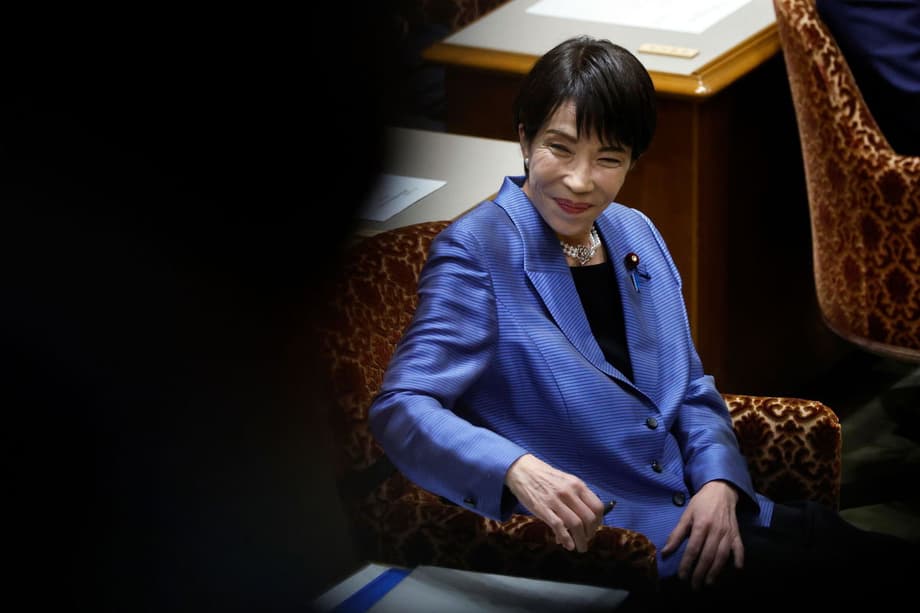
The initiative has garnered significant political weight, drawing support from nearly 80 percent of the women serving in the lower house. Among the 58 lawmakers backing the petition is Prime Minister Sanae Takaichi, the country’s first female leader. Her involvement signals that the issue is not merely a matter of convenience but a significant concern regarding the operational efficiency and dignity of the nation’s legislature.
The disparity in facilities is stark. While the male-dominated design of the 1936 building once reflected the composition of the body, it now clashes with the modern reality of a diversified parliament. Female lawmakers report that congestion and long wait times have become a daily occurrence, forcing some to forgo bathroom breaks entirely during critical legislative sessions.
The Logistics of Legislative Work
The core of the complaint lies in the numbers. The lower house wing currently features 12 restrooms designated for men, compared to only nine for women. This numerical gap belies a much wider disparity in actual capacity. Across the facilities available to men, there are 67 stalls and urinals combined. In contrast, the women’s facilities offer a total of just 22 stalls.
The situation becomes most acute near the chamber of the lower house, the nerve center of legislative activity. In this high-traffic area, there is only one restroom available for women, containing a mere two stalls. With 73 female members elected to the lower house, this creates a severe bottleneck, particularly before major assembly sessions when time is of the essence.
Yasuko Komiyama, a member of the Constitutional Democratic Party of Japan and one of the organizers of the request, highlighted the practical difficulties this creates. Speaking to reporters, she described the scene before plenary sessions and the impact it has on their work.
“Before the main assembly session, a truly large number of female lawmakers line up in front of the women’s restroom,” Komiyama said. “We sometimes have to give up on using the restroom and just hold it.”
This physical discomfort can translate into distracted lawmaking. The petition submitted by the lawmakers argues that the shortage is a critical issue with tangible consequences. They warned that the situation threatens to interfere with their legislative duties and the smooth progress of house proceedings.
A Building Out of Step with History
The root of the problem is historical. The National Diet Building was completed in 1936, a time when women did not have the right to vote in Japan. It would be nearly another decade before suffrage was granted in 1945, following the end of World War II. Consequently, the architecture was designed exclusively for men, with no anticipation of a future where women would constitute a significant portion of the legislature.
As the number of women entering politics has slowly increased over the decades, more women’s restrooms have been added to the building. However, these piecemeal adjustments have failed to keep pace with the recent surge in female representation. The 2024 election saw the number of women in the lower house jump from 45 to 73, a record high. Yet, the infrastructure has not been updated to match this new demographic reality.
The building stands as a monument to a different era, and its current state highlights the friction between tradition and progress. While women now occupy roughly 16 percent of the seats in the 465-seat lower house, the building’s facilities operate on ratios that assume their presence is negligible.
Call for Immediate Action
In December, a group of 12 female lawmakers took formal action to address the disparity. They submitted a request to Yasukazu Hamada, the chairman of the lower house Rules and Administration Committee. The document outlined the daily inconveniences faced by female members and called for structural changes.
The lawmakers requested that additional restrooms be installed near the chamber as early as possible in the next fiscal year. They emphasized that the congestion is not just a nuisance but a hindrance to the effective functioning of the parliament. The response from the administration has been cautiously positive. Hamada reportedly stated that the committee would “discuss the matter positively,” though the logistical challenges of renovating a historic government building remain significant.
The issue extends beyond the convenience of the lawmakers themselves. Komiyama noted in social media posts that the shortage affects female staff members and the growing number of female journalists who cover the parliament. The lack of adequate facilities creates a barrier for all women working within the Diet Building.
A Rare Display of Cross-Party Unity
One of the most notable aspects of this initiative is the breadth of its support. Japanese politics is often characterized by rigid partisan divides, but this issue has bridged the gap. The petition includes signatures from members of seven different parties and independent groups.
This cross-party cooperation underscores the universality of the problem. Regardless of political affiliation, female lawmakers face the same physical constraints. The collective action represents a rare moment of solidarity among women in the chamber, leveraging their combined numbers to push for practical improvements.
Tomoe Ishii, a female opposition MP, added her voice to the chorus on Instagram, noting that the shortage has “long been an issue.” She pointed out that there is often a societal reluctance to discuss the need for more women’s restrooms in workplaces and schools, suggesting that the fight in parliament is part of a wider cultural conversation.
Broader Implications for Gender Equality
The demand for better restroom facilities is viewed by many as a symbol of the broader struggle for gender equality in Japan. While the nation has made strides in electing more women, including the historic elevation of Takaichi to the premiership, it consistently ranks low on global gender gap indices.
According to the World Economic Forum’s latest Global Gender Gap Report, Japan ranked 118th out of 148 countries. This low placement reflects systemic issues in political representation, corporate leadership, and social norms. Women remain grossly under-represented in business and the media, and female candidates often report facing sexist remarks during campaigns, including being told they should stay home to raise children.
The government has set a target for women to occupy at least 30 percent of legislative seats. While the current number of female lawmakers is a record, it is still far short of that goal. The restroom shortage serves as a daily, physical reminder of how far the institution still has to go to fully accommodate and integrate women.
Komiyama framed the issue as a double-edged sword. On one hand, the very fact that there is a shortage of toilets is a sign that the number of female lawmakers has increased significantly. On the other hand, the failure to address it reflects the nation’s slow progress toward true equality.
Prime Minister Takaichi’s Complex Position
Prime Minister Sanae Takaichi’s support for the petition places her in a unique position. As the first woman to hold the country’s highest office, her backing adds immense credibility to the request. However, her political stance adds complexity to the narrative.
Takaichi is often described as socially conservative. She opposes revising a 19th-century law that requires married couples to share the same surname and advocates for the retention of male-only succession in the imperial family. Before becoming prime minister, she expressed admiration for former British Prime Minister Margaret Thatcher and stated she wanted “Nordic” levels of gender balance in her cabinet.
However, upon taking office, she appointed just two other women to her 19-strong cabinet. Despite this, she has spoken candidly about her own experiences with menopause and has expressed a desire to raise awareness about women’s health struggles. Her support for the restroom initiative aligns with this focus on the practical realities facing working women, even as her conservative policy positions remain a point of contention for progressive feminists.
Looking Beyond the Building
The debate over restrooms in the Diet Building is microcosm of the challenges Japan faces as it attempts to modernize its workforce and political institutions. It highlights the difference between symbolic progress and substantive structural change. Electing women is a crucial step, but creating an environment where they can work effectively requires adjustments to infrastructure that was designed without them in mind.
The response to the petition will be closely watched. If successful, it could pave the way for further modernization efforts within the government. It could also encourage women in other sectors to demand similar accommodations in their own workplaces.
For now, the female lawmakers of the lower house continue to line up, waiting for a turn that takes longer than it should. Their fight for toilets is a fight for respect, for equal access to the tools of their trade, and for a parliament that truly serves the entire population.
Key Points
- A bipartisan group of 58 female lawmakers, including Prime Minister Sanae Takaichi, is demanding more women’s restrooms in the National Diet Building.
- The lower house currently has only one women’s restroom with two stalls near the main chamber, serving 73 female members.
- Overall, there are 67 stalls and urinals for men compared to just 22 stalls for women in the lower house wing.
- The building was completed in 1936, nearly a decade before women gained the right to vote in Japan.
- Lawmakers warn that long wait times interfere with their legislative duties and house proceedings.
- The initiative highlights Japan’s low ranking on the Global Gender Gap Index, placing 118th out of 148 countries.