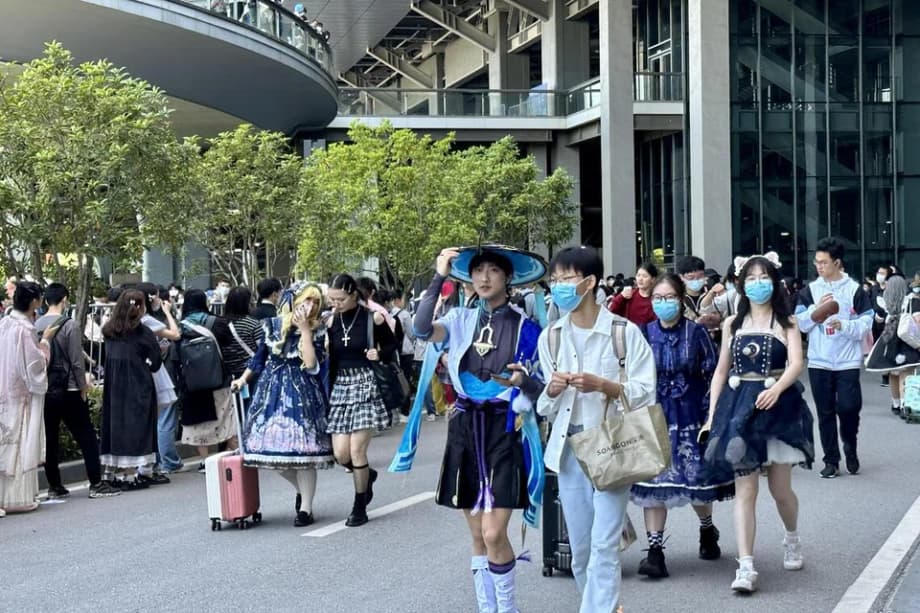
Abrupt Policy Shift Rocks China’s Largest Fan Gathering
Organizers of China’s biggest comic convention, COMICUP, have announced a sudden ban on all Japanese anime and manga content just days before the event was scheduled to begin. The announcement came on December 19 via a notice to exhibitors and attendees, informing them that the upcoming event in Hangzhou would shift to a “New Chinese Style-only” format. This directive effectively prohibits the display of Japanese intellectual properties, including fan art, merchandise, and cosplay, within the venue.
The convention, known as COMICUP 32, is set to take place on December 27 and 28 in the eastern city of Hangzhou. It typically serves as a massive marketplace for doujinshi, which are self-published works often based on popular anime, comics, and games. With approximately 7,000 booths planned, the event is a major cultural gathering that draws tens of thousands of visitors. The official statement from the organizing committee cited the “current social environment and our cultural obligations” as the primary reasons for this full-scale adjustment. While the notice did not explicitly name Japan, the intent was clear to the community.
Artists and Vendors Face Sudden Cancellations
The timing of the announcement has left many creators in a difficult position. Exhibitors received only eight days of notice, forcing them to scrap months of preparation. Several dozen artists who had planned to feature Japanese-themed content reported that their booths were cancelled for reasons “well-known to all” and due to “factors beyond control.” This abrupt change has led to significant financial losses for participants who had already invested in flights, hotels, and merchandise production.
One exhibitor, a woman from Chongqing who had spent five months preparing artwork for the Japanese manga Let’s Go Karaoke, expressed her distress to the media. She explained that she had held onto hope despite rumors circulating before the official notification.
“I am feeling utterly helpless and sad. I had been looking forward to this event for so long, hoping to meet everyone in person,” the artist said.
The economic fallout extends beyond individual creators. Industry reports indicate that roughly 12 percent of pre-sold tickets, amounting to about 13,000 tickets out of 110,000, have been refunded following the news. Major participants have also pulled out. The Shanghai Anime Guild withdrew its entire 30-panel schedule, and over 150 independent artists opted to move their showcases to virtual platforms rather than attend the physical event.
A Selective Ban on International Content
Interestingly, the restrictions appear to be targeted specifically at Japanese media. Reports from the venue suggest that exhibition areas themed around American and European content remain unaffected. This selective enforcement has led to speculation that the move is a direct response to the deteriorating diplomatic relationship between Beijing and Tokyo rather than a broad push for domestic cultural exclusivity.
The convention floor, originally set to feature a diverse mix of global pop culture, is now undergoing a rapid reorganization. Panels dedicated to major Japanese franchises such as Naruto Legacy, One Piece World Tour, and Studio Ghibli Animation Masterclass have been removed. In their place, organizers have inserted content focused on “Future China” and “Silk Road Stories.” Consequently, the floor is now dominated by Chinese entities like Tencent Animation and Shanghai Comics, with South Korea, the United States, and France comprising a smaller portion of the international presence.
Diplomatic Tensions Fuel Cultural Restrictions
The ban at COMICUP is the latest in a series of cultural cancellations stemming from a diplomatic row that escalated in November. The conflict intensified after Japanese Prime Minister Sanae Takaichi made remarks in parliament suggesting that an attack on Taiwan could constitute a “survival-threatening situation” for Japan. This statement implied potential military involvement by Japan’s Self-Defense Forces, which Beijing viewed as a provocation.
China views Taiwan as a breakaway province and strongly opposes any foreign interference in what it considers an internal matter. In retaliation for the Prime Minister’s comments, Beijing has ramped up pressure on Tokyo through various channels. These measures include urging citizens not to travel to Japan, suspending seafood imports, and postponing high-level diplomatic meetings. The cancellation of cultural events featuring Japanese artists appears to be part of this broader strategy to signal displeasure.
A Pattern of Disruptions in Entertainment
The impact on Japanese entertainment in China has been widespread and swift. In early December, an exhibition dedicated to the works of Hayao Miyazaki, the co-founder of Studio Ghibli, was postponed in the southern city of Guangzhou. The theatrical run of the hit anime film Demon Slayer: Infinity Castle ended abruptly in December despite performing well at the box office. Regulators reportedly declined to grant the film a standard release extension, citing “unavoidable circumstances.”
Other Japanese films have faced similar uncertainty. Screenings of Detective Conan: The Time-Bombed Skyscraper and the latest Crayon Shin-chan movie have been postponed indefinitely. The live-action adaptation of Cells at Work! has also been delayed without a new release date. Live performances have not been spared either. Japanese singer Maki Otsuki was escorted offstage during a performance in Shanghai, while concerts by Ayumi Hamasaki and live shows featuring Sailor Moon were cancelled or faced last-minute disruptions.
Strict Enforcement on Cosplay and Attendees
The restrictions at the convention are not limited to vendor booths. Unverified reports circulating on Chinese social media indicate that enforcement will be strict for attendees as well. There are claims that cosplayers portraying characters from non-Chinese intellectual properties will be denied entry. Staff members are reportedly planning to conduct inspections inside the venue to ensure compliance with the “New Chinese Style” theme.
This level of scrutiny adds a layer of anxiety for fans who view cosplay as a form of personal expression. The move echoes a broader crackdown on cosplay that began in 2023 when Chinese authorities cited the “Law on Penalties for Administration of Public Security” to restrict attire that might “hurt the feelings of the Chinese nation.” While that law was not exclusively aimed at cosplay, it has been used to target subcultures that authorities deem culturally inappropriate.
Economic Implications for the Host City
The sudden shift in programming is expected to have a tangible economic impact on Hangzhou. Previous editions of COMICUP have been significant drivers of tourism revenue. The event held in Shanghai in October was projected to generate between 600 million and 1 billion yuan in cultural and tourism spending. Analysts now estimate that Hangzhou could lose roughly 200,000 potential tourist visits due to the reduced appeal of the convention without the Japanese content that historically attracts a large segment of the audience.
Local businesses that rely on the influx of visitors for the biannual event are bracing for a downturn. The cancellation of booths and the withdrawal of major international exhibitors mean less foot traffic and lower overall engagement. As the convention moves forward with its revised format, industry observers are watching closely to see if the pivot to domestic content can sustain the event’s popularity or if the loss of Japanese media will permanently diminish its stature in the global fan community.
Key Points
- COMICUP, China’s largest comic convention, banned Japanese anime and manga content just eight days before its opening in Hangzhou.
- Organizers cited the “current social environment and cultural obligations” as the reason for the shift to a “New Chinese Style-only” theme.
- The ban follows diplomatic tensions after Japanese Prime Minister Sanae Takaichi suggested an attack on Taiwan would threaten Japan’s survival.
- Approximately 13,000 tickets were refunded, and major exhibitors like the Shanghai Anime Guild pulled out of the event.
- The restrictions appear to target Japan specifically, as American and European content areas remain open to attendees.
- Other Japanese cultural events, including screenings of Demon Slayer and concerts by Ayumi Hamasaki, have been cancelled or postponed recently.
- Cosplayers dressed as non-Chinese characters reportedly face entry denials and inspections at the venue.
- Hangzhou may lose an estimated 200,000 tourist visits and significant revenue due to the changes.