Narita Airport Sees Surge in Holiday Departures
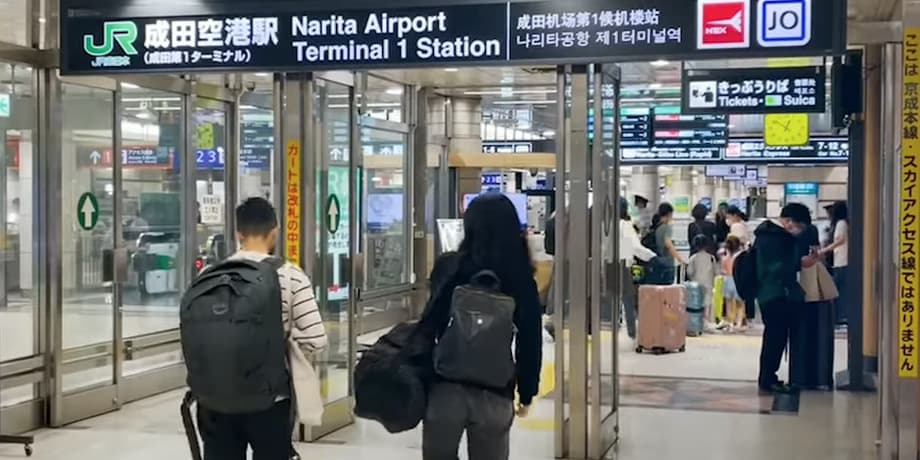
Narita International Airport near Tokyo is bustling with activity as the holiday travel season reaches its peak. Families with large suitcases formed long lines at airline counters in the departure area starting in the early morning hours. The airport authority projects that approximately 54,100 people will head for overseas destinations on Sunday alone. This day represents the high point of the travel rush for the current holiday period. The Narita International Airport Corporation anticipates that over 956,100 people will either leave from or arrive at the airport during the 10-day stretch from December 26 to January 4. This figure remains largely unchanged from the same period last year, suggesting a steady recovery in international travel volume following years of pandemic-related disruption.
The scene at the terminals reflects a broader enthusiasm for leisure travel. While overall numbers are stable, the composition of travelers and their preferred destinations highlights subtle shifts in global tourism dynamics. Airport staff are working diligently to manage the flow of passengers, ensuring that the heavy traffic moves smoothly through check-in and security processes. The return rush is expected to peak on January 4, indicating a busy end to the festive break as travelers make their way back to Japan.
Shifting Destination Preferences
Despite the high volume of travelers, data reveals distinct changes in where people are choosing to go. Officials noted a significant drop in travel to China, with numbers falling by about 30 percent. This decline is attributed to recent diplomatic tensions between Tokyo and Beijing. Political relations often influence travel patterns, and it appears current geopolitical strains are deterring Japanese tourists from visiting mainland China.
Conversely, other destinations have gained immense popularity. Taiwan, Hawaii, and Cebu Island in the Philippines remain top choices for holidaymakers departing from Narita. These locations offer a mix of warm climates, resort amenities, and cultural experiences that appeal to winter travelers seeking an escape from the cold weather in Japan.
A woman in her 30s traveling with her family to Cebu Island expressed her motivation for the trip. She said she wants to escape the cold winter in Japan and enjoy swimming in a pool on the warm island.
A man in his 50s traveling to Hong Kong shared his excitement for his first overseas trip with his family. He said he wants to visit theme parks and enjoy good food.
These personal anecdotes illustrate the strong desire for relaxation and family bonding that drives the holiday exodus. The appeal of tropical getaways and vibrant city experiences continues to dominate the travel plans of Japanese residents.
Industry Data Shows Strong Booking Growth
While Narita’s total passenger numbers mirror last year’s figures, broader industry data suggests an upward trend in overseas travel interest. According to recent reports from major travel agencies, overseas travel bookings during the New Year’s holiday period have seen a notable increase. Data from HIS indicates that bookings were up 25.3 percent year on year as of early November. This surge points to a robust recovery in international travel confidence.
The most-booked destination for Japanese travelers in this period was Seoul, followed by Taipei, Honolulu, Bangkok, and Singapore. This list aligns with the popularity of Asian destinations and Pacific resorts observed at Narita. The data also highlights high growth rates for specific locations. Bookings for Bangkok increased by 27.5 percent, Singapore by 29.3 percent, and Cebu by 36.8 percent. Da Nang saw a remarkable 74.8 percent increase, largely due to an increase in seat capacity on scheduled flights from Narita and the addition of charter flights from local airports.
Long-haul destinations are also experiencing a renaissance. Travel to North America increased by 42.7 percent, while bookings for Europe rose by 46.5 percent. The Middle East saw an 82.6 percent jump. This growth is fueled by holiday stretches that allow for longer trips, giving travelers the time needed for transcontinental journeys.
Economic Factors Influencing Travel Choices
Economic conditions play a crucial role in these travel decisions. The weakening of the Japanese yen against other currencies has made outbound travel more expensive for Japanese tourists. Reports indicate the average cost of a trip is now estimated at 241,500 yen per traveler, which is 21 percent higher than a year ago. This increase is primarily driven by rising airfares.
Despite higher costs, the desire to travel remains strong. Travelers are adapting by slightly shortening their trips. The average travel duration decreased from 6.3 days last year to 6.1 days this year. Five-day trips now account for 20.7 percent of total bookings, a reduction of 4.2 points compared to pre-pandemic figures.
On the other side of the Pacific, the economic narrative is different. A strong US dollar has made Japan an incredibly attractive destination for American travelers. Travel data shows a nearly 30 percent increase in US visitors to Japan compared to the previous year. American tourists are taking advantage of favorable exchange rates to visit Japan, highlighting a two-way flow of tourism that benefits airlines and economies in both nations.
Technological Improvements Ease Congestion
Managing the massive flow of passengers at airports like Narita requires innovation and efficiency. To handle the holiday rush and future growth, Japan has been rolling out new technological infrastructure at its major international gateways. One significant development is the implementation of one-stop electronic gates, known as joint kiosks.
These kiosks consolidate multiple passport checks into a single, efficient scan. This system was recently launched at Kansai International Airport in Osaka and Terminal 2 of Haneda Airport in Tokyo. Narita Airport’s Terminal 3 is also scheduled to implement this technology soon. The primary goal is to speed up immigration and customs processing for tourists. Authorities anticipate these new systems will reduce waiting times by approximately 20 minutes, a significant improvement that enhances the passenger experience during peak periods.
The system is designed to be inclusive and accessible to wheelchair users. Eligible passengers include returning Japanese travelers and foreign passport holders who submit their personal information via the Visit Japan Web service at least six hours before arrival. This generates a QR code that allows for seamless processing at the kiosk. By digitizing and streamlining entry procedures, Japan aims to make the arrival and departure process smoother for the millions of visitors passing through its borders each year.
Airline Responses to Travel Demand
Airlines are actively adjusting their schedules and fleets to meet the evolving demands of the holiday travel market. The popularity of routes like Tokyo to Hawaii has prompted carriers to enhance their offerings. Hawaiian Airlines, for instance, announced significant updates to its winter schedule, including the introduction of Boeing 787 Dreamliner service to Tokyo. This expansion caters to increased demand and provides a more premium travel experience on this popular trans-Pacific route. The deployment of modern aircraft like the Dreamliner signifies a commitment to improving long-haul comfort and capacity.
Other international carriers are also expanding their footprint. Qantas launched daily direct flights from Melbourne to Tokyo Narita, connecting two culturally rich cities and signaling strong demand for tourism between Australia and Japan. This new route facilitates quicker access for Australians and Japanese to visit family, business partners, and holiday destinations. The service complements existing flights from Sydney and Brisbane, establishing Qantas as a major carrier in the Australia-Japan market.
Budget carriers are also capitalizing on the trend. Jetstar launched substantial sales on flights to Japan and South Korea, offering one-way fares to Tokyo and Osaka starting at very low price points. These aggressive pricing strategies reflect the intense competition for market share in the Asia-Pacific travel sector and make international travel more accessible to a broader range of consumers.
Broader Context of Holiday Travel
The current rush at Narita is part of a larger pattern of peak travel seasons in Japan. While the New Year holiday is a major event for outbound travel, other periods like Golden Week also see massive movement of people. Golden Week, which runs from late April to early May, is another of Japan’s busiest travel seasons. It consists of four national holidays that often result in consecutive days off work.
During these peak times, travel patterns extend beyond leisure tourism. Business travel, visiting family, and cultural festivals all contribute to the surge in passenger numbers. The ability of infrastructure to handle these loads is a testament to the resilience and planning of airport authorities and transportation networks. However, experts advise that traveling during these windows requires careful planning. Booking accommodations and transportation well in advance is essential, as popular destinations and flights reach capacity quickly.
Looking ahead, the travel industry continues to evolve. Data suggests that travelers are becoming more selective, seeking personalized experiences rather than one-size-fits-all package tours. There is also a growing emphasis on technology to facilitate smoother journeys. From biometric data for faster boarding to apps that assist with navigation and translation, the future of travel will likely rely heavily on digital integration to manage large crowds and enhance individual satisfaction.
The Bottom Line
- Narita Airport expects 54,100 international departures on Sunday, the peak of the holiday rush.
- Approximately 956,100 travelers will pass through Narita between December 26 and January 4.
- Travel to China dropped by 30 percent due to diplomatic tensions.
- Popular destinations include Taiwan, Hawaii, Cebu, Seoul, and Singapore.
- Hawaiian Airlines and Qantas are expanding capacity to meet demand for Tokyo routes.
- The average cost of overseas trips for Japanese travelers increased by 21 percent due to higher airfares.
- The return rush to Narita is expected to peak on January 4.
HIS reports a 25.3 percent year-on-year increase in overseas travel bookings for the New Year.
New joint kiosk systems at Narita aim to cut immigration wait times by 20 minutes.