A new chapter for Taiwan fruit in Europe
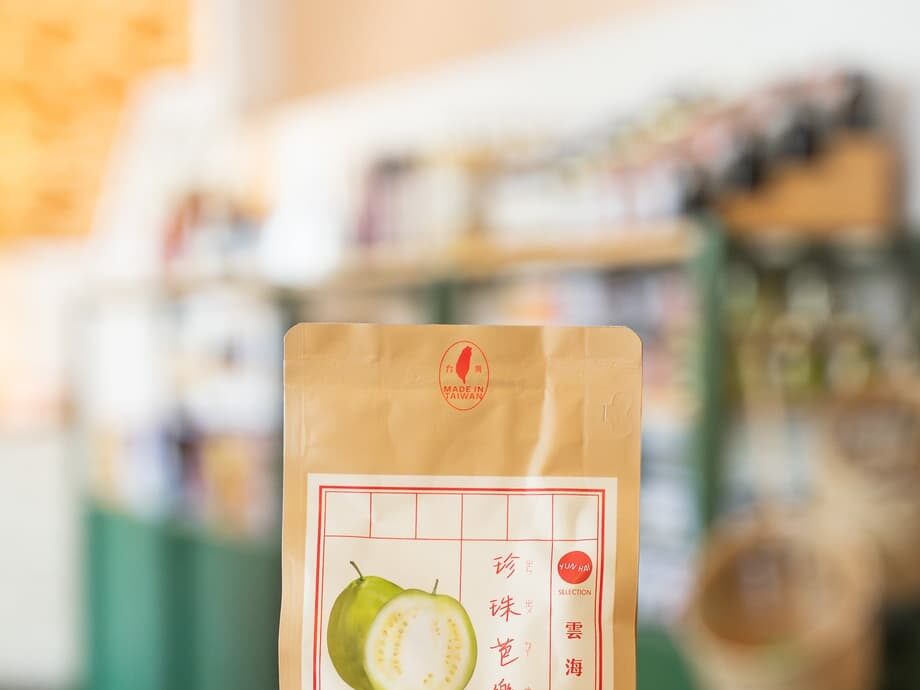
Taiwanese guavas are now on sale in Europe for the first time, marking a breakthrough for Taiwan growers and exporters. Shoppers in Amsterdam found crisp, pale green guavas from Tainan on display as city officials visited the Netherlands to showcase the fruit. The retail debut follows a June decision by the European Commission’s Directorate General for Health and Food Safety (DG SANTE) that cleared mangoes and guavas from Taiwan for entry into all 27 EU member states after they met plant health standards. That decision opened the door for Taiwanese orchards and packers to move from lab work and paperwork to a real test on European shelves.
- A new chapter for Taiwan fruit in Europe
- What exactly did the EU approve
- How Taiwan aligned with European sanitary rules
- From Tainan to Amsterdam, a hands on launch
- Why the Netherlands and France matter for distribution
- Demand outlook and competition
- Quality control and compliance risks
- What comes next for Taiwan produce in Europe
- Key Points
Officials did not disclose the size of the first shipment. Trade data through October 2025 did not yet list guava exports to Europe, a sign that initial volumes have been limited or delivered through pilot consignments. Even so, the fruit on sale in a market in Amsterdam shows that market access has moved beyond approvals to actual availability.
Tainan Mayor Huang Wei che said he was pleased to see guavas from his city reach European consumers and predicted strong interest among Taiwanese residents and students. Taiwanese shoppers traveled from the southern Netherlands for a taste of home, while others asked when additional varieties might arrive. Taiwan’s representative to the Netherlands, Tien Chung kwang, pointed to close economic ties and said the Netherlands can serve as a launch point for Taiwanese fruit across Europe.
What exactly did the EU approve
DG SANTE’s June decision ended a years long block on direct shipments of Taiwanese guavas and mangoes. The EU restricts imports from places with quarantine pests of concern, especially oriental fruit fly and melon fly. Taiwan submitted data and inspection protocols already accepted by Japan, South Korea, Australia, New Zealand, Canada, and the United States. With those measures in place, DG SANTE granted access for the two fruits to all EU member states. The decision recognizes that Taiwan can manage the risk of fruit fly movement through well defined treatments and strict inspection.
Why fruit flies matter to European regulators
Fruit flies can hitch a ride inside fruit. If eggs or larvae arrive in a shipment and survive, the pests can establish themselves and damage orchards far from the original source. That is why the EU requires evidence that any fruit that could host these insects is treated or certified to remove risk. The focus is on keeping pests out of European farms and preventing long term damage to the local fruit industry. For countries like Taiwan that grow mangoes and guavas, winning access depends on demonstrating that shipments arrive clean, monitored, and traceable.
What treatments and certifications are required
Under the approved protocols, mangoes from Taiwan must undergo vapor heat treatment at 46.5 degrees Celsius for at least 30 minutes, a process that eliminates eggs and larvae. For guavas, Taiwan’s inspection authority must verify that fruit are free of fruit fly infestation before export. Shipments require a phytosanitary certificate that confirms the treatment or inspection steps, and packinghouses must follow strict procedures to prevent any recontamination. These steps align with measures used for sales to Asia Pacific markets and North America, which helped persuade EU officials to grant access.
How Taiwan aligned with European sanitary rules
Taiwan’s agriculture authorities spent years refining a system that could stand up to European scrutiny. Inspectors monitor orchards for fruit fly activity, harvest fruit at stages less attractive to pests, and isolate export lots at certified packing facilities. Staff apply vapor heat or cold treatment where required and document every step, from orchard identification to final sealing for shipment. These records are the backbone of the phytosanitary certificate that travels with the fruit.
Experience in other strict markets helped. Mango shipments to Japan, South Korea, Australia, and New Zealand rely on vapor heat treatment that EU officials accept. Guava programs for the United States use rigorous cold treatment and inspection. By presenting results from these markets, Taiwan showed that its systems work at scale and can be applied consistently for Europe.
Officials say they will continue to develop methods for additional fruits. Tangerines, for example, still require more evidence to address concerns about citrus canker. The goal is to expand the list of approved items while keeping the risk of pest transfer at a minimum for every shipment.
From Tainan to Amsterdam, a hands on launch
After the EU green light, local leaders moved quickly to build visibility in Europe. Tainan Mayor Huang stopped in Amsterdam to join the first sale of Taiwanese guavas, handing out samples and speaking with customers. He also visited France earlier in the week to meet wholesalers at Rungis International Market near Paris, a key hub that supplies produce across the country. The message to buyers was simple: Taiwan can supply premium fruit and deliver consistent quality with proper certification.
Huang highlighted a seasonal roadmap, telling European contacts that pineapples can arrive in spring, mangoes in summer, and guavas in winter. He said pomelos are being prepared as a target for autumn exports. Alongside fresh produce, the Tainan delegation showcased snacks and pantry items such as dried fruit, shrimp crackers, buckwheat tea, and noodles. Those goods drew interest from distributors who focus on longer shelf life items.
At the Amsterdam event, Taiwanese residents made up a visible share of early buyers. One long time resident named Winnie said she was excited to see fruit from Taiwan in local stores and hoped to find mangoes and wax apples on future visits. Diaspora shoppers offer a ready made base of customers, which helps retailers gauge demand before widening displays to a broader audience.
Why the Netherlands and France matter for distribution
The Netherlands is a natural gateway for fresh food moving into the European Union. The country combines major seaports and air cargo capacity with experience in handling fast moving perishables. Dutch importers often serve as first receivers, distributing to retailers and wholesalers in Germany, Belgium, the Nordics, and beyond. Taiwan’s representative in The Hague noted that these strengths, matched with existing trade ties, can speed the rollout of Taiwanese fruit across the region.
France plays a different role as one of Europe’s largest consumer markets with a powerful wholesale network. Rungis International Market south of Paris houses thousands of traders, who supply supermarkets, restaurants, and specialty shops. Meetings there can reach a wide circle of buyers at once. This two country approach, testing retail in the Netherlands and courting wholesalers in France, gives Taiwan a path to gauge consumer response and build reliable routes to market.
Demand outlook and competition
Guava is still a niche fruit for many European consumers, but the niche is growing. Most guavas on European shelves originate in Central America and South America, although some arrive from Asia. Taiwan’s main export guava, often marketed as a crisp white flesh variety, offers a different texture and aroma compared with soft pink versions common elsewhere. That difference can help position Taiwan’s guava as a premium option for shoppers who want a crunchier bite and a cleaner finish.
Price and consistency will matter. Air freight brings speed but raises cost, so exporters may start with small volumes aimed at high margin channels such as specialty retailers and Asian supermarkets. If demand proves steady, importers can scale up and refine logistics to improve value. Taiwan’s Ministry of Agriculture has described plans for precision marketing, premium product positioning, and export incentives to support promotions with European retailers. Outreach can include food fairs, cultural events, and collaborations with overseas chambers of commerce to introduce the fruit to curious shoppers.
Competition will be strong. European buyers are accustomed to regular supply from Latin American producers, who ship large volumes and have long standing relationships. Taiwan’s challenge is to stand out on taste, presentation, and reliability. Early feedback from European traders who tried Tainan pineapple and guava was positive, and that helps open doors for trial programs at more stores.
Quality control and compliance risks
Winning EU access is only the first step. Keeping access depends on flawless execution. Fruit that shows signs of pest activity or fails documentation checks will be rejected and could trigger tighter scrutiny. That risk places a premium on orchard management, harvest timing, sanitation at packinghouses, and tamper proof sealing. Every box must match what is stated on the phytosanitary certificate, and traceability must be clear from farm to retailer.
Cold chain discipline also plays a role. Guavas need steady temperatures to arrive with the right texture and flavor. Exporters must coordinate with airlines, freight forwarders, and importers so that cooling is maintained from loading to store delivery. Training and audits help maintain these standards. Taiwan’s inspection agency plans to continue updating methods and documentation to reflect EU feedback and evolving rules, which should help reduce the chance of shipment issues.
What comes next for Taiwan produce in Europe
The Amsterdam sale is a starting point. Retailers and importers will watch sell through rates, customer reactions, and waste levels to decide how fast to expand. Mango season offers another window for Taiwan to prove its process, since the vapor heat protocol is clear and widely used in other strict markets. If volumes grow, exporters can work with Dutch and French partners to place fruit in more cities and widen to countries such as Germany, Belgium, and the Nordics.
Other fruits will follow at different speeds. Wax apples and pomelos have strong brand recognition among Taiwanese consumers abroad, but each item needs EU clearance or product specific agreements before large scale sales. Applications for citrus face extra scrutiny because of citrus canker rules. Taiwan’s guavas already sell in the United States, Canada, China, Hong Kong, Singapore, Malaysia, Brunei, and Palau, which supports the case that supply chains and quality controls are established. The EU opening adds one of the world’s largest consumer blocs to that list, and the first shelves in Amsterdam show that the door is now open.
Key Points
- EU health authorities approved imports of Taiwanese mangoes and guavas to all 27 member states in June 2025.
- Guavas from Tainan went on sale in Amsterdam, marking the first retail appearance of Taiwanese guava in Europe.
- Trade data through October 2025 did not yet list guava exports to Europe, which suggests initial volumes were small or pilot shipments.
- Mangoes require vapor heat treatment at 46.5 degrees Celsius for at least 30 minutes, while guavas must be certified pest free by Taiwan’s inspection authority.
- Promotional efforts included a launch event in the Netherlands and meetings with wholesalers at France’s Rungis International Market.
- The Netherlands offers a gateway for distribution, while France provides access to a large wholesale and retail network.
- Taiwan plans precision marketing, premium positioning, and incentives to build demand and distribution in Europe.
- Further approvals are being pursued for additional fruits, including citrus, while guavas and mangoes begin their rollout.