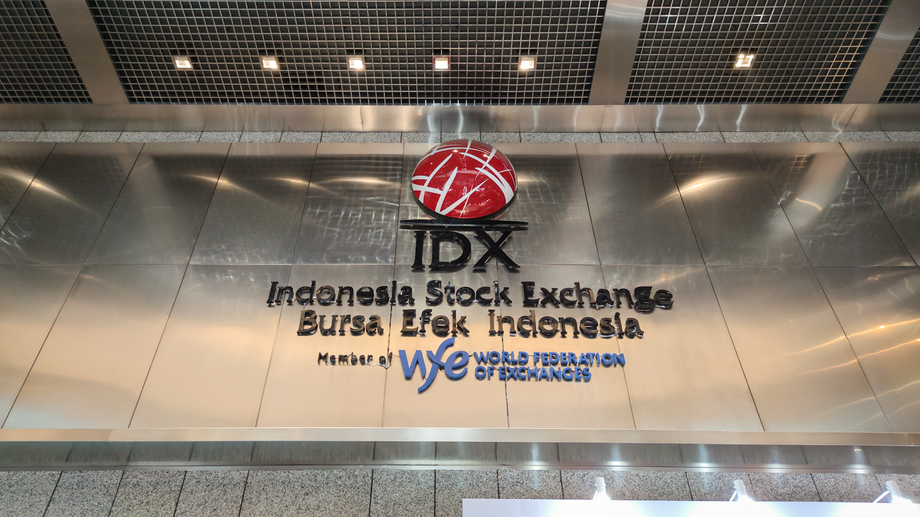
Market Turmoil Triggers Sweeping Investigation
Indonesian authorities have launched an extensive criminal investigation into alleged market manipulation and insider trading, freezing bank and securities accounts worth a combined Rp 674 billion (approximately $40 million) belonging to several stock brokerage firms. The enforcement action comes after a devastating report from global index provider MSCI Inc flagged transparency concerns and suspected coordinated transactions on the Indonesia Stock Exchange (IDX), triggering a market rout that erased roughly $74 billion in value from the bourse.
The MSCI report, released amid growing concerns about market integrity, sent shockwaves through Indonesia’s financial sector. The benchmark Jakarta Composite Index plummeted nearly 7% in the immediate aftermath, exposing vulnerabilities in the nation’s capital markets. The fallout proved severe enough to force high profile resignations, including IDX chief executive Iman Rachman and senior officials at the Financial Services Authority (OJK), Indonesia’s primary financial regulator.
Brigadier General Ade Safri Simanjuntak, director of special economic crimes at the National Police headquarters, confirmed the investigation’s scope.
The Criminal Investigation Agency is currently conducting a formal investigation into insider trading and fictitious trading practices in the capital market.
Inside the Alleged Schemes: Narada and Minna Padi
Police investigators have focused their attention on two major asset management firms suspected of orchestrating manipulation schemes involving mutual fund products and affiliated party transactions. The cases reveal complex networks where insiders allegedly controlled underlying assets through nominee structures and artificial trading patterns.
The Narada Asset Management Case
At Narada Asset Management, investigators discovered indications that underlying assets for certain mutual fund products consisted of project-related shares controlled by company insiders through extensive affiliate networks. Authorities suspect these transactions were deliberately structured to create false impressions of stock demand, causing market prices to diverge sharply from actual company fundamentals.
According to Brig. Gen. Ade Safri, capital market experts consulted by police confirmed that transactions conducted among affiliated parties can materially influence share prices and mislead investors about genuine market interest. This artificial demand creation represents a form of market manipulation where prices reflect coordinated trading rather than organic investor sentiment.
In the Narada investigation, police have questioned 70 witnesses and obtained expert opinions from capital market specialists. Two suspects have been formally identified: MAW, the firm’s president commissioner, and DV, president director of affiliated company Narada Adikara Indonesia. Authorities have frozen accounts worth approximately Rp 207 billion ($12.3 million) connected to this case.
The Minna Padi Investigation
Investigators are also probing Minna Padi Asset Management (MPAM) regarding suspected coordinated transactions involving shares used as underlying assets for mutual fund products. The alleged scheme involved MPAM’s mutual fund accounts and a shareholder identified as ESO, who maintains stakes in affiliated companies Minna Padi Investama and Sanurhasta Mitra.
Police allege the scheme operated by purchasing affiliated shares at artificially low prices, then reselling them to other mutual funds at significantly inflated prices to generate illicit profits. This circular trading among related entities creates the illusion of market activity while essentially transferring wealth between accounts controlled by the same underlying interests.
The MPAM investigation has examined 44 witnesses and consulted both criminal law and capital market experts. Three suspects have been named: MPAM president director DJ, the shareholder ESO, and ESO’s wife. Police have frozen 14 securities sub-accounts linked to MPAM and its affiliates, including six mutual fund sub-accounts holding a combined Rp 467 billion ($27.8 million) in assets under management.
Regulatory Framework and Enforcement Philosophy
The investigations have prompted Indonesian regulators to clarify their stance on market manipulation, commonly referred to locally as “fried stocks.” Hasan Fawzi, Acting Member of OJK’s Board of Commissioners and Chief Executive for Capital Market Supervision, explained that while no formal regulatory definition exists for the term, it encompasses abnormal price formation practices prohibited under Capital Market Law No. 8 of 1995.
The law clearly defines price manipulation in the market. Such actions fall under the category of criminal offenses.
Article 91 of the Capital Market Law explicitly prohibits any party from creating false or misleading impressions regarding trading activity, market conditions, or securities prices. This legal framework provides the foundation for both the criminal investigations and ongoing regulatory reforms.
Acting OJK Chair Friderica Widyasari Dewi stressed that strengthening enforcement against capital market violations represents a top priority, noting that manipulation practices prove particularly damaging to retail investors who may lack sophisticated analytical tools to detect artificial price movements. She stated during a Capital Market Dialogue at the IDX Main Hall:
The main example that we will strengthen enforcement on is the manipulation of stock transactions or the term that friends like to use is ‘fried (stocks)’ and also misleading information.
IDX Development Director Jeffrey Hendrik reinforced this position, noting that independent regulatory organizations will prosecute any activity aimed at manipulating share prices regardless of the perpetrator’s identity.
Market manipulation doesn’t target any specific group. Any party that manipulates prices in the market is committing a capital market crime.
Market Volatility and Retail Investor Risks
The manipulation cases have highlighted broader concerns about market volatility in Indonesia, particularly regarding speculative stocks lacking strong structural fundamentals. Analysts warn that such securities can make the Jakarta Composite Index more susceptible to sharp swings, triggering mass profit-taking when negative sentiment emerges.
The phenomenon often connects to limited disclosure practices, where dramatic price spikes sometimes follow coordinated buying calls distributed through social media channels, including influencer posts, without accompanying material information about the underlying companies. A recent example involved PT Diamond Citra Propertindo (DADA), whose shares surged in mid-January after Yudo Achilles Sadewa (son of Finance Minister Purbaya Yudhi Sadewa) posted on social media that he dreamed the stock could reach Rp 300,000.
The stock, initially trading at Rp 50, briefly hit the upper auto rejection limit at Rp 67 before plunging to the lower limit and closing back at Rp 50 the same day. DADA management later stated it was unaware of any material information that could explain the price movement, illustrating how social media speculation can create temporary market distortions unrelated to corporate performance.
Hasan Fawzi clarified that OJK will not single out particular stocks or ownership groups when investigating manipulation, focusing solely on whether criminal elements are present in trading patterns.
It’s not about whose shares it is. As long as the elements of a capital market crime are met, we will take action. Enforcing these provisions and laws is part of our capital market reform action plan, and we will implement it.
Additional Investigations and Structural Reform
Beyond the Narada and Minna Padi cases, police are examining at least one additional major securities firm. Authorities have searched the offices of PT Shinhan Sekuritas Indonesia in South Jakarta as part of an investigation into alleged manipulation connected to the initial public offering of PT Multi Makmur Lemindo (ticker: PIPA). This expanding probe suggests potential widespread issues across multiple segments of Indonesia’s capital market infrastructure.
The investigations have revealed complex patterns where underlying assets of mutual fund products originated from project shares controlled by internal parties through nominee networks and affiliate structures. These arrangements allowed insiders to maintain effective control while presenting the investments as arm’s length transactions to unsuspecting investors.
Market participants have debated whether stocks affiliated with major conglomerates and trading at potentially inflated valuations might also fall under increased scrutiny. However, regulators maintain that enforcement actions depend strictly on evidence of manipulative trading practices rather than ownership structures or valuation metrics alone.
The Bottom Line
- Indonesian police froze approximately $40 million (Rp 674 billion) in broker accounts while investigating alleged insider trading and market manipulation at major asset management firms.
- The probe follows an MSCI report that triggered a 7% market decline and $74 billion in losses, leading to resignations at the Indonesia Stock Exchange and Financial Services Authority.
- Investigators have identified suspects at Narada Asset Management (Rp 207 billion frozen) and Minna Padi Asset Management (Rp 467 billion frozen), involving alleged circular trading among affiliated entities.
- Regulators are clarifying that “fried stocks” (price manipulation) constitutes a criminal offense under Capital Market Law No. 8/1995, with enforcement targeting trading practices rather than specific ownership groups.
- The cases highlight risks for retail investors from artificial price formation and social media-driven speculation, prompting promises of stronger market oversight and reform.