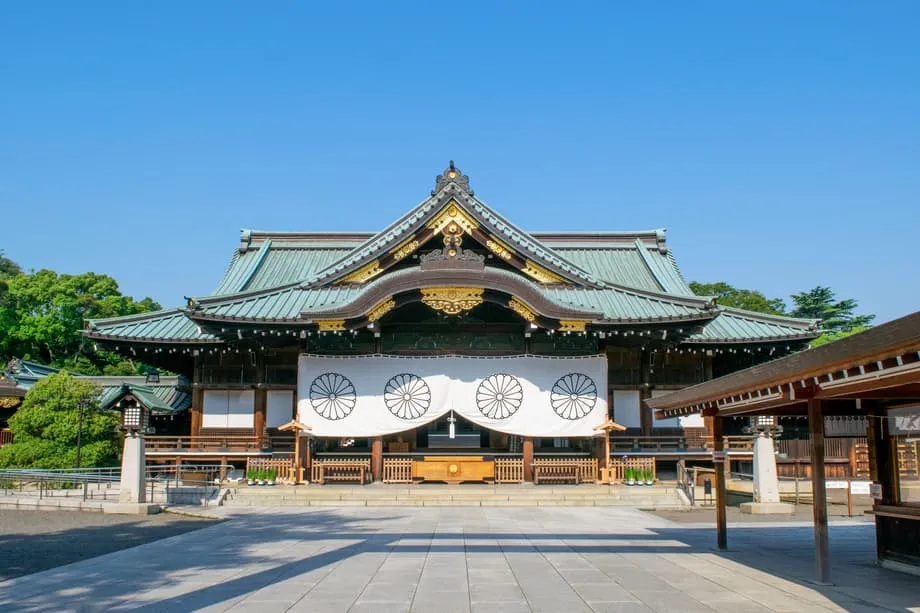
A January 31 Card Gathering Becomes a Diplomatic Flashpoint
The Pokémon Company canceled a trading card game event scheduled for January 31, 2026, at Tokyo's Yasukuni Shrine after criticism from Chinese social media users and state media. On January 30, the company issued apologies in Japanese and Chinese, acknowledging that the event listing had appeared on its official website because of failures in its checks.
Contents
- A January 31 Card Gathering Becomes a Diplomatic Flashpoint
- How the Listing Spread Across Chinese Social Media
- Why Yasukuni Carries Such Political Weight
- State Media Turned Anger Into a Market Warning
- What Pokémon Apologized For
- A Timeline of the Dispute and Its Wider Setting
- Taiwan, Travel and Films Added to the Strain
- Earlier Pokémon Connections to the Shrine
- The Review Problem Behind the Cancellation
- The Essentials
The venue brought the gathering into a dispute over Japan's wartime history. Yasukuni honors approximately 2.5 million Japanese war dead, including 1,066 people convicted of war crimes by Allied tribunals after 1945. Among them are 14 Class-A war criminals, including wartime Prime Minister Hideki Tojo, associated with directing Japan's aggression across Asia during the 1930s and 1940s.
The event was intended for children and families. According to the company's explanation, it was privately organized by people holding official Pokémon card game certifications, who could submit gatherings to the Pokémon Card Game Trainers Website. Its appearance on that platform gave the venue choice a connection to the global entertainment brand, even though individuals had planned the gathering.
By February 4, the controversy had brought together several disputes: how Pokémon checks community events, how Japan's neighbors remember its wars, and how companies operate across markets where the same place carries sharply different meanings. It also unfolded during worsening relations between China and Japan over Taiwan, travel and cultural exchanges.
The company said the event "should not have been held to begin with" and promised stricter review procedures. The cancellation stopped the planned gathering, while the apology addressed the wider anger caused by publishing it.
How the Listing Spread Across Chinese Social Media
Screenshots of the event notice circulated on Chinese social media, particularly Sina Weibo. The hashtag "Pokémon Yasukuni Shrine" accumulated 4.34 million reads within days, turning a community card gathering into a widely discussed controversy.
Chinese users objected to a brand popular among young people associating itself with a place they regard as honoring people responsible for wartime crimes against their ancestors. The children's focus of the event made the choice of venue especially sensitive.
A user posting under the name "HUA_ER_" received more than 2,600 likes for a message saying that any act ignoring historical truth or glorifying militarism would be nailed to the pillar of shame and despised by the public.
Huanqiu Jingtou, an account with more than 738,000 followers, argued that Japanese companies earning money in China while undermining Chinese interests showed no respect for history. The post asked whether what it called the world's largest anime intellectual property was trying to alienate, or lose entirely, the Chinese market.
The reaction put commercial pressure on Pokémon alongside the historical criticism. Users connected the company's access to Chinese consumers with expectations about how it should handle memories of Japan's wartime actions.
Why Yasukuni Carries Such Political Weight
Yasukuni Shrine stands near Tokyo's Imperial Palace. Founded by Emperor Meiji in 1869, it is a Shinto religious institution dedicated to the souls of people who died serving the Japanese emperor. Those commemorated died in conflicts stretching from the Boshin War of 1868 through World War II.
Many Japanese visitors go there to remember relatives who died in military service. For many people in China and South Korea, however, the shrine is a symbol of Japanese militarism and of what they regard as insufficient remorse for wartime atrocities.
The shrine's secret enshrinement of 14 Class-A war criminals in 1978 became central to that dispute. Enshrinement means honoring the dead within the shrine's religious practice. Their inclusion places the remembrance of ordinary war dead at the same institution as the commemoration of convicted wartime leaders.
China, South Korea and other countries subjected to Japanese occupation during the first half of the 20th century regard visits by Japanese politicians as deliberate provocations. Their objections refer to atrocities including the Nanjing Massacre, forced labor and the exploitation of women described as comfort women.
The shrine's museum also presents a revisionist interpretation of World War II, minimizing Japanese aggression and portraying the Pacific War as an act of self-defense against Western imperialism. That presentation helps explain why objections extend beyond the identities of those enshrined.
Yasukuni has been defaced several times in recent years by activists from China and South Korea. In May 2024, a Chinese man spray-painted the word "toilet" on a stone pillar after appearing to urinate on it.
For businesses, these competing views make the shrine a sensitive venue. A location that some domestic visitors see as a peaceful garden, a historical site or a place of family remembrance can be understood elsewhere in Asia as an endorsement of nationalism and historical revisionism.
State Media Turned Anger Into a Market Warning
Chinese state media broadened the criticism beyond the event itself. People's Daily, the official mouthpiece of the Chinese Communist Party, published an editorial warning that companies disregarding historical sensitivities could lose public support and business.
The editorial connected corporate responsibility with the weight of wartime memory:
Brands that disregard history and hurt the feelings of the Chinese people will ultimately be abandoned by the market. The relevant enterprises must accordingly take social responsibility and not make light of the heavy weight of history in the name of entertainment.
Global Times, a nationalist tabloid affiliated with the Communist Party, praised Chinese "young netizens" for spotting the listing. It described entertainment activities at the shrine as "an open affront to historical truth" and called holding events aimed at children there "even more egregious."
The topic circulated widely within China's highly regulated social media environment. Its ability to trend suggested official acceptance of the public anger, adding political weight to the pressure on Pokémon.
Chinese Foreign Ministry spokesperson Guo Jiakun had addressed the broader issue of historical memory at a press conference in December 2025. He said Japan should face squarely and deeply reflect on its history of aggression, take concrete action to show remorse for the crimes committed by Japanese militarists and respect for the victims, and avoid further compounding the wrongdoing.
His remarks preceded the Pokémon controversy. They reflected the wider diplomatic atmosphere in which it emerged. The year 2025 marked the 80th anniversary of the victory of the Chinese People's War of Resistance against Japanese Aggression and the World Anti-Fascist War, giving wartime remembrance particular prominence.
What Pokémon Apologized For
The Pokémon Company's January 30 statement acknowledged that its event publication process had failed. Certified players and organizers were allowed to post information on the official card game website, but the company said insufficient due diligence had allowed this listing through its verification procedures.
The company described publication as a mistake arising from a lack of understanding of the venue's historical significance. Its statement addressed both the decision to list the gathering and the response that followed.
The Pokémon Company said:
After the incident was discovered, the event was promptly cancelled. We sincerely apologise for the various reactions and opinions that have been generated as a result of this publication.
Publishing the apology in both Japanese and Chinese allowed the company to address Chinese consumers directly in their own language. It also reflected the reach of a controversy that had moved beyond the Japanese community event system.
The company pledged to fundamentally revise and strengthen its review and verification procedures, with stricter approval protocols intended to prevent similar incidents. It referred to its corporate motto of "connecting the world with Pokémon" and promised consideration for different perspectives among its global audience.
The event page subsequently returned a "404 Not Found" error. The certified player who submitted the listing reportedly removed the notice from his personal page, saying the event had been "forced to cancel."
No timetable was given for introducing the revised checks. The practical change promised by Pokémon was tighter control over which community events could appear on its official platform.
A Timeline of the Dispute and Its Wider Setting
The cancellation came after months of strain between Tokyo and Beijing. The sequence connects the immediate dispute over the card event with the political tensions surrounding it, while keeping the company's decisions distinct from government actions.
- November 2025: Japanese Prime Minister Sanae Takaichi suggested Japan could respond with its self-defense forces if China attacked Taiwan, prompting diplomatic retaliation from Beijing.
- December 2025: Chinese Foreign Ministry spokesperson Guo Jiakun called on Japan to reflect on its history of aggression and show remorse for wartime crimes.
- January 27, 2026: China's Foreign Ministry repeated warnings against travel to Japan. Flight tracking platform Flight Master disclosed the cancellation of all scheduled February flights on 49 routes between China and Japan.
- January 30, 2026: The Pokémon Company issued apologies in Japanese and Chinese and acknowledged failures in the review of the shrine event listing.
- January 31, 2026: The card gathering had been scheduled to take place at Yasukuni Shrine, but was canceled.
The sequence helps explain why the listing received attention beyond gaming communities. Pokémon's venue controversy arrived while travel, entertainment and security policy were already sources of friction between the two countries.
Taiwan, Travel and Films Added to the Strain
Takaichi's November remarks suggested that Japan might use its own self-defense forces in response to a Chinese attack on Taiwan. Taiwan governs itself, while Beijing claims it as sovereign territory.
Her comments departed from Japan's traditionally ambiguous approach to how it might respond to a Taiwan conflict. That approach had left the possible circumstances of Japanese involvement less explicit. Beijing reacted immediately through diplomatic retaliation.
China then urged its citizens to refrain from visiting Japan, citing serious safety threats. The Foreign Ministry repeated the warning on January 27, the same day Flight Master disclosed the February cancellations affecting 49 routes.
Chinese authorities also postponed the release of two popular Japanese films. Together, the travel warnings and film delays signaled that the political confrontation was reaching economic and cultural exchanges.
Takaichi had her own history with Yasukuni. Before becoming prime minister in October 2025, she visited the shrine regularly, although she had refrained from praying there since taking office.
Her political profile and the Pokémon listing added to Chinese concerns about a revival of Japanese nationalism. For entertainment companies, this atmosphere meant decisions about venues and cultural activities could receive scrutiny shaped by disputes far beyond their products.
Earlier Pokémon Connections to the Shrine
Pokémon had already faced criticism over Yasukuni in 2016, when the mobile game Pokémon Go designated the shrine as a gym. In the game, a gym is a virtual location where players can battle for control.
Chinese and Korean users objected to turning a site associated with war criminals into a place for game competition. Niantic, the developer of Pokémon Go, eventually removed the shrine's gym status following complaints.
Another controversy followed in 2019. Employees of Creatures Inc., a major Pokémon game developer affiliated with Nintendo, posted social media photographs of staff worshiping at Yasukuni to celebrate their first day of work.
The photographs carried celebratory messages about the visit. South Korean Pokémon fans reacted angrily, with many saying the employees' actions could hurt fans around the world. The episode renewed concern about the political leanings of companies behind the franchise.
The three incidents involved different activities: a virtual game location in 2016, employee photographs in 2019 and a certified organizer's card event listing in 2026. Each brought the Pokémon name into contact with the same contested place.
The Review Problem Behind the Cancellation
Pokémon's explanation placed responsibility on the checks between an organizer submitting an event and its publication on an official website. The company permitted certified people to propose gatherings, while its platform connected those gatherings to the brand.
The January listing exposed a recurring gap between local activity and international expectations. An organizer's choice of a Japanese venue could reach Chinese and Korean audiences almost immediately through screenshots, carrying historical meanings that extended beyond the intended game session.
The earlier Pokémon Go and Creatures incidents made the latest controversy more damaging to the company's message of connecting people across cultures and generations. Repeated associations with a place many regional consumers view as a symbol of unrepentant militarism create lasting risks in important Asian markets.
The promised approval changes therefore concern more than whether an event has the right date, organizer or game format. Pokémon's own apology identified understanding the venue as part of the review failure.
The cancellation resolved the immediate question of whether the January 31 gathering would proceed. The broader corporate task described in the apology was to make its event checks more attentive to the different historical experiences of the people who play its games.
The Essentials
- Pokémon canceled a card game event scheduled for January 31, 2026, at Tokyo's Yasukuni Shrine after criticism in China.
- The shrine honors approximately 2.5 million Japanese war dead, including 1,066 convicted war criminals and 14 Class-A war criminals.
- The event was privately organized by certified participants and appeared on the official Pokémon Card Game Trainers Website.
- The Pokémon Company apologized in Japanese and Chinese on January 30, acknowledged inadequate checks and promised stricter approval procedures.
- The Weibo hashtag "Pokémon Yasukuni Shrine" accumulated 4.34 million reads within days.
- The dispute followed earlier Pokémon controversies involving the shrine in 2016 and 2019.
- The backlash unfolded amid tensions over Taiwan, Chinese warnings against travel to Japan and postponed Japanese film releases.