Mass Layoffs Loom Before Vietnam’s Biggest Holiday
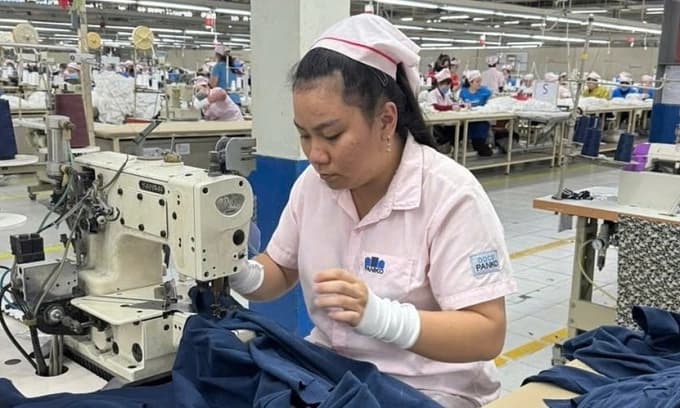
More than 2,700 workers at the Panko Vina garment factory in Ho Chi Minh City are confronting an abrupt end to their employment just weeks before Tet, the Lunar New Year and Vietnam’s most significant holiday. The closure, announced for mid-January, has thrown the lives of families into turmoil as they face the loss of year-end bonuses, jobs, and financial stability. The factory, a subsidiary of South Korea’s Panko Textile Group, has been a staple in the industrial landscape since 2003 but is now succumbing to prolonged financial difficulties and shrinking orders in the post-pandemic economy.
- Mass Layoffs Loom Before Vietnam’s Biggest Holiday
- Personal Stories of Anxiety and Hardship
- A History of Growth and Sudden Decline
- Official Response and Employment Promises
- Financial Support and Long-Term Concerns
- Historical Parallels and Worker Rights
- The Significance of the Tet Holiday in Manufacturing
- Looking Ahead: Recovery and Resilience
- The Bottom Line
The announcement comes at a particularly cruel time. In Vietnamese culture, Tet is not merely a vacation but a period requiring substantial financial outlay for travel, gifts, food, and new traditions. For industrial workers, the year-end bonus, often equivalent to a 13th-month salary, is crucial for covering these expenses. Without this financial cushion, the prospect of celebrating the holiday becomes bleak for thousands of families dependent on the factory.
Personal Stories of Anxiety and Hardship
The human cost of the corporate decision is palpable among the workforce. For 28-year-old seamstress Nguyen Thi Cam Thi, the news has been devastating. Nearly four months pregnant with her third child, she has barely slept since learning she will lose her job on January 15. Thi earns around VND7 million, or roughly $266, a month, which can approach VND10 million with overtime. This income supports her husband, who works freelance unstable jobs, and their two small children.
“I don’t know how to plan for Tet anymore,” Thi said. “There’s no 13th-month salary, and I’m pregnant. It’ll be hard to find a new job.”
Her concerns are echoed by coworker Le My Ten, who is more than five months pregnant. Ten had planned to work for several more months to save specifically for the costs of childbirth. Now, with the factory closing before she can accumulate those necessary savings, she faces a precarious future. The situation is particularly dire for pregnant workers and new mothers, as the labor union has indicated that more than 100 workers currently on maternity leave may not qualify for benefits if their insurance contribution periods fall short. Furthermore, many workers report that firms in the industry often hesitate to hire women with infants, creating a significant barrier to re-employment.
The Struggle of Veteran Employees
The uncertainty extends beyond those with immediate family needs to veteran employees who have built their lives around the factory’s existence. Vo Thi Hoa, 33, has spent 15 years with Panko Vina. Her family relied on two incomes from the garment factory to rent a room near the plant and send their children to nearby schools. Hoa had planned to use her year-end bonus to pay for Tet celebrations and school expenses.
“I never thought the closure would come right before Tet,” Hoa said. “Everything is uncertain.”
For long-term employees like Hoa, the shutdown represents not just a job loss but a dismantling of the community and stability they have relied on for over a decade. The emotional and logistical toll of relocating, finding new schools for children, and securing housing in a different area adds layers of complexity to an already stressful situation.
A History of Growth and Sudden Decline
Panko Vina’s presence in Vietnam dates back to 2003. At its peak, the company was a major player in the region’s manufacturing sector, operating three factories and employing over 8,000 workers. This made it one of the largest employers in the industrial zones of Ho Chi Minh City and the surrounding areas. However, the global economic landscape shifted dramatically due to the COVID-19 pandemic.
The pandemic caused severe disruptions to global supply chains and consumer demand, leading to a significant drop in orders for garment manufacturers worldwide. While demand has rebounded in some sectors, the garment industry has faced a slow and uneven recovery. Panko Vina attempted to navigate these challenges by seeking new investors. A potential takeover by a Hong Kong investor was in the works but collapsed at the last minute. This failure left the company with no choice but to halt operations and consolidate its remaining production at a facility in Da Nang.
Broader Industry Challenges
The struggles of Panko Vina are not isolated incidents but reflect broader trends in the global garment and textile industry. Major international brands like Nike and Adidas have previously reported production snarls due to factory shutdowns across Southeast Asia caused by COVID-19 restrictions. The industry remains highly sensitive to fluctuations in global demand, rising raw material costs, and shifting trade policies.
Furthermore, competition from other manufacturing hubs is intensifying. While Vietnam has been a preferred destination for many years, other countries are aggressively vying for market share. Recent changes in US tariffs, for example, have made Bangladesh a more attractive option for some buyers, leading to a surge in orders there that might have otherwise gone to Vietnam or China. This competitive pressure puts additional strain on factories operating on thin margins, making them vulnerable to sudden closures when orders dip.
Official Response and Employment Promises
Local authorities and labor organizations have moved quickly to mitigate the impact of the closure. Truong Van Phong, deputy manager of the Ho Chi Minh City Export Processing and Industrial Zones Authority, announced that seven businesses in the area have registered to recruit the displaced Panko Vina employees. These companies operate in diverse sectors including electronics, engineering, home interiors, and industrial manufacturing, and they currently have a demand for nearly 3,800 new employees.
This immediate demand offers a glimmer of hope for the affected workers. Representatives from these companies are expected to arrive at the Panko Vina facility within two weeks to conduct on-site interviews. The Ho Chi Minh City Federation of Labor is also actively connecting workers with other factories that have signaled interest in hiring. This rapid coordination suggests that while the transition is difficult, there are immediate employment opportunities available in the broader industrial zone.
Union Negotiations Secures Bonus
In a significant development following the initial announcement, the Panko Vina labor union successfully negotiated for better severance terms. The Korean parent company approved a payout of the 13th-month salary for all workers, a reversal of the initial plan which only offered a VND2 million, or approximately $76, support payment. Truong Van Phong confirmed that the bonus will be calculated based on each worker’s basic salary, which averages around VND7 million.
“This is practically an extra sum for workers to have a Tet celebration,” said Nguyen Thanh Hoang, Panko Vina’s union chairman.
Securing the 13th-month salary was a top priority for the union and workers. In addition to the bonus, Panko Vina has agreed to several other support measures. These include paying January 2026 salaries based on the new regional minimum wage, ensuring full benefits for pregnant employees or those on maternity leave, and assisting with social insurance procedures to facilitate a smooth transition to new employment. The company has also stated it has no outstanding wages or social insurance debts.
Financial Support and Long-Term Concerns
Under the company’s revised plan, workers will remain employed until January 15, 2026, while factory operations continue until January 31 to finish existing orders. From February 1, operations will halt completely. In addition to the 13th-month salary, workers will receive cash for unused annual leave and the VND2 million support payment, along with severance benefits as required by Vietnamese law.
While these measures provide immediate relief, workers are being advised to think strategically about their long-term security. The labor union has advised workers not to withdraw their social insurance prematurely. This is crucial to protect long-term benefits, especially if a new investor eventually takes over the factory site and resumes production. Premature withdrawal could result in the loss of accrued pension benefits or unemployment support later on.
Despite the employment promises from neighboring factories, there is anxiety about the transition. Moving from garment manufacturing to electronics or home interiors may require retraining or adjustment to different working conditions. Furthermore, while companies are hiring now, the stability of these new positions is unknown. For workers with young families, the risk of another sudden closure in the future is a heavy burden to bear.
The timing of the closure exacerbates the financial strain. Tet is traditionally a time for spending, not austerity. Families are expected to buy new clothes, purchase special foods, pay off debts, and give lucky money to children. Without the expected year-end bonus, workers must deplete their limited savings or go into debt to meet these cultural obligations. This creates a cycle of financial vulnerability that extends well beyond the holiday period.
Historical Parallels and Worker Rights
The situation at Panko Vina draws uncomfortable parallels to past incidents in Vietnam’s industrial sector. There have been previous cases where foreign employers, including some from South Korea, have abruptly left the country or shut down factories around the Tet holiday, sometimes leaving workers without pay or bonuses. In 2018, workers at the Texwell Vina Company in Dong Nai province were in a similar crisis when South Korean employers reportedly left Vietnam without paying January salaries just before Tet.
Historically, the period leading up to Tet has often seen labor unrest in Vietnam. Workers have staged strikes to demand higher wages and better bonuses, knowing that employers are often under pressure to maintain production levels before the holiday break. In 2022, thousands of workers staged nearly 30 strikes throughout Vietnam ahead of the Lunar New Year, demanding higher wages and other benefits. The VGCL, Vietnam’s main trade union, noted that while workers often expect a holiday bonus and pay raise, dissatisfaction with modest offers can lead to industrial action.
The Role of Labor Unions
The response from the Ho Chi Minh City Federation of Labor and the factory-level union at Panko Vina highlights the evolving role of organized labor in protecting worker rights. Unlike some historical instances where unions were criticized for being passive or ineffective, the Panko Vina union appears to have been proactive in negotiating terms. They successfully pushed for the 13th-month salary and are continuing to advocate for additional support, such as at least three months’ minimum wage in aid and extra help for pregnant workers.
This advocacy is vital in a sector where workers often have limited bargaining power individually. The collective voice of the union ensures that the concerns of the most vulnerable, such as the pregnant workers and those with long tenure, are heard and addressed. The union’s advice regarding social insurance further demonstrates a commitment to the long-term welfare of the workers rather than just a short-term settlement.
The Significance of the Tet Holiday in Manufacturing
To fully grasp the gravity of a pre-Tet closure, one must understand the cultural and operational importance of the holiday in Vietnam. Tet is the most important festival in Vietnamese culture, comparable to Christmas in the West or the Lunar New Year in China. It is a time for family reunions, ancestral worship, and resetting the calendar year.
From a manufacturing perspective, Tet triggers a nationwide slowdown. Factories typically close for 10 to 14 days, though the effective shutdown period can be longer as operations ramp down beforehand and take time to restart afterward. According to industry experts, most factories stop accepting new purchase orders by early February, operate with limited staff in the days leading up to the holiday, and only return to full capacity in early March as workers return from their hometowns.
For brands and manufacturers, this period requires meticulous planning. Samples must be approved, and deposits paid months in advance to avoid delays. For the workers, however, the holiday represents the culmination of a year’s labor. The year-end bonus is traditionally seen as a rightful reward for that labor, essential for funding the holiday expenses and settling debts accumulated throughout the year. Losing this bonus is tantamount to losing a significant portion of one’s annual income.
Looking Ahead: Recovery and Resilience
Despite the immediate gloom, there are pathways forward for the displaced workers. The robust demand for labor in the surrounding industrial zones suggests that many will be able to find new employment relatively quickly. The diverse range of industries hiring, from electronics to home interiors, may even offer workers a chance to upskill or move into sectors with potentially better long-term prospects than garment manufacturing.
The Vietnamese government has a strong interest in maintaining social stability and protecting the workforce, which is a key driver of the country’s economy. The swift intervention by local authorities to arrange recruitment drives is a testament to this commitment. While the transition is painful, the systemic support mechanisms in place, from the labor union negotiations to the job fairs, provide a safety net that was perhaps less developed in previous decades.
For the Panko Vina workers, the coming weeks will be a test of resilience. The countdown to closure is weighing heavily, but the secured 13th-month pay and the promise of new jobs offer a lifeline. As they navigate rent, food costs, and the holiday expenses, the community spirit among the workers, supported by the union and local government, will be crucial in helping them weather this storm and emerge ready for the new year.
The Bottom Line
- Panko Vina, a Korean-owned garment factory in Ho Chi Minh City, will close in mid-January, affecting over 2,700 workers just weeks before the Tet holiday.
- Workers initially faced the prospect of no year-end bonus, but union negotiations successfully secured the 13th-month salary payout for all employees.
Local authorities have coordinated with seven neighboring businesses to hire the displaced workers, with a demand for nearly 3,800 new employees in electronics, engineering, and other sectors.
Pregnant workers and those on maternity leave are among the most vulnerable, facing potential benefit gaps and hiring discrimination, though the union has secured additional protections for them.
The closure highlights broader challenges in the post-COVID garment industry, including shrinking orders, supply chain disruptions, and increased competition from other manufacturing hubs.