Travelers Accelerate Plans to Avoid Aviation Cost Surge
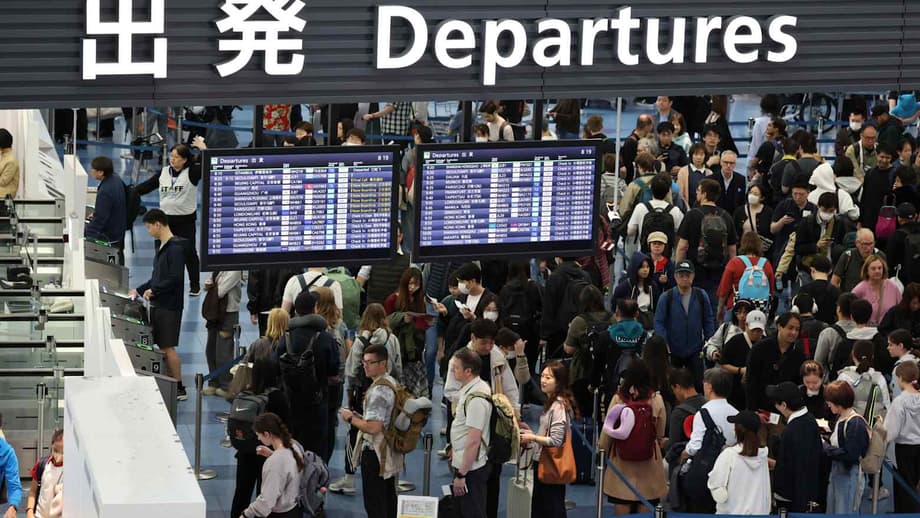
More than half a million Japanese travelers are preparing to head overseas during the upcoming Golden Week holiday period, strategically shifting their vacation schedules to avoid anticipated increases in airline fuel surcharges during the summer months. This wave of early international departures represents a significant shift in travel behavior as passengers seek to lock in lower prices before carriers adjust their fees in response to rising global oil costs.
The exodus comes as Japanese workers prepare to observe one of the nation’s most important annual holiday periods, traditionally spanning from April 29 through May 5. During this window, which encompasses several consecutive public holidays, airports across Japan typically experience their busiest international traffic volumes of the spring season. Travel agencies report that bookings for this period have surged 20% above last year’s figures as families accelerate plans that might otherwise have waited for the summer school holidays.
The Cultural Significance of Golden Week
Golden Week, known in Japanese as Ōgon Shūkan or Haru no Ōgata Renkyū (Long Spring Holiday Series), stands as one of Japan’s most anticipated annual breaks. Despite its grand name, only four days within this period carry official public holiday designation. However, corporate culture and travel traditions have evolved so that most workers take the entire week off, creating an extended vacation window that rarely occurs elsewhere in the Japanese calendar.
The holiday cluster includes Showa Day on April 29, Constitution Memorial Day on May 3, Greenery Day on May 4, and Children’s Day on May 5. These consecutive breaks create a rare opportunity for Japanese families to plan international travel without exhausting their limited annual leave allowances. Many businesses observe closures from May 3 through May 6, effectively granting workers nine consecutive days off when combined with weekends.
This concentration of leisure time transforms Japan’s transportation infrastructure. Domestic highways clog with vehicles as urban residents return to ancestral hometowns, while international terminals at Narita and Haneda airports process record passenger volumes. Travel agencies report that booking patterns during this period often serve as economic bellwethers for the entire tourism sector, with Golden Week performance influencing annual revenue projections for many travel-related businesses.
Understanding Aviation Fuel Surcharges
Fuel surcharges represent additional fees that airlines impose on tickets to offset volatile jet fuel costs. Unlike base fares, which remain relatively stable, these supplemental charges fluctuate based on global oil market indices and carrier-specific hedging strategies. Most major international airlines review and adjust these fees quarterly, with significant increases typically announced for peak summer travel periods when demand surges and crude oil prices often climb.
The mechanics behind these charges involve complex calculations. Airlines monitor Singapore kerosene prices, the regional benchmark for jet fuel in Asia, along with West Texas Intermediate and Brent crude indices. When these benchmarks exceed predetermined thresholds established in airline pricing algorithms, carriers pass portions of these increased operational costs to consumers through automated surcharge adjustments. Japanese carriers typically announce surcharge revisions one month in advance, giving travelers a narrow window to book before increases take effect.
For transpacific routes connecting Japan to North America or European destinations, fuel surcharges can add substantial sums to ticket prices. On long-haul international flights, these fees sometimes reach several hundred dollars per passenger, particularly during summer months when aviation fuel demand peaks globally. Business travelers and families booking multiple seats feel these increases acutely, as the charges apply per person regardless of age or ticket class. Current industry projections suggest summer surcharges could increase by 30 to 50 percent compared to spring levels, driven by refining capacity constraints and geopolitical supply concerns.
The Economic Logic of Early Departure
Travel industry analysts note that the current surge reflects sophisticated consumer awareness of airline pricing structures. By completing international travel during late April and early May rather than waiting for July or August holidays, Japanese tourists avoid the dual impact of seasonal base fare increases and anticipated fuel surcharge hikes. This timing strategy allows travelers to leverage Golden Week’s natural break while sidestepping summer’s premium pricing tiers.
The mathematics prove compelling for budget-conscious families. A family of four traveling to Hawaii or the continental United States might save between $400 and $800 by flying in late April rather than mid-July, solely through avoided fuel surcharge increases. When combined with lower base fares typical of shoulder-season travel, total savings can exceed $1,000 per household, justifying the use of precious Golden Week vacation days for international rather than domestic itineraries. Popular destinations including Guam, Saipan, and Southeast Asian resort areas are seeing particular demand spikes as travelers seek value before summer rates commence.
Corporate travel departments have also adjusted policies, encouraging business travelers to complete international assignments during the Golden Week window when possible. The weak yen, which has made overseas travel more expensive in recent years, adds additional pressure to maximize savings through strategic timing. By frontloading annual travel budgets into April and May, companies can reduce overall transportation expenditures while still maintaining international operations.
Implications for the Travel Industry
This shift in travel patterns creates operational challenges for airlines and hospitality providers. Hotels in domestic resort areas, which typically rely on Golden Week for substantial annual revenue, may see reduced occupancy as residents choose international destinations instead. Popular domestic locations such as Okinawa, Hokkaido, and the Izu Peninsula are reporting softer advance bookings compared to previous years, prompting some resorts to offer promotional rates to attract remaining domestic travelers.
Conversely, overseas hotels popular with Japanese tourists are adjusting staffing levels and inventory management to handle the concentrated influx during the first week of May rather than the traditional summer peak. Hawaiian hotels, perennial favorites among Japanese travelers, have increased Japanese-language concierge services and modified dining options to accommodate the earlier-than-expected arrival of high-spending tourists. Airlines serving Pacific routes are deploying larger aircraft on key corridors during late April to meet demand without disrupting summer scheduling.
Aviation fuel market volatility continues to drive uncertainty in pricing forecasts. While crude oil prices have shown recent stability, geopolitical tensions in major producing regions and seasonal refinery maintenance schedules suggest potential spikes during the June through August period. Airlines have signaled that unless fuel costs decline significantly, they will implement substantial surcharge increases effective July 1, making the current Golden Week window particularly attractive for cost-sensitive travelers. Industry experts suggest that carriers may adopt dynamic surcharge models that adjust monthly rather than quarterly, potentially eliminating the advance booking advantages that currently benefit early travelers.
Broader Economic Context
The travel rush occurs against a backdrop of cautious consumer spending in Japan. While the yen has shown weakness against the dollar and euro, making overseas travel more expensive in local currency terms, many Japanese travelers prioritize experiences over material goods. This shift in consumption patterns, combined with post-pandemic revenge travel sentiment, has created resilient demand for international tourism despite economic headwinds. Department store sales and luxury goods purchases have stagnated, but travel agency revenues continue climbing as households reallocate discretionary spending toward international experiences.
Government tourism statistics indicate that outbound Japanese travel has recovered to approximately 85% of pre-pandemic levels, with Golden Week representing a critical testing ground for full recovery. Airports are implementing enhanced security screening and immigration processing capabilities to handle the passenger volumes, while travel insurance providers report increased policy sales covering trip cancellation and medical emergencies abroad. The Japan Tourism Agency has coordinated with international partners to ensure adequate consular support for the unprecedented number of citizens traveling simultaneously.
At a Glance
- Over 500,000 Japanese travelers are expected to fly overseas during the Golden Week period from April 29 to May 5
- Fuel surcharges on international flights are anticipated to rise significantly for the summer travel season beginning in July
- Golden Week combines four public holidays into an extended break lasting approximately one week
- Travelers can save several hundred dollars per family by avoiding summer fuel surcharge increases
- Domestic resort areas may see reduced Golden Week occupancy as travelers choose international destinations
- Airlines and hotels are adjusting operations to accommodate concentrated demand during late April and early May