A Small Dog’s Big Journey
When a Chihuahua was spotted darting through traffic near Gupabal Station in Seoul, her story began as a fleeting concern for passersby. Weeks later, that same dog, now named Charm, found herself at the center of a much larger narrative about South Korea’s animal rescue system. Her journey from a busy street to a foster home in Pyeongtaek, coupled with an unexpected pregnancy, highlights the complex challenges facing volunteers, shelters, and policymakers in a country where pet ownership is soaring but infrastructure lags behind.
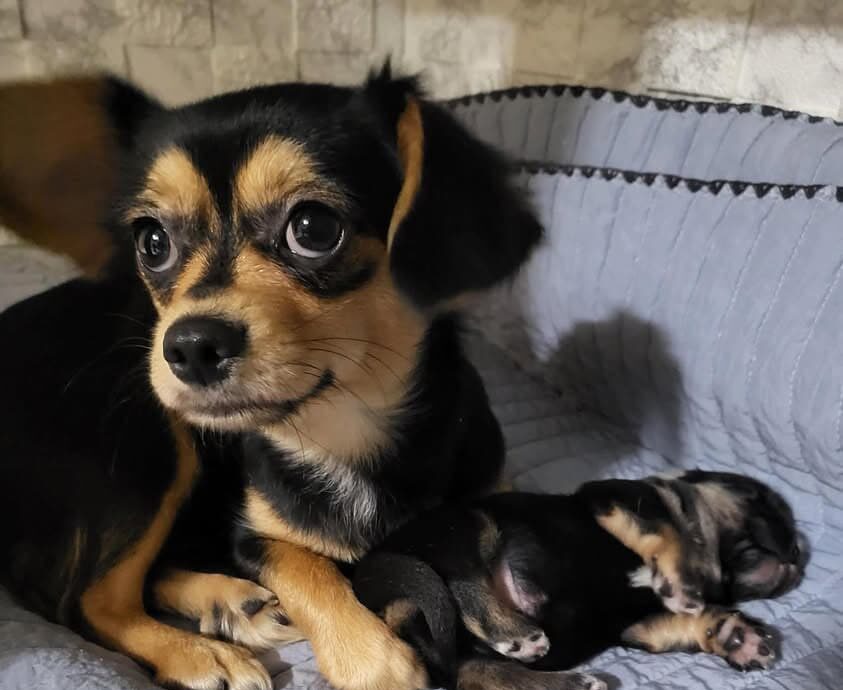
Charm’s rescue mobilized a community that spanned continents. A concerned reader in Texas launched a GoFundMe campaign after seeing a Korea Herald article about the frightened dog. The campaign aimed to pull Charm from a government-designated shelter where she faced potential euthanasia if unclaimed. This individual action sparked a chain reaction that ultimately saved not just one life, but two, as Charm gave birth to a puppy while in foster care.
The story illustrates how individual compassion can intersect with systemic issues. South Korea has seen pet ownership rates skyrocket in recent years, with nearly 30% of the population owning pets according to a KB Financial Group report. Yet this surge has created pressure on a shelter system already struggling with limited resources, overcrowding, and rising costs. Charm’s case became a lens through which to examine these broader challenges.
Inside the Rescue Operation
Rebel Rescue South Korea, a volunteer-run organization founded by military spouses, stepped in to save Charm after her story gained attention online. The group, which operates a shelter in Pyeongtaek and cares for around 50 dogs at any given time, works primarily through a network of foster homes. Robin Lucas, president of Rebel Rescue, explained that the decision to intervene wasn’t automatic but required navigating formal shelter procedures.
“I contacted my volunteers in Korea because a particular shelter she went to, KARMA, is a kill shelter, and I had rescue dogs from there before,” Lucas said. “One of my volunteers was selected through that process, which allowed us to take her out of the shelter.”
KARMA, the Korea Animal Rescue & Management Association, represents one of Seoul’s designated large animal shelters where rescued animals follow standard adoption procedures. If unclaimed within a certain period, they may be euthanized—a system that has led private rescue groups to refer to them as “kill centers.” While animals in these facilities are technically available for public adoption, rescue groups often step in when concerned that adoptions won’t materialize in time.
The process highlights a critical gap in the system. Municipal shelters operate under strict timelines and resource constraints, while private rescues like Rebel Rescue rely entirely on volunteer labor and donations. This divide creates situations where animals’ lives depend on the timely intervention of small, underfunded organizations filling gaps left by public infrastructure.
Charm’s eventual rescue on November 24—19 days after her initial capture—demonstrates the often-protracted nature of these operations. The time-sensitive nature of such rescues adds urgency to an already stressful situation for volunteers who must constantly weigh limited resources against immediate needs.
The Paradox of Pet Ownership in Korea
South Korea’s relationship with pets presents a stark contradiction. As of December last year, more than 15 million people owned pets, driving a booming pet industry where consumer trends like pet strollers have outsold baby strollers for the first time. This cultural shift reflects changing attitudes toward animals as companions rather than property.
Yet this increased affection has coincided with rising abandonment rates. In just one month—from February 5 to March 5—a total of 2,269 dogs and cats were registered at public shelters nationwide, averaging 75 animals per day. Common reasons for surrender include potty training issues, chewing, shedding, and simply losing interest when a breed goes out of fashion.
Behavioral issues play a significant role in these abandonment decisions. A study of 174 South Korean dog owners published in the Journal of Veterinary Behavior found that 84.5% reported their dogs exhibited at least one behavior problem. The most common issues included excessive barking (47.1%), inappropriate elimination (40.8%), aggressive behavior (35.6%), fearfulness (29.9%), and separation anxiety (27.6%).
The research revealed interesting correlations between management practices and behavioral outcomes. Dogs receiving regular obedience training showed fewer inappropriate elimination issues, while those left alone for extended periods displayed more problematic behaviors. These findings suggest that many surrender cases might be preventable with better owner education and accessible training resources.
Meanwhile, the shelter infrastructure has deteriorated even as demand has grown. The number of public animal shelters fell from 269 in 2021 to 228 in 2023, intensifying overcrowding at remaining facilities. Rising care costs have added further strain, with the average expense of caring for a rescued animal at a public shelter reaching 435,000 won ($300) last year—a 31.4% increase from the previous year.
The Financial Reality of Rescue
The financial challenges of animal rescue extend beyond basic care. Free Korean Dogs reports that rescuing a single dog from a dog meat farm can cost between $2,000 and $4,000 in immediate expenses, with ongoing monthly costs of $500 to $1,000. These figures help explain why so many organizations operate on the brink of sustainability, constantly fundraising to meet basic needs.
For Yoo Han-mi, a longtime volunteer handling medical transport, fostering, and nursing, the strain is constant. “Medical costs are enormous. Volunteers are few,” she said. “Some shelters want to save more animals but just don’t have the conditions to do so. One more rescue always means one more space, one more medical bill, one more person.”
This resource pressure forces difficult choices. Free Korean Dogs notes that 20-30% of dogs rescued from dog meat farms are ultimately euthanized due to behavioral concerns or complicated medical issues. The reality is that shelters simply lack the space, resources, and finances to sustain the overwhelming number of homeless dogs, even when they have the best intentions.
The situation mirrors trends seen in other countries. The ASPCA reports that approximately 607,000 animals were euthanized in U.S. shelters in 2024, though this represents a decrease from previous years. Both countries face similar challenges: animals staying longer in shelters, increasing proportions with medical and behavioral needs, and limited adoption capacity.
The Dog Meat Ban and Its Unintended Consequences
South Korea’s recent decision to phase out the dog meat industry by 2027 marks a significant shift in animal welfare policy. The ban represents a cultural milestone, with consumption rates already declining—only 8% of respondents in a 2024 government poll said they had tried dog meat in the previous 12 months, down from 27% in 2015.
However, this progress has created new challenges. The BBC reports that an estimated 500,000 dogs currently remain on dog meat farms, many facing uncertain futures as the shutdown deadline approaches. Farmers like Chan-woo, who has 18 months to rehome 600 dogs, describe a hopeless situation with no clear solutions.
“Realistically, even just on my farm, I can’t process the number of dogs I have in that time,” Chan-woo told the BBC. “At this point I’ve invested all my assets into the farm—and yet they are not even taking the dogs.”
The rehoming process faces multiple obstacles. Meat farms typically favor larger breeds, while urban South Koreans prefer smaller dogs suitable for apartment living. Additionally, dogs from meat farms carry social stigma related to disease and trauma concerns. Some breeds, like the Tosa-inu, are classified as “dangerous” and require special permits to keep as pets.
These challenges have led to a grim reality: countless dogs rescued from slaughter may now face euthanasia due to lack of space and resources. As one farmer noted, “Since the law was made according to the demands of these groups, I assumed they had also worked out a solution for the dogs. But now I hear that even the animal rights groups say euthanasia is the only option.”
International Adoption as a Solution
Faced with these domestic limitations, many organizations have turned to international adoption programs. In May 2025, Humane World for Animals transported 50 dogs rescued from a South Korean dog meat farm to the United States, with an additional 17 mothers and puppies to follow once old enough to travel.
Korean American actor Daniel Henney, who participated in the rescue and adopted a survivor named Juliette, emphasized the symbolic importance of these efforts. “South Korea is embracing a new chapter where dogs are our friends not food,” Henney said. “That couldn’t make me more thrilled.”
These international programs serve as a pressure valve for an overwhelmed system, but they come with their own challenges. Flight restrictions during the COVID-19 pandemic significantly hampered transport capabilities, while cargo flights cost significantly more. Free Korean Dogs reports that transporting large dogs by cargo can exceed $7,000 per animal, making international adoption prohibitively expensive for many cases.
Despite these hurdles, international adoption remains a critical lifeline. Hwak has rehomed almost 2,800 dogs from South Korean meat farms since 2015, primarily through overseas placements. This global network of adopters provides opportunities that simply don’t exist within South Korea’s current adoption infrastructure.
The Human Element of Animal Rescue
Beyond statistics and systems, animal rescue is fundamentally about human relationships—with each other and with the animals they serve. The story of Horangi, a Jindo mix adopted from Korea, illustrates the long-term commitment often required by rescue animals. His owner, an experienced dog person, describes years of patient work to overcome the dog’s trauma, including separation anxiety, food guarding, and fear-based aggression.
“Anxiety is such a part of so many rescue dogs that have been abused and/or let down by humans,” Horangi’s owner wrote. “They deserve better. I would never give up on Horangi. He is mah boy! We go forward together, step by step, day by day, until the end.”
This dedication represents both the beauty and the burden of rescue work. Academic research published in Cultural Anthropology examines the concept of “interspecies pity” and the often-invisible labor involved in animal care. The emotional toll on caregivers, combined with the challenges of resource allocation, creates a complex ethical landscape that rewards and drains volunteers in equal measure.
For Kikki Tso, a volunteer with Rebel Rescue and a military spouse, the visibility of individual stories like Charm’s helps sustain the broader effort. “Her story is sad, but it’s also hopeful,” Tso said. “I hope people see that the dogs and cats you see are worth saving—and that shelters and rescues play an important role in making that possible.”
This sentiment reflects a growing recognition that animal welfare requires more than just sympathy—it demands systemic change, sustained funding, and cultural shifts in how society views and cares for its most vulnerable members.
Building a Sustainable Future
Policymakers and advocacy groups have explored various measures to address South Korea’s animal welfare challenges. Proposals have ranged from expanding public awareness campaigns and strengthening registration requirements to more controversial ideas like a “pet tax” aimed at discouraging irresponsible ownership. While such initiatives have sparked public backlash, they reflect growing awareness that abandonment cannot be solved through shelters alone.
The recent dog meat ban represents perhaps the most significant policy shift, but its implementation highlights the importance of comprehensive planning. As Chun Myung-Sun, an associate professor at Seoul National University, noted, “There needs to be a concrete discussion about how to ‘dispose’ of the dogs. Both adoption and euthanasia should be on the table. If we’ve gone to the effort of rescuing dogs from cruel slaughter only to euthanise them, it’s understandable that people would feel heartbroken and angry.”
The government has allocated approximately 6 billion won ($4.3 million) annually to expand animal shelters and support private facilities, offering up to 600,000 won ($450) to farmers who shut their businesses early. However, many advocates argue this funding remains insufficient given the scale of the challenge.
Broader conversations around animal rights continue to gain momentum, with public attitudes shifting toward greater compassion and protection. This cultural evolution provides hope for systemic change, but the gap between intention and infrastructure remains wide in the interim.
Community Mobilization and Hope
Charm’s story ultimately offers a case study in how community action can address immediate needs even as larger systems lag behind. Ann-Marie Villarose’s GoFundMe campaign raised enough money to cover Charm’s rescue, veterinary care, and foster placement. The appeal drew donations from both Korea and abroad, demonstrating the power of digital connectivity to mobilize resources across borders.
This type of grassroots response has become increasingly common. Humane World for Animals has leveraged mass media to shape public opinion and inform people about animal cruelty, using strategies that include public service announcements, media partnerships, and social media campaigns. These efforts help create the cultural conditions necessary for policy change while providing immediate assistance to animals in need.
For individual animals like Charm and her puppy, these interventions make all the difference. But volunteers and advocates emphasize that sustainable solutions require more than isolated rescues—they demand systemic reform, adequate funding, and cultural shifts in how society values and cares for animals.
As South Korea continues its journey toward improved animal welfare, stories like Charm’s serve as both inspiration and reminder of the work still ahead. The path forward will require collaboration between government agencies, private organizations, international partners, and concerned citizens—all united by the belief that every animal deserves a chance at a better life.
The Bottom Line
- Charm the Chihuahua’s rescue from Seoul streets mobilized international support through a GoFundMe campaign and volunteer coordination.
- South Korea’s pet ownership has surged to 30% of the population, but shelter capacity has decreased from 269 facilities in 2021 to 228 in 2023.
- Behavioral issues like excessive barking and separation anxiety contribute significantly to pet abandonment, with 84.5% of dogs in one study exhibiting at least one problem behavior.
- The 2027 dog meat ban has created a crisis for an estimated 500,000 dogs on farms, with limited domestic adoption options and insufficient shelter capacity.
- International adoption programs have become essential for rehoming thousands of dogs, though transportation costs remain prohibitive for many cases.
- Volunteer-run organizations like Rebel Rescue South Korea fill critical gaps in the public shelter system through foster networks and community fundraising.
- Proposed solutions include pet taxes, strengthened registration requirements, and increased public funding, but cultural attitudes toward animal welfare continue evolving.