A Triumph of Human Spirit Against All Odds
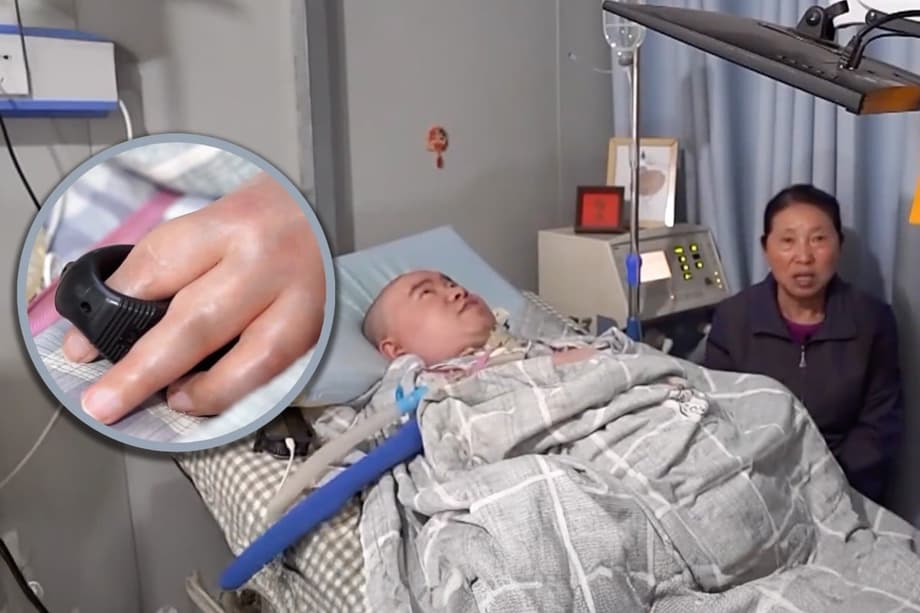
In the bustling city of Chongqing, southwestern China, a remarkable story of determination and technological innovation has captured the hearts of millions. Li Xia, a 36-year-old man living with severe muscular dystrophy, has achieved what many would consider impossible. Despite being completely paralyzed and able to move only one finger and one toe, Li has developed a fully functional smart farm control system and founded a profitable start-up business. His journey from a fifth-grade dropout to a tech entrepreneur represents one of the most inspiring tales of resilience in recent memory.
- A Triumph of Human Spirit Against All Odds
- The Darkest Hours: A Brush with Death
- The Technical Achievement: Building a Smart Farm System
- A Mother’s Devotion: The Hands Behind the Vision
- From Concept to Profit: A Business Takes Shape
- The Broader Impact of Smart Agriculture
- A Nation Inspired: The Power of Resilience
- Understanding Muscular Dystrophy: The Medical Context
- The Future: Expansion and Innovation
- Lessons in Perseverance and Innovation
- The Bottom Line
Li’s condition confines him to bed and requires constant ventilator support. Yet within these physical constraints, his mind has soared to create something extraordinary. By combining self-taught programming skills with Internet of Things (IoT) technology, Li has revolutionized traditional farming methods and built a successful business that generates real income. His story has resonated deeply across China and beyond, proving that physical limitations need not restrict human potential.
The Early Years: A Life Transformed by Illness
Muscular dystrophy entered Li’s life at the tender age of five. This genetic disorder causes progressive weakness and loss of muscle mass throughout the body. For Li, the diagnosis meant a childhood fundamentally different from his peers. The progressive nature of the disease eventually forced him to leave school in the fifth grade, ending his formal education far too soon.
However, the end of formal schooling did not mark the end of Li’s education. Instead, it sparked a remarkable journey of self-directed learning. Without teachers or classrooms, Li discovered that studying became his anchor in life. He developed an intense fascination with physics and computer science, subjects that would eventually become the foundation of his future success.
Li’s introduction to computers came through an unexpected source. His younger sister brought home a textbook from school, and within those pages, Li found his calling. He has described that first encounter as transformative, stating that every single concept in the book intrigued him. He would read the textbook repeatedly, eagerly anticipating the start of each new school year when his sister might bring home a fresh computer book.
This early passion for technology sustained Li through increasingly difficult physical challenges. As his condition worsened, he first lost the ability to walk, then became unable to care for himself. Gradually, even basic functions like eating and breathing became difficult. Yet through all these hardships, his intellectual curiosity remained undimmed.
The Darkest Hours: A Brush with Death
In 2020, Li’s condition reached a critical point. He slipped into a coma, and doctors performed an emergency tracheotomy to help him breathe. Medical professionals delivered grim news to his family, warning that his chances of survival were slim. This period represented one of the darkest chapters in Li’s life, a time when the future seemed uncertain at best.
Against medical expectations, Li survived this crisis. The experience, while traumatic, would prove transformative in unexpected ways. During his recovery in early 2021, Li encountered information about soilless farming techniques. This discovery sparked a bold new idea that would change the trajectory of his life forever. He realized he could combine his self-taught programming knowledge with modern agricultural concepts to create something entirely new.
Li decided to put his years of study into practical application by integrating IoT technology with modern agriculture. The Internet of Things refers to the network of physical objects embedded with sensors and software that connect and exchange data with other devices over the internet. By applying these principles to farming, Li envisioned a system that could automate and optimize agricultural processes.
The Technical Achievement: Building a Smart Farm System
The technical challenges Li faced were immense. Creating a smart farm control system would be difficult for anyone, but Li faced additional obstacles that seemed insurmountable. With only one finger and one toe under his control, and tethered to a ventilator for survival, he had to find innovative ways to interact with technology.
Li’s solution demonstrated remarkable ingenuity. He operated a virtual keyboard using his one movable finger and toe, typing out lines of code and designing complex system architecture. This painstaking process allowed him to develop a complete smart control system for an entire farm. The system manages soilless cultivation, coordinates hardware components, and processes data from various sensors to optimize growing conditions.
Soilless cultivation, also known as hydroponics or aeroponics, allows plants to grow without traditional soil. Instead, plants receive nutrients through carefully controlled water solutions. This method requires precise monitoring of factors like pH levels, nutrient concentration, humidity, and lighting. Li’s smart farm system automates these controls, creating optimal growing conditions without constant human intervention.
The technical sophistication of Li’s system demonstrates the depth of his self-education. Over the years, starting at age 25, he had mastered programming through online forums and extensive self-study. This knowledge base proved sufficient to create an industrial-grade agricultural control system from scratch. The achievement stands as testament to the power of persistent learning and the accessibility of modern technical education resources.
A Mother’s Devotion: The Hands Behind the Vision
Every great innovator needs support, and for Li, that support came in the form of his mother, Wu Dimei. Following his parents’ separation in 2017, Wu became Li’s primary caregiver. Her role would evolve far beyond traditional caregiving as Li’s entrepreneurial ambitions took shape.
Wu effectively became the physical extension of her son’s vision. While Li provided the technical expertise and system design, Wu executed the physical tasks necessary to bring the smart farm to life. This partnership required Wu to learn completely new skills that she had never imagined she would need.
Starting with no knowledge of electronic circuits, Wu gradually became a skilled technician under Li’s patient guidance. She learned to solder control boards, install network wiring, assemble complex circuits, and maintain all the farm equipment. The transformation was remarkable. What began as basic assistance evolved into technical competence that would impress many trained engineers.
The collaboration between mother and son extended to even more ambitious projects. Under Li’s precise direction, Wu manually constructed a remote-controlled driverless vehicle used to collect deliveries at the farm. This piece of custom equipment illustrates the innovative problem-solving that characterizes their operation. When standard solutions didn’t exist, they created their own.
Li has spoken openly about his mother’s crucial role in their success. He explained that she can now handle every aspect of the farm’s physical implementation. While she may not fully grasp the theoretical principles behind the technology, she knows exactly how to connect the wires, install the components, and maintain the systems. This practical expertise, combined with Li’s theoretical knowledge, created an unstoppable team.
Wu’s dedication represents the broader story of family support that enabled Li’s achievement. Behind every remarkable individual overcoming disability, there often stands a network of support that makes the extraordinary possible. In this case, that support took the form of a mother willing to learn entirely new skills to help her son fulfill his potential.
From Concept to Profit: A Business Takes Shape
The smart farm system Li designed was not merely an intellectual exercise. It became a fully operational business venture. Today, the farm runs smoothly and generates actual profits, validating Li’s technical vision and business acumen. The transition from concept to commercial reality represents a significant milestone in his journey.
The farm currently produces various crops including cherry tomatoes, lettuce, and herbs. These crops are particularly well-suited to controlled environment agriculture and demonstrate the commercial viability of Li’s approach. By optimizing growing conditions through his smart system, Li can produce high-quality crops efficiently and consistently.
The business success of the farm has opened new doors for Li. With a proven business model, he plans to diversify the farm’s offerings further. Experiments with new cultivation technologies and additional crops are part of his vision for expansion. The cherry tomatoes represent just the beginning of what he hopes to achieve.
For Li, the technology he has developed represents more than just business success. It symbolizes a hard-won independence from his physical constraints. Through code and innovation, he has created a way to interact with the world productively despite severe physical limitations. The farm serves as an extension of himself, a place where his mind can operate freely even when his body cannot.
The entrepreneurial aspect of Li’s story adds another dimension to its inspirational value. He didn’t just create a technological solution, he built a sustainable business model around it. This demonstrates that innovation and economic viability can go hand in hand, even in challenging circumstances.
The Broader Impact of Smart Agriculture
Li’s work exists within the larger context of agricultural technology innovation. Smart farming represents a growing field that addresses critical challenges facing global agriculture. As climate change, water scarcity, and population growth place increasing pressure on traditional farming methods, technological solutions become increasingly important.
Smart agriculture systems like the one Li developed offer several advantages over traditional farming. These systems can dramatically reduce water usage through precise irrigation controls, minimize fertilizer waste, optimize energy consumption, and maximize crop yields. By using sensors and automation, farmers can respond quickly to changing conditions and maintain optimal growing environments around the clock.
The soilless cultivation methods employed at Li’s farm particularly suit urban environments where arable land is scarce. Vertical farming techniques can produce significant amounts of food in small spaces, reducing the need for transportation and associated carbon emissions. These approaches may become increasingly important as urbanization continues worldwide.
Li’s achievement also highlights the democratizing potential of technology. The knowledge and tools needed to create sophisticated agricultural systems are increasingly accessible through online resources and affordable hardware. This accessibility means that innovation can come from unexpected places and unexpected people, regardless of their formal credentials or physical capabilities.
The intersection of disability and technology offers particularly rich possibilities. When technology is designed thoughtfully, it can create new avenues for participation and contribution from people with disabilities. Li’s story demonstrates how adaptive technologies and creative problem-solving can transform lives that might otherwise be limited by physical constraints.
A Nation Inspired: The Power of Resilience
News of Li’s achievement has spread rapidly across China and beyond, touching millions of people. The response on social media has been overwhelmingly positive, with many describing his story as nothing short of miraculous. Comments from internet users frequently cite the combination of Li’s determination and his mother’s devotion as the key factors in their success.
The emotional impact of this story stems partly from its contrast between severe limitation and unlimited possibility. Li lives with one of the most restrictive physical conditions imaginable, yet his achievements are expansive and impressive. This juxtaposition forces readers to reconsider their own perceived limitations and the excuses they might make for not pursuing their goals.
Li’s determination has moved countless people across China, as reported in multiple news sources. The public response reflects a deep appreciation for stories of resilience in the face of adversity. In a society that places great value on perseverance and achievement despite obstacles, Li’s narrative has particular resonance.
“My first exposure to computers came from a textbook my younger sister brought home. Every single concept in that book intrigued me. I would read it over and over again. I would eagerly look forward to the start of each school year just to see what new computer book she would bring home,” Li said about the spark that began his journey into technology.
“My mum is now capable of doing everything. Even though she does not understand the theory, she knows exactly how to connect the wires and install everything,” Li explained about his mother’s crucial role in making their business possible.
These quotes capture essential elements of Li’s story. The first highlights the power of curiosity and how early exposure to ideas can shape a life. The second illustrates the transformative power of partnership and how people can achieve more together than either could alone. Both quotes demonstrate the human elements behind the technical achievement.
Understanding Muscular Dystrophy: The Medical Context
To fully appreciate Li’s achievement, it helps to understand the medical condition he has lived with since childhood. Muscular dystrophy refers to a group of genetic disorders characterized by progressive muscle weakness and degeneration. The condition affects the proteins necessary for healthy muscle function, leading to muscles that weaken over time.
There are many different types of muscular dystrophy, each with different patterns of inheritance, age of onset, and rate of progression. While the specific type affecting Li is not detailed in the available reports, the general progression he described is consistent with severe forms of the condition. The loss of mobility, followed by loss of basic functions like eating and breathing, tragically aligns with the advanced stages of the disease.
The ventilator dependency Li experiences represents one of the most serious aspects of his condition. As respiratory muscles weaken, breathing becomes difficult without mechanical assistance. The tracheotomy he received during his 2020 medical crisis created a direct airway to his lungs, allowing ventilator support when he can no longer breathe independently. This procedure often marks a turning point in the progression of neuromuscular diseases.
Despite these severe medical challenges, Li’s cognitive functions remain completely intact. This is typical for most forms of muscular dystrophy, which primarily affect skeletal and respiratory muscles rather than the brain. For Li, this preserved cognitive ability allowed his mind to continue growing even as his body became increasingly constrained. The disconnect between mental capability and physical possibility often creates particular frustration for people with muscular dystrophy, making Li’s ability to channel his intellectual energy into productive achievement especially impressive.
Treatment options for muscular dystrophy have advanced significantly in recent decades, though the condition remains incurable. Physical therapy, respiratory care, and various medications can help manage symptoms and maintain quality of life. Gene therapy approaches show promise for some types of muscular dystrophy, offering hope for future treatments that might slow or halt disease progression. Li’s success story emerges despite these limitations, not because medical science has solved his condition, but because he found ways to thrive despite it.
The Future: Expansion and Innovation
Li has no intention of resting on his current achievements. Plans are already in motion to expand the farm’s operations and diversify its product offerings. The cherry tomatoes currently growing represent just one component of his vision for agricultural innovation.
Future experimentation with new cultivation technologies will likely further optimize the farm’s efficiency and output. Each improvement builds on the foundation Li has already established, creating opportunities for incremental progress. The modular nature of smart farming systems means that enhancements can be implemented systematically, with each innovation building on the last.
The success of Li’s start-up may also attract investment and partnership opportunities. As proof of concept becomes undeniable, others may recognize the value of combining agricultural knowledge with IoT technology. This could lead to expansion beyond the current facility or development of similar systems for other farmers interested in smart agriculture approaches.
Perhaps most importantly, Li’s story may inspire others facing similar challenges to pursue their own paths to independence and contribution. The example he sets demonstrates that physical limitations need not define a person’s potential or limit their ability to create value in the world. For others living with disabilities or chronic conditions, this representation of possibility and achievement carries particular significance.
The field of assistive technology may also benefit from the innovations Li has developed out of necessity. The interface solutions he created to operate computers with minimal movement could have applications beyond his personal use. As technology continues to evolve, the tools that enable people with severe disabilities to interact with digital systems will become increasingly sophisticated and important.
Lessons in Perseverance and Innovation
Li Xia’s journey offers several important lessons that extend beyond his specific circumstances. The story demonstrates the value of persistent learning and curiosity. When formal education ended, Li’s education continued through self-directed study. This lifelong learning approach enabled him to acquire the skills necessary for his later achievements.
The importance of identifying and following one’s genuine interests also emerges clearly in Li’s story. His fascination with computers wasn’t imposed by external expectations but arose from authentic curiosity. This intrinsic motivation sustained him through years of difficult study and gave him the foundation to recognize opportunity when it appeared.
Li’s experience also illustrates how constraints can sometimes fuel innovation. The severe physical limitations he faced forced creative solutions that might never have been necessary otherwise. The interface he developed to work with one finger and one toe represents an elegant technological solution to a difficult problem. Without the constraint, this innovation would never have been created.
The partnership between Li and his mother demonstrates the power of combining complementary strengths. Li provided theoretical knowledge and technical vision, while his mother provided practical implementation skills and dedicated support. Together they achieved what neither could have accomplished alone. This model of collaboration offers insights for others facing challenging undertakings.
The business success of the farm proves that adaptive innovation can be commercially viable. Too often, accommodations for disabilities are framed in terms of charity or accessibility compliance. Li’s story shows that designing for different abilities can lead to products and systems with genuine economic value. The market has rewarded his innovation with profits, suggesting that similar approaches might work in other contexts.
The Bottom Line
- Li Xia, 36, from Chongqing, China, was diagnosed with muscular dystrophy at age five
- He can only move one finger and one toe and relies on a ventilator to breathe
- Despite dropping out of school in fifth grade, he taught himself programming through online forums
- In 2020, he fell into a coma and underwent a tracheotomy, with doctors giving him slim chances of survival
- In early 2021, he learned about soilless farming and conceived the idea for a smart farm system
- Using a virtual keyboard operated with one finger and toe, he developed a complete IoT-based farm control system
- His mother, Wu Dimei, became his caregiver after his parents’ 2017 separation and learned technical skills to help implement the system
- The smart farm is now profitable, growing crops like cherry tomatoes, lettuce, and herbs
- Li plans to expand the business with new cultivation technologies and crop varieties
- His story has inspired millions across China and been covered by international media