Tokyo takes the lead in city GDP
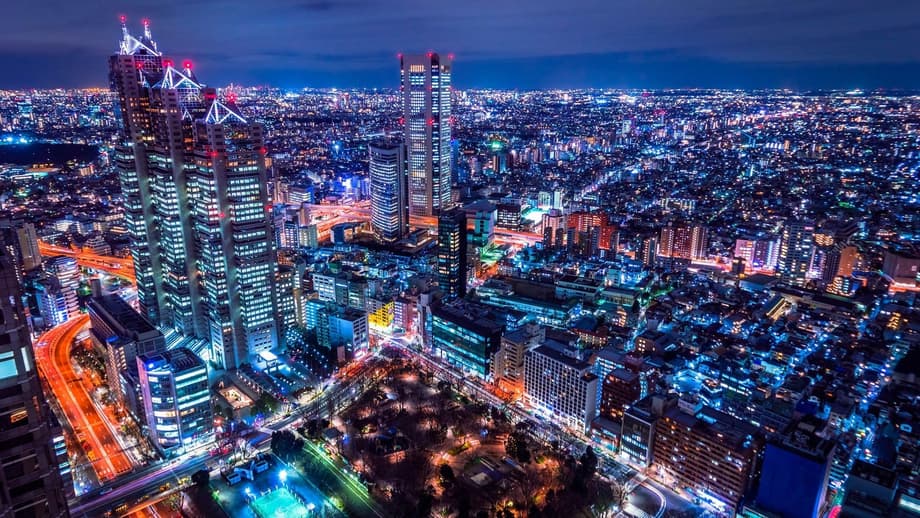
Tokyo sits at the top of the global city economy rankings for 2025, with an estimated gross domestic product of 2.55 trillion dollars. The New York metropolitan area follows at 2.49 trillion dollars, with Greater Los Angeles in third at 1.62 trillion dollars. The ranking covers 300 metropolitan economies and groups cities by their share of worldwide output. It underscores the growing concentration of economic power in large urban centers where finance, industry, technology, and creative sectors cluster and scale.
- Tokyo takes the lead in city GDP
- What powers Tokyo’s 2.55 trillion dollar economy
- How New York and Los Angeles power the U.S. urban economy
- Asia’s rise reshapes the urban leaderboard
- How the ranking measures city GDP and what it misses
- GDP, private wealth, and influence are not the same thing
- Regional snapshots beyond the top 10
- What experts say about urban economic vitality
- Why this ranking matters for business and policy
- What to Know
The gap between Tokyo and New York is narrow, yet the stakes are immense. Each of these metro areas produces as much output as many G20 countries. The top 10 cities alone, from Tokyo and New York to Shanghai, account for nearly one third of global GDP. The figures are reported in U.S. dollars and reflect the estimated value of all goods and services produced within each metropolitan economy.
Top 10 richest city economies by GDP in 2025 (nominal):
- Tokyo, Japan: 2,553.69 billion dollars
- New York metropolitan area, United States: 2,489.77 billion dollars
- Los Angeles area, United States: 1,619.68 billion dollars
- London, United Kingdom: 1,472.40 billion dollars
- Seoul, South Korea: 1,419.79 billion dollars
- Paris metropolitan area, France: 1,394.52 billion dollars
- Chicago area, United States: 1,251.58 billion dollars
- Osaka Kobe, Japan: 1,185.47 billion dollars
- San Francisco Bay Area, United States: 1,153.67 billion dollars
- Shanghai, China: 1,145.87 billion dollars
Beyond the top 10, the list highlights the breadth of U.S. strength in urban output with Greater Washington at 12, Dallas Fort Worth at 13, Houston at 14, Boston at 15, Seattle at 18, Philadelphia at 19, Atlanta at 20, and Silicon Valley at 24. Asia’s urban rise is also clear. Beijing ranks just outside the top 10 at 11, and Taipei is 25th with 867.83 billion dollars.
What powers Tokyo’s 2.55 trillion dollar economy
Tokyo’s result reflects decades of industrial depth paired with financial and logistical sophistication. The capital anchors advanced manufacturing across electronics, automotive engineering, and precision components. It supports global supply chains that run on reliability and quality control. The region also hosts a powerful services backbone, from banking and insurance to professional services, trade, and high value retail.
Infrastructure is part of the edge. Tokyo’s rail networks, ports, and integrated freight corridors move people and products efficiently, which reduces friction costs for manufacturers and exporters. The metro economy also benefits from a deep base of research institutions and corporate labs that keep the pipeline of process improvements and new products flowing. Cultural commitment to continuous improvement, often described through practices like kaizen, translates into sustained productivity even as the population ages.
Finance is another leg of strength. Tokyo is a major hub for banking, asset management, and corporate treasury functions across Asia. The city’s role in regional capital markets and currency trading complements its industrial heft, supporting investment and cross border transactions that feed back into local jobs and tax revenue.
How New York and Los Angeles power the U.S. urban economy
The New York metro economy is a financial giant, home to investment banks, private equity, hedge funds, and exchanges that influence global capital flows each trading day. Its recent growth includes a broader mix in tech, biotech, digital media, and advanced services. That diversity softens cyclical swings and keeps the talent pipeline strong. High operating costs create headwinds, yet the region’s concentration of expertise, networks, and deal flow continues to attract global investors and ambitious founders.
Greater Los Angeles shows how cultural capital drives economic output. Film and television still matter, but the competitive edge now includes streaming production, gaming, design, and an expanding aerospace and space technology cluster. The region’s universities, access to venture capital, and deep bench of content creators give it a dual identity, part creative engine and part tech producer. Logistics through the San Pedro Bay ports add scale, tying West Coast trade to Pacific supply chains.
Asia’s rise reshapes the urban leaderboard
Asia’s share of top tier city economies has grown with the continued climb of Seoul, Shanghai, Beijing, Singapore, and Hong Kong. Seoul at number five reflects South Korea’s edge in semiconductors, electronics, and digital services. Shanghai at number ten is establishing itself as a finance and logistics heavyweight while it upgrades manufacturing and expands research capacity. Beijing, just outside the top 10, adds policy leadership, research institutes, and a cluster of national champions in advanced industry.
Other Asian hubs place well within the broader list, including Singapore and Hong Kong. The region’s mix of export driven production, fast growing services, and public investment in ports, airports, and urban transit supports large scale economic activity concentrated in a handful of metro regions.
How the ranking measures city GDP and what it misses
City GDP is a practical shorthand for economic scale, yet it comes with caveats. The figures refer to metropolitan areas, not legal city limits, because most economic activity crosses municipal boundaries. Authorities define metro regions in different ways, which means comparisons across countries are imperfect. In many cases, analysts must rely on projections rather than official subnational accounts, especially outside the OECD. The headline numbers capture size, not living standards or income distribution.
Metropolitan areas versus city proper
A metro economy includes a core city and surrounding towns and suburbs tied together by commuting and supply chains. This approach better reflects where people work and where firms locate factories, labs, warehouses, and offices. It also explains why names like Los Angeles or Paris in these tables often refer to larger urban areas rather than municipal borders.
Nominal GDP versus cost of living
The ranking uses nominal GDP in U.S. dollars. It does not adjust for differences in prices across countries or for exchange rate movements. A weaker or stronger currency can move a city up or down in any given year even if local output trends are steady. Per capita GDP, median wages, or poverty rates would tell different stories about local prosperity.
GDP, private wealth, and influence are not the same thing
Big output does not always mean a city is the primary magnet for millionaires, nor does it mean it dominates influence across culture, policy, and innovation. Some lists track the number of resident high net worth individuals or top investors, a measure of private wealth concentration. That approach often favors global finance hubs and places with strong private banking and tax efficiency. Other indices rank cities by economic influence across finance, fashion, media, technology, and governance. On those scorecards, London often vies with New York and Tokyo for the top spot because of depth in capital markets, legal services, music and film, and a long record as a bridge between regions after Brexit.
Viewed together, the different lenses show how an economy can be massive in output, prominent in influence, or rich in private wealth. Some cities manage all three. Others specialize. Tokyo’s scale reflects an unmatched industrial base, New York excels in private finance and global services, and London remains a connector across continents.
Regional snapshots beyond the top 10
Japan has two metros in the top 10 with Tokyo at number one and Osaka Kobe at number eight. The duo speaks to the country’s strong manufacturing heritage and resilient export sectors. The United States places five in the top 10 and dominates the top 25 with large and diversified metro economies, including Greater Washington at number 12, Dallas Fort Worth at 13, Houston at 14, Boston at 15, Seattle at 18, Philadelphia at 19, Atlanta at 20, and Silicon Valley at 24.
Europe’s flagships continue to carry weight. London ranks fourth with deep finance, law, and media, while Paris at sixth blends luxury goods, advanced industry, and research. Both have weathered periods of political pressure and real estate volatility, yet their institutions, schools, and corporate headquarters continue to attract capital and talent.
In East Asia, Taipei appears at number 25 with 867.83 billion dollars in output, supported by a sophisticated electronics supply chain and a strong base of small and medium manufacturers. Other Chinese cities in the top ranks include Beijing and Shanghai. Across Southeast Asia, cities that connect regional trade and logistics are pushing up the table as infrastructure expands and services grow.
What experts say about urban economic vitality
City economies thrive when they pull together talent, capital, and infrastructure, while keeping life affordable and transit efficient. That requires constant investment in public services and policy frameworks that lower barriers for entrepreneurs and enable research to move from labs to production quickly.
Amarendra Bhushan Dhiraj, the CEO and editorial director of a leading business magazine that compiles multiple city indices, captured that balance in a recent assessment of urban performance.
The most successful cities are those agile enough to pivot, balancing economic growth with sustainability and inclusivity.
That test applies to every metro in the top 25. The cities that continue to upgrade infrastructure, speed up permitting, expand housing supply, reduce grid congestion, and smooth logistics will be the ones that add the next few hundred billion dollars in output while keeping residents supportive of growth.
Why this ranking matters for business and policy
For investors and executives, a list of the largest city economies is a map of market depth. It suggests where to find customers at scale, where supply chains already work, and where clusters of specialized skills make projects more likely to succeed. The headline GDP level also hints at the tax base available for public works, schools, and transit. Each of those feeds back into the ease of doing business.
For mayors and planners, the ranking is a reminder that competition for talent and capital happens at the metro level. Housing affordability, commute times, green space, and access to childcare influence whether skilled workers choose to stay. Ports, airports, grid reliability, and water systems influence where firms invest. Cities that address these basics, and that remove bottlenecks in permitting and freight movement, gain an advantage.
Risks remain. Climate related floods and heat, aging infrastructure, and exposure to currency swings can threaten growth. The most resilient metro economies are building flood defenses, upgrading power and water networks, reinforcing bridges and tunnels, and shifting to cleaner energy. Those investments add upfront costs, yet they reduce long run loss and disruption.
What to Know
- Tokyo ranks first among global city economies in 2025 with 2.55 trillion dollars in GDP, ahead of New York at 2.49 trillion and Greater Los Angeles at 1.62 trillion.
- The top 10 metro areas account for nearly one third of worldwide GDP, highlighting the concentration of economic power in large urban hubs.
- Seoul is fifth and Shanghai tenth, reflecting Asia’s rising share of high output metro economies, with Beijing at eleventh and Taipei at twenty fifth.
- The ranking covers 300 metropolitan areas and uses nominal GDP in U.S. dollars, which does not adjust for cost of living or exchange rates.
- City GDP captures size, not private wealth concentration or cultural and policy influence, which are measured by other indices.
- New York remains a financial giant with a growing tech and biotech footprint, while Los Angeles mixes entertainment, technology, and aerospace.
- London and Paris remain European anchors with deep finance, advanced industry, and global cultural reach.
- For leaders and investors, the data signals where scale, talent, and infrastructure align, and where policy upgrades can unlock the next wave of growth.