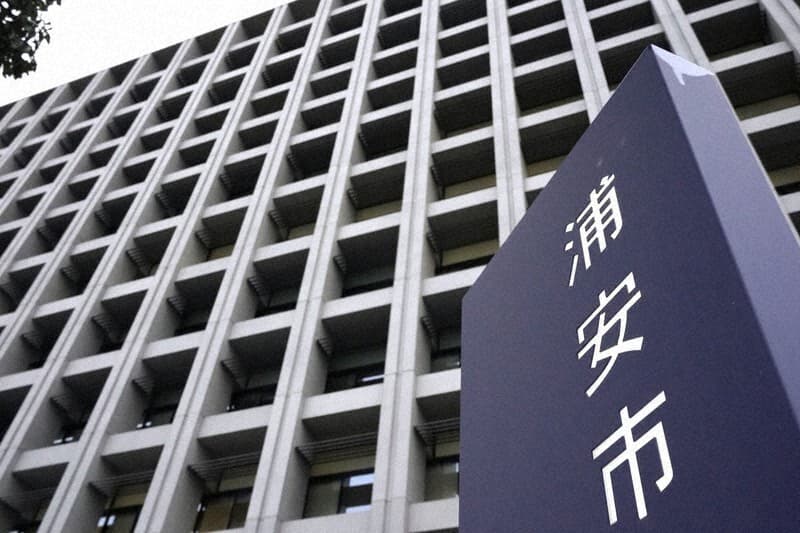
A Historic Expansion of Childcare Support
Urayasu City in Chiba Prefecture is preparing to eliminate daycare fees for children aged two and younger, becoming the first municipality in the prefecture to extend free childcare to infants and toddlers. The policy, scheduled to take effect in April 2026, represents a significant departure from the standard municipal approach across Japan, where fees for the youngest children typically depend on household income.
The city government has allocated approximately 580 million yen (about $3.77 million) in its fiscal 2026 draft budget to support the initiative. Officials expect the program to benefit roughly 1,900 children currently enrolled across 55 licensed daycare facilities within the city limits. Unlike existing support mechanisms that tie fee waivers to income levels or family size, Urayasu’s new program will apply universally to all families utilizing childcare services for children aged zero to two.
Easing the Financial Burden on Young Families
For years, parents across Japan have navigated a complex fee structure for early childhood education and care. While the national government implemented free daycare for children aged three to five in 2019, families with younger children have continued to face substantial monthly expenses that vary based on municipal tax rates and household income.
In many cities, parents of infants and toddlers pay fees that can reach substantial amounts monthly. The financial pressure is particularly acute for families with two working parents and single parents who require continuous care for children too young to attend kindergarten. By removing these fees entirely, Urayasu aims to reduce the economic barriers that often force parents, particularly mothers, to choose between career advancement and child rearing responsibilities.
The move addresses a persistent concern among residents who have long compared Urayasu’s administrative services to those of neighboring Tokyo. The capital city, which possesses abundant tax revenue from its large business districts, began offering free daycare for children aged zero to two in fiscal 2025. This disparity had generated significant demand from Urayasu residents for comparable support, prompting the municipal government to action despite the fiscal constraints faced by smaller jurisdictions.
Understanding the Program Details
The initiative targets children enrolled in classes for zero to two year olds at licensed daycare centers throughout the city. Parents utilizing these services will see their base childcare fees eliminated regardless of their income bracket or the number of children in their care. This universal approach distinguishes Urayasu from municipalities that maintain qualification systems tied to income.
However, the fee waiver comes with specific limitations. Extended daycare services, which provide care outside standard operating hours for working parents with alternative schedules, will still incur charges. Similarly, families must continue paying the actual costs associated with snacks and meals provided at facilities. These additional expenses, while reduced, mean that childcare will not be entirely cost free for all participating families.
City officials emphasize that the program covers licensed facilities specifically, including standard daycare centers and certified combined nursery and kindergarten facilities. Small scale childcare facilities, which typically accommodate fewer children in more intimate settings, may fall under different fee structures depending on their specific licensing status and capacity.
Comparing Municipal Approaches Across the Region
Urayasu’s policy stands in contrast to the prevailing model in other major Japanese cities. In Yokohama, Japan’s second largest city, parents of children aged zero to two continue to pay variable fees based on household income, with monthly costs ranging from zero yen to 77,500 yen depending on the municipal tax rate. Only when children reach the three to five age bracket do fees become universally free across licensed facilities.
Similarly, Kawasaki City maintains a fee structure tied to income for its youngest residents. While families exempt from municipal residence tax pay nothing for zero to two year old care, other households face charges calculated according to their total income based municipal tax rate. Kawasaki does offer reductions for siblings, with second children paying half the standard rate and third or subsequent children attending free, but the base fees remain for most families.
This regional variation highlights the inconsistent nature of early childhood support across Japan. While the national government established the framework for free childcare for older preschoolers, municipalities retain discretion regarding fees for infants and toddlers. Urayasu’s decision to eliminate these fees entirely places it at the forefront of progressive childcare policy outside Tokyo’s special status as the capital.
Global Context and Implementation Challenges
The expansion of subsidized childcare represents a growing trend in major cities worldwide, though implementation often reveals complex challenges. San Francisco, however, stands as a cautionary example. Mayor Daniel Lurie recently announced an expansion of free and subsidized childcare for children aged five and under, building upon previous initiatives by former Mayor London Breed. The program aims to address the city’s status as the most childless major city in the United States, where childcare costs regularly exceed $20,000 annually for infants and toddlers.
Despite the ambitious scope of San Francisco’s expansion, earlier efforts to subsidize care for families with middle incomes saw limited uptake. When the city previously offered to cover half of childcare costs for families earning up to 150 percent of the area median income, only 145 children enrolled over the course of a year, even though thousands were eligible. Advocates attribute this low participation to limited availability of infant and toddler slots, with approximately 81 percent of families on the city’s childcare waiting list seeking care for children aged three and under.
These international examples illustrate that funding alone does not guarantee successful childcare expansion. Urayasu’s approach of working within existing facility networks may help avoid the capacity constraints seen elsewhere, though the city will need to monitor whether the 1,900 slots adequately meet demand from the approximately 2,000 eligible children.
The Push for National Responsibility
Urayasu Mayor Etsushi Uchida addressed the policy shift during a February 4 press conference, acknowledging the pressure to match Tokyo’s service levels while calling for broader systemic change. The mayor stressed that while local governments can implement targeted relief, the ultimate responsibility for ensuring basic standards of living rests with the national government.
We inevitably have to be aware of the gap with Tokyo. Fundamentally, we want the national government to take responsibility for ensuring the national minimum standard of living.
Uchida’s statement reflects ongoing tensions between municipal and national authorities regarding childcare funding. While the 2019 national policy covering three to five year olds established a precedent for universal support, the exclusion of infants and toddlers has left families with young children bearing disproportionate costs during the most financially vulnerable period of early parenthood.
The mayor’s comments suggest that Urayasu’s initiative serves as both a practical measure for local residents and a policy statement intended to pressure national lawmakers. By demonstrating that municipalities can successfully eliminate fees for the youngest children, Urayasu provides a model that could inform future national legislation expanding the 2019 free childcare framework to include all children from birth through preschool age.
Economic Impact and Future Outlook
Childcare accessibility directly influences workforce participation, particularly among women in Japan’s aging society. By removing fees for infants and toddlers, Urayasu potentially enables more parents to return to work sooner after parental leave, addressing labor shortages while supporting family economic stability. The 580 million yen investment represents a significant commitment for a city of Urayasu’s size, indicating that officials view the policy as essential infrastructure rather than discretionary spending.
The success of this program could determine whether other municipalities in Chiba Prefecture and beyond follow suit. If Urayasu demonstrates that universal free childcare for infants is fiscally sustainable and socially beneficial, it may trigger a wave of similar initiatives across Japan’s regional cities. Conversely, if the program strains municipal finances or fails to significantly boost enrollment and workforce participation, it could reinforce arguments for maintaining income restrictions.
For now, families in Urayasu prepare for a significant reduction in monthly expenses starting April 2026. The policy promises to reshape the financial landscape of early parenthood in the city, offering relief to nearly two thousand households while setting a precedent that challenges the rest of the prefecture, and potentially the nation, to reconsider how they support their youngest citizens.
Key Points
- Urayasu City will eliminate daycare fees for children aged zero to two starting April 2026, becoming the first municipality in Chiba Prefecture to offer universal free childcare for infants
- The program allocates 580 million yen (approximately $3.77 million) to cover roughly 1,900 children across 55 licensed facilities, regardless of family income or number of children
- Fees for extended daycare and snack costs will remain the responsibility of parents, while base childcare charges will be waived entirely
- The policy follows Tokyo’s implementation of free childcare for the same age group in fiscal 2025, addressing resident demands for comparable services to those offered in the neighboring capital
- Mayor Etsushi Uchida stressed that while the city is acting to close the service gap with Tokyo, the national government should ultimately bear responsibility for establishing minimum childcare standards nationwide
- Unlike Urayasu, most Japanese cities including Yokohama and Kawasaki maintain fee structures tied to income for children under three, with costs varying from zero to over 77,500 yen monthly depending on household tax status