The Bubble Era Legacy
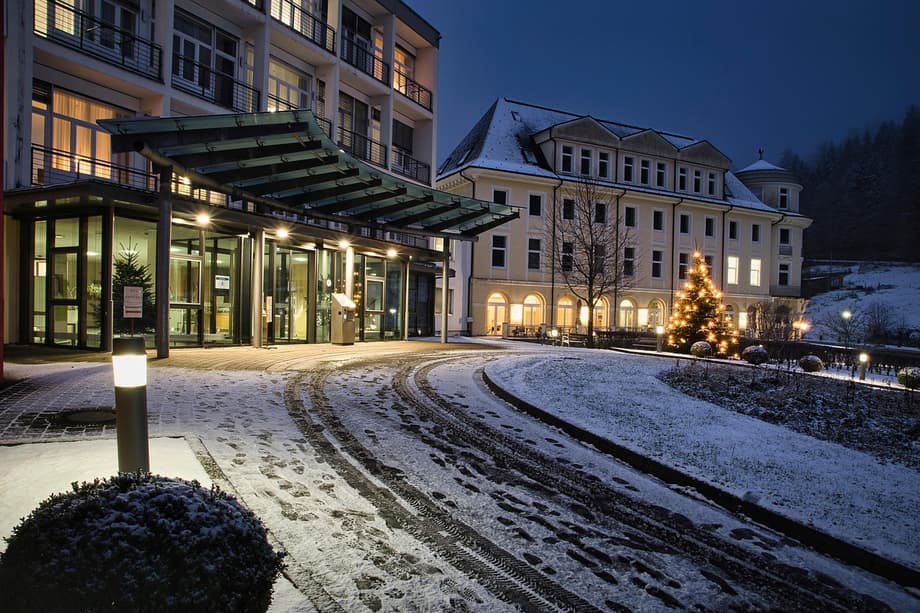
In the early 1980s, the seaside town of Ito in Shizuoka Prefecture represented the pinnacle of Japan’s economic excess. Massive hot spring resort hotels and exclusive private clubs dominated the coastline, catering to wealthy Japanese seeking status and romance. The legendary Kawana Hotel hosted Marilyn Monroe and Joe DiMaggio during their famous honeymoon in 1954, cementing the reputation of Ito as a playground for the rich and famous decades before the bubble economy took hold. By the 1980s, the town had become the ultimate destination for corporate retreats, romantic getaways, and ostentatious displays of wealth.
Resorts like the Hatoya Hotel became so culturally significant during this period that their television and radio jingles appeared on karaoke machines throughout Japan, serving as sonic reminders of an era when money flowed freely and luxury seemed endless. The town transformed into a place where visitors came specifically to impress friends or pursue romantic interests, creating an atmosphere of competitive opulence that defined the decade. Massive investment poured into infrastructure designed to accommodate domestic tourists with substantial disposable income, creating a built environment that rivaled any international resort destination.
Foreign-Led Transformation
Today, Ito is experiencing a remarkable renaissance as foreign residents purchase abandoned properties, launch new businesses, and fundamentally reshape daily life in this once-fading resort town. These international newcomers are breathing fresh energy into a community that had struggled to find its footing after decades of economic stagnation following the collapse of the bubble in the early 1990s. Unlike the bubble-era investors who sought quick profits and status symbols, today’s foreign residents are committing to long-term community building, renovating derelict structures that had stood empty for years and establishing enterprises that serve both locals and visitors.
The revival extends beyond simple property speculation into genuine economic and cultural integration. Foreign entrepreneurs are opening cafes, guesthouses, specialty food shops, and cultural experience centers that cater to a growing international audience while maintaining respectful connections to local traditions. This approach differs fundamentally from the bubble-era tourism model, which relied on massive hotels and exclusive entertainment venues that often stood separate from the local community. The new businesses tend to be smaller, more sustainable operations that employ local residents, source materials from regional suppliers, and participate actively in neighborhood life.
These investors are drawn by affordable property prices in a scenic coastal setting with established hot spring infrastructure, creating opportunities that would be impossible in Tokyo or Osaka. The renovation of abandoned bubble-era resorts into boutique hotels or residential complexes represents a particularly visible symbol of this transition, turning symbols of economic excess into sustainable community assets.
Political Crisis Threatens Stability
Despite this grassroots economic renewal, Ito faces significant governance challenges that threaten to undermine investor confidence and community stability. Mayor Maki Takubo, first elected in May, has become embroiled in a scandal involving falsified academic credentials that has paralyzed city administration and drawn national attention to the town for all the wrong reasons. The controversy began when an anonymous letter sent to assembly members in early June accused Takubo of lying about her educational background, specifically her claim to have graduated from Toyo University.
Subsequent investigations revealed that she had actually been expelled from the institution, not graduated as her official biography stated. While Takubo initially announced her intention to resign and run in a fresh election as an independent candidate, she later withdrew this pledge and declared she would remain in office despite mounting pressure. The mayor has maintained that she only learned of her expulsion on June 28, denying deliberate deception, though assembly investigations have thoroughly rejected this timeline.
On September 1, the Ito city assembly unanimously approved a no-confidence motion against the embattled mayor, citing her refusal to appear before investigative committees, failure to submit records, and alleged false testimony. The assembly also voted to file a criminal complaint against Takubo for four alleged violations of the Local Autonomy Law, including obstructing their investigation. The resolution declared that Takubo holding office represents an extremely dangerous situation given the power it entails and labeled her a national symbol of a negative reputation whose continued presence will cast a dark shadow over the key tourism industry of the town.
When asked about her plans following the no-confidence vote, Takubo offered a brief statement.
At this point, I have nothing to say. I will take time to consider the matter.
Later, at a press conference, the mayor stated that she intends to remain in office to complete her mission despite harsh criticism. She claimed that city residents expressed concern about returning to previous administrative conditions, though she has consistently refused to attend special investigative committee hearings. The confrontation between the mayor and assembly has created an atmosphere of uncertainty that could impact foreign investment and the nascent economic recovery of the community.
Regional Context and Comparative Appeal
The foreign-led revival in Ito occurs within a broader context of changing demographics and tourism patterns across the Izu Peninsula. Nearby Atami, another bubble-era resort town located just northeast along the coast, has similarly attracted international attention for its nostalgic atmosphere and relatively affordable property prices. Prospective foreign residents frequently compare the two towns when considering relocation to the region, weighing factors such as population size, transportation access, and vulnerability to natural disasters.
Ito offers nearly twice the population of Atami, providing more extensive infrastructure and municipal services for international residents. The town also benefits from proximity to a medical university, which appeals to foreign academics, researchers, and healthcare professionals seeking employment opportunities. JR train connections make Tokyo accessible within approximately two hours, allowing residents to maintain dual residences or commute for work while enjoying the slower pace of coastal life. These practical advantages make Ito particularly attractive to foreign families and retirees looking for a balance between rural tranquility and urban accessibility.
However, the mountainous terrain of the region presents genuine concerns about natural disasters that potential residents must consider. A devastating landslide struck nearby Atami in July 2021, destroying homes and killing dozens of residents after heavy rainfall saturated unstable slopes. The disaster served as a stark reminder that the same geographic features making the Izu Peninsula attractive, its dramatic mountains and coastline, also create vulnerability to flooding and slope failures during typhoon season. Foreign residents evaluating the area must balance the appeal of affordable property prices against environmental risks and insurance costs.
Cultural Integration and Daily Realities
Beyond property investment, foreign residents are integrating into the cultural landscape of Ito through organized activities and community engagement. Local tour operators have begun offering experiences specifically designed for international residents, including visits to agricultural sites like the Ikadaba wasabi fields in the Izu interior. These tours address practical barriers that might otherwise prevent foreign participation, such as language differences between international visitors and local farmers who do not speak English.
Practical challenges remain significant for international newcomers navigating daily life. Visitors to rural attractions often discover that transportation costs in the region can be substantial, with taxi rates reaching 7,600 yen per hour and minimum hire periods of four hours during winter months when car rentals are unavailable for safety reasons. These expenses add up quickly for families seeking to explore the interior attractions of the peninsula or transport materials for property renovations.
The tourism industry in Shizuoka Prefecture generally faces structural challenges, as most international visitors to Japan travel to distant destinations only once, making first impressions crucial for regional economies. Towns like Ito must compete with better-known destinations such as Kyoto or Hakone while managing the infrastructure demands of increased visitation. The foreign resident community plays a dual role in this ecosystem, serving both as permanent residents who stabilize the local economy through year-round consumption and as cultural bridges who help international visitors navigate Japanese customs, language barriers, and local business practices.
Navigating Economic Uncertainty
The intersection of foreign-led economic renewal and domestic political instability creates a complex environment for the future development of Ito. While international investors provide capital and entrepreneurial energy that the town desperately needs to reverse decades of population decline, the ongoing mayoral scandal threatens to undermine the stable governance required for long-term planning and infrastructure maintenance. Foreign residents who have committed to renovating properties and establishing businesses must now navigate an unpredictable administrative environment where permit approvals and community planning face potential disruption.
Unlike the bubble era, when massive corporations funded development with easy credit and government support, today’s revival depends on individual commitment and small-scale entrepreneurship. This model offers greater resilience against economic shocks but requires consistent local governance and community support to succeed. The coming months will determine whether Ito can resolve its political crisis without derailing the fragile economic transformation that foreign residents have initiated.
The Bottom Line
- Foreign residents are purchasing abandoned bubble-era properties and opening businesses in Ito, Shizuoka Prefecture, driving an economic revival in the once-declining resort town.
- The town was a symbol of 1980s excess, featuring famous hotels like the Kawana Hotel where Marilyn Monroe and Joe DiMaggio honeymooned, and the Hatoya Hotel, whose jingles appeared on karaoke machines nationwide.
- Mayor Maki Takubo faces a no-confidence motion and criminal complaints for falsifying academic credentials, creating political instability that threatens the tourism industry and foreign investor confidence.
- The Izu Peninsula region attracts international residents comparing Ito with nearby Atami, weighing factors such as population size, medical university access, JR train connections to Tokyo, and natural disaster risks including landslides.
- Practical challenges for foreign residents include language barriers at local businesses, high transportation costs for rural tourism, and navigating an unpredictable administrative environment during the ongoing political crisis.