Why Malaysia and China are aligning on green smart supply chains
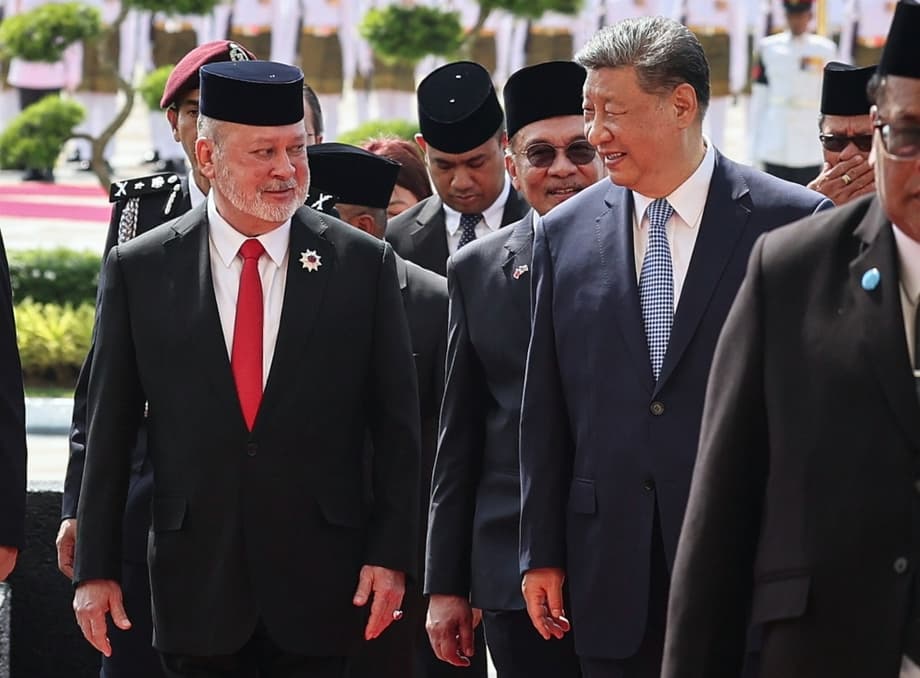
Malaysia and China moved their long running trade relationship into a new phase during President Xi Jinping’s state visit to Kuala Lumpur in April 2025. The visit marked 50 years of diplomatic ties and produced a memorandum of understanding to deepen cooperation in services trade and industrial sectors. China has been Malaysia’s largest trading partner for 16 consecutive years, with total trade reaching RM484.12 billion in 2024. The two governments also issued a joint statement that set priorities across digital, green and advanced manufacturing, and called for closer integration of industrial and supply chains.
- Why Malaysia and China are aligning on green smart supply chains
- What a green smart supply chain looks like
- Malaysia’s policy drivers and industry readiness
- Case study: MIDA and Chery link vendors for an EV supply base
- Case study: Intelligent green manufacturing in Kedah Rubber City
- Smart city pilots as test beds for urban logistics and services
- Trade architecture and transport links that make scale possible
- Financing and tools for SMEs to join the shift
- Risks, data and governance that determine success
- What to watch in 2025 and 2026
- Key Points
The policy focus is clear. Both sides see technology driven sustainability as a route to competitiveness and resilience. The drive to link factories, logistics and urban systems with data and automation fits regional trade updates, including the upgraded China ASEAN Free Trade Area known as CAFTA 3.0, which adds cooperation in the digital economy, green economy and supply chain connectivity. Malaysia’s own plans, from the New Industrial Master Plan 2030 to the National Energy Transition Roadmap that targets net zero by 2050, place clean industry and smart infrastructure at the center of growth.
In their joint statement, the two governments highlighted supply chain integration as a shared priority. The document also placed the digital and green economy at the heart of future cooperation.
Before the visit concluded, multiple cooperation documents were signed in fields that feed into smart and sustainable supply chains, including artificial intelligence, digital economy, trade, railways, agriculture, tourism and media. That breadth signals an intent to align policy, infrastructure and industry practices behind a single goal, green smart growth that can scale across the region.
What a green smart supply chain looks like
A green smart supply chain pairs connected technologies with practical steps to cut emissions and waste. The core stack includes artificial intelligence to optimize planning and quality control, Internet of Things devices for equipment and cargo sensing, cloud platforms for analytics, and blockchain for traceability and trusted data sharing. When these pieces work together, companies gain real time visibility on energy use, material flows and emissions, and they can automate actions that reduce resource intensity and cost.
Measurement is a central challenge. APEC estimates that supply chains account for more than half of global greenhouse gas emissions, with a large share sitting in Scope 3, the indirect emissions from suppliers and downstream logistics. Many firms lack a complete view of supplier footprints. Digital tools can close this gap. Digital twins let operators model inventories, transport routes and energy loads across a network. When fed with reliable data from IoT sensors and verified records on a blockchain, those models guide choices that shrink emissions while keeping inventory lean and deliveries on time. Businesses often assume sustainability will add cost, yet the risk of climate disruption and regulatory penalties has its own price. APEC’s policy work points to a growing body of evidence that early investment in resilient, low carbon operations returns more than it costs.
Malaysia’s policymakers plan to use Industry 4.0 toolkits to move in that direction. The 13th Malaysia Plan for 2026 to 2030 envisions AI, IoT, blockchain and big data analytics in manufacturing and logistics. In practice that can mean automated warehouses tied to predictive maintenance systems, IoT enabled cargo tracking that records temperature, humidity and location, and verifiable carbon tracking, where data from sensors feeds shared ledgers and triggers mitigation steps when thresholds are crossed. It also means training the workforce to read the data, build the models and run the machines.
Across the region, standards and incentives matter as much as devices and software. APEC’s Supply Chain Connectivity Framework Action Plan targets chokepoints such as paper based customs, poor visibility across borders and inconsistent sustainability practices. Tariff cuts on environmental goods help scale equipment like solar modules, wind components and pollution control devices. Government green procurement and tax incentives push adoption, while corporate buyers bring suppliers into reporting platforms and share playbooks for freight consolidation, route optimization and energy upgrades.
Malaysia’s policy drivers and industry readiness
Malaysia’s push is anchored by three pillars. The New Industrial Master Plan 2030 seeks to build stronger manufacturing clusters and raise technology intensity across sectors. The National Energy Transition Roadmap lays out a path to cleaner power, grid upgrades and new energy industries. The National Automotive Policy 2020 aims to move the domestic auto industry into electric vehicles and advanced mobility. Together these policies support a cleaner and smarter supply base, from component makers to logistics providers and city services.
Company level readiness varies. Firms with modern machinery, connected production lines and in house data skills adopt green smart practices faster. Leadership matters as well. Targets for energy use and emissions that are visible to shop floor and supply partners drive steady improvements. For small and medium enterprises, the path can be harder. Upfront costs for sensors, analytics and energy upgrades, plus the need for new skills, slow adoption. Targeted support helps close the gap. Incentives under NIMP 2030, training programs, and standard frameworks for reporting and procurement give SMEs the tools to join larger, greener value chains.
Financing the transition is a critical piece. Regional partners are moving to expand climate related investment. At the 2025 summit that convened ASEAN, the Gulf Cooperation Council and China in Kuala Lumpur, leaders flagged joint financing for renewable and low carbon technologies to strengthen energy supply chains. Large pools of capital are already active. Malaysia has an agreement with ACWA Power for multi billion ringgit projects, the UAE has launched the Alterra fund to crowd in private capital for climate investment, and Qatar has signaled a green investment push across Asia. A harmonized climate finance framework for ASEAN and the GCC would reduce friction and unlock more projects that upgrade supplier facilities, logistics fleets and data systems.
Case study: MIDA and Chery link vendors for an EV supply base
A high profile example of Malaysia China collaboration is the Premier Supply Chain Synergy Programme, launched in May 2025 by the Malaysian Investment Development Authority with Chery. The program links Chery’s suppliers in China with Malaysian vendors to strengthen local content and prepare for next generation vehicles. Plans include a Chery Smart Auto Industrial Park, vendor development, and technology transfer that spans manufacturing and logistics.
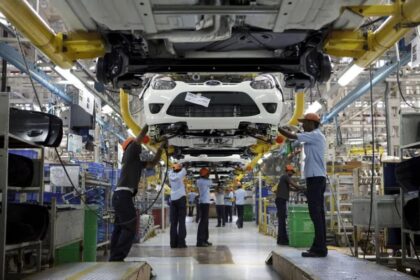
The initiative aligns with the National Automotive Policy 2020 and aims to position Malaysia as a competitive hub for future vehicles. On the factory floor, partners are expected to use IoT enabled machinery to monitor line performance, AI systems for vision based quality inspection, and connected logistics platforms that optimize parts movement and final delivery. During component production, systems that capture electricity use, material scrap and process emissions will feed shared dashboards. That data allows engineers to adjust processes and pick lower carbon materials, including lightweight structures and efficient electric powertrains.
SMEs stand to gain if they can meet technology and quality requirements. Vendor development under the program brings smaller firms into regional value chains that reward energy and material efficiency. The benefits go beyond one brand. Suppliers that adopt advanced monitoring and quality systems become credible partners for multiple automakers and tier one suppliers. That spreads investment across the ecosystem and raises the baseline for skills and environmental performance.
Case study: Intelligent green manufacturing in Kedah Rubber City
In November 2025, Prinx Chengshan broke ground on a tire factory at Kedah Rubber City. The project covers 102.63 acres and targets an annual capacity of 6 million passenger vehicle tires and 600,000 commercial vehicle tires in its first phase. The facility is designed around automated warehouses, 5G enabled collaboration and intelligent quality inspection, creating an Industry 4.0 production scenario with deep data integration.
Corporate leaders presented the plant as a model for clean and connected manufacturing. Company Chairman Che Hongzhi said the Malaysia factory will expand global capacity and build a resilient supply network by pairing intelligence with sustainability. The Northern Corridor Implementation Authority has framed the investment as a catalyst for high skilled jobs and local supplier development. YB Dr Haim Hilman, representing the state, called the plant a milestone for industrial transformation that lifts the region’s competitiveness.
To make those claims concrete, the design embeds green practices across the lifecycle. A connected energy management system can balance power loads, capture heat for reuse and identify high draw processes. Digital quality controls reduce scrap and rework. Logistics software aligns inbound materials with production schedules to cut idle inventory and avoid rush shipments. When combined with clean power from the grid transition, cumulative emissions drop across production and distribution. The company also plans skills training and technology transfer that build local capacity and spread modern methods among regional suppliers.
Smart city pilots as test beds for urban logistics and services
Green smart supply chains do not stop at the factory gate. Malaysia and China are collaborating on smart city pilot projects in Ipoh and Seberang Perai that function as living laboratories for sustainable urban systems. The pilots propose smart city command centers that integrate energy efficient buildings, smart metering, IoT based building controls and community apps for daily services.
These platforms can reshape logistics and services in cities. With shared data, local governments can coordinate waste collection, water management and traffic control more efficiently. Parcel carriers can use dynamic routing to reduce congestion and fuel use. Building owners gain tools to manage energy and maintenance. Solar power, water saving fixtures and recycling systems embedded in new developments reinforce the environmental gains. An exchange program for officials is planned to accelerate knowledge transfer in urban planning and housing policy, using lessons from established systems such as Hangzhou’s city brain and Shenzhen’s data platforms, adapted to local needs.
Social design is part of the picture. Housing models that support families and elder care can reduce travel demand and pressure on public services. Digitally connected neighborhoods improve public safety and convenience, while giving authorities a clear view of service performance. When tied to open data policies and privacy safeguards, these systems can build trust and encourage citizen use.
Trade architecture and transport links that make scale possible
Policy frameworks and transport corridors provide the structure for supply chain integration. The Malaysia China joint statement calls for closer integration of industrial and supply chains and expanded cooperation in advanced manufacturing, artificial intelligence and semiconductors. Regional agreements multiply those effects. CAFTA 3.0, completed in Kuala Lumpur in 2025, extends cooperation into the digital and green economy and makes supply chain connectivity a core goal. Businesses expect this upgrade to improve customs facilitation, data exchange and investment flows across ASEAN and China.
Infrastructure projects are catching up with trade flows. The East Coast Rail Link is moving toward operations around 2026 to 2027. Once online, it will shift freight patterns and shorten transport times between ports and industrial zones in Peninsular Malaysia. The Two Countries, Twin Parks initiative, linking Kuantan in Pahang and Qinzhou in Guangxi, is nearly fully occupied and gives manufacturers a coordinated cross border platform for production and logistics. New air routes, like the Quanzhou to Kuala Lumpur service launched by Xiamen Airlines, complement maritime and rail networks and support just in time shipments for high value goods.
These hard and soft links form the backbone of green smart supply chains. A company can only execute end to end visibility and optimization if data moves as smoothly as goods and if infrastructure supports consistent transit times. With trade rules that recognize digital documents, trusted trader status and green procurement criteria, governments can push adoption of cleaner transport, verified reporting and low emission technologies.
Financing and tools for SMEs to join the shift
Small and medium enterprises provide the bulk of employment and a large share of supplier capacity in Malaysia. The transition to smart and sustainable operations hinges on their ability to invest and upgrade. Several practical steps reduce barriers. Energy audits identify low cost savings in lighting, compressed air, motors and process heat. Performance based contracts with energy service companies allow upgrades to be financed from utility savings. Shared testing and training centers reduce the cost of learning new tools. Supplier consortiums can negotiate better terms for sensors, software and clean energy certificates.
Capital is available if projects are structured well. Green and sustainability linked loans reward measurable improvements in energy use and emissions. Malaysia’s capital markets support sustainability bond standards, and regional institutions are working to align taxonomies that define what counts as green. Public programs can share risk through partial credit guarantees. Corporate buyers also have a role. Larger firms can offer early payment programs for suppliers that meet sustainability milestones, lowering working capital pressure during upgrades.
At the regional level, cross bloc cooperation on climate investment can help scale projects. The ASEAN GCC China statement from 2025 commits to joint investment in renewable and low carbon technologies to strengthen energy supply chains. Lessons from the Gulf’s power grid interconnection and large scale renewables can inform ASEAN’s grid updates and cross border power trade, which in turn enables greener manufacturing and logistics.
Risks, data and governance that determine success
Smart supply chains depend on data quality and trust. Fragmented systems and proprietary formats slow progress. Companies that deploy common data models and open interfaces make onboarding easier for suppliers. Cybersecurity must be built in from the start, with clear rules on data ownership, privacy and access. Shared platforms need strong governance, including audit trails and dispute resolution built around verifiable records. Blockchain can help by providing tamper evident logs for traceability, and smart contracts can automate milestones, payments and compliance, but only if the input data is accurate.
Workforce readiness is another variable. Machines and software do not run themselves. Programs that retrain technicians for mechatronics, data analytics and quality engineering are essential. Partnerships with polytechnics and universities can create pathways that feed new skills into factories and city operations. Clear career prospects help retain talent in the industrial base.
Supply chains also need resilience. A highly efficient network can become brittle if it lacks buffers for shocks. Lessons from research on sustainable supply chain management point to agility, coordination, finance, flexibility and resilience as key indicators of performance during disruption. Companies that balance lean operations with flexible sourcing, diversified routes and robust supplier relationships recover faster when storms, pandemics or geopolitical events hit.
What to watch in 2025 and 2026
Automotive and mobility will be a bellwether. Besides the MIDA Chery program, Chinese automakers are expanding in Southeast Asia. XPeng is in talks with EP Manufacturing to produce intelligent vehicles in Melaka, which would extend local capabilities if finalized. BYD has initiated operations in Malaysia as part of a wider push across ASEAN. These moves will test how quickly local suppliers can meet requirements for data driven production and emissions reporting.
Policy implementation will be another signal. The 13th Malaysia Plan begins in 2026, and NIMP 2030 programs are ramping up. CAFTA 3.0 will move from signatures to procedures that affect customs, standards and data. In transport, the East Coast Rail Link will start to reshape domestic freight, while progress at Kedah Rubber City and the Kuantan Qinzhou twin parks will show how industrial clusters embed clean tech and connectivity.
The regional conversation is also shifting. APEC is advancing a framework for sustainable supply chains. ASEAN is aligning its sustainable finance taxonomy with partner regions. China’s 15th Five Year Plan prioritizes green and innovative development, and Chinese officials are urging deeper cooperation with ASEAN on artificial intelligence, blockchain, green technology and renewable energy. As Chinese Ambassador to Malaysia Ouyang Yujing put it, cooperation in these fields is key to leading global scientific and technological progress.
Malaysia’s leaders see opportunity in moving early. During a technology summit in Kuala Lumpur, Deputy Prime Minister Ahmad Zahid Hamidi stressed that countries that act fast will shape the next decade. The message is consistent with domestic policy goals that link sustainable growth, industry upgrades and inclusion. Private sector momentum, backed by public investment and regional frameworks, will decide how far and how fast the vision of green smart supply chains becomes daily practice.
Key Points
- Malaysia and China agreed in April 2025 to deepen cooperation in services trade and industry, with a joint statement calling for integrated industrial and supply chains and a focus on the digital and green economy.
- China has been Malaysia’s largest trading partner for 16 years, with bilateral trade of RM484.12 billion in 2024.
- Malaysia’s policy mix, including NIMP 2030 and the National Energy Transition Roadmap, targets cleaner industry and smarter infrastructure aligned with net zero goals by 2050.
- APEC’s agenda on sustainable supply chains stresses better measurement of Scope 3 emissions and the use of digital tools like digital twins, with evidence that early investment reduces risk and cost.
- The MIDA Chery Premier Supply Chain Synergy Programme links Chinese and Malaysian vendors to localize parts for next generation vehicles and transfer smart manufacturing and logistics technologies.
- Prinx Chengshan’s tire factory at Kedah Rubber City is designed as an intelligent, sustainable plant with automated warehouses, connected quality systems and plans for more than 1,000 jobs.
- Smart city pilots in Ipoh and Seberang Perai will test command centers, smart metering, IoT building management and community apps, creating urban platforms that support efficient logistics and services.
- CAFTA 3.0 and major projects like the East Coast Rail Link, plus cross border industrial parks, provide the policy and physical links needed for regional supply chain integration.
- Financing for SMEs will come from green loans, sustainability bonds and emerging ASEAN GCC China climate investment channels that prioritize renewable and low carbon technologies.
- Key watchpoints for 2025 to 2026 include XPeng’s talks with EP Manufacturing, the start of the 13th Malaysia Plan, CAFTA 3.0 implementation, ECRL progress and continued build out of Kedah Rubber City and the Kuantan Qinzhou twin parks.