What is changing and why it matters
Taiwan will stop burning food waste by the end of 2027 and replace it with methods that return nutrients to soil or produce renewable energy. The shift will scale up composting and anaerobic digestion, two approaches that turn scraps into fertilizer and biogas. It is a clean break from a practice that has long sent wet organic material to incinerators, which is inefficient and can increase pollution risk when loads are contaminated. The decision is paired with a separate step to end the use of kitchen waste in pig farming, a policy designed to lower the chance of African swine fever reaching herds. Together, the measures reset how Taiwan handles millions of kilograms of leftovers each day and signal a stronger push for a circular economy.
- What is changing and why it matters
- Timeline and targets
- From pig swill to safer systems
- How Taiwan plans to reuse food waste instead of burning it
- Capacity, oversight and investments
- What households and businesses will experience
- Economics and market realities
- Risks during transition and how agencies plan to manage them
- What to Know
The plan is grounded in a clear baseline. Taiwan produces about 1,384 metric tons of food waste per day. Current facilities can process roughly 1,100 tons into compost or biomass, with the balance still being incinerated or buried. The Ministry of Environment will close that gap by expanding capacity, tightening oversight of incinerators during the transition, and stepping up public education to reduce food waste at the source. The country already asks residents to separate food waste from general trash, a routine that has helped build one of the highest recycling rates in Asia. This new milestone moves the system closer to keeping organics in circulation rather than up a smokestack.
Timeline and targets
Two timelines run in parallel. First, the Cabinet approved a phaseout of kitchen waste in pig farming by December 31, 2026. A full ban begins in 2027. As an early step, household leftovers may not be fed to pigs starting on January 1, 2025, with local governments allowed to adopt stricter schedules if they are ready. The agriculture authorities plan support for farmers shifting to commercial feeds, and will promote branding and marketing for black pig producers to help offset higher costs. During the transition, the government will require AI based monitoring on farms and install GPS tracking on kitchen waste collection vehicles to improve traceability.
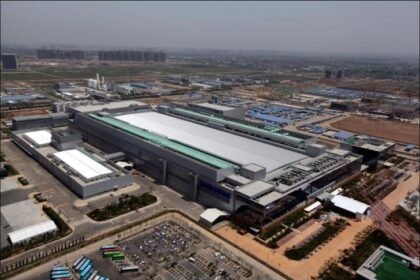
Second, the Ministry of Environment will build the processing capacity needed to end incineration of food waste. Daily capacity is slated to rise to about 1,720 tons by the end of 2026 and 2,119 tons by the end of 2027. That gives headroom above average daily volumes, so all collected food waste can be turned into compost or energy without relying on incinerators. While the ramp up proceeds, authorities will bolster management and inspections of existing incinerators, with extra attention to dioxin emissions.
From pig swill to safer systems
Feeding cooked kitchen waste to pigs has deep roots in Taiwan farm life. It reduces disposal costs, and for many producers it has lowered feed bills. Disease risk changed the calculus. African swine fever does not infect humans, but it can devastate pig populations. Taiwan strengthened rules after the virus spread in the region in recent years, requiring cooking at high temperatures and tighter source control. The new policy closes the swill channel completely, which removes a potential transmission route and supports stricter on farm biosecurity.
There will be real adjustments for farmers, especially black pig operations that cater to consumers who prefer a particular flavor and texture. Black pigs make up about 12.7 percent of the national herd and have longer rearing cycles. Producers worry about higher costs and pork quality as they switch to formulated feeds. About 200 black pig farmers have paused collection of kitchen waste through the end of the year, citing both expense and flavor concerns. The agriculture ministry plans to assist with feed choices, explore new high protein options that can shorten the rearing period, and help market distinct black pig brands to keep value in the supply chain. Local governments can offer tailored support so smaller farms are not left behind.
How Taiwan plans to reuse food waste instead of burning it
The core of the shift is diversified reuse. Food waste that cannot be redistributed to people will be turned into compost and bioenergy. Taiwan’s policy emphasizes safe, traceable processing and end products that meet clear standards. In 2024, Taiwan recycled about 505,000 tons of household food waste. The mix that year was roughly 42.8 percent for animal feed, 45.8 percent for compost, 9.5 percent for bioenergy, and 1.9 percent for other uses. As pig swill is phased out, the compost and energy shares will grow and feed will shrink, aligning with the 2027 target.
Compost for farms and city landscaping
Composting turns kitchen scraps into a soil amendment that improves structure and returns nutrients like nitrogen and phosphorus to cropland and urban green spaces. Taiwan certifies compost quality and allows finished products to be distributed or sold once they meet standards. Municipal cleaning teams and private processors handle grinding, dewatering, and controlled composting, reducing odor and minimizing leachate. Research and field experience in Taiwan show that well made compost supports soil health and can reduce reliance on chemical fertilizers when applied correctly. The Ministry of Environment continues to help local governments expand composting sites and adopt enclosed, mechanically aerated systems that speed up processing and lower labor costs.
Biogas and energy recovery
Anaerobic digestion places food waste in oxygen free tanks where microbes break it down into biogas and a nutrient rich digestate. The biogas, mostly methane, can generate electricity or heat. The digestate can be further refined into fertilizers. Taiwan’s legal framework, which includes the Waste Management Act, the Fertilizer Management Act, the Animal Industry Act, the Feed Management Act, and the Renewable Energy Development Act, supports this model. A feed in tariff and project incentives help biogas projects connect to the grid. Co digestion, which blends food waste with pig manure in digesters, increases gas yield and treats two waste streams at once. Black soldier fly treatment is another option for some streams, converting organics into protein and oil for industrial uses while leaving a residue for compost. These technologies help Taiwan hit resource recycling goals and the net zero carbon target for 2050.
Capacity, oversight and investments
Taiwan has invested heavily to prepare for this pivot. Since 2019, public funding of about NT$1.3 billion has gone into treatment plants and equipment, from shredders to dewatering systems to enclosed composting lines. The Ministry of Environment also supports new digestion projects so more food waste can produce biogas. Oversight will track emissions and quality throughout the transition. Incinerators remain part of municipal waste systems, but burning wet organics wastes energy. Water content in scraps reduces combustion efficiency, and contamination raises air pollution risk. By moving food waste into composters and digesters, the system saves fuel, recovers nutrients, and reduces reliance on smokestacks.
Monitoring and public reporting are central. During the transition, inspectors will increase dioxin checks at incinerators. Recycling plants that produce compost must meet product standards, and digesters must manage odors, wastewater, and residuals. The government’s 4 in 1 program links households, municipal collectors, private recyclers, and a national Recycling Fund financed by producer fees. This model stabilizes recycling operations and helps cover the cost of sorting, transport, and processing.
What households and businesses will experience
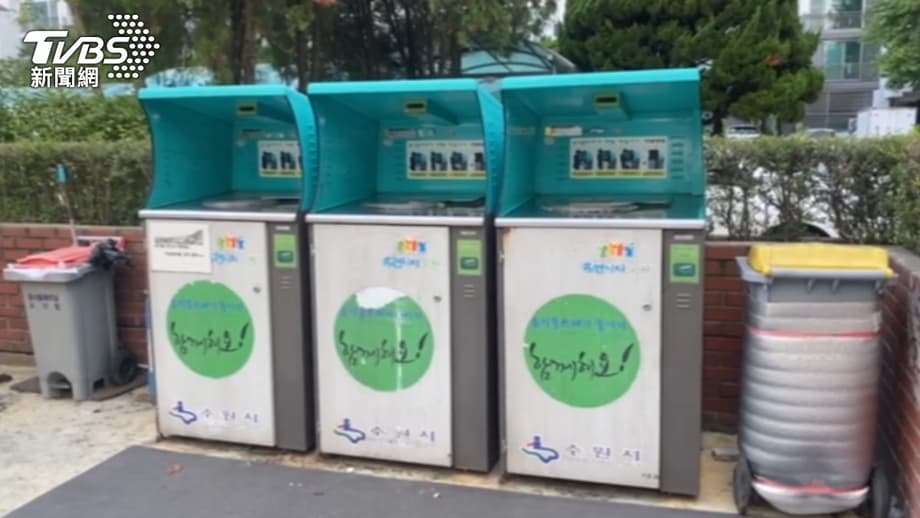
Residents will keep doing what they already do well, separating food waste for special collection and handing it to the nightly trucks. Many households split raw and cooked waste so processors can optimize composting or digestion. The pay as you throw approach in cities like Taipei has taught people to limit non recyclable trash, and it trimmed household waste by about two thirds in the capital. Nationally, recycling rates sit in the mid fifties, and food waste recycling has climbed from about 40 percent in 2018 to about 60 percent in 2024. The new targets will bring more food waste trucks, more bins, and clearer instructions on what belongs in which stream.
Restaurants, schools and supermarkets
Commercial kitchens and campuses generate large volumes of relatively clean food waste. Segregation at the source is the cheapest way to keep those loads ideal for composting or digestion. Many retailers already cut waste by donating edible surplus to food banks and charities, which helps reduce hunger while lowering disposal costs. When redistribution is not possible, kitchens can dewater scraps to reduce odor and weight, then send them to processors. Local governments will continue to offer toolkits and training so staff can avoid contamination with packaging or cutlery.
Economics and market realities
Composting can be cost effective when plants operate at scale with modern equipment. A study of Taiwanese composting facilities found that automated, enclosed systems with mechanical aeration lower operating costs and improve output quality. Plants affiliated with government units have often run at a loss, mainly because they sell too little of the compost they produce. Building demand is essential. Certified compost can go to farms, orchards, landscaping, and soil restoration, but it needs buyers who trust consistent quality. Subsidies or purchase guarantees can help bridge the gap as markets mature, and they are justified by avoided incineration costs and environmental benefits.
Energy projects pencil out when they can feed power to the grid at a stable price and sell digestate as fertilizer. The feed in tariff supports that case. Co digestion with manure boosts gas yields, and smart siting near livestock clusters reduces transport time. The new policy also changes costs for pig producers. Commercial feed can raise input costs, although better nutrition can shorten rearing periods and improve herd health. The agriculture ministry will work on formulas and branding to protect small operators and maintain diversity in the market.
Risks during transition and how agencies plan to manage them
Any fast scale shift can strain logistics. The biggest risks are contamination of food waste with non organics, odors that trigger neighborhood complaints, and inconsistent flows that leave plants underused. The Ministry of Environment and local governments are tackling those risks with tighter sorting rules, more education, and upgrades like enclosed receiving bays and odor control systems at plants. GPS on kitchen waste vehicles and AI based monitoring on farms increase transparency. Incinerators will undergo stricter emission tests while they handle a shrinking share of organics.
Public participation remains the anchor. Taiwan’s nightly ritual of lining up for the music of the collection trucks has already built habits that keep streets clean. Cutting waste at the source is the top priority, since the best waste is the waste never created. Food banks and donation programs, already active across the island, extend the life of edible goods and reduce the load on processors. With capacity expansions, stable end markets for compost and digestate, and continued community buy in, the 2027 deadline is achievable.
What to Know
- Taiwan will stop incinerating food waste by the end of 2027, shifting to composting and biogas.
- Kitchen waste for pigs is being phased out by December 31, 2026, with a full ban in 2027.
- Household leftovers may not be fed to pigs starting January 1, 2025, and local governments can move faster.
- Daily processing capacity will increase from about 1,100 tons now to 1,720 tons by end 2026 and 2,119 tons by end 2027.
- During the transition, incinerators will face tougher management and dioxin inspections.
- In 2024, about 505,000 tons of household food waste were recycled, with most going to compost or feed.
- Compost quality is certified, and anaerobic digestion projects can sell power to the grid under a feed in tariff.
- AI based monitoring on farms and GPS on kitchen waste vehicles will improve traceability.
- Food waste recycling has risen from about 40 percent in 2018 to about 60 percent in 2024.
- Expect more source separation, support for farmers switching feeds, and stronger markets for compost and digestate.