A Routine Check Uncovers Industrial-Scale Fraud
What began as a routine inspection of a suspicious truck has led to the discovery of a massive counterfeit coffee operation in Vietnam’s Central Highlands, exposing vulnerabilities in the supply chain of the worlds largest Robusta coffee producer. Police in Lam Dong province have launched a criminal investigation after seizing 4.1 tons of fake coffee products and 3 tons of raw materials from a warehouse accused of producing ground coffee using soybeans and chemical additives.
The Ministry of Public Security announced on Thursday that the raid took place earlier this week, following the interception of a truck carrying 1,056 bags of ground coffee weighing 528 kilograms. The vehicle lacked any accompanying documentation, prompting authorities to trace the shipment back to a warehouse facility operated by Luong Viet Kiem. During questioning, Kiem admitted to police that his firm had been mixing soybeans and flavoring agents with genuine coffee beans to produce counterfeit ground coffee destined for the local market.
Vietnam stands as the global leader in Robusta coffee production, a variety known for its strong, bitter taste and higher caffeine content compared to Arabica. The Central Highlands region, encompassing Lam Dong and neighboring provinces, serves as the heart of this agricultural empire, producing the majority of beans that supply both domestic markets and international instant coffee manufacturers.
The Economics of Coffee Fraud
The fraud operates on a simple but profitable principle: substitution. Coffee beans currently sell for approximately 100,000 to 100,500 Vietnamese dong ($3.86) per kilogram in the Central Highlands, while soybeans cost roughly one-third of that price. By blending these cheaper legumes with minimal amounts of actual coffee and adding chemical flavorings and colorants, producers can create a product that resembles ground coffee while dramatically reducing production costs.
This price differential creates a powerful incentive for adulteration, particularly in domestic markets where quality control mechanisms may prove less rigorous than those governing export operations. The economic pressure becomes especially acute during periods of high coffee prices or supply constraints, driving some processors to seek alternative ingredients to maintain profit margins.
According to coffee trader Nguyen Quang Tho, who operates in the neighboring province of Dak Lak, such adulteration is disturbingly common. Fake coffee products are not rare, and they can be made from soybean or corn, or even both, Tho explained. While both soybeans and corn are edible, the safety of the chemical additives used to simulate coffee’s distinctive aroma and dark color remains questionable. Who knows if it is safe for the health to drink these fake coffee products, Tho added, highlighting concerns about unregulated substances entering the food chain.
How Counterfeiters Fool the Market
Producing convincing counterfeit coffee requires more than simply grinding soybeans. The process involves roasting the legumes to achieve a dark color similar to coffee beans, then mixing them with small quantities of genuine coffee to provide some authentic flavor. Chemical additives enhance the aroma and taste, while colorants ensure the visual appearance matches consumer expectations.
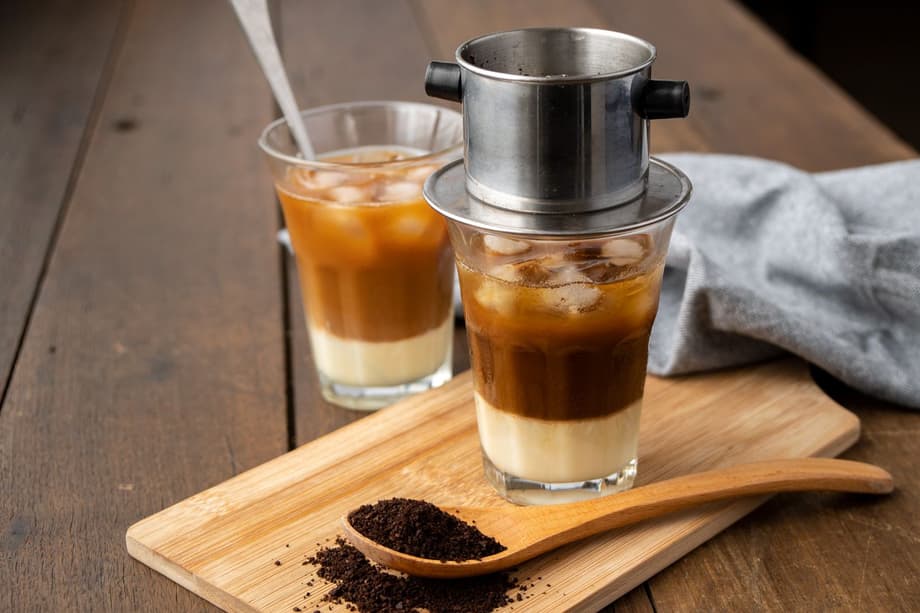
The resulting mixture proves difficult for average consumers to detect without laboratory analysis. The ground texture, dark color, and aromatic qualities can closely mimic pure coffee, particularly when brewed with sugar or condensed milk, common preparations in Vietnamese coffee culture. This sophistication allows counterfeit products to penetrate local markets, small cafes, and informal distribution channels before reaching unsuspecting buyers.
The lack of documentation on the intercepted truck suggests that much of this counterfeit product moves through informal supply chains, bypassing the quality control checkpoints and traceability systems designed to protect consumers. These shadow networks complicate enforcement efforts, as products change hands multiple times before reaching end users, obscuring their origins.
A History of Food Fraud in the Central Highlands
This recent seizure represents merely the latest chapter in a troubling history of food fraud in Vietnam’s agricultural sector. Just months earlier, in June 2025, police in Dak Lak province dismantled an even larger operation run by a married couple who had distributed over 20 tons of counterfeit coffee across multiple provinces before authorities intervened.
In that case, Phan Danh Duong Bao, 52, and his wife Ho Thuy Bich Dan, 47, admitted to operating a manufacturing site in Khanh Hoa Province where they used only 3 to 9 kilograms of actual coffee beans per 100 kilograms of finished product. The remainder consisted of roasted soybean powder combined with sugar, coloring agents, and flavor enhancers. Their operation supplied counterfeit goods to markets in Binh Dinh, Lam Dong, and Dak Lak provinces between 2024 and 2025.
Health officials warned that such products pose serious health risks beyond mere economic deception. The counterfeit coffee, composed primarily of burnt soybeans mixed with chemical additives, can irritate the digestive tract, damage the liver and kidneys, and potentially increase cancer risks with prolonged consumption.
The region has witnessed even more alarming adulteration schemes in the past. In 2018, police arrested five individuals in the Central Highlands who allegedly used battery chemicals to dye waste coffee beans, selling the toxic mixture as black pepper. That case revealed the lengths to which fraudsters will go to profit from agricultural waste, using industrial dyes unfit for human consumption to disguise discarded materials as premium spices.
Vietnam’s Global Coffee Reputation at Risk
These scandals emerge against the backdrop of Vietnam’s staggering dominance in the global coffee trade. Last year alone, Vietnam exported 1.6 million tons of coffee valued at $8.9 billion, representing an 18.3 percent increase in volume and a 58.8 percent surge in value compared to the previous year. This economic powerhouse status makes quality control essential for maintaining international trade relationships.
Robusta beans from Vietnam serve as the foundation for instant coffee products consumed globally, from European markets to Asian manufacturing facilities. Any contamination of this supply chain with counterfeit products threatens not only consumer health but also the national reputation as a reliable agricultural exporter. Trading partners depend on consistent quality and safety standards, making food fraud incidents potential threats to market access and pricing power.
Academic research on Vietnam’s coffee industry suggests that food safety scandals reflect deeper structural challenges in commodity production. According to analyses of Vietnamese food safety protocols and processing standards, the state faces ongoing difficulties regulating an industry characterized by fragmented smallholder production and industrial processing facilities operating with varying degrees of oversight. The management of coffee safety involves controlling chemical inputs and processing standards across thousands of farms and facilities, a task complicated by the economic pressures driving adulteration.
Health Risks and Regulatory Challenges
The Ministry of Public Security has indicated that further investigations are underway, suggesting that authorities may uncover additional facilities or distribution networks connected to the Lam Dong operation. The criminal investigation into Luong Viet Kiem’s warehouse signals heightened enforcement efforts, though traders like Nguyen Quang Tho suggest that fake coffee remains prevalent in local markets.
Consumers face particular challenges in identifying counterfeit ground coffee, as visual and olfactory cues can be artificially replicated using food grade colorants and flavoring agents. Without laboratory testing, distinguishing between pure coffee and soybean adulterated products proves difficult for the average buyer. The absence of proper documentation on the intercepted truck highlights how counterfeit products bypass formal quality assurance systems.
Health experts emphasize that while soybeans themselves pose no danger, the chemical cocktails used to transform them into coffee substitutes raise red flags. Unregulated additives may include artificial dyes not approved for food use, industrial flavoring agents, and preservatives that undergo no safety testing for consumption in hot beverages. The cumulative effect of these substances on human health remains largely unstudied, creating uncertainty about long term risks.
Regulatory bodies continue working to strengthen oversight, but the geographic spread of production facilities across remote highland provinces complicates monitoring efforts. The coffee industry employs millions of Vietnamese workers, from smallholder farmers to processing plant employees, creating economic and political sensitivities around aggressive enforcement actions that might disrupt livelihoods.
The Bottom Line
- Police seized 4.1 tons of fake coffee products and 3 tons of raw materials during a raid in Lam Dong province, Vietnam
- Warehouse owner Luong Viet Kiem admitted mixing soybeans and chemical flavorings with coffee beans to produce counterfeit ground coffee
- The investigation began after authorities intercepted a truck carrying 528 kilograms of undocumented coffee products
- Coffee beans cost approximately three times more than soybeans in the Central Highlands, creating economic incentives for adulteration
- A similar case in June 2025 involved a couple distributing over 20 tons of fake coffee made with only 3-9 percent actual coffee beans
- Health officials warn that counterfeit coffee containing chemical additives may damage the liver, kidneys, and digestive system
- Vietnam exported 1.6 million tons of coffee worth $8.9 billion in 2024, making quality control essential for the national economy
- The Central Highlands region, where the raid occurred, produces the majority of Vietnam’s Robusta coffee, the worlds most widely consumed variety for instant coffee production