A Global Brand Caught in Historical Crossfire
The Pokémon Company finds itself at the center of a diplomatic storm after announcing, then abruptly canceling, a trading card game event at one of Japan’s most politically sensitive locations. The planned gathering at Tokyo’s Yasukuni Shrine, scheduled for January 31, 2026, drew immediate condemnation from Chinese citizens and state media, forcing the Japanese entertainment giant to issue formal apologies in both Japanese and Chinese languages.
The incident highlights the precarious position of global entertainment brands operating across markets with deeply divided historical memories. What began as a routine community event for children and families quickly escalated into an international controversy involving war crimes, national identity, and the limits of corporate neutrality in an era of heightened geopolitical tension. The episode serves as a stark reminder that even beloved cultural institutions must navigate the complex legacies of World War II when planning activities in East Asia.
How a Children’s Card Game Triggered an International Incident
The controversy originated from an event listing posted on the official Pokémon Card Game Trainers Website, a platform where certified players and organizers can register gatherings. According to company statements, the event was privately planned by individuals holding official Pokémon card game certifications and targeted specifically at children and families. However, the venue choice, Yasukuni Shrine, transformed an innocent gaming session into a flashpoint for historical grievances.
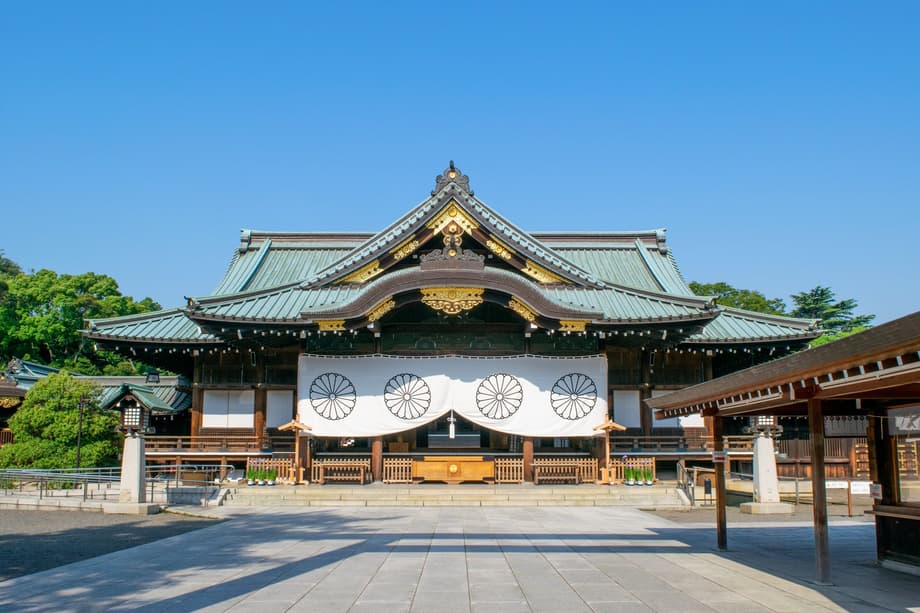
Yasukuni Shrine, located near Tokyo’s Imperial Palace, honors approximately 2.5 million Japanese soldiers who died in conflicts spanning from the Boshin War of 1868 to World War II. Among those enshrined are 1,066 individuals convicted of war crimes by Allied tribunals after 1945, including 14 Class-A war criminals responsible for orchestrating Japan’s aggression across Asia during the 1930s and 1940s. For many Chinese and Korean citizens, the shrine represents not merely a religious site but a symbol of Japanese militarism and an alleged lack of remorse for wartime atrocities.
Screenshots of the event listing circulated rapidly on Chinese social media platforms, particularly Sina Weibo, where the hashtag “Pokémon Yasukuni Shrine” accumulated 4.34 million reads within days. Chinese netizens expressed outrage that a brand popular among Chinese youth would associate itself with a location many view as honoring perpetrators of war crimes against their ancestors. One user writing under the name “HUA_ER_” received more than 2,600 likes for a post stating that any act ignoring historical truth or glorifying militarism would be nailed to the pillar of shame and despised by the public.
Another prominent user, Huanqiu Jingtou, who commands more than 738,000 followers, wrote that Japanese companies making money from China while undermining China’s interests show no respect for history. The post questioned whether the world’s largest anime IP was trying to alienate or even lose the Chinese market entirely.
The Shrine That Divides Nations
To understand the intensity of the reaction, one must grasp the unique status of Yasukuni Shrine in East Asian politics. Founded by Emperor Meiji in 1869, the shrine operates as a Shinto religious institution dedicated to the souls of those who died serving the Japanese emperor. While many Japanese visit the shrine to honor family members who died in military service, the 1978 decision to secretly enshrine 14 Class-A war criminals, including wartime Prime Minister Hideki Tojo, transformed the site into a diplomatic liability.
China, South Korea, and other nations subjected to Japanese occupation during the first half of the 20th century view official visits to Yasukuni by Japanese politicians as deliberate provocations. They argue that such visits demonstrate Japan’s failure to adequately atone for wartime atrocities, including the Nanjing Massacre, forced labor, and the use of comfort women. The shrine’s museum also presents a revisionist interpretation of World War II, minimizing Japanese aggression and portraying the Pacific War as an act of self-defense against Western imperialism.
For multinational corporations, the shrine represents a venue fraught with reputational risk. While domestic Japanese audiences might view the location as a peaceful garden or historical site, regional audiences in Asia perceive any corporate association with Yasukuni as an endorsement of Japanese nationalism and historical revisionism. The site has been defaced multiple times in recent years by activists from China and South Korea, including an incident in May 2024 when a Chinese man spray-painted the word “toilet” on a stone pillar after appearing to urinate on it.
Social Media Fury and Official Condemnation
The backlash against Pokémon extended far beyond casual social media complaints, drawing formal condemnation from China’s state-run media apparatus. The People’s Daily, the official mouthpiece of the Chinese Communist Party, published a stern editorial warning that companies disregarding historical sensitivities would face market consequences.
Brands that disregard history and hurt the feelings of the Chinese people will ultimately be abandoned by the market. The relevant enterprises must accordingly take social responsibility and not make light of the heavy weight of history in the name of entertainment.
The Global Times, a nationalist tabloid affiliated with the Communist Party, praised Chinese “young netizens” for their vigilance in spotting the event listing. The publication described any entertainment activity at the shrine as “an open affront to historical truth” and specifically condemned staging events aimed at children at such a location as “even more egregious.” The newspaper noted that China’s social media environment, while highly regulated, allowed this particular topic to trend widely, suggesting official sanction for the public anger.
Chinese Foreign Ministry spokesperson Guo Jiakun addressed the broader context of historical memory during a December 2025 press conference, stating that the Japanese side should face squarely and deeply reflect on Japan’s history of aggression, take concrete actions to show remorse for the crimes committed by Japanese militarists and respect to the victims, and not further compound the wrongdoing. The year 2025 marked the 80th anniversary of the victory of the Chinese People’s War of Resistance against Japanese Aggression and the World Anti-Fascist War, making historical sensitivities particularly acute.
Corporate Damage Control
Faced with mounting pressure, The Pokémon Company moved quickly to contain the damage. On January 30, 2026, the company issued a formal apology available in both Japanese and Chinese, acknowledging that the event listing represented a serious lapse in corporate oversight. The dual-language apology signaled the company’s recognition that the controversy required direct communication with Chinese consumers in their native language.
The company explained that individuals holding Pokémon card game certifications are permitted to post event information on the official website, but this particular listing slipped through verification processes due to insufficient due diligence. The Pokémon Company explicitly stated that the event “should not have been held to begin with” and characterized the posting as a mistake resulting from a lack of understanding regarding the venue’s historical significance.
After the incident was discovered, the event was promptly cancelled. We sincerely apologise for the various reactions and opinions that have been generated as a result of this publication.
The company pledged to fundamentally revise and strengthen its review and verification processes for event information, implementing stricter approval protocols to prevent similar incidents. The apology emphasized Pokémon’s corporate motto of “connecting the world with Pokémon” and promised to remain considerate of diverse perspectives across its global audience. The event page now returns a “404 Not Found” error, and the certified player who originally submitted the listing reportedly removed the notice from his personal page, stating the event had been “forced to cancel.”
Tensions Beyond Trading Cards
The Pokémon controversy arrives at a particularly volatile moment in Sino-Japanese relations. In November 2025, Japanese Prime Minister Sanae Takaichi suggested that Tokyo could respond with its own self-defense forces if China attacked Taiwan, a self-governing island that Beijing claims as sovereign territory. Takaichi’s remarks, which departed from Japan’s traditionally ambiguous stance on Taiwan contingency scenarios, triggered immediate diplomatic retaliation from Beijing.
China responded by urging its citizens to refrain from visiting Japan, citing serious safety threats. The Chinese Foreign Ministry reiterated these warnings on January 27, 2026, the same day that flight tracking platform Flight Master revealed the cancellation of all scheduled flights on 49 China-Japan air routes for February 2026. Additionally, Chinese authorities postponed the release of two popular Japanese films, signaling broader economic and cultural sanctions.
Takaichi herself has historical connections to the Yasukuni Shrine controversy. Before becoming prime minister in October 2025, she was a regular visitor to the shrine, though she has refrained from praying there since taking office. Her political profile, combined with the Pokémon incident, has amplified Chinese concerns about resurgent Japanese nationalism. The confluence of political rhetoric and corporate missteps has created an environment where cultural exchanges between the two nations face increasing scrutiny.
Pattern of Controversy
This is not the first time that Pokémon has faced criticism regarding Yasukuni Shrine. In 2016, the mobile game Pokémon Go designated the shrine as an in-game gym, allowing players to battle for control of the virtual location. The designation sparked criticism from Chinese and Korean users who objected to the gamification of a site associated with war criminals. Niantic, the developer of Pokémon Go, eventually removed the gym status from the location following complaints.
Three years later, in 2019, employees from Creatures Inc., a major Pokémon game developer affiliated with Nintendo, posted photographs on social media showing staff members worshiping at Yasukuni Shrine to celebrate the first day of work. The images, captioned with celebratory messages about the shrine visit, triggered anger among South Korean Pokémon fans and renewed concerns about the political leanings of companies behind the beloved franchise. Many Koreans condemned the employees for actions that could hurt the feelings of Pokémon fans across the world.
These previous incidents suggest that the January 2026 controversy represents not an isolated mistake but a recurring blind spot regarding how Japanese corporate culture interacts with historical memory in ways that alienate international audiences. For a brand that markets itself as a bridge between cultures and generations, the repeated association with a site viewed as a symbol of unrepentant militarism poses significant long-term risks to its reputation in key Asian markets.
The Essentials
- The Pokémon Company canceled a planned card game event at Tokyo’s Yasukuni Shrine scheduled for January 31, 2026, following intense backlash from Chinese social media users and state media.
- Yasukuni Shrine honors 2.5 million Japanese war dead, including 14 Class-A war criminals convicted after World War II, making it a symbol of Japanese militarism for China and South Korea.
- Chinese state media, including the People’s Daily and Global Times, condemned the event as an affront to historical truth and warned that brands hurting Chinese feelings would be abandoned by the market.
- The Pokémon Company apologized in Japanese and Chinese, stating the event “should not have been held to begin with” and blaming insufficient due diligence for allowing the listing on its official website.
- The incident occurs amid heightened diplomatic tensions between China and Japan over Prime Minister Sanae Takaichi’s November 2025 remarks suggesting Japanese military involvement in a potential Taiwan conflict.