Changi Defends Its Throne While Regional Hubs Ascend
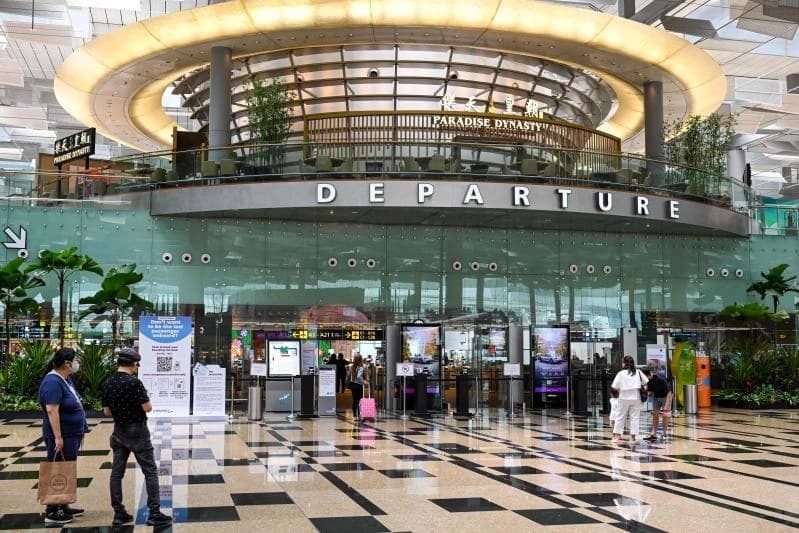
Singapore Changi Airport has cemented its status as the undisputed leader in global aviation, capturing the title of world’s best airport for 2026 and extending its record-breaking tally to 14 wins since the awards began in 2000. The London-based aviation consultancy Skytrax confirmed Changi’s position at the apex of the industry, recognizing the hub’s ability to deliver exceptional passenger experiences across every touchpoint, from check-in procedures to retail offerings and departure protocols. The airport handled a record 69.98 million passengers in 2025, surpassing pre-pandemic levels and marking a 3.4% increase compared to 2024 figures.
While Changi maintained its dominance at the summit, the latest rankings revealed a broader narrative of Southeast Asian aviation hubs making significant strides in global standing. Several airports across Indonesia, Thailand, Malaysia, and Vietnam recorded notable gains, reflecting substantial investments in infrastructure modernization, operational efficiency, and passenger experience enhancements that are reshaping the region’s competitive landscape.
Indonesia and Thailand Strengthen Their Positions
Soekarno-Hatta International Airport in Jakarta emerged as one of the region’s biggest success stories, climbing three places to secure the 22nd position globally. The airport, which serves as a major gateway to Southeast Asia with three main terminals handling both international and domestic flights, has focused intensely on service quality improvements. Located approximately 30 minutes from Jakarta’s city center, the facility has implemented strategic upgrades to meet rising public expectations.
“We are committed to continuously delivering the best experience and improving service quality in line with public expectations,” said General Manager Heru Karyadi, speaking through the Antara News Agency.
The Indonesian hub’s progress was matched by regional competitor Suvarnabhumi Airport in Bangkok, which also rose three positions to claim 36th place in the global standings. Situated about 25-30 kilometers east of central Bangkok in Bang Phli District, the airport serves as Thailand’s primary international gateway and connects to downtown via the Airport Rail Link, taxis, and major highways. Nation Thailand reported that the improved ranking reflects developments in operational efficiency and passenger experience, particularly through technology integration, accelerated service delivery, enhanced cleanliness protocols, and strengthened safety measures.
Malaysia and Vietnam Post Impressive Gains
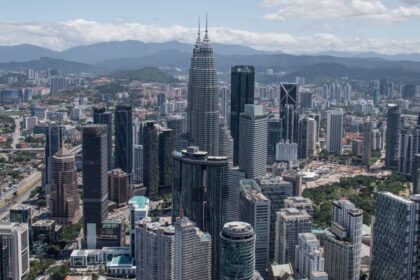
Kuala Lumpur International Airport demonstrated strong momentum by advancing five places to reach 60th position globally. As Malaysia’s largest and busiest airport, KLIA served 63.3 million passengers in 2025, representing a robust 10.8% year-on-year increase according to Malaysia Airports Holdings Bhd data. The facility continues to serve the capital city’s wider metropolitan area while expanding its capacity to accommodate growing regional traffic.
Vietnam’s aviation sector delivered particularly noteworthy results across multiple facilities. Noi Bai Airport in Hanoi surged eight places to rank 71st globally, driven by substantial facility improvements including expanded phone charging stations, complimentary Wi-Fi services, and upgraded accessibility features for passengers with disabilities. The airport’s T2 international terminal underwent a significant expansion costing VND5 trillion (US$196.4 million), with additional check-in counters and scanners installed by December 2025 to boost annual capacity to between 10 and 15 million passengers.
Further south, Da Nang airport, which serves as central Vietnam’s aviation hub, climbed nine positions to rank 75th globally. The facility’s international terminal T2 has maintained Skytrax’s prestigious 5-star rating for two consecutive years, recognized for integrating advanced technology that reduces waiting times while enhancing overall passenger comfort. Bali’s I Gusti Ngurah Rai Airport, also known as Denpasar Airport, advanced five places to 72nd position, reinforcing its status as Indonesia’s second-busiest airport and a critical hub for island travel across Asia.
Vietnam’s Cleanliness Revolution
Beyond the overall rankings, Vietnam achieved recognition in specialized categories that highlight the region’s focus on hygiene and operational excellence. Cam Ranh International Airport in Khanh Hoa Province secured a position in the top 10 of Skytrax’s 2026 Cleanest Airports ranking, surpassing several major global hubs including facilities in Germany, South Korea, the United States, and Singapore. This achievement reflects years of rigorous cleaning protocols, upgraded ventilation systems, and nearly US$450 million in terminal expansion investments.
The Cam Ranh recognition has already yielded tangible benefits for regional tourism, with local authorities reporting a 24% year-over-year increase in international arrivals to Khanh Hoa Province. Airlines operating at the airport, including Vietnam Airlines and Bamboo Airways, have expanded route offerings and increased flight frequencies to major regional hubs such as Bangkok, Seoul, and Tokyo. Turnaround times for aircraft have decreased by an average of 12 minutes due to streamlined ground-handling processes, creating operational advantages for carriers and improved connection reliability for passengers.
Global Context: Asia’s Continued Dominance
The 2026 rankings underscore Asia’s overwhelming influence on global aviation standards. Beyond Changi’s top position, the continent claimed multiple spots in the global top 10, with Seoul Incheon ranking second, Tokyo Haneda third, Hong Kong fourth, and Tokyo Narita fifth. This concentration of excellence reflects sustained investment in infrastructure, extensive integration of automation and biometric technologies, and service cultures that prioritize seamless passenger flows.
The regional landscape experienced one notable absence this year. Hamad International Airport in Doha, which had previously challenged Changi for the top position, withdrew from the 2026 awards program citing the ongoing regional conflict. This withdrawal, which included non-participation in the London Passenger Terminal Expo 2026, mechanically benefited other competitors in the rankings. However, Dubai and Abu Dhabi maintained their presence at 13th and 23rd positions respectively, while Riyadh’s King Khalid Airport received recognition as the world’s most improved airport, climbing from 24th to 14th place.
Europe’s strongest performer, Paris Charles de Gaulle Airport, reached sixth place globally while retaining its title as best airport in Europe for the fifth consecutive year. Rome Fiumicino ranked seventh, Istanbul eighth, and Munich ninth, demonstrating that while Asian hubs dominate the upper echelons, European facilities remain competitive through continuous infrastructure modernization and service optimization.
Methodology and Industry Impact
The Skytrax World Airport Awards, established in 1999, represent one of the largest passenger satisfaction surveys in the aviation sector, widely regarded as a global benchmark for airport quality. The 2026 edition compiled questionnaires from travelers of more than 100 nationalities, collected between August 2025 and February 2026, with no involvement or funding from the evaluated airports to ensure ranking independence.
The evaluation covers the entire passenger journey, including check-in and baggage procedures, security screening and immigration formalities, transfer efficiency, wayfinding and terminal signage, facility cleanliness and comfort, retail and dining options, and digital services including self-service kiosks and biometric systems. In total, more than 575 airports worldwide undergo assessment based on these performance indicators, with particular attention to consistency and overall quality.
Several Southeast Asian airports earned distinguished positions in regional subcategories. Jakarta ranked eighth among Asian airports, while other regional hubs secured placements in specialized lists recognizing staff service quality, cleanliness standards, and most improved facilities. These specialized awards reflect growing industry emphasis on innovation, passenger flow efficiency, and service personalization that extends beyond basic infrastructure metrics.
The Essentials
- Singapore Changi Airport retains the world’s best airport title for 2026, marking its 14th overall victory and handling a record 69.98 million passengers in 2025
- Soekarno-Hatta International Airport in Jakarta climbed three places to 22nd globally, while Suvarnabhumi Airport in Bangkok reached 36th position
- Kuala Lumpur International Airport advanced five places to rank 60th, processing 63.3 million passengers with 10.8% year-on-year growth
- Noi Bai Airport in Hanoi jumped eight positions to 71st following a VND5 trillion terminal expansion project
- Da Nang Airport ranked 75th globally with a 5-star rated international terminal, while Bali’s Ngurah Rai Airport reached 72nd place
- Vietnam’s Cam Ranh International Airport entered the top 10 cleanest airports globally, surpassing several major hubs in hygiene standards
- Asia dominates the global top 10, claiming five positions including Seoul Incheon (2nd), Tokyo Haneda (3rd), Hong Kong (4th), and Tokyo Narita (5th)
- The rankings derive from independent passenger surveys across 100+ nationalities assessing 575+ airports on service quality, facilities, and operational efficiency