The Incident That Sparked Debate
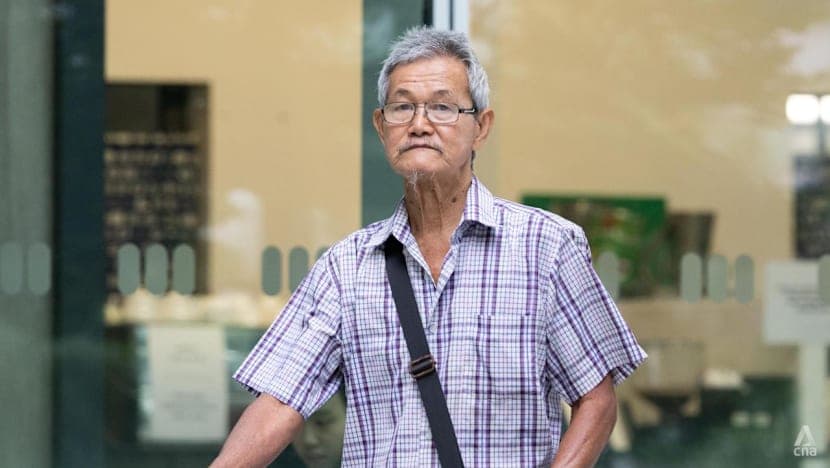
On a routine afternoon in October, a simple bus ride transformed into a legal ordeal for 77-year-old Tan See Chee. What began as an ordinary journey through Toa Payoh culminated in a courtroom appearance three months later, where the elderly Singaporean faced charges of mischief for an act that lasted mere minutes but carried consequences far exceeding his expectations. The case has captured public attention by highlighting the intersection of individual compassion and state-led conservation efforts in one of Asia’s most densely populated cities.
Tan was fined S$500 (approximately US$394) on January 27 after admitting to cutting cable ties and opening a bird trap set up by the National Parks Board (NParks). His actions allowed three house crows to escape, disrupting an official wildlife management operation designed to control populations of this invasive species. While the financial penalty may seem modest compared to the maximum sentence of 10 years imprisonment he could have faced, the incident has ignited discussions about the balance between personal ethics and legal compliance in matters of urban wildlife.
The incident highlights the tension between individual acts of kindness toward animals and systematic approaches to biodiversity conservation. For Tan, who appeared hard of hearing during his court appearance and apologized for what he termed a mistake, the momentary decision to liberate the birds seemed driven by empathy and concern for their welfare. For authorities, it represented an interference with carefully coordinated public health and safety measures that protect both native ecosystems and human communities from the threats posed by unchecked invasive species.
The case also raises questions about public awareness of wildlife management practices. Many residents remain unaware of the extent of NParks operations or the legal framework surrounding conservation efforts. The actions of Tan, though well-intentioned in the eyes of some observers, violated specific provisions of the Penal Code designed to safeguard public agencies from disruptions that could compromise their effectiveness in serving the broader community interest.
A Fateful Bus Ride
The sequence of events unfolded on October 20, 2025, when Tan was traveling by bus through the Toa Payoh neighborhood. Glancing out the window, he spotted something unusual at a grass patch near Block 181, Lorong 4 Toa Payoh: a large bird trap containing captured crows. This chance observation set in motion a chain of events that would ultimately involve law enforcement, judicial proceedings, and significant public debate.
According to court documents, Tan alighted from the bus and had a meal nearby. Rather than continuing his day, he walked to the grass patch where NParks had deployed the trap as part of ongoing crow population management operations. The trap, operated by contractor Bird Management on behalf of the national parks agency, contained 10 birds at the time of his arrival.
Using a pair of scissors, Tan cut the cable ties securing the trap netting and opened the door. Three crows immediately escaped into the urban landscape. An employee from Bird Management monitoring the situation remotely through a closed-circuit television system witnessed the act in real time and attempted to intervene using the trap audio warning system. Despite the verbal warning blasted through speakers, Tan left the scene, and the birds flew free.
A wildlife lead at Bird Management lodged a police report later that same day. Through CCTV footage and investigations, authorities identified Tan within two days, on October 22. He was subsequently charged on December 16, 2025, with one count of mischief causing disruption to the performance of a public agency function under Section 427(1)(b) of the Penal Code 1871.
From Charge to Sentence
The legal journey of Tan See Chee moved swiftly through the court system of Singapore. During his initial appearance on December 16, he indicated through a court officer that he intended to plead guilty and would not be engaging legal representation. This set the stage for his sentencing hearing on January 27, where Deputy Principal District Judge Ong Chin Rhu presided over the matter.
Deputy Public Prosecutor Melissa Heng presented the facts, noting that NParks serves as the lead agency for wildlife management in Singapore. The organization employs an approach using multiple methods to control animal populations, combining trapping and removal with habitat management and public education.
In his mitigation plea, the elderly defendant offered a simple but direct apology. Tan stated:
I am sorry for doing a mistake.
The prosecution sought a fine rather than imprisonment, leaving the specific quantum to the discretion of the court. Judge Ong considered several factors in her sentencing decision. She noted the limited damage caused by his actions and, significantly, his voluntary compensation of S$370.60, paid on January 26, the day before his sentencing. This restitution covered both the direct financial losses suffered by the contractor and the operational disruptions caused by the incident.
Why Singapore Manages Crow Populations
To understand why authorities responded with such seriousness to the release of three birds, one must examine the ecological status of house crows in Singapore. Scientifically known as Corvus splendens, these birds are not native to the island nation. Originally from the Indian subcontinent, they arrived in Singapore through human activity and have established themselves as an invasive species with significant environmental impacts.
Deputy Public Prosecutor Melissa Heng emphasized the ecological threat posed by the birds during the proceedings. She told the court:
House crows are an invasive non-native species in Singapore and pose a threat to local biodiversity. They are also very protective of their young and may attack if they feel threatened.
House crows pose a substantial threat to local biodiversity. As opportunistic predators and competitors, they disrupt native bird populations, raid nests for eggs and chicks, and outcompete indigenous species for resources. Their aggressive nature extends to human interactions, particularly during breeding season when they become extremely protective of their young. Residents in areas with high crow populations report unprovoked attacks, known as swooping or diving incidents, that pose safety risks to pedestrians, cyclists, and outdoor workers.
Beyond physical aggression, crows generate considerable concerns regarding quality of life for urban residents. Their distinctive cawing creates noise disturbances, particularly during early morning hours. Large roosts produce significant volumes of droppings that soil public spaces, vehicles, and buildings. The acidic nature of bird droppings can damage infrastructure and create slip hazards on walkways.
NParks emphasizes that crow management is not about eliminating wildlife but maintaining ecological balance in an urban environment where natural predators are absent. Without population control measures, invasive species can rapidly multiply, overwhelming native ecosystems and creating unsustainable living conditions for human residents.
The Growing Crow Challenge
Statistics presented in court reveal the magnitude of crow management efforts in Singapore. Between 2024 and 2025, NParks removed more than 12,000 crow nests and 20,000 individual crows from urban hotspots across the island. These figures represent a massive logistical operation involving specialized contractors, sophisticated trapping equipment, and extensive monitoring systems.
Despite these removal numbers, NParks has observed an increase in crow-related feedback from the public between 2023 and 2025. This paradox suggests that population growth or urban encroachment into crow habitats is outpacing control efforts, or alternatively, that public awareness and reporting have increased. Either interpretation points to a persistent challenge that requires consistent, systematic intervention.
The financial structure of these operations reveals why individual acts of interference carry economic consequences. NParks pays contractors S$20 per captured crow. When Tan released three birds, he directly cost the contractor S$60 in lost revenue. Additional expenses included labor time for repairs and trap restoration, bringing the total damages to approximately S$370.
Deputy Public Prosecutor Heng explained that the bulk of the compensation covered the time required for Bird Management employees to travel to the site, assess the damage, repair the trap, and restore it to operational status. This labor-intensive process ensures that traps remain functional and humane, meeting animal welfare standards while serving their population control purpose.
Community Divided
Public reaction to the case involving Tan has revealed divided sentiment within the community in Singapore. Online discussions suggest that many residents sympathize with the motivations of the elderly man. Some observers speculated that Tan probably felt sorry for the birds, knowing they were going to be culled, suggesting his act stemmed from compassion rather than malice or criminal intent.
This empathy reflects a broader tension in urban wildlife management. Many residents appreciate wildlife and feel discomfort with lethal control methods, even when they understand the ecological necessity. The sight of birds confined in traps can evoke strong emotional responses, particularly among elderly individuals who may prioritize immediate acts of kindness over abstract conservation principles.
However, authorities maintain that individual interference undermines professionally managed conservation programs. The police statement issued when Tan was charged emphasized that they take a serious view of such acts of mischief and will not hesitate to act against those who damage public property or apparatus deployed for public functions. NParks typically posts warning signs at trap locations indicating CCTV monitoring and advising the public to maintain distance.
The case serves as a reminder that wildlife management in dense urban environments requires collective compliance with established protocols. While individual compassion is understandable, unauthorized release of trapped animals can disrupt data collection, waste public resources, and potentially introduce risks if aggressive birds return to problematic nesting sites.
Understanding the Law
Tan was prosecuted under Section 427(1)(b) of the Penal Code 1871, a provision that criminalizes mischief causing disruption to the performance of a public agency function. This offense carries a maximum penalty of 10 years imprisonment, a fine, or both, reflecting the serious potential consequences of interfering with government operations.
The legal framework distinguishes between simple mischief, such as minor property damage, and acts that specifically impede public agencies. By targeting the trap during an active NParks operation, his actions fell into the latter category. The law recognizes that disrupting public functions can have cascading effects beyond the immediate property damage, affecting community safety, environmental management, and administrative efficiency.
Legal experts note that while the maximum sentence is severe, courts in Singapore typically reserve imprisonment for cases involving significant damage, repeat offenses, or malicious intent. The case warranted a financial penalty due to his advanced age, lack of criminal history, voluntary restitution, and the limited scope of the disruption. The S$500 fine, while substantial for a pensioner, represents a fraction of the potential punishment and acknowledges the mitigating circumstances.
At a Glance
- Tan See Chee, 77, was fined S$500 on January 27 for releasing three crows from an NParks trap in Toa Payoh
- The incident occurred on October 20, 2025, when Tan cut cable ties securing the trap after spotting it from a bus
- He voluntarily compensated the contractor S$370.60 for lost revenue and repair costs before sentencing
- House crows are an invasive species in Singapore, with NParks removing over 20,000 crows and 12,000 nests between 2024 and 2025
- Despite removal efforts, public feedback about crow-related issues increased during the same period
- The offense carries a maximum penalty of 10 years imprisonment, though the court imposed only a fine considering the remorse of Tan and limited damage
- Tan paid the fine in full and expressed remorse in court for what he described as a mistake