Vietnam Launches Ambitious Visa Incentive Program
Standing Deputy Prime Minister Nguyen Hoa Binh has signed Decision No. 161, approving a detailed implementation plan for Government Decree 221/2025/ND-CP. This regulatory framework introduces a time-limited visa exemption scheme that allows eligible foreign nationals to enter Vietnam multiple times over a period of up to five years without obtaining traditional visas. The initiative represents one of Vietnam’s most significant immigration policy reforms in recent years, specifically designed to attract high caliber professionals, investors, and cultural figures who can contribute meaningfully to the socio-economic development of the country.
The implementation plan establishes clear timelines, assigns specific responsibilities to government agencies, and creates coordination mechanisms to ensure the decree operates effectively. Unlike standard tourist visa waivers, this program targets individuals whose expertise and investment capabilities align with Vietnam’s strategic economic priorities, including semiconductor development, digital technology, and high value manufacturing. The Ministry of Public Security will lead the coordination efforts, working alongside the Ministry of Foreign Affairs, Ministry of Education and Training, and Ministry of Finance to ensure seamless execution.
Decision 161 mandates that all relevant ministries and provincial authorities complete inspections and reviews of related legal documents by March 1, 2026, proposing amendments where necessary to ensure effective implementation. Additionally, agencies must submit annual progress reports to the Prime Minister by August 15 each year, ensuring ongoing accountability and transparency in the program’s administration. The plan distinguishes itself from standard visa policies through its emphasis on long term retention of global talent rather than short term visitor convenience.
Eligibility Criteria for Special Beneficiaries
Decree 221 establishes five distinct categories of foreign nationals eligible for special visa exemptions, each with specific qualification benchmarks designed to ensure that only individuals capable of contributing significantly to Vietnam’s development receive preferential treatment. The categories range from high level state guests to technical experts, corporate leaders, cultural ambassadors, and specialized personnel invited by approved institutions.
The first category includes guests invited by Vietnam’s highest leadership, including the General Secretary of the Communist Party, the State President, the Chair of the National Assembly, the Prime Minister, and other senior officials at the ministerial and provincial levels. These individuals typically participate in diplomatic, governmental, or high level business engagements that require flexible travel arrangements.
The second and most extensive category covers scholars, experts, scientists, university professors, chief engineers, and high quality digital technology personnel. To qualify, these individuals must meet rigorous international standards. For instance, corporate leaders must represent companies ranked among the world’s top 100 by market capitalization as determined by reputable international organizations. Scientists must hold prestigious international awards or demonstrate exceptional expertise with high impact publications in international journals and multiple high quality patents. Medical researchers need doctoral degrees and invitations from reputable Vietnamese medical institutes or universities.
Cultural, artistic, sports, and tourism figures constitute the third eligible group. This includes artists who have received recognized international awards in performing arts, cinema, music, or fine arts; top 100 global football players as ranked by FIFA or AFC; Olympic and Asian Games medalists; and tourism content creators with at least one million social media followers who actively promote Vietnamese culture and destinations. The Ministry of Culture, Sports and Tourism oversees verification for this category.
Additional eligible groups include Vietnam’s honorary consuls abroad, guests of government approved research institutes and universities, and other individuals deemed necessary for diplomatic or socio-economic purposes by the Minister of Public Security. The government will issue specific resolutions approving the lists of qualifying research institutions and large enterprises authorized to invite foreign nationals under this scheme.
Understanding the Special Visa Exemption Card
Eligible beneficiaries receive a Special Visa Exemption Card (SVEC), available in both digital and physical formats with equal legal validity. These cards facilitate multiple entries into Vietnam during their validity period, which can extend up to five years but must remain at least 30 days shorter than the passport’s remaining validity. Upon each entry, cardholders receive a 90 day temporary residence stamp, or a period matching the card’s remaining validity if less than 90 days.
The digital SVEC provides immediate accessibility upon approval, allowing beneficiaries to present electronic documentation at border checkpoints. For those requiring physical documentation, the chip-embedded card contains encrypted biometric and personal data, including full name, date of birth, gender, nationality, passport details, facial images, fingerprints, and foreigner identification numbers where applicable. Immigration authorities issue these physical cards only when the applicant is present in Vietnam, has provided biometric data for the National Immigration Database, or holds a Level 2 electronic identification account, and when the visa exemption validity extends to at least three years.
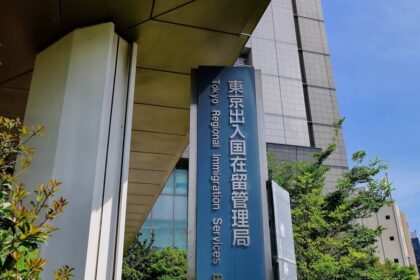
The Immigration Department under the Ministry of Public Security maintains authority to process applications, issue cards, and revoke privileges if holders no longer meet eligibility criteria. Cardholders may request extensions, new visas, or temporary residence cards if their specific circumstances require longer stays beyond the standard 90 day period per entry.
Government Coordination and Implementation Timeline
Decision 161 establishes a comprehensive governance framework requiring close coordination among multiple ministries and local authorities. The Ministry of Public Security assumes primary responsibility for overall implementation, including processing applications, managing the National Immigration Database, and overseeing border control procedures. This ministry must also coordinate public awareness campaigns through official government portals and appropriate channels to ensure consistent understanding among officials and stakeholders.
The Ministry of Foreign Affairs collaborates with the Ministry of Public Security to conduct international outreach, disseminating information about Decree 221 to business communities, foreign investors, and eligible individuals through overseas media, international communication channels, and tourism and investment forums. Meanwhile, the Ministry of Culture, Sports and Tourism works with media outlets to publicize the decree’s provisions and guide public understanding of the program.
Looking ahead to 2026 and subsequent years, the Ministry of Education and Training will propose criteria for identifying qualifying research institutes, universities, and major universities authorized to invite foreign experts. Simultaneously, the Ministry of Finance will develop criteria for identifying large enterprises eligible to invite preferred foreign nationals. The Ministry of Public Security will collect these proposals and submit them to the government for formal resolution approval, with authority to amend or supplement lists within 30 days of receiving input from the education and finance ministries.
All ministries, central agencies, and provincial People’s Committees must complete legal document reviews by March 1, 2026, proposing necessary amendments to ensure effective decree implementation. Furthermore, these entities must submit annual progress reports by August 15 each year, or ad hoc reports when required by the Prime Minister, ensuring continuous oversight and accountability.
Application Procedures and Processing Times
Foreign nationals cannot apply independently for special visa exemptions. Instead, competent Vietnamese agencies, organizations, or approved institutions must sponsor candidates by submitting formal requests to the Immigration Department. The process requires different forms depending on the beneficiary category. State guests invited by top leaders use Form NA-01, while scholars, experts, investors, and cultural figures require Form NA-02.
Applications must include a written notification or request from the sponsoring agency, along with copies of the applicant’s passport personal information page. Processing times vary by category: applications for high level state guests receive decisions within three working days, while scholars, experts, investors, and cultural figures typically wait up to five working days. Physical chip-embedded cards require up to seven working days from application receipt.
Upon approval, sponsors receive notification through Form NB-01 regarding digital card access or Form NC-02 for physical card issuance. If authorities deny the application, they provide written explanations outlining the reasons for rejection. Sponsoring organizations bear responsibility for regularly reviewing cardholder status and notifying the Ministry of Public Security when individuals no longer meet criteria or wish to surrender their exemption privileges.
Strategic Economic Objectives and Global Integration
This visa reform arrives as Vietnam positions itself as a critical hub for global supply chain diversification and technological innovation. The program specifically targets experts in semiconductor manufacturing, core digital technologies, and high value research and development, reflecting the government’s priority to foster a dynamic, globally competitive economy. By offering five year multiple entry privileges, Vietnam aims to attract startup innovators, renowned investors, and technical specialists who can transfer knowledge and capabilities to local industries.
The initiative complements broader immigration liberalization measures, including Resolution 229, which grants 45 day visa-free entry to tourists from 12 European countries including Belgium, the Netherlands, Switzerland, and Poland. While Resolution 229 focuses on tourism promotion, Decree 221 specifically targets long term economic contributors, creating a dual-track approach to immigration policy that balances short term visitor convenience with long term talent acquisition.
Industry analysts note that Vietnam faces increasing competition from neighboring countries in attracting foreign direct investment and technical expertise. The five year visa exemption provides a competitive advantage by reducing administrative friction for executives and specialists who must frequently travel between regional headquarters and Vietnamese operations. This stability proves particularly crucial for sectors involving extended project timelines, such as semiconductor fabrication facilities, advanced manufacturing complexes, and multi-year research collaborations between international and Vietnamese academic institutions.
Key Points
- Standing Deputy Prime Minister Nguyen Hoa Binh signed Decision 161 in January 2026, approving the implementation plan for Decree 221/2025/ND-CP on special visa exemptions.
- The decree took effect on August 15, 2025, offering eligible foreign nationals multiple-entry visa exemptions valid for up to five years.
- Eligible categories include high level state guests, top scientists and experts, leaders of global top 100 corporations, renowned cultural and sports figures, and guests of approved research institutions.
- Beneficiaries receive Special Visa Exemption Cards in digital or chip-embedded physical formats, allowing 90 day stays per entry.
- The Ministry of Public Security leads implementation, coordinating with the Ministries of Foreign Affairs, Education and Training, and Finance.
- All relevant agencies must complete legal document reviews by March 1, 2026, and submit annual progress reports by August 15 each year.
- Processing times range from three working days for state guests to five working days for experts and investors.