A Quiet Revolution in Resource Finance
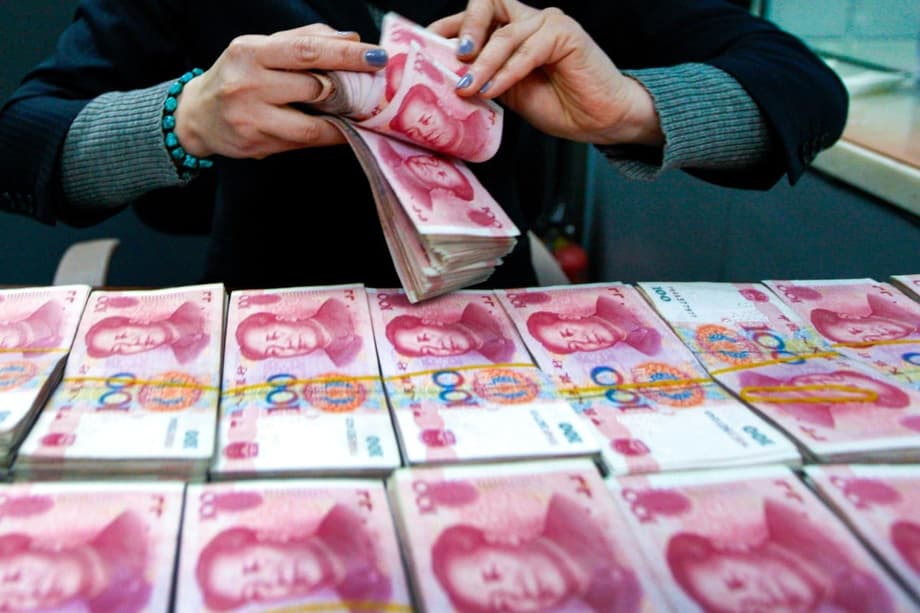
In October 2025, Zambia quietly made history. The Bank of Zambia announced that Chinese mining companies operating in Africa’s second-largest copper producer could now settle their tax obligations and royalties using Chinese yuan rather than US dollars. This marked the first time any African nation had accepted the renminbi for mining sector payments, establishing a new template for how resource-rich countries manage their relationships with Beijing.
The policy shift did not emerge from sudden geopolitical ambition. Instead, it grew from pressing economic necessity. Zambia has faced acute shortages of US dollar liquidity while carrying more than six billion dollars in debt obligations to Chinese creditors. By allowing Chinese miners to pay taxes in yuan, Lusaka created a direct channel to service those debts without the costly currency conversions that have historically drained its foreign reserves.
The arrangement works through a mechanism established in 2018, when Zambia first required mining companies to sell foreign currency to the central bank for tax payments. That rule initially targeted only mineral royalties and specified US dollars. Authorities expanded it in 2020 to cover all mining taxes while maintaining the dollar requirement. The latest update introduces a dual-currency option, allowing firms to sell either dollars or yuan to the Bank of Zambia at published exchange rates.
The Machinery of Monetary Change
To support the new payment option, the Bank of Zambia began publishing official renminbi-kwacha exchange rates in December 2025. Mining companies now face a straightforward choice when tax payments come due. They can sell US dollars to the central bank at the published dollar-kwacha rate, or they can sell yuan at the renminbi-kwacha rate. The central bank then holds these currencies in its reserves.
This system builds upon years of regulatory evolution. The 2018 regulations that first forced miners to surrender foreign currency were designed to bolster government reserves during a mounting debt crisis. By expanding these rules to accept yuan, authorities have created a closed loop that matches currency inflows with outflows. Chinese mining firms often receive payment for their copper exports to China in renminbi. Now they can pass those same yuan directly to the Zambian government, which can then use them to service Chinese loans.
The efficiency gains are substantial. When Zambia previously received dollars from miners only to convert them back to yuan for debt service, each transaction incurred banking fees and exchange rate spreads. Eliminating this round tripping saves money on every transfer. For a nation struggling with liquidity, these savings matter.
Economic Pressure Meets Practical Solutions
Dr Charles Mak, a lecturer and assistant professor at the University of Bristol Law School, views the move through a lens of economic pragmatism rather than political alignment. He notes that the decision responds to severe liquidity constraints.
For a government under severe liquidity pressure, accepting the currency of its largest creditor and trading partner is a rational way to ease balance-of-payments stress, reduce transaction costs and manage debt service more efficiently.
The ruling United Party for National Development has embraced this interpretation. Mark Simuuwe, the party’s media director, described the policy as a pragmatic response to structural economic realities. He noted that China stands as Zambia’s largest bilateral creditor and a dominant buyer of its copper exports.
This policy position is a pragmatic, strategic and economically driven decision, anchored in Zambia’s trade realities, debt profile, and the structure of its mining sector.
Simuuwe pointed to specific advantages beyond debt service. Using yuan reduces exposure to exchange rate fluctuations during conversion processes. It also cuts transaction costs associated with third-party clearing systems based in New York, streamlining operations for both government and private sector participants.
A Pattern Across the Continent
Zambia is not alone in its turn toward the yuan. Kenya has already taken a parallel path, converting five billion dollars of railway loans from the Export-Import Bank of China into yuan-denominated obligations. Nairobi expects this restructuring to save approximately two hundred fifty million dollars annually by eliminating unnecessary currency conversions.
Ethiopia has entered preliminary discussions about similar arrangements, while Zambia itself has indicated it may convert additional debts to yuan. These moves form part of a broader shift across Africa as nations seek alternatives to dollar-denominated obligations amid persistent foreign exchange shortages.
The trend reflects changing trade patterns. China has become the largest trading partner for most African nations, purchasing the bulk of the continent’s mineral exports and supplying infrastructure through its Belt and Road Initiative. As commercial ties deepen, the financial architecture is adapting to match these flows.
Beijing’s Currency Ambitions
For China, the expansion of yuan usage in African mining and government finance represents progress toward a long-term strategic goal. Beijing has sought to internationalize its currency for over a decade, aiming to reduce global dependence on the US dollar and protect its financial sector from potential Western sanctions.
Progress has been gradual. The yuan still accounts for less than two percent of global foreign exchange reserves, though its share in trade finance has grown from roughly two percent to nearly seven percent over the past five years. Africa has emerged as a testing ground where these ambitions meet practical opportunity.
The continent’s resource-rich, debt-laden economies offer ideal conditions for yuan expansion. Nations with substantial Chinese debt and commodity exports to China can create natural currency circuits that bypass the dollar entirely. The African Export-Import Bank and South Africa’s Standard Bank have already joined China’s Cross-border Interbank Payment System, an alternative to the SWIFT network that allows businesses to settle transactions directly in renminbi.
Balancing Efficiency and Dependency
While the economic logic of yuan acceptance appears compelling, experts caution about potential risks. Greater reliance on Chinese currency could deepen dependence on Beijing, limiting future policy flexibility. The yuan remains less convertible than the dollar, with exchange rates still influenced by Chinese policy decisions rather than market forces alone.
Resource-dependent nations must weigh immediate cost savings against longer-term strategic considerations. Accumulating large yuan reserves creates concentration risk if access to Chinese financial markets becomes constrained. Central banks must develop sophisticated risk management frameworks to handle multi-currency portfolios without creating excessive exposure to any single economy.
Joseph Jalasi, a senior partner at Dentons’ local unit in Zambia, noted that successful implementation depends on the central bank’s reserve management policies and pricing mechanisms. Transparent operational guidance will prove essential for maintaining confidence among mining operators and international partners.
A Template for Tomorrow
Despite these cautions, Zambia’s experiment has created a tangible blueprint for other African nations facing similar circumstances. The model requires specific conditions: substantial bilateral trade with China, significant debt obligations to Chinese creditors, and institutional capacity to manage multi-currency operations.
Ghana, with its gold exports to China and growing infrastructure debt, represents a potential next candidate. Tanzania, with substantial Chinese investment in its mining sector, may follow as its institutional capabilities mature. The regional precedent suggests that what began as a pilot program in Zambia could spread across the continent’s mining jurisdictions over the coming years.
The transformation extends beyond government finance. Multinational mining companies operating across Africa must now develop enhanced multi-currency capabilities. Canadian firms First Quantum Minerals and Barrick Gold, which produce roughly two-thirds of Zambia’s copper, must navigate systems that accommodate both traditional dollar payments and new yuan options. Chinese operators including China Nonferrous Mining enjoy natural alignment between their financing, export receipts, and tax obligations.
As copper prices have surged to their strongest annual gains since 2009, the stakes around these currency decisions have only grown higher. The competition for productive mining assets is intensifying, and operational efficiency in tax payments could influence investment flows across the continent.
Key Points
- Zambia became the first African nation to accept Chinese yuan for mining taxes and royalties in October 2025
- Chinese mining firms can now pay tax obligations in renminbi, creating a direct channel to service Zambia’s Chinese debt
- The Bank of Zambia publishes official renminbi-kwacha exchange rates to facilitate transactions
- Kenya has converted five billion dollars of Chinese railway loans to yuan denomination, expecting annual savings of two hundred fifty million dollars
- Ethiopia is exploring similar debt arrangements, suggesting a broader continental shift toward yuan usage
- Experts describe the move as a pragmatic response to dollar liquidity shortages rather than geopolitical alignment
- The policy creates a potential blueprint for other resource-rich African nations with significant Chinese trade and debt relationships