A trade case that reshapes a crowded market
Taiwan will keep anti dumping duties on beer and certain hot rolled steel from China in place for five years after trade investigators concluded that the imports were sold at unfairly low prices and harmed local producers. The Ministry of Finance worked with the Ministry of Economic Affairs to finalize the measures, closing an inquiry that opened in March 2025 following complaints from domestic brewers and steelmakers. The decision gives legal backing to provisional tariffs that began in early July and confirms that both dumping and injury occurred.
Beer will face tariffs ranging from 19.13 percent to 51.94 percent, depending on the exporter. Several Anheuser Busch InBev linked breweries were set at 31.3 percent, while Kirin Brewery Zhuhai received a 19.13 percent rate. All other Chinese beer makers and exporters are assigned 51.94 percent. For certain hot rolled flat steel products, Baoshan Iron & Steel Co., Baosteel Zhanjiang Iron & Steel Co., and Shanghai Meishan Iron & Steel Co. were each assessed 16.1 percent, while all other Chinese producers face 20.15 percent. The measures run for five years from July 2025, with customs authorities aligning the provisional duties collected since July 3 with the final rates.
Imports of beer between April 4 and July 2 can also be taxed if importers knew or should have known that dumping was taking place and if a surge in volumes would have undermined the measure. China was Taiwan’s largest source of beer in 2024, with shipments worth about 125 million US dollars. In the first half of 2025, Chinese beer accounted for more than 70 percent of beer imports and over 39 percent of the overall beer market. Local breweries reported a 20 percent market share drop alongside a 15 percent production decline, with capacity use down about 30 percent. The trade move arrives at a time of persistent political tension across the Taiwan Strait.
How the case unfolded
The government launched anti dumping probes in March 2025 into Chinese made beer and selected hot rolled steel after local producers alleged unfair competition. To prevent further harm while the investigation proceeded, temporary duties took effect on July 3 for four months. Those preliminary beer tariffs ranged as high as 64.14 percent, while steel duties topped out at 20.15 percent. The Ministry of Economic Affairs later affirmed substantial injury to the beer and steel industries after examining price effects, market share, profits and production indicators.
Authorities announced the final duty schedule on Nov. 27, confirming a five year period starting from July 2025. The Customs Administration said importers who paid higher temporary rates will receive refunds when the final company specific rates are applied. The economics ministry added that there was no evidence the measures would harm Taiwan’s broader economic interests.
Retroactive coverage for spring imports
Taiwan’s rules allow duties to reach back to the period before provisional tariffs if two conditions are met. Importers must have known or should have known about dumping likely to cause injury, and import volumes must have surged in a way that would weaken the future remedy. The government said beer that entered Taiwan between April 4 and July 2 can be assessed under those conditions. Many importers accelerated shipments in late spring ahead of the provisional tariffs, magnifying the spike before the July 3 start date.
Who pays and how much
The final measures apply to named companies and a residual category, and they cover specific beer products and hot rolled flat steel items. The beer case includes breweries tied to international brands and a rate for all others. The steel case targets certain flat products that feed Taiwan’s manufacturing sectors.
- Beer: Anheuser Busch InBev Sedrin Brewery Co. and related brewing or sales units, 31.3 percent
- Beer: Kirin Brewery Zhuhai, 19.13 percent
- Beer: All other Chinese brewers or exporters, 51.94 percent
- Steel: Baoshan Iron & Steel Co., 16.1 percent
- Steel: Baosteel Zhanjiang Iron & Steel Co., 16.1 percent
- Steel: Shanghai Meishan Iron & Steel Co., 16.1 percent
- Steel: All other Chinese producers, 20.15 percent
Hot rolled steel is a basic industrial input made by rolling steel at high temperature, then coiling it for shipment. It is used in construction beams, shipbuilding, pipelines, automotive parts and machinery. Because the product is a feedstock for many downstream goods, price swings in hot rolled coil often ripple through parts of the economy that rely on metal working and fabrication.
How anti dumping actions work
Dumping occurs when a company sells a product in an export market at a price lower than its home market price or below its cost plus a reasonable profit. Investigators compare an exporter’s home market price, known as the normal value, to the export price reported at the border. If the export price is lower, the difference is the dumping margin. Governments may impose a duty up to the size of that margin if they also find injury to the domestic industry and a causal link to the dumped imports. Injury indicators include price undercutting, lost market share, shrinking profits, lower capacity use and reduced employment.
Provisional measures, like the four month tariffs Taiwan used from July 3, are temporary and guard against ongoing injury while officials finish the case. Final measures translate the investigation’s findings into company specific rates that remain in place for a set period, typically up to five years under World Trade Organization rules. The law also permits retroactive collection in limited situations, such as when importers rush goods into the market after learning an investigation is under way. Exporters can ask for administrative reviews to adjust rates if pricing or cost conditions change. The government can also examine claims that exporters route goods through third countries to evade duties.
The beer market in Taiwan is changing
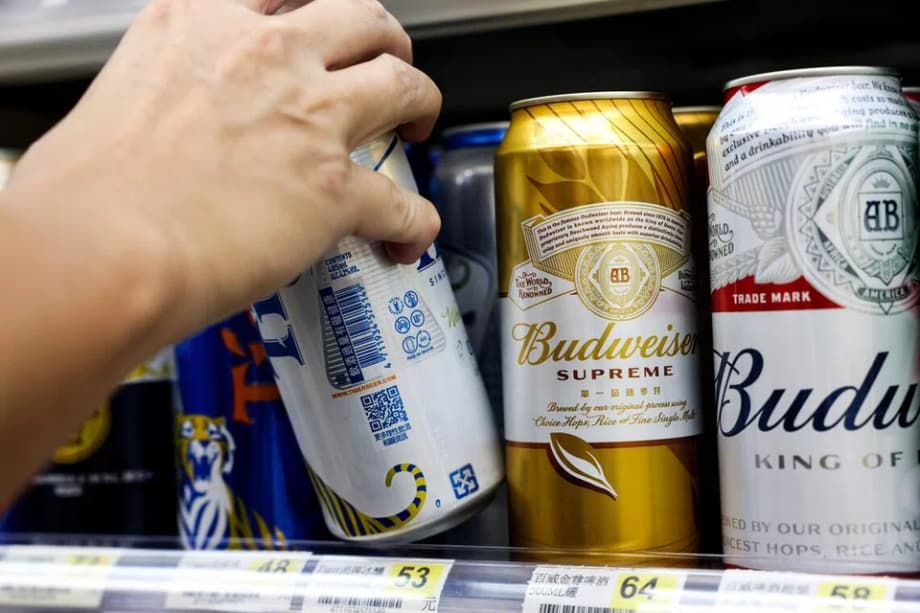
Low shelf prices helped Chinese brewers dominate Taiwan’s beer imports and gain a large slice of total sales in early 2025. Domestic brands argued that sustained price undercutting and marketing tied to international labels eroded their position. Industry groups said some Chinese brewers receive support from local governments and from subsidized suppliers of inputs, distorting the playing field. The Customs Administration reported that Chinese beer accounted for more than 70 percent of imports and over 39 percent of the whole beer market in the first half of the year. Local brewers saw market share and output fall during that period.
Before the temporary tariffs took effect in July, importers increased orders in May and June, which pushed additional supply into the market. Beer labels and brand licensing can make origin less obvious to shoppers, with some Chinese producers using international names or Taiwanese design elements on packaging. Taiwan producers and retailers will now test new pricing and promotion strategies as the duties bite. Cross border access remains uneven because China continues to block imports of Taiwan Beer and Taihu Beer.
What shoppers might notice at the checkout
Store shelves are unlikely to empty, but the mix could shift. Some Chinese brands may stay on offer at higher prices, while others give ground to domestic labels or beer from Japan, South Korea and Europe. Retailers might scale back deep discount bundles and focus on smaller promotions as they evaluate demand. Bars and restaurants often negotiate supply contracts, and any extra costs could appear gradually when agreements renew. The size of any price change will vary by brand, product size and importer margins.
Steel, overcapacity and supply chains
China’s steel sector produces far more than its domestic economy can absorb. Excess supply can pressure prices in export markets, and Asian steelmakers have argued for years that low priced shipments depress margins and investment at home. Taiwan imported about 2.57 million tons of Chinese steel in 2024. The final duties on hot rolled flat steel, set at 16.1 percent for three named producers and 20.15 percent for all others, are designed to offset the dumping margin without cutting off trade entirely.
Downstream users in construction, home appliances and machinery could see modest cost pressure if coil prices rise. The effect will depend on existing contracts and the availability of supplies from Japan, South Korea or other sources. Many buyers diversify suppliers to manage risk, and local mills can meet a meaningful share of demand. The economics ministry said it found no evidence the duties would harm Taiwan’s broader economic interests, which suggests the expected cost impact on the wider economy is limited.
Trade tensions and tit for tat measures
Taiwan lists 13 active anti dumping cases, 10 involving China. The final beer and steel decision joins a long list of trade defenses used across the region on goods from China. Beijing has also taken steps of its own, including anti dumping duties in 2025 on certain Taiwan made engineering plastics known as POM copolymers. Trade remedies now sit alongside persistent military, political and diplomatic pressure, and they are being applied case by case through domestic procedures.
Companies on both sides are likely to rework supply routes and product plans. Some exporters may seek company specific reviews to lower their rates, while others could look at price undertakings that commit to minimum export prices. Legal challenges are possible through domestic review or World Trade Organization consultations.
Compliance, enforcement and what comes next
The Customs Administration will collect the tariffs at the border and apply the correct rate by product code, producer name and exporter identity. Importers that paid higher temporary rates will receive refunds for the difference once the final rates are in place. Beer that arrived between April 4 and July 2 may be charged the final duties if officials confirm importer knowledge of dumping and a surge that would undermine the measure. Businesses can minimize risk by keeping complete origin records, factory production certificates and clear invoices that identify the actual producer as well as the trader.
Authorities watch for transshipment through third countries, relabeling and other methods used to evade border measures. If evidence appears, Taiwan can open anti circumvention probes and extend the duties to routed goods. Exporters can also propose price commitments that remove the need for duties so long as the commitments eliminate the injury.
Anti dumping duties generally last up to five years under Taiwan law and World Trade Organization rules. Before expiry, the authorities can review whether dumping and injury would likely continue or recur if the measures ended. Unless a review changes them earlier, the beer and steel duties are set to run until mid 2030.
At a Glance
- Taiwan confirmed five year anti dumping duties on Chinese beer and selected hot rolled steel.
- Beer tariffs range from 19.13 percent to 51.94 percent by company.
- Steel tariffs are 16.1 percent for three named mills and 20.15 percent for others.
- The investigation started in March 2025 after industry complaints.
- Temporary duties took effect on July 3 for four months before the final decision.
- Final measures run from July 2025 for five years, with refunds for overpaid provisional tariffs.
- Beer imported between April 4 and July 2 can be taxed if importers knew or should have known of dumping and if volumes surged.
- Chinese beer dominated Taiwan’s market in early 2025, while local brewers reported lower share and output.