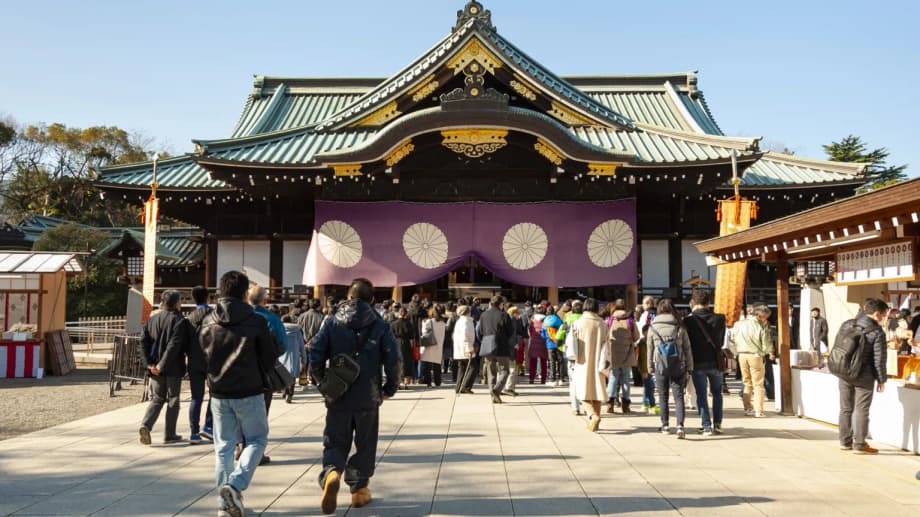
A Gaming Event Caught in Geopolitical Crossfire
The Pokémon Company found itself at the center of an international controversy this week after a planned card game event at Tokyo’s Yasukuni Shrine triggered a firestorm of criticism across Chinese social media. The event, scheduled for January 31, 2026, was canceled within days of being discovered, forcing the Japanese entertainment giant to issue formal apologies in both Japanese and Chinese while promising to strengthen internal review procedures.
The controversy erupted when Chinese internet users noticed that an official Pokémon website had listed a Pokémon Card Game event at the shrine, a location that serves as a lightning rod for historical tensions between Japan and its Asian neighbors. Although the gathering was organized by a certified third party player rather than the corporation itself, its appearance on an official platform was enough to spark outrage that quickly escalated beyond gaming circles into diplomatic territory.
What Was Planned and How It Unraveled
According to screenshots shared across Chinese social media platforms, the event was promoted as a family friendly activity centered on the Pokémon Trading Card Game, a franchise with a substantial following among children and young adults. The listing appeared on the Pokémon Card Game Trainers Website, an official platform that allows certified individuals to submit event information.
The Pokémon Company explained in a statement issued January 30 that the event had been mistakenly posted due to a lack of due diligence in the verification process. The company acknowledged that the gathering should not have been held in the first place and confirmed that it had been promptly canceled once the issue was identified. One of the applicants later noted on social media that the event had been forced to cancel, removing the notice from personal pages.
The incident highlighted the risks global brands face when local partners select venues without adequate cultural screening. While the event was intended as a small community gathering rather than a major corporate tournament, its placement on an official directory effectively granted the company implicit endorsement of the location.
The Shrine at the Heart of the Storm
To understand the intensity of the reaction, one must understand the Yasukuni Shrine’s unique position in East Asian historical memory. Founded by Emperor Meiji in 1869, the Shinto shrine honors approximately 2.5 million Japanese war dead, including those who fought in the Sino Japanese Wars and World War II’s Pacific theater. Among the enshrined are more than 1,000 convicted war criminals, including 14 Class A criminals responsible for orchestrating Japan’s aggression across Asia during the 1930s and 1940s.
For China, South Korea, and other nations that endured Japanese occupation, the shrine represents more than a religious site. It serves as a symbol of what many view as Japan’s failure to fully acknowledge wartime atrocities, including massacres, forced labor, and human experimentation. When Japanese political leaders visit Yasukuni, it routinely triggers diplomatic protests and public outrage in neighboring countries.
The shrine’s controversial nature has made it a target for vandalism in recent years. In May 2024, a Chinese man spray painted the word toilet on a stone pillar after appearing to urinate on it. Additional graffiti appeared months later, including the words Die and Militarism. These acts reflect the deep emotional weight the site holds for those whose families suffered during Japan’s imperial expansion.
Chinese Outrage Spills Across Digital Platforms
The hashtag Pokémon Yasukuni Shrine accumulated 4.34 million reads on China’s Sina Weibo platform as users expressed anger at the perceived insensitivity. One user writing under the name HUA_ER_ received more than 2,600 likes for a post stating, Does the company have any sense in holding such events at Yasukuni Shrine? Any act that ignores historical truth or glorifies militarism will be nailed to the pillar of shame and despised by the public.
Another influential user with over 738,000 followers wrote, Making money from China while undermining China’s interests. Such Japanese companies, utterly lacking a sense of historical responsibility, not only show no respect for history but even hold events at the shrine of war criminals. This is something we must never tolerate.
Chinese state media amplified these sentiments. The People’s Daily, the official newspaper of the Chinese Communist Party, warned on its Weibo account that brands that disregard history and hurt the feelings of the Chinese people will ultimately be abandoned by the market. The publication added that companies must take social responsibility and not make light of the heavy weight of history in the name of entertainment.
The Global Times, a state run tabloid, issued a harsh condemnation while praising China’s young netizens for their vigilance in spotting the event listing.
Any entertainment or leisure activities held at such a site constitute an open affront to historical truth, and staging events aimed at children there is even more egregious.
The paper noted that 2025 marked the 80th anniversary of the victory of the Chinese People’s War of Resistance against Japanese Aggression, making the timing particularly sensitive.
China’s Ministry of Foreign Affairs spokesperson Guo Jiakun addressed the broader historical context in late December, stating that the Japanese side should face squarely and deeply reflect on Japan’s history of aggression, take concrete actions to show remorse for the crimes committed by Japanese militarists and respect to the victims, and not further compound the wrongdoing.
Diplomatic Tensions Complicate Corporate Crisis
The Pokémon controversy arrives during a particularly fraught period in Japan China relations. In November 2025, Japanese Prime Minister Sanae Takaichi suggested that Tokyo could respond with its own self defense forces if China attacked Taiwan, which Beijing claims as part of its territory. The remarks triggered immediate fury from Chinese officials, who demanded a retraction.
The diplomatic fallout has been substantial. Beijing imposed economic and diplomatic retaliation, including urging Chinese citizens to avoid travel to Japan due to alleged serious safety threats. Flight Master, a Chinese travel information platform, reported that all scheduled flights on 49 China Japan air routes were canceled for February 2026. Additionally, the release of two popular Japanese films in China was postponed indefinitely.
Takaichi’s personal history adds another layer of complexity. Before becoming prime minister in October, she was a regular visitor to Yasukuni Shrine, though she has not prayed there since taking office. Her continued association with the shrine in the public imagination has kept the site at the forefront of bilateral tensions.
Against this backdrop, the Pokémon event took on significance beyond its modest scale. For Chinese observers, it represented another example of Japanese institutions appearing to downplay historical atrocities at a moment when political relations were already deteriorating.
Pattern of Controversies
This is not the first time the Pokémon brand has become entangled with Yasukuni Shrine. In 2016, the mobile game Pokémon Go designated the shrine as an in game gym, allowing players to battle for control of the virtual location. The designation sparked criticism from Chinese and Korean players who felt it normalized or gamified a site associated with war crimes.
In 2019, employees from Creatures Inc., a major Pokémon developer affiliated with the franchise, posted photographs on social media showing staff worshiping at Yasukuni Shrine to celebrate the first day of work. The images, captioned We are worshiping at the Yasukuni Shrine, triggered anger among fans in South Korea and China, who viewed the posts as insensitive to those who suffered under Japanese occupation.
These previous incidents suggest that the brand has faced recurring challenges in educating its partners and employees about the shrine’s sensitivity in international markets. While the 2026 event was organized by independent players rather than corporate staff, the company’s failure to screen the venue before approving the official listing indicates persistent gaps in cultural oversight.
Corporate Response and Future Implications
The Pokémon Company moved quickly to contain the damage, issuing bilingual apologies that acknowledged the event should not have been held to begin with. The company attributed the error to insufficient understanding of the venue’s historical weight and promised to thoroughly review and strengthen its approval processes for future event listings.
Referencing its corporate motto of connecting the world with Pokémon, the company pledged to be considerate to everyone in future operations. The statement appeared designed to reassure Chinese consumers that the brand remained committed to the market despite the misstep.
For multinational entertainment brands, the incident serves as a cautionary tale about the importance of venue screening in politically sensitive regions. What might appear as a routine community gathering in Tokyo can carry entirely different connotations across borders, particularly when historical trauma is involved. The speed with which the controversy escalated from a single website listing to international headlines demonstrates how tightly global brands are scrutinized in the social media age.
The episode also highlights the challenges companies face when delegating event organization to certified third parties. While such programs help build grassroots communities, they create liability when local organizers lack awareness of international sensitivities. The Pokémon Company’s promise to strengthen review procedures suggests future events will face more rigorous vetting, particularly regarding location selection.
Key Points
- The Pokémon Company canceled a card game event scheduled for January 31, 2026, at Tokyo’s Yasukuni Shrine after Chinese social media users discovered the listing
- Yasukuni Shrine honors 2.5 million Japanese war dead, including 14 Class A war criminals convicted after World War II, making it a controversial symbol in China and South Korea
- Chinese state media including the People’s Daily and Global Times condemned the event, warning that brands ignoring historical sensitivities would be abandoned by the market
- The event was organized by a certified third party player but appeared on an official Pokémon website due to what the company called a lack of due diligence
- The controversy occurs amid heightened Japan China tensions over Prime Minister Sanae Takaichi’s remarks regarding potential Japanese involvement if China attacks Taiwan
- This marks the third major Pokémon related controversy involving Yasukuni Shrine, following a 2016 Pokémon Go gym designation and a 2019 incident involving developer Creatures Inc. employees
- The company issued apologies in both Japanese and Chinese, pledging to strengthen review processes for future event listings