Understanding the Arsenic Contamination Crisis in Northern Thailand
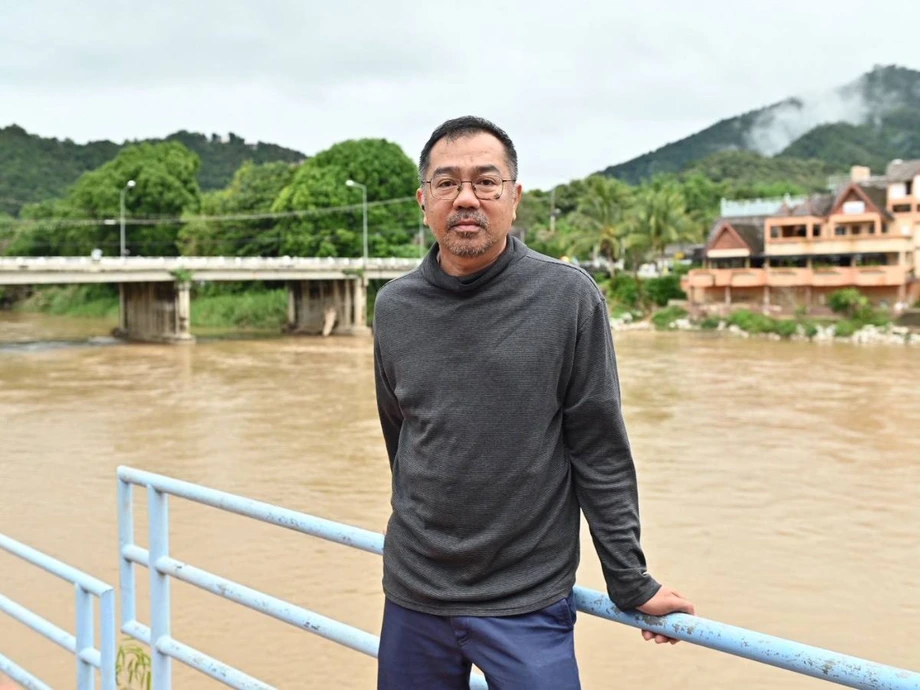
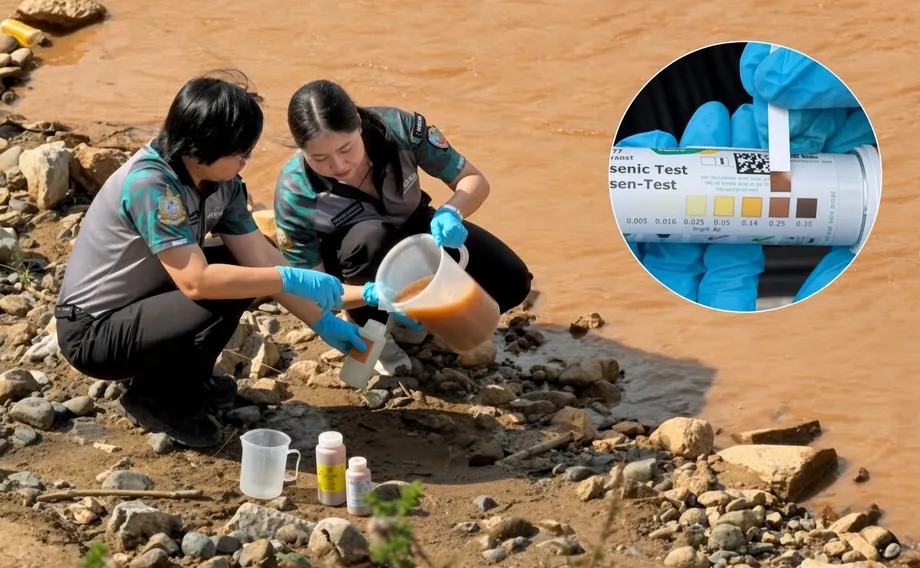
Residents across northern Thailand, particularly in Chiang Rai province, are facing growing concerns regarding water safety after tests revealed high levels of arsenic and other heavy metals in local waterways. Arsenic is a naturally occurring metalloid element found in underground rock formations, but human activities such as industrial mining can release inorganic arsenic into the environment in quantities that pose severe risks to public health. When water sources become clouded with heavy sediment, treatment facilities face operational hurdles that can temporarily disrupt local water supplies. Government authorities and health officials have stepped up monitoring efforts to understand the full scale of the contamination affecting the Kok River, the Sai River, and the Ruak River. This contamination issue follows earlier river test results showing elevated metal concentrations across regional monitoring stations.
Contents
- Understanding the Arsenic Contamination Crisis in Northern Thailand
- Health Risks Associated with Long-Term Exposure
- Government Response and Public Health Surveillance
- Four-Tier Water Safety Guidelines and Restrictions
- Tracing the Origins of Border Pollution
- International Diplomacy and Cross-Border Negotiations
- Local Impacts on Agriculture and Daily Life
- The Essentials
Health Risks Associated with Long-Term Exposure
Medical experts emphasize that health impacts from arsenic depend heavily on whether exposure is acute or chronic. Acute poisoning from high doses over a short period typically causes severe abdominal pain, vomiting, diarrhea, and numbness in the extremities. Chronic exposure over years or decades can lead to more insidious health problems, including distinct skin lesions such as dark spots and hardened patches on the palms and soles. Over extended periods, inorganic arsenic is classified as a human carcinogen linked to cancers of the skin, lungs, bladder, liver, and kidneys. Cardiovascular specialists have also warned about the hidden dangers of chronic accumulation. Long-termed exposure damages blood vessel linings, increases oxidative stress, and promotes chronic inflammation that can narrow arteries and cause blood clots. Furthermore, arsenic interferes with the heart electrical system by lengthening the QT interval on electrocardiograms, raising the risk of dangerous cardiac arrhythmias.
Dr. Veerapat Ukranan, Director of the Institute of Dermatology, noted that prolonged exposure can cause severe skin abnormalities, including dark patches resembling raindrops on a dusty road and hardened growths on the palms and feet known as arsenical keratoses. Dr. Ratchada Ongthaveekiart, a specialist at the institute, added that these lesions can develop into skin cancers such as squamous cell carcinoma and basal cell carcinoma. Dr. Veerawut Vimolsate, Director-General of the Department of Medical Services, highlighted that arsenic poisoning affects multiple bodily systems. Dr. Khet Sripratak, Director of the Chest Disease Institute, explained the exact mechanism of cardiovascular damage, pointing out that arsenic inhibits the production of nitric oxide, which normally helps blood vessels expand. Dr. Thasu Thienthamrongsuk, an electrophysiologist, explained that the disruption of electrical signals in the heart can trigger fatal arrhythmias.
Government Response and Public Health Surveillance
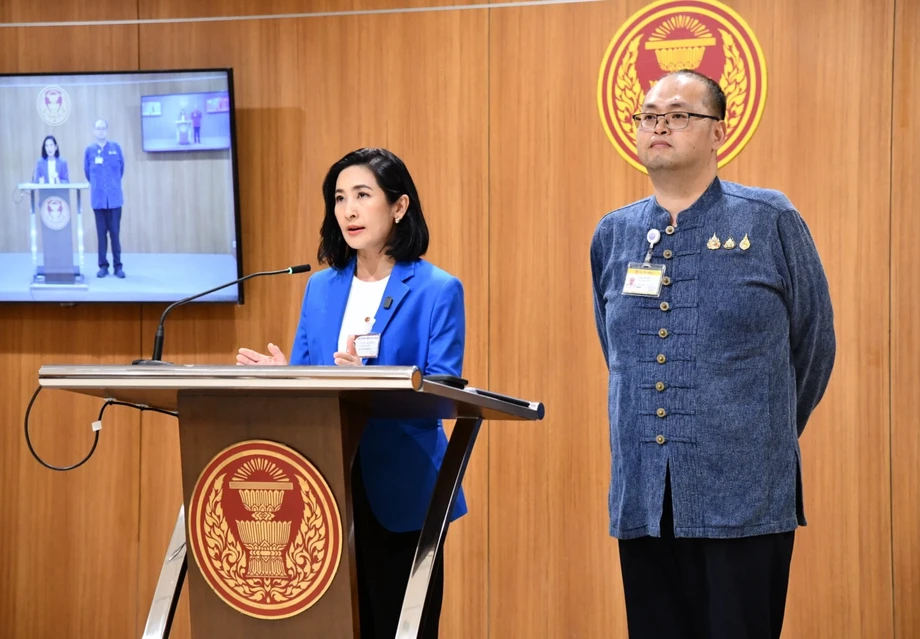
The Ministry of Public Health has outlined a comprehensive three-stage strategy to address the pollution, focusing on immediate short-term relief, intermediate source investigation, and long-term river basin management. These measures aim to reduce direct exposure for riverside communities while international negotiations work to tackle the root causes across national borders. Public Health Minister Somsak Thepsuthin noted that raw water sources have shown high turbidity and arsenic levels exceeding standard thresholds. Permanent Secretary for Public Health Dr. Somruek Jungsaman stated that health screenings are underway for at-risk groups, and surveillance will continue for at least five years. Department of Health Director-General Dr. Thiti Sawaengtham introduced new risk communication tools, including the Arsenic Health Risk Scale and the Arsenic Health Risk Matrix, to categorize water safety across four color-coded levels. Public health officials reported screening thousands of residents in Chiang Rai, where testing of over 1,300 water and food samples showed most results within acceptable limits.
Four-Tier Water Safety Guidelines and Restrictions
To help residents navigate the crisis, the Department of Health established a strict four-level classification system based on arsenic concentration measured in micrograms per liter. The green level indicates concentrations up to 10 micrograms per liter, meaning the water is safe for drinking, cooking, and general use. The yellow level covers concentrations between 10 and 100 micrograms per liter, where drinking and cooking are strictly prohibited, though bathing and washing remain permitted with caution. The orange level spans 100 to 500 micrograms per liter, requiring an immediate halt to drinking, cooking, and watering edible crops. The red level involves concentrations of 500 micrograms per liter or higher, representing a critical hazard where all water usage must cease entirely. Officials emphasize that boiling water does not remove arsenic and instead concentrates the toxin as liquid evaporates.
Tracing the Origins of Border Pollution
Satellite imagery and environmental tracking indicate that much of the heavy metal pollution originates from mining operations located upstream in neighboring countries. Research from organizations monitoring regional development points to numerous mining sites in the border regions, including areas within Shan State in Myanmar and upper reaches connected to Chinese territory. Rare earth mining and gold extraction processes often generate runoff containing toxic substances that wash into shared river networks during seasonal rains. Thai authorities have engaged in high-level diplomatic talks to establish joint monitoring and cooperative prevention frameworks with upstream neighbours. During diplomatic visits, Thai officials pressed for collaborative water quality checks near mining zones to identify exact discharge points. Discussions have also explored the deployment of isotope analysis, a scientific technique that examines atomic weight variations in chemical elements to act as a chemical fingerprint, helping researchers match waterborne arsenic to specific industrial sources. The situation developed further following last month's Naypyidaw talks between Thai and Myanmar delegations.
International Diplomacy and Cross-Border Negotiations
Thailand is bringing China into efforts to trace and stop pollution in rivers shared with Myanmar, while preparing water, health and farming measures for communities downstream. Thai Deputy Prime Minister and Foreign Minister Sihasak Phuangketkeow stated that bilateral working groups are coordinating technical approaches with support from Beijing. Prime Minister Anutin Charnvirakul raised the crisis during discussions with Chinese President Xi Jinping, securing commitments for technical support and cooperative monitoring to improve water quality checks. These diplomatic efforts seek to establish collaborative oversight near mining concessions where local rivers absorb the heavy chemical loads generated by modern mineral extraction techniques. The diplomatic calendar features a series of high-level meetings designed to turn international cooperation into concrete enforcement mechanisms. Thai and Myanmar officials held ministerial discussions, followed by the first meetings of joint working groups on water quality management. These diplomatic tracks follow the trilateral technical meetings held to establish shared measurement protocols. The diplomatic push is closely tied to proposed restrictions on mining chemicals aimed at stopping industrial inputs from reaching unregulated extraction sites.
Local Impacts on Agriculture and Daily Life
The contamination problem has persisted for more than two years, affecting agricultural irrigation and household routines in northern provinces. Farmers in dozens of villages rely on local rivers to irrigate thousands of acres of rice fields, but many have grown reluctant to use surface water for crops or livestock. Local administrative leaders, such as Huai So Subdistrict Mayor Chan Taklai, reported that geological surveys identified natural gold-bearing rock formations near groundwater tables, leading to local bans on new wells. Water treatment plants have experienced temporary shutdowns when heavy sediment loads overwhelmed filtration systems, prompting authorities to secure alternative supplies for affected households. Residents in districts such as Chiang Khong have faced stricter advisories due to the unique local geology where mineral deposits overlap with groundwater aquifers. Authorities continue to distribute bottled water and establish emergency monitoring stations to protect vulnerable populations.
The Essentials
- Arsenic is a toxic heavy metal and human carcinogen that can accumulate in groundwater and food chains over extended periods.
- Chronic exposure increases the risk of skin lesions, cardiovascular disease, peripheral neuropathy, and multiple forms of cancer.
- The Ministry of Public Health introduced a four-tier risk scale ranging from safe green levels to critical red level restrictions.
- Boiling contaminated water does not eliminate arsenic and can increase its concentration through evaporation.
- Thailand is pursuing joint diplomatic and technical cooperation with Myanmar and China to address upstream mining pollution at its source.