Tackling Trans-Border Arsenic Contamination in Northern Rivers
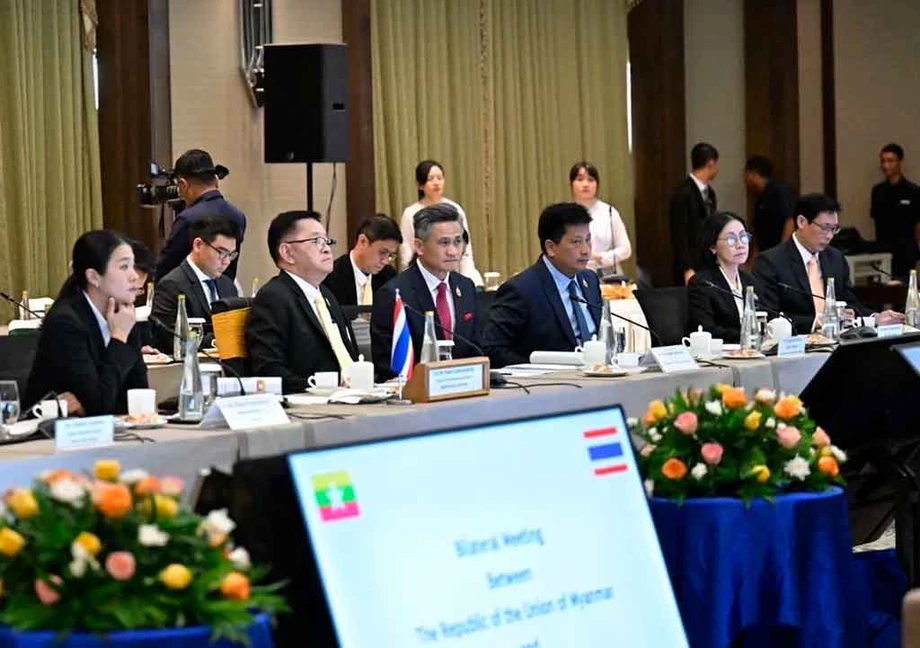
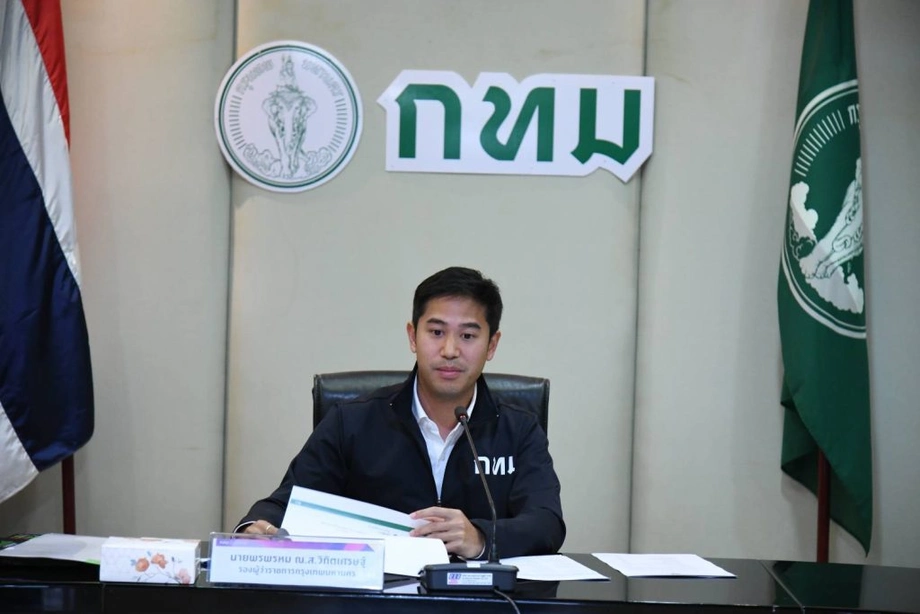
Thailand is taking decisive action to address severe arsenic and heavy metal contamination flowing into the Kok and Sai rivers from upstream mining operations located across the border in Myanmar's Shan State. Deputy Prime Minister and Minister of Higher Education, Science, Research and Innovation Yodchanan Wongsawat chaired a strategic meeting at Mae Fah Luang University alongside Deputy Agriculture Minister Piyaratchaya Tiyapairat to coordinate a comprehensive national and international response. Government officials emphasized that protecting the health, drinking water, and agricultural livelihoods of Thai citizens cannot wait for upstream pollution sources to be fully resolved. As part of this immediate push, Thailand is preparing to host a crucial three-way diplomatic and technical meeting involving representatives from Thailand, Myanmar, and China to target the root causes of the industrial pollution at its source.
Contents
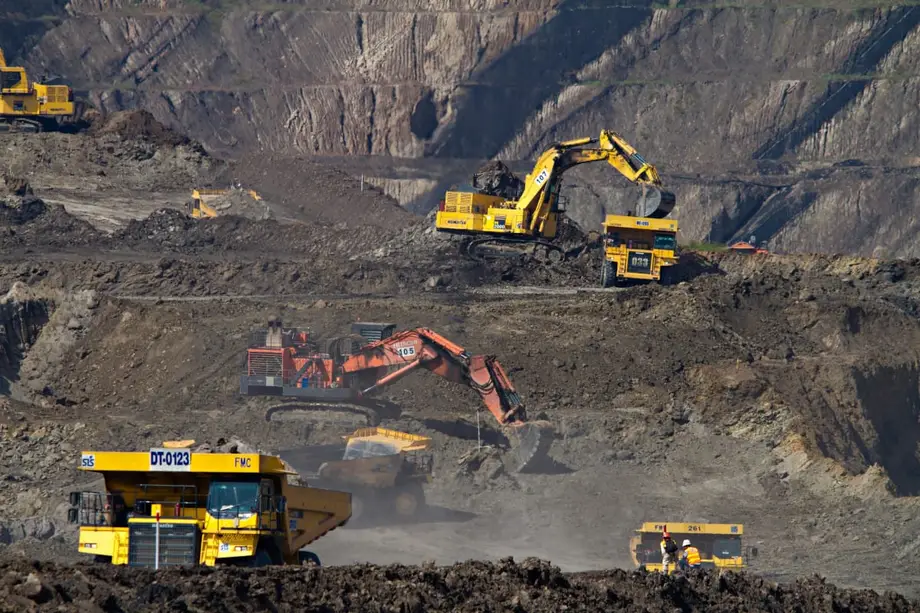
Scientific investigations have revealed the complex geological and industrial mechanisms behind the crisis, which has seen heavy metal concentrations surge significantly above standard safety limits in regional waterways. Environmental researchers explain that inorganic arsenic is a naturally occurring metalloid element that normally remains safely locked deep within underground rock formations as part of sulfide mineral deposits. Industrial mining activities, including rare earth and gold extraction, disrupt these geological formations through open-pit excavation, land clearing, and the large-scale dumping of untreated waste rock in the open air. When these mineral deposits are exposed to rainwater and atmospheric oxygen, chemical oxidation occurs and converts stable arsenic compounds into highly soluble toxic forms that leach into local watersheds. Environmental forensic analysis conducted by Naresuan University researchers indicates that rare earth mining operations account for approximately thirty-three to fifty-eight percent of the arsenic contamination in the Kok River, while contributing twenty-seven to thirty-eight percent in the Sai River.
Satellite data and regional monitoring reports show that mining concessions in regions such as Mong Yawn and Mong Sat in Myanmar's Shan State operate in close proximity to the headwaters that feed northern Thailand. Researchers from the Mekong River Commission and environmental groups point out that modern extraction techniques, particularly in-situ leaching used to recover rare earth elements like dysprosium and terbium, require injecting chemical solutions directly into underground ore bodies. The resulting wastewater and mining runoff flow rapidly down steep mountain slopes during seasonal rains, carrying high concentrations of toxic heavy metals into cross-border river networks. Downstream in Chiang Rai province, muddy river flows laden with suspended sediment act as a transport vehicle, carrying the pollutants directly into Thai territory where they settle into riverbed sediments and agricultural irrigation systems.
Smart Weirs and Advanced Filtration Technologies
To mitigate the impact on local communities before cross-border remediation takes effect, the Ministry of Higher Education, Science, Research and Innovation has introduced structural and technological innovations to filter and clean affected water supplies. A prominent centerpiece of this strategy is the smart sediment weir pilot project planned for Mae Sai district, which was developed through collaborative research involving the Program Management Unit for Competitiveness, Naresuan University, and DHI. Using digital twin river simulation models tested over a period of five hundred and twenty-three days, the engineering team designed an automated system that diverts turbid river water into side-tanks to capture fine sediment particles that bind with arsenic. Equipped with artificial intelligence and real-time sensors, the smart weir system guides water through a continuous cycle of trapping, settling, extracting, and treating before returning clean water to the natural stream.
Government officials noted that deploying three such treatment units along the Sai River could reduce arsenic levels by up to ninety-four point six percent and keep water quality within safe standards for the vast majority of the year. This intervention is expected to protect approximately twenty-seven thousand rai of agricultural land and benefit thousands of farming households who rely on local irrigation channels. In parallel with large-scale engineering solutions, authorities have distributed portable arsenic testing kits known as Mensor devices, which allow local health workers and community members to screen water samples and obtain preliminary results within three to five minutes. Furthermore, Nano-Biochar water filtration systems developed by the National Nanotechnology Center have been installed across multiple communities in Chiang Rai, demonstrating the ability to reduce raw water arsenic concentrations by nearly ninety-five percent at a low operational cost.
Agricultural Safeguards and Agri-Map Zoning
The contamination crisis has raised profound anxieties among farmers and agricultural producers in northern Thailand regarding the safety of crop yields, livestock, and local food supplies. Ministry of Agriculture and Forestry officials have responded by launching extensive soil, water, and crop sampling campaigns, including a targeted effort to collect two hundred and fifty samples across the Kok, Sai, and Ruak river basins. Past random inspections of rice crops in sensitive districts such as Chiang Saen and Chiang Khong have generally confirmed that harvested grain remains within safety thresholds, though isolated samples of aquatic life from the Kok River have occasionally shown heavy metal levels exceeding standard limits. To prevent generalized market panic and protect unimpacted farming areas, the government is utilizing agricultural zoning data to construct an interactive Agri-Map that categorizes land parcels into three distinct risk tiers designated by green, yellow, and red colors.
Under this zoning framework, agricultural produce originating from green-tier areas will be actively promoted and supported through Good Agricultural Practices certification to maintain consumer confidence and export market access. For any farming plots identified within red-tier zones where soil or water contamination exceeds established safety thresholds, the government has established strict containment protocols to prevent affected produce from entering commercial supply chains. Deputy Prime Minister Yodchanan Wongsawat affirmed that authorities are prepared to purchase and destroy contaminated crops under controlled protocols while coordinating financial relief and debt relief measures through the Bank for Agriculture and Agricultural Cooperatives. Additionally, agricultural extension officers are working with affected farmers to encourage diversification into non-food economic crops such as rubber trees and ornamental plants, supported by agencies like the Forest Industry Organization.
Public Health Surveillance and Community Concerns
Health authorities across northern Thailand have intensified medical monitoring and epidemiological investigations to safeguard residents living in proximity to the affected river basins. Public Health Ministry Permanent Secretary Dr. Somruek Jungsaman reported that health surveillance teams have screened thousands of at-risk individuals across Chiang Rai province, and comprehensive medical tracking will continue for a minimum of five years to detect any potential chronic exposure effects. While officials confirmed that no patients have been diagnosed with acute or chronic arsenic poisoning, health checks have identified individuals with detectable heavy metal levels in their systems, prompting physicians to provide close clinical follow-up and counseling. Department of Health Director General Dr. Thiti Sawaengtham introduced specialized communication tools, including the Arsenic Health Risk Scale and the Arsenic Health Risk Matrix, to help communities understand specific water safety thresholds ranging from green-tier usability to red-tier consumption bans.
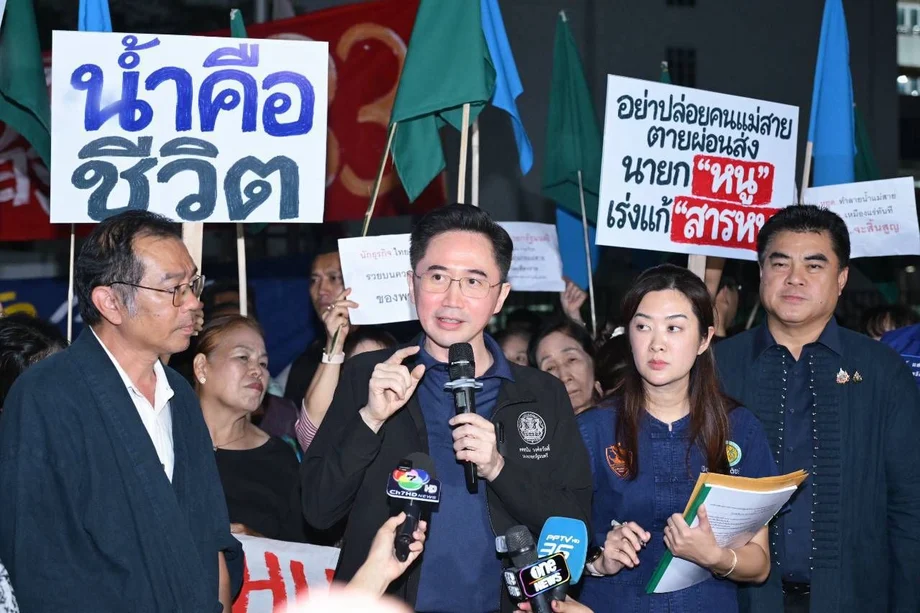
Local residents and civil society organizations have voiced deep apprehension regarding the long-term viability of their traditional livelihoods and daily water security. Community representatives, including Mae Sai resident Moon Chaiwong and local advocate Somkiat Khuentchiengsa from the Living River Association, have urged the government to accelerate environmental rehabilitation and address the underlying mining activities across the frontier. Disruptions have periodically affected local waterworks operations, notably when extreme river turbidity forced the Mae Sai water treatment plant to curtail production temporarily, prompting reliance on mobile water tankers and emergency groundwater supplies. The Provincial Waterworks Authority and regional research facilities have responded by increasing water quality testing frequencies to every thirty minutes, ensuring that treated tap water delivered to households adheres strictly to established safety standards.
International Diplomacy and Joint Working Groups
Because the origins of the toxic runoff lie beyond national borders, Thai policymakers have pursued intensive diplomatic engagements to establish cooperative frameworks with neighboring governments. Prime Minister Anutin Charnvirakul raised the trans-border pollution crisis during bilateral discussions with Chinese President Xi Jinping, securing commitments for technical cooperation and academic support from Chinese research institutions. Concurrently, Foreign Minister Sihasak Phuangketkeow engaged in high-level talks with Myanmar leadership in Naypyidaw, pressing for coordinated actions to reduce hazardous discharges from upstream mining operations. These diplomatic efforts laid the groundwork for a structured three-country dialogue track designed to align monitoring standards and establish cooperative oversight mechanisms near active mining zones.
The diplomatic calendar features pivotal ministerial meetings and joint working group sessions where Thai delegates are presenting advanced scientific evidence, including isotope analysis results known as arsenic chemical fingerprints. This forensic technique allows scientists to compare the atomic characteristics of river contaminants with samples gathered from specific industrial mineral deposits, providing verifiable data for international negotiations. National Security Council Secretary-General Gen. Chaiphuek Duangpraphat inspected border checkpoints in Chiang Rai province to review transit controls on industrial chemicals used in mineral extraction. Through a combination of localized emergency responses, advanced water treatment infrastructure, and rigorous trans-border diplomacy, the Thai government is working to restore ecological safety to northern river basins while protecting the health and economic stability of local communities.
The Essentials
- Thailand is preparing to host a three-way diplomatic meeting involving Thailand, Myanmar, and China to address upstream mining pollution.
- Researchers identified rare earth and gold mining operations in Myanmar as the primary source of arsenic entering the Kok and Sai river basins.
- The Ministry of Higher Education, Science, Research and Innovation introduced a smart sediment weir pilot project designed to reduce riverine arsenic by over ninety-four percent.
- Agricultural authorities are deploying soil and water sampling across two hundred and fifty target points to construct an interactive Agri-Map for risk zoning.
- Public health officials have instituted a five-year medical surveillance program while confirming that treated tap water supplies remain within safety parameters.