Thailand Prepares Strict Chemical Bans and Trans-Border Controls
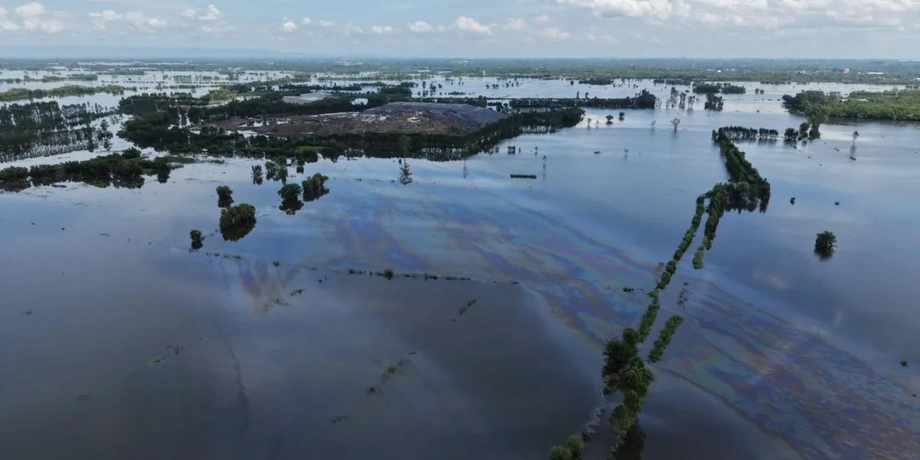
Thailand is preparing to ban the export and transit of chemicals used in rare earth and gold mining after dangerous levels of arsenic were discovered in northern waterways. Deputy Prime Minister Yodchanan Wongsawat announced the upcoming restrictions following a government meeting, marking a major escalation in Thailand's diplomatic and legal response to trans-border water pollution. The contamination has severely affected shared river networks such as the Kok, Sai, and Ruak rivers, where heavy sediment and toxic runoff flow across the border from mining operations in Myanmar's Shan State. Many of these upstream extraction sites are operated by foreign entities, including Chinese companies holding local concessions, prompting high-level diplomatic outreach to Beijing and Naypyidaw.
Contents
Gen. Chaiphuek Duangpraphat, Secretary-General of the National Security Council, inspected the border area at Ban Mong Kao Lang in the Mae Fa Luang district of Chiang Rai Province on November 22, 2026. During his inspection, Gen. Chaiphuek stated that the National Security Council is compiling a comprehensive list of restricted chemicals to be submitted to Defense Minister Lt. Gen. Adul Boonthamcharoen. This list forms the backbone of new regulatory controls designed to stop industrial chemicals from reaching unregulated mines across the border. Thai authorities have noted that chemical importers in Myanmar frequently purchase industrial inputs from third countries and route those shipments through Thai territory, making transit controls essential to any effective enforcement strategy.
The Ministry of Commerce and the Ministry of Industry have been tasked with reviewing current trade regulations to establish these tighter boundaries without disrupting unrelated domestic economic sectors. Government officials are also planning to declare a 150-kilometer pollution control zone along the Kok River within Thai territory starting December 2, pending formal review by the Pollution Control Committee. This designation will allow local agencies to coordinate emergency action plans, deploy twenty new monitoring stations along affected tributaries, and establish specialized water-testing laboratories in Chiang Mai and Chiang Rai. These measures build upon Thailand Presses Myanmar and China as regional authorities race to contain heavy metal contamination that researchers warn could take decades to clear from riverbed sediments.
Diplomatic Engagements and Multi-Country Talks
Thailand is pursuing a coordinated three-country diplomatic track involving Myanmar and China to address the root causes of the pollution at its source. Foreign Minister Sihasak Phuangketkeow has held direct discussions with Myanmar leadership, urging urgent action to curb toxic discharges from upstream mining zones. Prime Minister Anutin Charnvirakul also raised the crisis during discussions with Chinese President Xi Jinping, securing commitments for technical support and cooperative monitoring to improve water quality checks. These diplomatic efforts seek to establish collaborative oversight near mining concessions where local rivers absorb the heavy chemical loads generated by modern mineral extraction techniques.
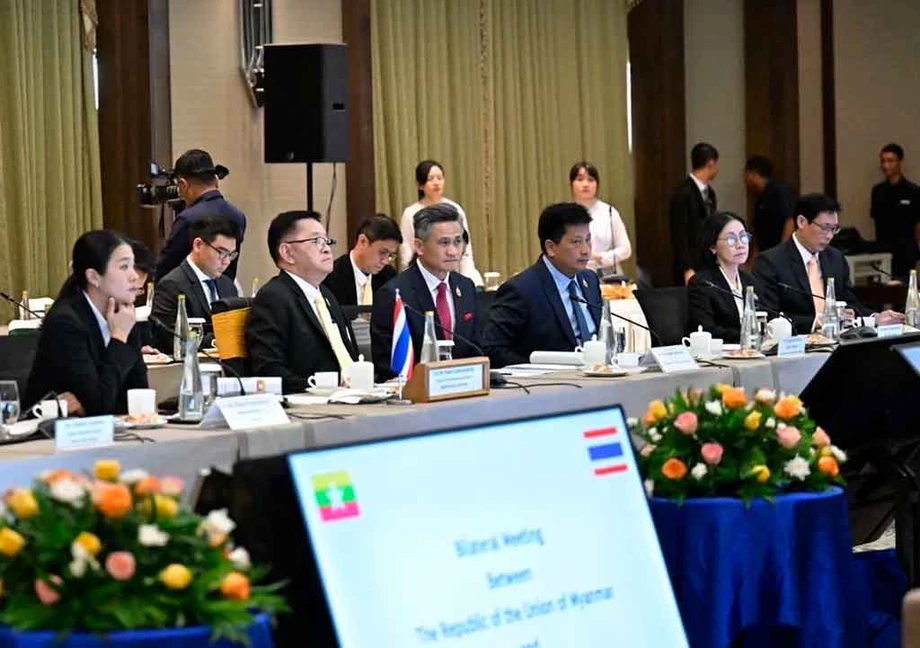
The diplomatic calendar features a series of high-level meetings designed to turn international cooperation into concrete enforcement mechanisms. Thai and Myanmar officials will hold ministerial-level discussions on November 24, followed by the first meeting of the Joint Working Group on water quality management on November 25 and 26 in Bangkok. These sessions will focus on standardizing water measurement protocols and reviewing proposals to install water quality monitoring stations on both sides of the border. Natural Resources and Environment Minister Suchart Chomklin detailed plans to install four monitoring stations inside Myanmar and four on the Thai side to ensure consistent, verifiable data collection across the frontier.
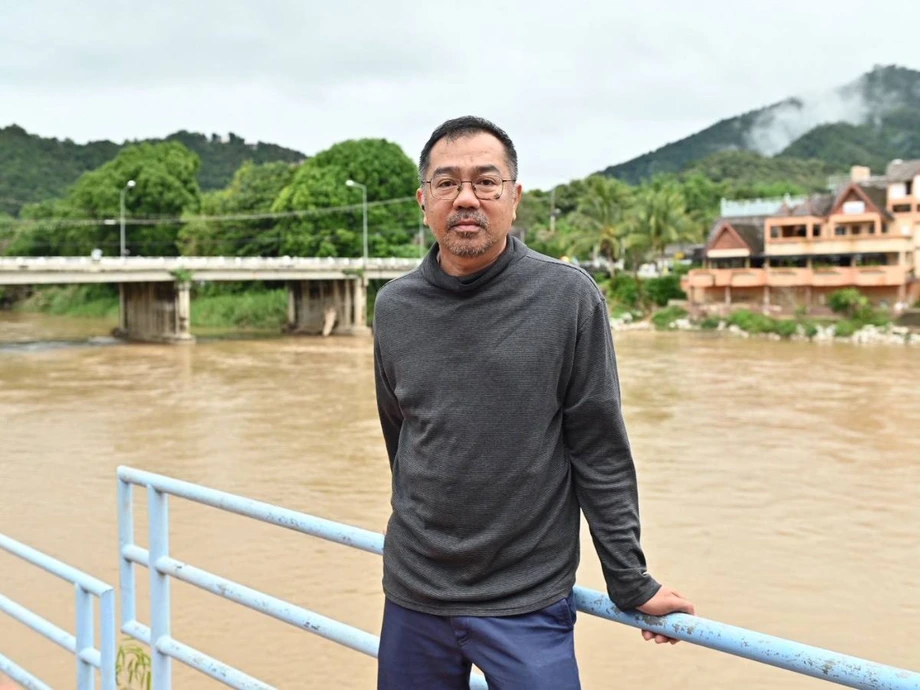
Civil society groups have pressed the government to adopt more aggressive preventative strategies while questioning the long-term effectiveness of proposed engineering fixes such as sediment traps. Niwat Roykaew, chairman of the Rak Chiang Khong group, met with Deputy Prime Minister Yodchanan in Mae Sai District on November 22, 2026, to submit a seventeen-point proposal from local residents. Mr. Niwat stated that six regional rivers are now impacted, threatening communities across seven northeastern provinces that rely on the Mekong River basin. He cautioned against treating regional waterways as testing grounds for unproven containment structures that could increase ecological risks during seasonal floods.
If the government is clear from the beginning and has inspections and proofs published, it will not be a problem like this, so the culture of covering up problems or making them seem smaller has to stop because this is life.
The civil network's demands call for an immediate halt to mineral imports from Myanmar and strict enforcement against cross-border pollution sources. These community concerns mirror earlier developments detailed in Thailand, Myanmar and China Set Joint Talks, where regional stakeholders emphasized the urgent need for transparent data sharing and joint technical investigations to protect local agriculture and drinking water supplies.
Public Health Surveillance and Arsenic Risk Levels
The Ministry of Public Health has confirmed that ongoing medical surveillance has identified no diagnosed cases of acute or chronic arsenic poisoning among at-risk populations living along the Kok, Sai, Ruak, and Mekong rivers. Permanent Secretary for Public Health Dr. Somruek Jungsaman stated that health screenings have recorded no urinary arsenic readings exceeding the critical red threshold of 500 micrograms per litre. Health officials stressed that finding elevated arsenic levels in a single urine sample does not automatically establish a clinical diagnosis of poisoning, but rather serves as an exposure indicator to guide ongoing medical monitoring. Local public health agencies have been instructed to maintain health surveillance for at least five years while keeping a close watch on local water and food safety.
To help residents understand water safety data, the Department of Health introduced two risk communication tools, namely the Arsenic Health Risk Scale and the Arsenic Health Risk Matrix. Department of Health Director-General Dr. Thiti Sawaengtham explained that the four-color scale categorizes water safety concentrations in micrograms per litre to guide daily household use. Water meeting the green level contains 10 micrograms per litre or less and remains safe for all domestic purposes. The yellow level covers concentrations above 10 but below 100 micrograms per litre, restricting water use to bathing and cleaning while prohibiting drinking or cooking. The orange level spans 100 to 500 micrograms per litre, requiring immediate management and a strict ban on agricultural irrigation or consumption. The red level applies to concentrations of 500 micrograms per litre or higher, mandating the complete cessation of all water use.
Health authorities have issued explicit warnings that boiling contaminated water does not remove dissolved arsenic and can actually increase toxic concentrations as liquid evaporates. Government agencies have worked to secure alternative supplies, identifying ten groundwater sources in Chiang Rai and preparing fourteen village water systems to deliver clean drinking water to nearly 20,000 residents. These public health safeguards follow earlier disruptions, including an incident where high turbidity halted operations at the Mae Sai water treatment plant and renewed anxieties first documented in Thailand investigates arsenic exposure in Chiang Rai regarding the safety of shallow groundwater wells near mineral-bearing geological formations.
The Mechanics of Rare Earth Mining and Contamination
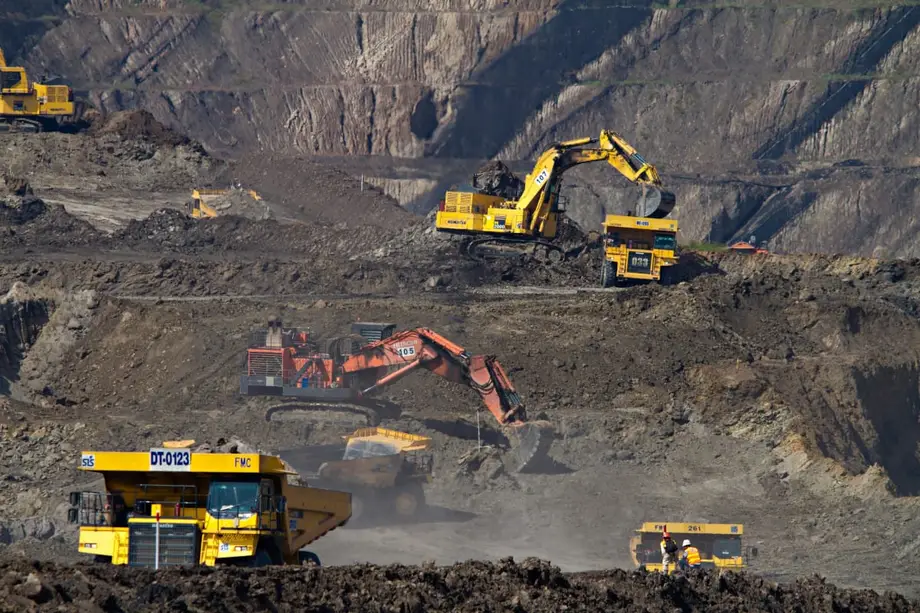
Rare earth elements are a group of seventeen metallic chemical products utilized extensively in modern electronics, renewable energy technologies, and electric vehicle batteries. Extracting these critical materials requires specialized chemical injections and heavy machinery to strip mountain slopes, generating massive quantities of acidic wastewater and fine sediment. When mining operators discharge untreated runoff directly into regional watersheds, inorganic arsenic binds to soil particles and settles permanently into riverbeds. This toxic sediment remains trapped in the aquatic environment, where seasonal rains and heavy floods continually stir up heavy metals into downstream water systems.
Scientific analysis of regional geography reveals that mining expansion in neighboring territories has accelerated following international export controls on critical minerals. Academic researchers at regional universities have pointed out that natural geological deposits in the border region already contain background minerals, but intensive industrial extraction vastly increases the volume of bioavailable arsenic entering shared river basins. Water turbidity in the Sai River previously spiked past 14,000 nephelometric turbidity units, completely overwhelming standard municipal water filters and demonstrating how rapidly upstream industrial shifts impact downstream communities. These technical challenges reflect the broader environmental pressures analyzed in Thailand Faces 100-Year Toxic Water Crisis, which examined the long-term ecological consequences of unmonitored border resource extraction.
The trade supply chain underlying these operations reveals an intricate network where chemical precursors flow outward from regional commercial hubs to feed foreign extraction sites. Customs data indicates that industrial acids and extraction chemicals frequently cross international boundaries before being utilized in unpermitted mountain mines. By targeting these chemical supply lines through proposed export prohibitions and transit restrictions, Thai authorities aim to cut off the operational capacity of illegal mining ventures. The success of these regulatory tools will determine whether downstream agricultural producers and riverside villages can regain safe access to vital water resources.
Chronology of Events
- November 5, 2026: Mae Sai water treatment plant suspends operations as heavy mud and turbidity overwhelm filtration systems.
- November 12, 2026: Thai Foreign Minister Sihasak Phuangketkeow meets Myanmar leadership in Naypyidaw to press for urgent border pollution controls.
- November 20, 2026: Thai Prime Minister Anutin Charnvirakul discusses cross-border water contamination with Chinese President Xi Jinping during bilateral talks.
- November 21, 2026: Thai officials announce emergency water monitoring plans and a scheduled pollution control zone along the Kok River.
- November 22, 2026: National Security Council Secretary-General Gen. Chaiphuek Duangpraphat inspects the border at Ban Mong Kao Lang to evaluate mining impacts.
- November 24, 2026: Preliminary ministerial discussions take place between Thai, Myanmar, and Chinese representatives.
- November 25 to 26, 2026: The first meeting of the Thailand-Myanmar Joint Working Group on water quality management convenes in Bangkok.
- December 2, 2026: The scheduled declaration date for the 150-kilometer pollution control zone along the Kok River.
The Essentials
- Thailand is preparing to ban the export and transit of chemicals used in rare earth and gold mining to combat rising arsenic levels in northern rivers.
- National Security Council Secretary-General Gen. Chaiphuek Duangpraphat inspected border areas in Chiang Rai on November 22, 2026, to evaluate mining impacts.
- Arsenic concentrations in affected waterways have reached levels up to thirty times higher than permitted Thai water quality standards.
- The Ministry of Public Health reports no confirmed diagnoses of acute or chronic arsenic poisoning, though monitoring of at-risk populations will continue for five years.
- Bilateral and trilateral talks between Thailand, Myanmar, and China are scheduled for November 24 through November 26 to establish joint water monitoring stations.
- A designated pollution control zone stretching 150 kilometers along the Kok River is planned to take effect on December 2.