A blocked access road brings an overloaded landfill to a halt
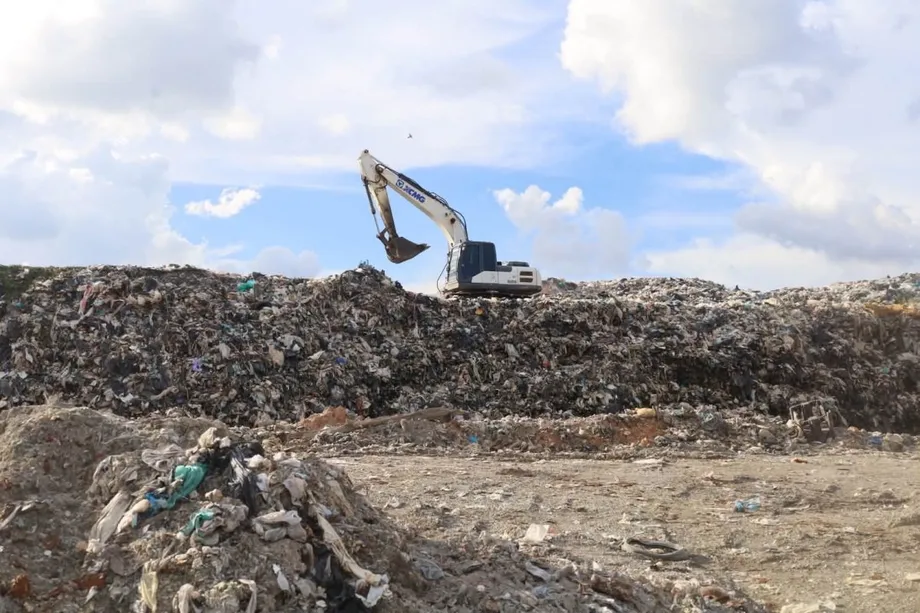
Phuket City Municipality suspended deliveries to its landfill on November 8, 2026, after rubbish exceeded the site's capacity and truck drivers dumped loads on the entrance road, blocking other vehicles. The shutdown comes as more than 1.2 million tonnes of waste have accumulated at disposal sites originally designed to hold about 900,000 tonnes.
Contents
- A blocked access road brings an overloaded landfill to a halt
- How waiting trucks became an access crisis
- How far beyond capacity has the waste grown?
- The incinerator's storage area is also overfilled
- What the second incinerator would change
- What happens during the suspension?
- Why the mayor is calling for less rubbish
- Key Points
Mayor Supachoke Laongphet signed the suspension announcement, which described the situation at the municipal waste disposal centre as its seventh waste management crisis. The order has no fixed end date. Deliveries are to resume after officials restore normal conditions and agree on arrangements with local authorities and the contractors transporting rubbish.
Phuket's problem extends beyond the blocked road. The province produces around 1,200 tonnes of rubbish a day, while its existing incinerator can process about 700 tonnes. That leaves a daily gap of roughly 500 tonnes between waste generation and the plant's capacity, putting continuing pressure on landfill space.
A second incinerator, expected to be completed in June 2027, is designed to add precisely that much daily processing capacity. Until then, officials must manage an already crowded disposal system while preparing more space and restoring access for incoming trucks.
How waiting trucks became an access crisis
The municipality said waste arriving at the landfill had exceeded the space available to receive it. Officials therefore needed to hire additional machinery urgently to prepare further disposal areas within the existing site.
Work to make room slowed unloading during the week before the suspension. Trucks waited longer than usual to enter the disposal area, creating a queue at a facility already struggling to keep up with deliveries.
On the morning of November 8, several drivers refused to wait and emptied their trucks on the road leading into the landfill, according to the municipal announcement. The dumped rubbish prevented following vehicles from reaching the unloading area.
The municipality accused the drivers involved of acting carelessly and irresponsibly. Their actions added a physical obstruction to an existing shortage of disposal space: even trucks ready to wait could no longer reach their destination.
Officials now have to clear the access route, reorganise the landfill and coordinate with the organisations bringing waste to the centre. Restoring vehicle access is the immediate task, while preparing enough room for subsequent deliveries is the larger operational challenge.
How far beyond capacity has the waste grown?
Mayor Supachoke said accumulated waste at disposal sites had exceeded 1.2 million tonnes, compared with an original capacity of about 900,000 tonnes. Using those figures, the excess is more than 300,000 tonnes, or roughly one third above the original capacity.
Officials have been redistributing and compacting waste each day to create space for new arrivals. Compacting means pressing rubbish together so it occupies less room. Moving and compressing existing waste helps manage the available area, but the total amount needing disposal keeps growing as trucks arrive.
Rapid urban development, population growth and expanding tourism have increased Phuket's waste volumes. The province also generates more rubbish during the tourism high season, adding pressure when the disposal system already has little spare room.
The mayor's description of this as the seventh crisis points to repeated disruption at the centre. The current emergency combines an accumulated stock of waste, a continuing daily flow of new rubbish and a road blockage that stopped vehicles from reaching the disposal area.
The incinerator's storage area is also overfilled
More than 12,000 tonnes of rubbish had accumulated in the storage area feeding Phuket's incinerator by Saturday, November 7. That area was designed to hold 9,000 tonnes, putting its contents more than 3,000 tonnes above capacity, again roughly one third beyond the intended level.
An incinerator burns waste to reduce the amount requiring disposal. Before rubbish enters the plant, it waits in a storage area that allows operators to feed the equipment at a controlled rate. When arrivals exceed the rate of processing, that waiting stock grows.
Phuket's plant can process about 700 tonnes a day against provincial waste generation of around 1,200 tonnes. Its stated capacity therefore covers approximately 58 percent of an ordinary day's waste. The remaining 42 percent represents the gap that other disposal arrangements must accommodate.
The storage figure shows how much pressure has built up immediately beside the treatment plant. More than 12,000 tonnes is equivalent to over 17 days of processing at 700 tonnes daily, even before accounting for new arrivals. That comparison illustrates the size of the waiting stock, rather than a forecast for clearing it.
What the second incinerator would change
The planned second incinerator is expected to be completed by June 2027, described in the announcement period as June next year. Its proposed capacity of 500 tonnes a day would bring the combined total to about 1,200 tonnes daily.
At those stated capacities, the two plants together would match Phuket's current daily waste generation. The additional plant would increase incineration capacity by about 71 percent compared with the existing 700 tonnes a day.
The figures also explain why the mayor says more incineration alone will not solve the problem. Processing 1,200 tonnes a day while another 1,200 tonnes arrives leaves no spare capacity in that calculation for reducing the accumulated waste. Higher waste volumes during the tourism high season would place further demands on the system.
June 2027 is an expected construction completion date. The immediate response remains focused on the existing landfill, access road and waste transport arrangements, while the new plant represents a later increase in processing capacity.
What happens during the suspension?
Phuket City Municipality is coordinating with local administrative organisations and waste transport contractors while work proceeds at the site. Those organisations connect collection services with final disposal: trucks need somewhere to unload before returning for further rounds.
The announced measure stops deliveries into the landfill. The municipality has not given a reopening date or detailed alternative disposal arrangements for each affected council, leaving the timing and local collection arrangements unresolved.
The sequence of events and the next expected milestone are:
- During the week before November 8, work to prepare more disposal space increased waiting times for rubbish trucks.
- By November 7, more than 12,000 tonnes of waste had accumulated in the incinerator's storage area, above its 9,000 tonne design capacity.
- On November 8, 2026, drivers dumped rubbish on the access road and the municipality suspended landfill deliveries indefinitely.
- Deliveries are to resume after the site returns to normal conditions and transport arrangements are clarified.
- By June 2027, a second incinerator is expected to be completed, adding capacity for 500 tonnes a day.
For the authorities and contractors involved, reopening requires both a usable disposal area and an agreed process for bringing trucks into it. Clearing the road addresses the obstruction; reorganising the landfill addresses the shortage that caused the queues.
Why the mayor is calling for less rubbish
Mayor Supachoke has urged residents, businesses and government agencies to reduce waste at its source and recycle more. Reducing waste at its source means preventing material from becoming rubbish in the first place, so less needs collection, transport and disposal.
Recycling directs reusable materials away from the disposal stream. Both approaches address the volume arriving at the centre, which is the central pressure behind the landfill's overcrowding and the incinerator's growing waiting stock.
Phuket's figures make the practical stakes straightforward. Around 500 tonnes a day currently separates waste generation from incineration capacity. The proposed new plant could close that ordinary daily gap, while waste reduction would create more breathing room and reduce the amount needing treatment during busier periods.
The immediate priority is to restore deliveries without repeating the access blockage. The longer task is to bring the amount of rubbish produced into line with what Phuket can reliably process, while dealing with waste already accumulated at its disposal sites.
Key Points
- Phuket City Municipality suspended landfill deliveries indefinitely on November 8, 2026, after dumped rubbish blocked the access road.
- More than 1.2 million tonnes of waste have accumulated at disposal sites originally designed for about 900,000 tonnes.
- The incinerator's storage area held more than 12,000 tonnes against a capacity of 9,000 tonnes.
- Phuket generates around 1,200 tonnes of waste daily, while its current incinerator can process about 700 tonnes.
- A second incinerator expected to be completed in June 2027 would add capacity for 500 tonnes daily.
- The mayor is calling for waste reduction and recycling alongside additional treatment capacity.