Two investigations target an alleged waste import network
Thailand's Department of Special Investigation (DSI) is preparing two proposed special cases covering suspected illegal imports of prohibited hazardous substances into five eastern provinces between 2024 and 2026. The move follows discussions with the Pollution Control Department about investigating factories, tracing waste shipments and calculating environmental damage.
Contents
- Two investigations target an alleged waste import network
- What special case status would change
- How valuable scrap can leave a toxic remainder
- Three task forces divide the work
- Chonburi searches lead to complaints and machinery seizures
- A wider factory inspection campaign
- Following money and tracking waste
- What compliance looks like at an operating facility
- Key Points
The first case would cover Rayong and Chonburi. The second would cover Chachoengsao, Prachin Buri and Sa Kaeo. Together, they would allow investigators to examine suspected connections between imported cargo, recycling businesses and places where unwanted waste was discarded.
DSI deputy director-general Pol Lt Col Anurak Rojnirankit reported that the agency's Bureau of Natural Resources and Environment Crime had examined 915 suspect shipping containers carrying more than 13,393 tonnes of material, with a recorded value exceeding 338 million baht. Investigators identified indications of false cargo declarations and possible links to factories and disposal sites in eastern Thailand.
The proposed cases form part of a wider government campaign involving three task forces, a suspension of new licences for certain waste facilities and inspections of 3,049 registered factories within one year. A November 4, 2026, operation in Chonburi also found three businesses allegedly handling electronic circuit boards without the required licences.
Authorities are trying to follow the entire commercial chain: who brought the material into Thailand, which factories received it, who extracted anything valuable and where the remaining waste went. For communities near factories and dumping grounds, the immediate concern is whether that chain leaves hazardous material close to homes, soil and water.
What special case status would change
DSI and the Pollution Control Department have agreed on a proposed division of work once the two cases are accepted. Their teams would inspect factories and suspected pollution sites, collect samples and other evidence, and record photographs and video.
Investigators would also calculate the quantity of hazardous substances involved and assess environmental damage. Those tasks connect the movement of waste with its consequences at particular locations. Cargo records can show what entered the country, while samples and site inspections can help identify what was processed or left behind.
The agencies also plan to seize or freeze assets where the law permits. Seizing an asset places it under legal control; freezing it restricts its movement or sale while proceedings continue. Both measures depend on the legal powers available in the particular case.
The two investigations are still being prepared for acceptance as special cases, and no acceptance date has been announced. The campaign also includes legislative proposals expected in 2027, while a much larger reported waste figure has an unresolved measurement issue: more than 14 million tonnes has been reported as intercepted at Laem Chabang port since 2024, compared with DSI's more than 13,393 tonnes in 915 examined containers. The basis and unit of the port figure have not been clarified.
How valuable scrap can leave a toxic remainder
Authorities suspect that hazardous waste has been mixed with scrap metal and described incorrectly in customs declarations. A customs declaration tells officials what a shipment contains. When waste is labelled as ordinary scrap, inspectors may need to open and examine the cargo to determine its actual contents.
Recycling businesses can recover valuable materials from discarded electronics and other waste. The concern in these investigations is what happens after that recovery: material with little resale value may be dumped or disposed of improperly, leaving Thailand to deal with the residue.
The Customs Department is increasing checks using intelligence, risk assessments, X-ray screening and physical inspections with the Department of Industrial Works and the Pollution Control Department. Waste hidden among scrap metal can be difficult to identify from an X-ray image alone.
The government's response therefore connects port checks with inspections inland. Examining a container addresses its entry into Thailand; tracing its destination helps investigators identify the factory that received it and the route taken by material after processing.
Three task forces divide the work
Prime Minister and Interior Minister Anutin Charnvirakul signed an order on October 27, 2026, establishing an electronic waste committee chaired by Deputy Prime Minister and Commerce Minister Suphajee Suthumpun. The committee brings together the ministries of Commerce, Finance, Natural Resources and Environment, Interior, and Industry.
Three task forces were announced on October 30. Their responsibilities cover enforcement and pollution response, import and export controls, and legal reform. The arrangement assigns different parts of the waste trade to agencies with different powers.
- October 27, 2026: Anutin signed the order establishing the electronic waste committee.
- October 30, 2026: Thailand announced three task forces, alongside DSI's figures for 915 suspect containers.
- November 4, 2026: Officials searched businesses in That Thong, Chonburi, and identified three allegedly operating without the required licences.
- 2027: Proposed changes to money laundering legislation are expected to take effect if the legislative process proceeds as planned.
The enforcement task force has two branches. The Industry Ministry will inspect factories considered at greater risk, especially category 105 and 106 facilities involved in sorting, processing and recovering discarded materials. The Natural Resources and Environment Ministry will investigate public complaints and respond to pollution.
The Customs Department and Department of Foreign Trade lead the trade controls team. The legal team will review legislation and propose stronger penalties intended to deter repeat offences. Participating agencies are also expected to provide weekly progress updates through the committee's spokesperson.
Chonburi searches lead to complaints and machinery seizures
Officials acting under search warrants inspected four companies in That Thong subdistrict, Chonburi, on November 4. One had the required licence. Three others, identified as Ruifeng, Stonetech and Yiming, were found operating businesses involving electronic circuit boards without the necessary licences.
Deputy government spokesperson Lalida Periswiwatana said the operation involved the pollution control task force, the Pollution Control Department, Provincial Police Region 2, the Chonburi Provincial Industry Office, That Thong municipality and other agencies. Two of the three businesses accused of operating illegally had entirely foreign shareholdings.
The municipality filed complaints concerning alleged defiance of an official order and operation of a business hazardous to health without notifying the local authority under the Public Health Act 1992. The provincial industry office filed complaints over allegedly establishing and operating factories without licences under the Factory Act 1992.
Officials placed the machinery under legal restraint as evidence. Police also arrested 15 foreign nationals for alleged legal violations, comprising eight Myanmar nationals and seven Lao nationals.
Lalida said the investigation would continue into the origin of the circuit boards, management of hazardous waste and possible connections among businesses. The immediate factory allegations concern licensing and operations, while the wider investigation is following the supply of materials and their disposal.
A wider factory inspection campaign
Industry Minister Varawut Silpa-archa has suspended the issuance of new licences for category 105 and 106 industrial waste treatment and disposal facilities while authorities review existing operators. The ministry plans to inspect all 3,049 registered facilities within one year and identify unlicensed businesses outside that register.
Fifty inspection teams have been deployed to Samut Prakan, Chonburi, Rayong, Chachoengsao and Prachin Buri, prioritising areas considered at greatest risk. Inspections are then intended to extend across the rest of the country.
Four provinces appear in both this initial inspection programme and the proposed DSI cases: Chonburi, Rayong, Chachoengsao and Prachin Buri. The inspection programme also includes Samut Prakan, while the DSI proposals include Sa Kaeo. The two operations therefore overlap geographically but cover different sets of locations.
Varawut said investigators would examine customs declarations, shareholders and suspected nominee arrangements. A nominee arrangement can involve a person holding shares on behalf of someone else, potentially concealing who actually controls a business.
The Industry Ministry plans to coordinate with DSI, the Commerce Ministry and the Anti-Money Laundering Office on possible offences. Varawut also stressed that closures and licence revocations must follow legal procedures, since operators can challenge enforcement decisions in court. Residents and local leaders can report suspicious factory activity through the Department of Industrial Works hotline, 1564, which operates around the clock.
Following money and tracking waste
The Industry Ministry is working with the Anti-Money Laundering Office and other agencies on proposed legislation that would make specified environmental offences predicate offences under money laundering law. A predicate offence is an underlying crime whose proceeds can become the subject of a money laundering investigation.
The proposed provisions would cover offences under laws governing factories, hazardous substances and national environmental quality. They would give authorities additional ways to trace financial transactions and pursue assets connected to those crimes. The ministry also plans an Industrial Waste Management Bill and a fund for responding to pollution.
The Pollution Control Department is preparing requirements for scrap metal import and export declarations. Importers would state how much other material is mixed into the scrap, why it is being imported and which factory will receive it.
The Department of Industrial Works is developing a digital system linking waste transport information so movements can be tracked as they happen. Inspections would cover businesses generating waste, transporters and disposal operators, making it easier to follow a load between facilities.
The department is also coordinating with Customs and the Basel Action Network on hazardous waste shipments crossing borders without the consent required under the Basel Convention. That international agreement governs movements of hazardous waste between countries. A planned working group would exchange information and support civil, criminal and administrative proceedings.
What compliance looks like at an operating facility
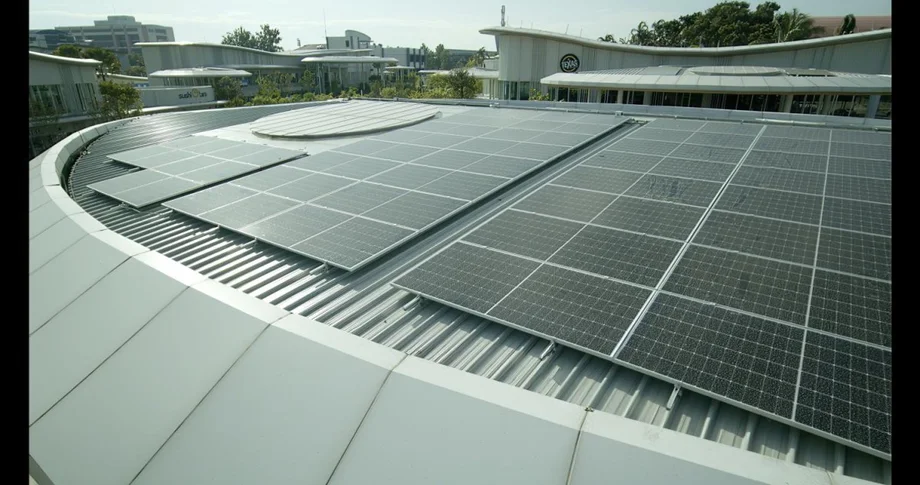
The inspection campaign also includes businesses the ministry considers compliant. During a visit to Udon Thani, Varawut inspected Advance Asia Power Plant, part of the Absolute Clean Energy group, which operates a category 105 facility sorting and landfilling non-hazardous industrial waste.
The facility represents an investment of 140 million baht and employs 20 workers. Its operating arrangements include wastewater treatment, landfill design requirements, annual inspections, waste management records, monthly submissions through the i-Single Form platform and annual soil and groundwater reports.
The Udon Thani Provincial Industry Office had previously ordered the company to improve an earthen embankment near a landfill outlet under Section 37(1) of the Factory Act 1992. The purpose was to stop rainwater carrying waste beyond the boundary. Officials lifted the order after the improvements were completed. The company is preparing a second landfill phase as the first approaches capacity.
Industry Permanent Secretary Phasakorn Chairat said many waste facilities operate legally and meet environmental standards, while unlicensed and noncompliant businesses require urgent action. The ministry's approach combines inspections and enforcement with continued operation by businesses meeting its requirements.
Phasakorn also identified 1,562 registered factories generating industrial waste across Bueng Kan, Loei, Nong Khai, Nong Bua Lamphu and Udon Thani, served by 30 category 105 and 106 processors. Those figures amount to about 52 waste generators per processor. The ministry considers the region's processing capacity appropriate, illustrating why its campaign covers legal disposal capacity as well as suspected illegal activity.
Key Points
- DSI is preparing two special cases covering suspected hazardous waste imports in five eastern provinces during 2024 to 2026.
- DSI reported examining 915 suspect containers carrying more than 13,393 tonnes, valued at over 338 million baht.
- Three businesses in Chonburi face complaints after officials found circuit board operations without the required licences.
- The Industry Ministry has suspended new licences for category 105 and 106 waste facilities and plans to inspect 3,049 registered factories within one year.
- Proposed measures include stronger financial investigations, scrap cargo declarations, digital waste tracking and a pollution response fund.
- Residents can report suspected illegal factory activity through the Department of Industrial Works hotline, 1564.