Victims' lawyers must deliver their opening in English
The International Criminal Court has rejected a request to quote victims' accounts in Tagalog during opening statements at former Philippine president Rodrigo Duterte's trial, scheduled to begin on November 30, 2026, in The Hague. The request covered about 15 to 20 minutes of a longer presentation, with individual passages lasting one or two minutes.
Contents
- Victims' lawyers must deliver their opening in English
- Why Massidda wanted victims' own words heard
- Why the chamber refused the request
- How victims will follow the proceedings
- What the case against Duterte covers
- Who will speak when the trial opens
- Five witnesses before Christmas, about 29 online
- Why the clocks and medical advice matter
- The dates leading into the trial
- Key Points
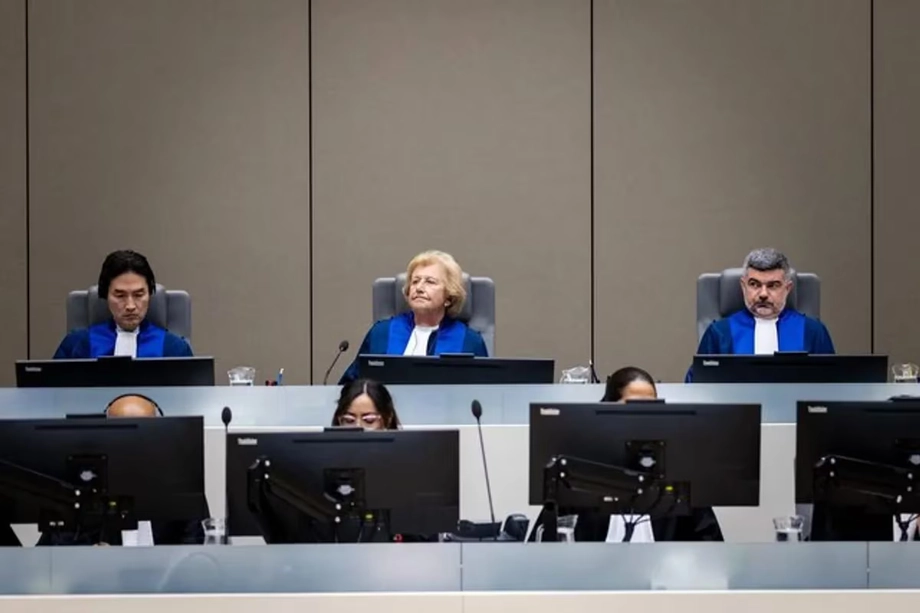
Presiding Judge Joanna Korner rejected the proposal at Trial Chamber III's fifth and final status conference on November 2. Paolina Massidda, principal counsel at the Office of Public Counsel for Victims, had asked to use Tagalog only when repeating words that victims had shared with their lawyers.
Korner cited English and French as the court's working languages and directed that the presentation be delivered in English. She said interpretation would be available, while the court would explore making a Tagalog translation or transcript accessible through its website.
The decision concerns the victims' opening statement. Whether witnesses will testify in Philippine languages has not been specified. For victims following from the Philippines, the immediate result is that their lawyers will present their experiences in English, with interpretation providing access in Tagalog.
The conference also addressed how the trial will operate across a seven hour time difference, accommodate medical advice concerning Duterte and hear approximately 29 witnesses expected to testify remotely. Prosecutors aim to present five witnesses before the court's Christmas break.
Why Massidda wanted victims' own words heard
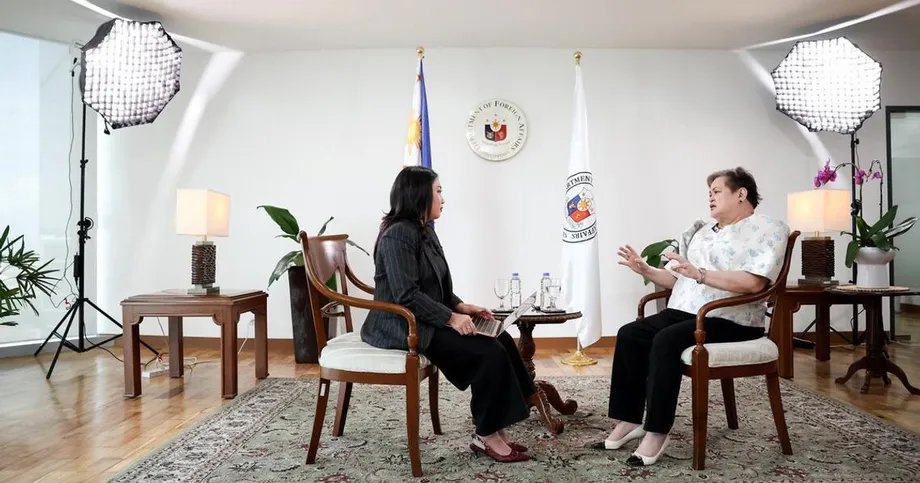
Massidda's request focused on the relationship between victims and the lawyers speaking for them. Victims watching from the Philippines, she said, would connect more directly with the presentation if they heard parts of their experiences repeated in the language they had used.
Massidda explained to the chamber that she was seeking permission for selected quotations rather than an entire presentation in Tagalog:
We are not requesting to speak for one hour in Tagalog. Our request is more during the opening statement; we will make some remarks in quoting parts of [the] narrative that victims provided to us, and we'd like to do that in Tagalog,
Her estimated 15 to 20 minutes would have been spread across short passages. The victims' team was also working to reduce the length of its presentation, whose duration remained under discussion.
Victims' representatives have a different role from prosecutors and defense lawyers. Prosecutors present the criminal case against the accused, while victims' lawyers bring the participating victims' experiences and interests before the judges. An opening statement gives the chamber an outline of what a legal team plans to present.
For Massidda, the wording of that outline mattered as well as its meaning. Her proposal would have allowed people watching to hear their accounts spoken directly by the lawyer representing them, before those words were interpreted for the court.
Why the chamber refused the request
Korner said the Rome Statute, the treaty that created the ICC, identifies English and French as its working languages. She told the parties that using another language required an exceptional reason.
The judge linked her refusal to the administrative work and expense that could follow if the court accepted similar requests involving other languages. Explaining the decision, Korner said:
One of the problems is the moment we start to do this and applications come in and becomes much more complicated, and much more expensive,
Korner also pointed out that some victims speak Philippine languages other than Tagalog. Her reasoning brought together three considerations: the court's working language arrangements, the cost of handling additional requests and the different languages spoken by the people participating in the case.
English and French are the ICC's working languages, the languages used for its regular judicial work. Interpretation allows people who speak other languages to follow or participate in proceedings. The chamber's direction for these opening remarks was to use English.
How victims will follow the proceedings
Korner said the remarks made in court would be interpreted into Tagalog. She also said she would consult the ICC Registry about making a Tagalog translation or transcript available on the court's website.
The Registry handles court administration and services supporting proceedings. A transcript would give readers a written record, while interpretation allows listeners to follow speech as a hearing takes place. The proposed online text could help victims revisit passages after the session.
Massidda acknowledged that interpretation would be available. Her request concerned hearing the victims' words spoken in Tagalog by their own representative, alongside the language services needed by the chamber.
The ICC had also advertised positions for Tagalog and Cebuano translators to work as paraprofessional interpreters and associate court interpreters. Cebuano is relevant to the language issue because the participating victims do not all speak Tagalog.
The practical challenge extends beyond translating legal arguments. Victims need to recognize the experiences being described, understand what happens during a hearing and follow the progress of a case taking place thousands of kilometres from their homes.
What the case against Duterte covers
Duterte faces three counts of crimes against humanity involving murder and attempted murder. Prosecutors allege his involvement in at least 76 murders between 2013 and 2018, covering periods when he was mayor of Davao City and president of the Philippines.
The allegations are divided into three periods and groups of operations:
- Killings in Davao City from 2013 to June 2016.
- Killings of people described as high value targets nationwide from July 2016 to July 2017.
- Killings during barangay clearance operations from July 2016 to September 2018.
A barangay is a local administrative unit in the Philippines. These categories identify the places, periods and operations at issue in the prosecution's case.
Crimes against humanity are crimes alleged to have been committed as part of a widespread or systematic attack directed against civilians. At trial, prosecutors must present evidence supporting the charges, and Duterte's defense can challenge that evidence and put forward its own case. The judges will decide whether the charges have been proved.
Who will speak when the trial opens
Prosecutors are expected to deliver the first opening statement on November 30, followed by the victims' representatives. Duterte's lead defense counsel, Peter Haynes, said he was inclined to make remarks at the start as well.
The chamber invited the defense to consider giving the public and judges an outline of its position. Haynes said the legal team would finalize its decision within the following few days.
Haynes described his intention during the conference:
I'm inclined to say something at the start of the case. We will certainly finalize that position within the next few days,
The prosecution's earlier estimate of four to six hours for its opening was being reduced to about three hours or less. Estimates for the victims' presentation also varied: it was described as lasting more than an hour, while another scheduling estimate allowed around three hours. Massidda said her team was reviewing its length.
Those adjustments matter because opening statements share a limited hearing schedule with breaks and arrangements for Duterte's attendance. Shorter presentations would allow the chamber to move sooner from outlining the case to hearing evidence.
Five witnesses before Christmas, about 29 online
Prosecutors plan to present five witnesses in the first batch of evidence before the Christmas break. Their estimates included six hours for the first witness, shorter presentations for the next two and four hours each for the final two.
Senior trial lawyer Julian Nicholls told the chamber that approximately 29 witnesses were expected to testify through an audio and video link from the Philippines. Remote testimony would allow those witnesses to give evidence without travelling to the Netherlands.
Korner asked prosecutors to prioritize witnesses appearing in person before calling those joining remotely, where possible. That ordering would also help the court separate hearings requiring coordination with the Philippines from those conducted entirely in The Hague.
Judges granted prosecutors 150 hours to present their evidence, with flexibility to divide that time among witnesses. The prosecution also planned seven additional applications under Rule 68 before the end of November. That rule concerns the use of previously recorded testimony, subject to conditions and decisions by the chamber.
The defense has retained experts including a statistician and a policing expert. Judges supported hearing opposing experts close together so that the chamber could compare their analyses. The legal teams were also discussing agreed facts, disclosure of evidence that could support the defense and protective arrangements for witnesses.
Why the clocks and medical advice matter
The regular hearing timetable discussed for the first evidence phase runs from 10 a.m. to 4 p.m. in The Hague, corresponding to 5 p.m. to 11 p.m. in the Philippines in November. It contains four hours of court sessions, two breaks of 30 minutes and a lunch break lasting one hour.
The chamber adopted the shorter sessions and regular breaks in response to medical advice that Duterte should not sit for more than one hour at a time. The timetable also allows opportunities for him to consult his lawyers.
For witnesses joining from the Philippines, a session ending at 11 p.m. would mean giving evidence late into the evening. Marc Dubuisson, director of the ICC's Division of Judicial Services, suggested starting some hearings at 8 a.m. in The Hague, or 3 p.m. in the Philippines, to allow an earlier finish.
Haynes raised another practical issue: getting Duterte from the Scheveningen detention centre to court for an earlier start. He told the chamber he had not been instructed on how feasible that transport arrangement would be.
Korner said operational units would make the necessary adjustments. The scheduling discussion showed how an earlier start affects several groups at once: witnesses in the Philippines, the accused in detention, lawyers and the staff who operate the courtroom.
The dates leading into the trial
Duterte did not attend the November 2 conference after the chamber granted the defense's request to excuse him from a hearing expected to be brief. He had attended the third and fourth status conferences.
Korner said the exception for that conference came with an expectation of daily attendance once the trial begins. The court's immediate preparations now centre on opening statements, the first witnesses and the schedule for the following year.
- September 16 and October 13, 2026: Duterte attended earlier status conferences.
- November 2, 2026: Trial Chamber III held its fifth and final status conference and rejected the request for Tagalog passages in the victims' opening.
- Before the end of November: Prosecutors planned to file seven further Rule 68 applications.
- November 30: The trial is scheduled to open in The Hague.
- Before the Christmas break: Prosecutors aim to present five witnesses.
- January 11 to March 26, 2027: The parties proposed three blocks of hearings, separated by breaks.
The proposed 2027 blocks are January 11 to 29, February 8 to 19 and March 8 to 26. The intervening breaks would run from February 1 to 5 and February 22 to March 5.
The November 2 decisions give victims, witnesses and lawyers a more concrete picture of how the proceedings will begin. Victims' counsel will speak in English with interpretation available, prosecutors will start presenting their case, and the court will adjust its timetable around participation from the Philippines and Duterte's attendance.
Key Points
- The ICC rejected a request to quote victims' accounts in Tagalog for about 15 to 20 minutes during their lawyers' opening statement.
- The chamber directed that the opening be delivered in English, citing working language rules, administrative demands and costs.
- Tagalog interpretation will be available, and the court will explore an online translation or transcript.
- Duterte's trial on three counts of crimes against humanity is scheduled to begin on November 30, 2026.
- Prosecutors aim to call five witnesses before Christmas; approximately 29 witnesses are expected to testify remotely from the Philippines.
- The hearing schedule includes regular breaks based on medical advice, with earlier starts considered for remote testimony.