Arsenic crisis brings urgency to Naypyidaw talks
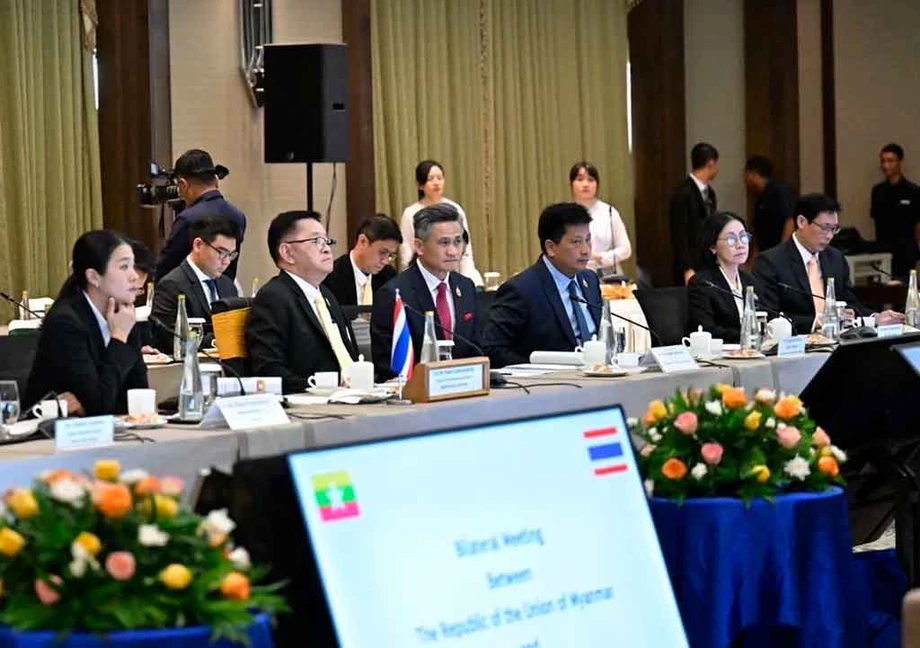
Thailand pressed Myanmar to protect border communities and tackle river pollution during talks in Naypyidaw on November 12, 2026, a week after muddy water overwhelmed a treatment plant in northern Thailand. Tests of untreated Sai River water found arsenic at 0.3 milligrams per litre, 30 times Thailand's surface water standard of 0.01 milligrams per litre.
Contents
- Arsenic crisis brings urgency to Naypyidaw talks
- What the two governments discussed
- Why the Sai River disrupted water supplies
- Residents change how they farm and fish
- Suspected mines create a difficult upstream problem
- A joint water group faces an early test
- Mineral trade brings China into the discussion
- Border trade needs more than open checkpoints
- The dates that shape the next steps
- Key Points
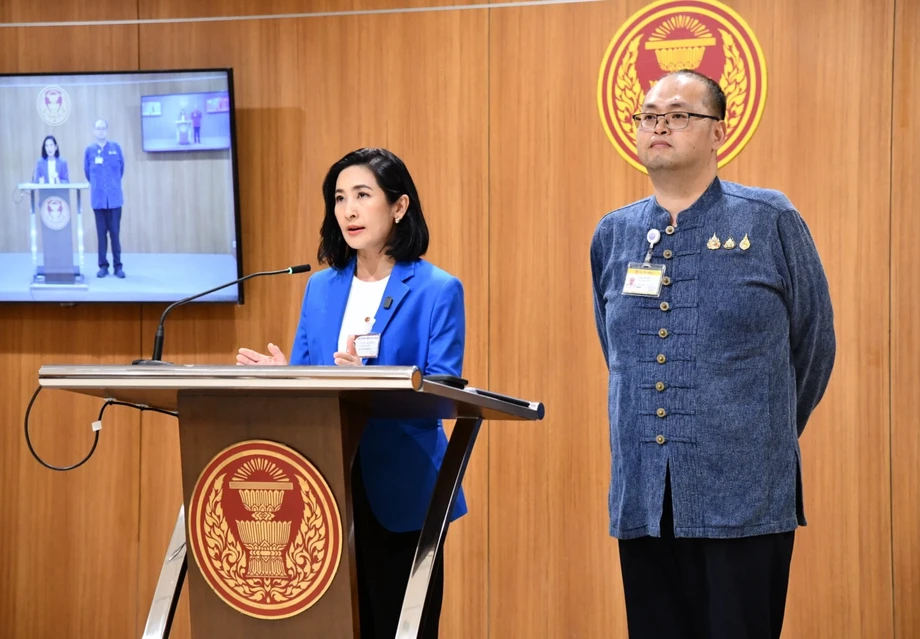
Deputy Prime Minister and Foreign Minister Sihasak Phuangketkeow met Myanmar President Min Aung Hlaing at the presidential residence at 2 p.m. local time. Their discussions lasted more than 90 minutes and covered fighting near Thailand, obstacles to trade, Myanmar's political situation and pollution in rivers shared by the two countries.
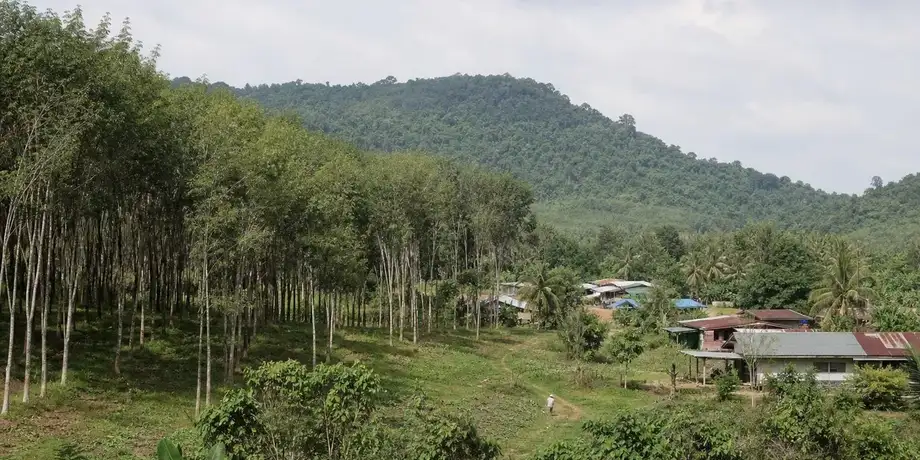
The immediate stakes extend beyond diplomacy. Farmers in 39 Thai villages use the Sai and Ruak rivers to irrigate about 60,500 rai, or 24,000 acres, of rice fields. Residents in Chiang Rai province have become reluctant to fish or use river water, while some farmers have switched to wells whose water they say has not been tested.
Thailand and Myanmar agreed to accelerate a joint working group on river water quality and prepare visits by senior representatives to affected areas. The group's first meeting was expected in late November, giving the talks a practical next step.
The visit also came before the 49th ASEAN Summit in Manila on November 16–18. Sihasak wanted an update on developments inside Myanmar to share with other foreign ministers, while urging less violence and wider access to humanitarian assistance.
What the two governments discussed
Sihasak arrived at Naypyidaw International Airport at 10:15 a.m. with a delegation that combined diplomatic, military and national security officials. It included Deputy Supreme Commander Gen. Chidchanok Nuchchaya, National Security Council Secretary General Gen. Chaiyapruk Duangpraphat and Third Army Region Commander Lt. Gen. Worathep Boonya.
Myanmar's participants included officials responsible for defence, foreign affairs, planning and investment, environmental protection and the president's office, alongside the army chief of staff and a government spokesperson. Sihasak also held discussions with Foreign Minister Tin Maung Swe and Defence Minister Lt. Gen. Yar Pyae.
Thailand asked Myanmar to exercise the greatest possible caution during military operations near the border. Its position was that fighting inside Myanmar must not harm people or territory on the Thai side. Airstrikes and stray bullets crossing the frontier have caused damage, making civilian safety a central issue.
Min Aung Hlaing expressed willingness to help with border matters and issues involving ASEAN. Sihasak said Thailand favoured constructive engagement and supported Myanmar's return to fuller participation in the regional organisation. Thailand also sought a reduction in violence against civilians and greater access for aid to people in need.
Why the Sai River disrupted water supplies
The Mae Sai treatment plant stopped producing water on November 5 when the river became too muddy for its filters to cope. Full operations resumed two days later, but the interruption exposed how quickly changes upstream can affect a town's water supply.
Thanapon Phenrat, an engineering academic at Naresuan University, said river turbidity reached 14,000 NTU that day. NTU is a measure of how cloudy water is because of suspended particles. High turbidity places a heavy burden on treatment equipment.
Arsenic presents a separate chemical concern. The concentration of 0.3 milligrams per litre was measured in untreated river water. Thailand's response includes testing whether river water can be used to produce tap water and arranging alternative supplies when necessary.
Thanapon said research found that about 80% of arsenic detected in the Sai was attached to fine sediment. That makes the movement and removal of tiny particles an important part of controlling contamination, alongside measuring arsenic in the water itself.
His proposed immediate response was to identify land in Mae Sai for settling ponds, where water could remain long enough for sediment to sink before further treatment or use. He said lasting improvement would require controlling sediment releases upstream, because continued discharges would put increasing pressure on those ponds.
Residents change how they farm and fish
Kham Jaidee, a farmer in Pa Daeng Luang village in Mae Sai district, grows leafy vegetables, cucumbers and potatoes for sale to traders. He has replaced water pumped from the Sai and Ruak with water from a well because he is worried about contamination.
Kham said the well water looked clear, but its proximity to the river left him concerned about possible contamination underground. He said no agency had tested that well. He also described persistent muddy river water over the previous two to three months and said villagers had stopped collecting crabs and fish because of their concerns.
Kanya Kanwana, a resident of the Tham Pha Chom community, described wider damage to confidence and livelihoods. Her community was still recovering from flooding in 2024, and she said fears about water and food safety complicated efforts to restart businesses, including small restaurants. She also described fewer visitors.
Kanya called on both governments to work together and stop activities harming residents. Her account shows why the response needs to reach beyond the treatment plant: farmers need usable irrigation water, households need reliable supplies, and businesses need customers to trust the safety of local food.
Suspected mines create a difficult upstream problem
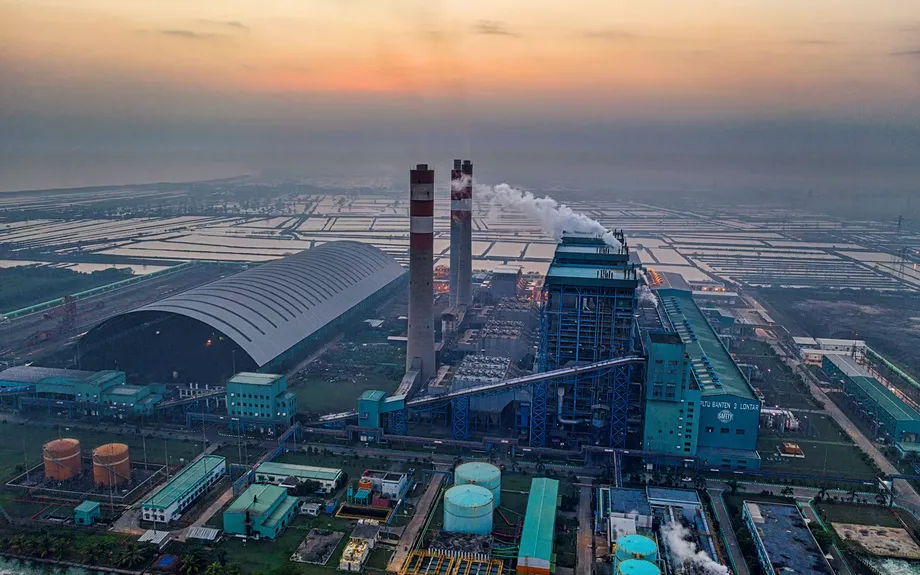
Thai officials suspect mining in Myanmar's Shan State is contributing to the contamination. Researchers have linked deteriorating Sai River water quality to mining wastewater, including from areas outside the Myanmar military's control. Authorities had not identified the precise source of the latest arsenic surge.
Thanapon said satellite imagery and sediment movement modelling identified two suspected mining zones that could send large quantities of sediment into the river. He said researchers had detected increases in arsenic and sediment from June, before the severe November episode.
Myo Myint Thein, deputy permanent secretary for mining at Myanmar's Ministry of Natural Resources and Environmental Conservation, said the government had issued no mining concessions or operating permits in the area under discussion. He described the limits of official oversight:
It is possible that unauthorized, illegal operations are taking place near the border, which fall beyond our administrative reach and oversight.
Myo Myint Thein also said Myanmar would reject mining that endangered its rivers through wastewater or mine waste, known as tailings. Such discharges can affect people inside Myanmar before flowing downstream into Thailand.
Thailand therefore faces two connected tasks: securing cooperation from Myanmar's government and gaining access to information and sites in places where that government's authority is limited. Permission to install monitoring equipment upstream is among the measures Thailand intends to seek.
A joint water group faces an early test
The Joint Working Group on Water Quality Management in Boundary and Transboundary Rivers is intended to turn diplomatic discussions into shared testing and action. Natural Resources and Environment Minister Suchart Chomklin said its first meeting was planned for late November, with representatives from Myanmar and Shan State attending to finalise the cooperation framework.
Suebskul Kitinukorn, an academic at Mae Fah Luang University's School of Social Innovation, urged both sides to use a cooperation framework signed on August 6, 2025, and hold discussions in Mae Sai. He also proposed inviting Min Aung Hlaing and Myanmar's foreign minister to see conditions and hear from communities in Thailand and neighbouring Tachileik.
Suebskul said Thailand was collecting samples at three locations on the Sai, two on the Ruak and one on the Mekong, while Myanmar had about six monitoring locations. Comparing results would help the countries track where water quality changes and direct inspections towards possible pollution sources.
Thailand's Pollution Control Department had also established seven monitoring stations during the year, Suchart said. Officials were seeking a site for a local laboratory so heavy metals could be tested without sending samples to Bangkok, shortening the wait for information needed by water suppliers and residents.
Thai agencies have separate responsibilities: fisheries officials are to check aquatic animals, land officials are to test agricultural soil, and environmental authorities are to test water and share findings with health agencies. Public health teams have also been sent to advise residents.
Mineral trade brings China into the discussion
Thailand's imports of antimony ore from Myanmar rose from 76 tons in 2023 to 42,217 tons in 2024 and 68,919 tons in 2025. The increase between 2024 and 2025 was 26,702 tons, or about 63%. The figures have strengthened calls to trace mineral shipments back to individual mines.
Opposition lawmaker Phattarapong Leelaphat urged Prime Minister Anutin Charnvirakul to seek China's help during Chinese Premier Li Qiang's scheduled visit to Thailand on November 13–14. He called for scrutiny of shipments handled by Thai companies and cooperation among Thailand, Myanmar, China and Laos on mine inspections and water testing.
Phattarapong's proposals included tracing minerals from territory controlled by the United Wa State Army. Environmental groups have also alleged Chinese involvement in mining along the upper Sai. China had previously backed a scientific investigation after Thailand raised river pollution with Beijing.
Suebskul proposed disclosure of mining activities across six upstream zones, including permits, wastewater management, working conditions and mineral purchasing. These wider inspection areas would help authorities examine both how mines operate and where their products go.
Suebskul also suggested considering restrictions on mineral imports and exports of mining machinery, equipment and chemicals if cooperation failed. Those were proposals from an academic, rather than measures announced by the Thai government. He called for ASEAN and the Mekong River Commission to help address pollution moving through connected rivers; Myanmar participates in the commission as a dialogue partner.
Border trade needs more than open checkpoints
The Mae Sot–Myawaddy route was another focus of Sihasak's visit. Border checkpoints have reopened, but security concerns and Myanmar's import licensing requirements continue to obstruct trade and affect Thai businesses operating across the frontier.
An open crossing allows goods to reach the border, while import permission determines whether they can legally enter Myanmar. Fighting and transport insecurity create another layer of difficulty. Thailand sought cooperation on these practical obstacles rather than relying on the reopening of checkpoints alone.
The discussions also covered labour management and energy security. Relevant agencies were tasked with maintaining close coordination to resolve problems and pursue economic cooperation. No timetable for changes to import licensing was announced.
The dates that shape the next steps
November brings several opportunities to test whether diplomatic commitments produce action. The water interruption preceded Sihasak's visit by a week, while China's planned visit and the ASEAN summit followed soon afterwards.
- November 5: Severe turbidity in the Sai River forced the Mae Sai treatment plant to stop production.
- November 7: The plant resumed full operations, two days after the disruption.
- November 10: Suchart described excessive arsenic and heavy metals in the Sai as a pollution problem crossing national borders.
- November 12: Sihasak met Min Aung Hlaing and senior Myanmar officials in Naypyidaw.
- November 13–14: Li Qiang was scheduled to visit Thailand, an opportunity Thai politicians and academics wanted used for discussions about mining and mineral trade.
- November 16–18: The 49th ASEAN Summit was scheduled in Manila, following discussions among foreign ministers.
- Late November: The joint water quality working group was expected to hold its first meeting.
The next practical steps are shared water data, upstream monitoring access and arrangements for officials to inspect affected areas. For residents, the immediate priorities are more direct: dependable tap water, tested wells, safe irrigation and clear advice about fish, soil and crops.
Key Points
- Thailand and Myanmar discussed border fighting, trade barriers, political developments and river pollution on November 12.
- Untreated Sai River water contained arsenic at 0.3 milligrams per litre, 30 times Thailand's surface water standard.
- A November 5 water production interruption ended two days later, while concerns continued across farming and riverside communities.
- Farmers in 39 villages irrigate about 60,500 rai using the Sai and Ruak rivers.
- Both governments agreed to accelerate joint water quality work, with a first meeting expected in late November.
- Thailand is seeking upstream monitoring access, while calls for mineral shipment tracing have drawn China into the proposed response.