Committee Agreement Moves Clean Air Bill Toward Parliament
Thailand's joint parliamentary committee reviewing the Clean Air Management Bill has resolved seven disputed issues, agreeing on penalties of 25 million baht for a first pollution offense and up to 50 million baht for repeat offenses. Provincial governors would chair provincial clean air boards, with up to two representatives from private business organizations allowed to serve alongside other members.
Contents
- Committee Agreement Moves Clean Air Bill Toward Parliament
- How the Negotiations Reached This Point
- Fines Set Between Competing Proposals
- Governors Will Lead Provincial Boards
- Project Inspections Will Rely on Related Laws
- Courts, Banks and Pollution Across Borders
- What Changes for Farmers, Workers and the Fund
- Waste and Vehicle Measures Leave the Bill
- Key Points
The agreement moves the bill toward another review by the House of Representatives and the Senate. The committee expects the legislation to pass during the current parliamentary session, following a final examination of the wording. No date was given for that examination or the parliamentary votes.
The changes also address inspections of projects that cause pollution, temporary court protection, financial institution liability and pollution originating outside Thailand. A proposed system for collecting deposits and returning them when products or packaging are handed back has been removed pending broader waste management legislation.
The urgency comes from the approaching PM2.5 pollution season. PM2.5 means tiny airborne particles measuring 2.5 micrometres or less across, small enough to enter deep into the lungs. Committee members have been trying to finish the legislation in time for it to become a practical tool during that period.
How the Negotiations Reached This Point
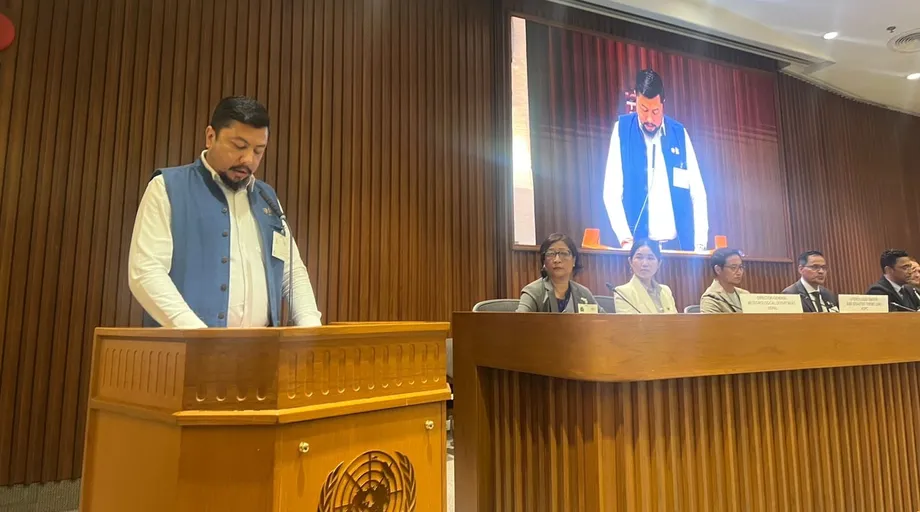
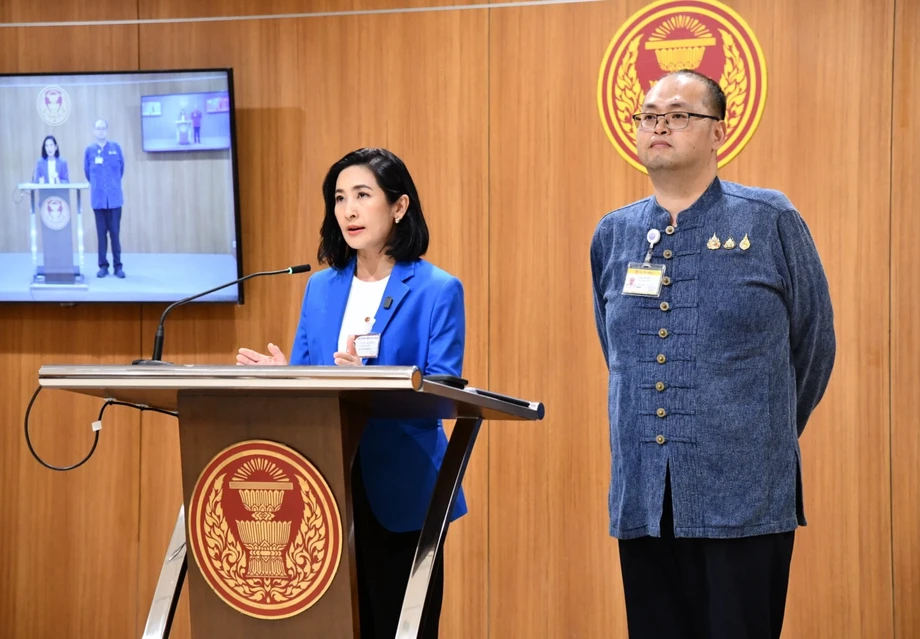
At the committee's sixth meeting, discussed at Parliament on 3 November 2026, members were still working through a wider set of disagreements. Democrat Party deputy leader and list MP Karadee Leapairot and Senator Palawat Tansiri, both committee spokespersons, outlined the progress and the remaining work.
Palawat said 15 issues had been discussed, with six agreed and nine unresolved at that stage. The latest committee announcement describes agreement on seven disputed issues and a move toward final drafting.
The main stages and next steps are:
- 3 November 2026: The committee announced six agreed amendments after its sixth meeting, with nine issues still unresolved.
- The following week: Members expected votes on remaining disputes, according to the timetable announced on 3 November.
- Latest committee announcement: Seven disputed issues were resolved, including penalties, provincial leadership and business representation.
- Next stage: The committee plans to finalize the text and submit it to the House of Representatives and the Senate during the current session.
- One year after publication of the law: The Clean Air Fund chapter would take effect under an earlier agreed amendment.
Karadee said in the November briefing that the committee wanted to finish within the current session because waiting until the next session, described as beginning in March, would miss the intended window for responding to seasonal dust pollution. She also called for workable rules, clear agency responsibilities and control of pollution at its source.
Fines Set Between Competing Proposals
The agreement on penalties follows a substantial disagreement between MPs and senators. Earlier proposals set the two penalty levels at 50 million and 100 million baht. Senators proposed reducing them to 5 million and 10 million baht, arguing that enforcement and competitiveness with neighboring countries needed consideration.
Some committee members warned that penalties set too low could leave businesses with little reason to stop polluting. During the earlier discussions, the Council of State was asked to help revise the wording as members considered the competing positions.
The latest agreement sets the first offense penalty at 25 million baht and the repeat offense ceiling at 50 million baht. Each figure is half the corresponding 50 million and 100 million baht proposal, and five times the Senate's proposed 5 million and 10 million baht levels.
For businesses, those figures describe the financial exposure attached to the offenses covered by the provision. For residents affected by pollution, the practical issue will be whether authorities can identify violations and apply the law. The committee has presented its drafting work as an effort to make enforcement workable alongside existing legislation.
Governors Will Lead Provincial Boards
Provincial governors would chair provincial clean air boards under the agreement. The earlier debate considered whether that responsibility should instead fall to presidents of provincial administrative organizations, bringing a choice between different parts of provincial government into the center of the negotiations.
The decision places governors at the head of the provincial structure proposed in the bill. Those boards would form part of the machinery for turning national clean air policy into action in individual provinces, where pollution sources and affected communities can differ.
Private business organizations would be allowed up to two representatives on each provincial board. That gives businesses a defined place in provincial discussions while limiting their representation.
The committee had earlier agreed that private sector representatives should be excluded from regulatory and fund boards because of potential conflicts of interest. A company subject to pollution controls can bring useful operational knowledge, but decisions about regulation or public funds also require safeguards against members benefiting their own businesses. The latest provincial arrangement sits alongside that earlier distinction between different board responsibilities.
Project Inspections Will Rely on Related Laws
The committee has revised provisions dealing with inspections of projects that cause pollution, while retaining their intended purpose elsewhere in the bill. Earlier discussions focused on whether an additional provincial mechanism would duplicate procedures already required under other laws.
Members identified environmental impact assessments, known as EIA, and environmental and health impact assessments, known as EHIA, as relevant existing processes. These assessments examine the likely effects of a proposed project, with EHIA also addressing health effects. Factory control laws and public consultation procedures were part of the discussion.
The drafting choice matters to both nearby communities and project operators. Residents need a route for having pollution risks examined, while businesses need to know which authority is responsible and which requirements apply. The committee's stated approach is to preserve the purpose of scrutiny while coordinating it with existing legal mechanisms.
An earlier Senate proposal also sought to replace the term pollutant release and transfer register, or PRTR, with air pollutant discharge information. A PRTR generally records pollutants released into the environment and transferred elsewhere, such as in waste. The proposed terminology change was presented as a way to align the bill with existing laws and make requirements more practical for smaller businesses. The latest announcement did not specify the final wording on that issue.
Courts, Banks and Pollution Across Borders
The committee removed a separate provision on temporary protection because existing administrative court laws and regulations already provide for it. Temporary protection is a court measure that can address an urgent situation while a case is still being considered, rather than waiting for a final judgment.
The decision places that route within the existing court framework. It is part of the committee's wider effort to avoid writing a second set of procedures where related laws already apply.
Financial institution liability was another difficult part of the negotiations. The latest agreement narrows the definition of financial institutions exempt from liability and specifies conditions for liability connected with sources of pollution outside Thailand.
Earlier discussions also considered the effect of lending rules on farmers and small businesses. Members sought to avoid making access to credit unnecessarily difficult while keeping responsibility focused on those involved in wrongdoing. For lenders, the final wording will determine which activities and relationships bring them within the law's reach.
Pollution crossing national borders creates a different enforcement problem because its source can lie outside Thai jurisdiction. Earlier revisions assigned the Foreign Ministry a broad role in international relations while seeking to avoid overlapping duties among agencies. The new agreement addresses conditions for liability linked to those external pollution sources as part of the same legislative effort.
What Changes for Farmers, Workers and the Fund
Several practical amendments had already been agreed before the latest disputes were settled. Farmers would no longer face the proposed requirement to install pollution monitoring systems, removing an equipment and compliance burden that committee members considered difficult in practice.
The committee also agreed to refine the definition of vulnerable groups to focus on outdoor workers continuously exposed to air pollution. That wording makes repeated exposure through work central to the category and helps define who would receive protection under the relevant provisions.
Local executives would no longer automatically become clean air officers. Appointment would instead rest with ministers, while local authorities would remain involved in implementation. Other amendments aim to prevent duplicate fees charged at both product and business category levels, including overlap with arrangements under laws such as the Oil Fuel Fund legislation.
The Clean Air Fund chapter would begin one year after the law is published. Palawat said the delay would allow time to appoint the fund board, prepare operating rules and complete the revolving fund approval process. The committee also expected no fee or fine income during the first year.
That schedule gives the fund a later starting point than the committee's intended early use of the wider law. Communities and agencies looking to the fund for support would therefore face a preparation period even if Parliament passes the bill within the targeted session.
Waste and Vehicle Measures Leave the Bill
The committee removed deposit and refund provisions pending broader waste management legislation. Such a system normally adds a deposit to a product or container and returns that money when it is handed back for collection or recycling.
Moving the proposal out of the clean air bill leaves that mechanism for separate waste legislation. Earlier discussions had covered packaging waste and chemicals, with members arguing that more specific recycling laws would be a better place for the rules.
Section 98, concerning vehicles at the end of their useful life, had also been removed in the earlier round of agreements. The Department of Land Transport raised limits on its ability to place those vehicles directly into a dismantling system, while other agencies already handled vehicle age issues.
The committee said the clean air legislation should concentrate on controlling emissions rather than setting vehicle lifespans. Taken together, the changes narrow the bill's direct role in waste and vehicle disposal while keeping pollution control at the center of its stated purpose.
Key Points
- The joint committee has resolved seven disputed issues and plans to finalize the Clean Air Management Bill for both parliamentary chambers.
- Agreed penalties are 25 million baht for a first offense and up to 50 million baht for repeat offenses.
- Provincial governors would chair clean air boards, with up to two representatives from private business organizations.
- Inspection and temporary protection provisions have been revised to coordinate with existing laws.
- The agreement adjusts financial institution liability and conditions involving pollution sources outside Thailand.
- The Clean Air Fund chapter would take effect one year after publication of the law.
- Deposit and refund provisions have been removed pending broader waste management legislation.
- The committee is targeting passage during the current parliamentary session, ahead of the intended response to seasonal PM2.5 pollution.