Security Agreement Reaches the Afghan Frontier
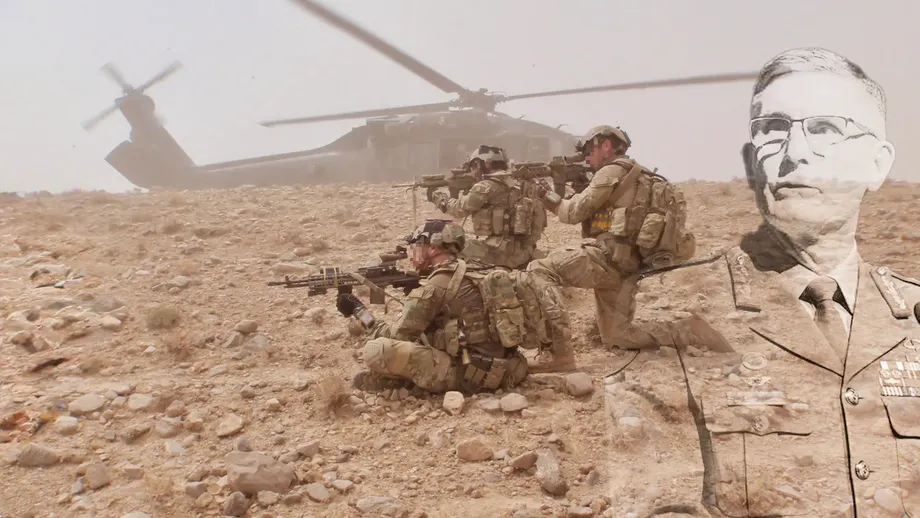
The Collective Security Treaty Organization has announced that its member states will deliver military equipment to secure the border between Tajikistan and Afghanistan. Taalatbek Masadykov, Secretary-General of the Collective Security Treaty Organization, stated that the ongoing measures are inadequate and need faster implementation. Speaking about the shared vulnerability of neighbouring nations, Taalatbek Masadykov said: "If something happens there, it will not only be Tajikistan's problem, but a problem for all CSTO member states, as well as other members of the Commonwealth of Independent States."
Contents
The border spans more than 1,300 kilometres and serves as the southern boundary of the security zone overseen by the alliance. Recent security incidents near the boundary prompted the new equipment transfers, which are scheduled to arrive this autumn. Russian forces are expected to manage the primary supply role for the Tajik military, building on a long-standing defence partnership.
Diplomatic Meetings in Dushanbe Shape Regional Defense
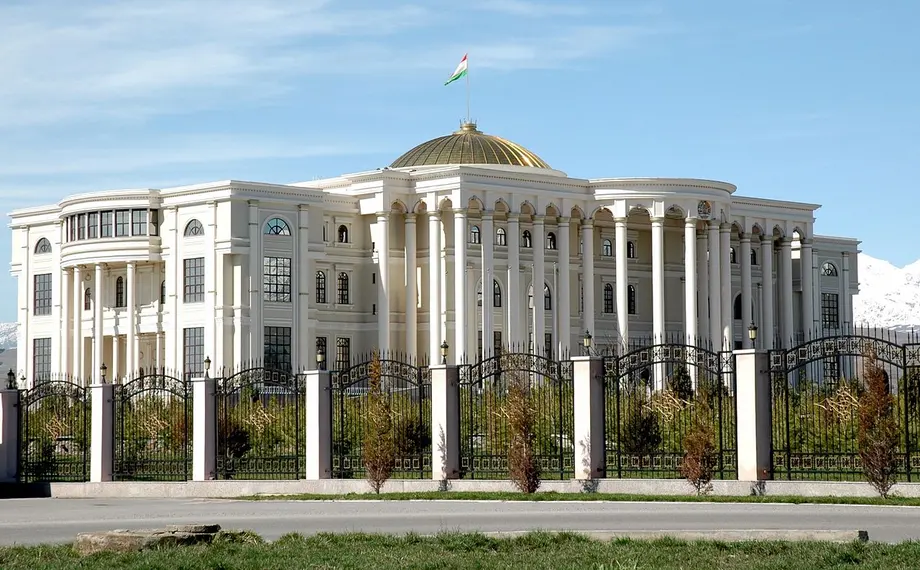
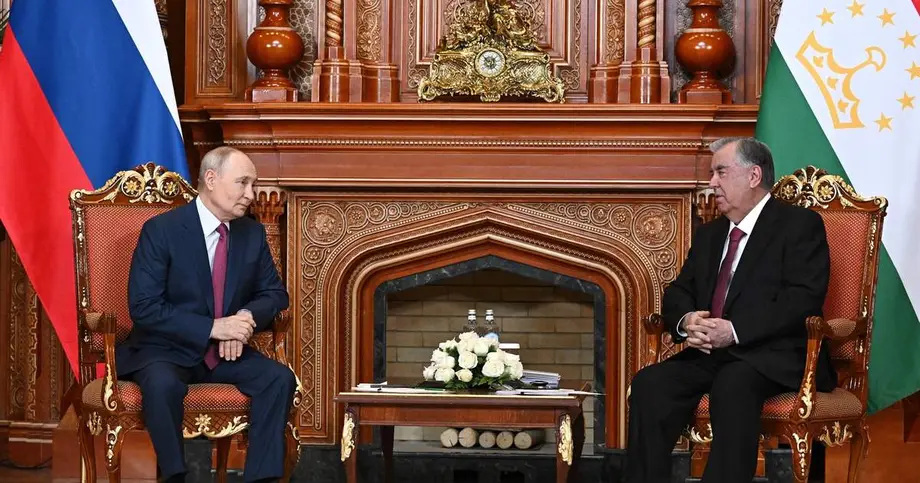
Russian President Vladimir Putin travelled to Dushanbe on Friday, 20 November 2026, to meet with Tajik President Emomali Rahmon. The discussions marked the second round of formal talks between the two leaders that month, following an earlier meeting in Moscow. During the session, Tajik President Emomali Rahmon briefed his Russian counterpart on the security situation along the southern frontier. Dmitry Peskov, Kremlin spokesperson, stated that security incidents continued to occur along the border and smugglers remained active, though a degree of stability and predictability remained.
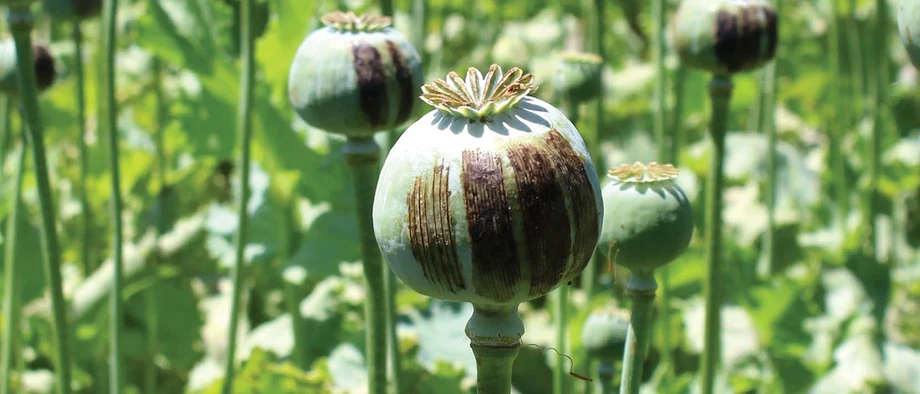
The leaders reviewed counterterrorism efforts, cyber threats, and regional measures against drug trafficking. Vladimir Putin noted that economic ties between the two countries have expanded steadily. In assessing the bilateral relationship, Vladimir Putin described bilateral trade as growing by more than 25 percent last year, alongside an increase of nearly 19 percent during the first nine months of the current year. These economic links build on broader trade goals established as Tajikistan prepares for its CSTO chairmanship.
Strategic Role of the 201st Military Base
Russia maintains its largest military installation outside its own borders in Tajikistan, known as the 201st Military Base. Vladimir Putin has repeatedly identified the facility as a major guarantor of security across Central Asia. Asadullah Nadim, a military analyst, described the local reliance on foreign support by noting that the Tajik army obtains almost all of its weaponry from Moscow. According to Asadullah Nadim, the relationship is long-standing and publicised to serve domestic interests, while reinforcing the perspective that local security depends heavily on external backing.
Political analysts view the expanding military cooperation through different strategic lenses. Aziz Maarij, a political analyst, said: "Russia itself is also interested in bringing its troops and equipment to the border under various pretexts and, like the former Soviet Union, intends to gradually make its way toward the warm waters in the direction of India." Meanwhile, security discussions continue both within formal alliance structures and through direct bilateral meetings involving Russian defense ministry officials.
Economic Pressures and Remittance Vulnerabilities
Economic stability in Tajikistan remains closely tied to financial transfers sent home by workers abroad. World Bank figures indicate that personal remittances accounted for 57.7 percent of the gross domestic product of Tajikistan in 2025. Recent international trade restrictions have introduced new financial hurdles for local families. The European Union added the Russian bank Unistream to its latest sanctions package, noting that the institution provides debt repayment grace periods for military personnel involved in the conflict in Ukraine. Because many migrant workers rely on this specific transfer network to send earnings home, regional observers note that the restrictions could impact household finances.
External aid inflows have also experienced notable shifts. Earlier data showed that humanitarian aid fell significantly as donor rankings shifted, leaving Russia as the largest supplier of relief goods. These financial realities underscore the deep economic integration between Dushanbe and Moscow, even as regional trade routes face broader disruptions across Central Asia.
Cross-Border Friction and Official Responses
Tensions along the frontier follow a recent incident in which Tajikistan reported that two Afghan citizens attempting illegal entry were killed during a border clash. Kabul authorities maintain that the boundary region remains secure and that external concerns are exaggerated. Zabihullah Mujahid, spokesperson for the Islamic Emirate, said: "In our view, the concerns being raised are largely unfounded. Intelligence circles from some hostile countries may be providing false information to this organization in an attempt to create tensions between Afghanistan and its neighbors, causing concern among its members."
These diplomatic frictions emerge against a backdrop of wider regional instability. Similar border closures and security disputes have previously disrupted commerce across the region, echoing trade losses caused by border shutdowns elsewhere in South Asia. Trade corridors connecting landlocked nations have repeatedly faced closures following armed clashes, as seen during deadly clashes that closed border crossings between neighbouring states and triggered military escalations involving airstrikes.
Timeline of Key Events
- 11 November 2026: President Emomali Rahmon attended the CSTO Collective Security Council session in Moscow.
- 20 November 2026: Vladimir Putin arrived in Dushanbe to hold security talks with Emomali Rahmon.
- Autumn 2026: The first shipments of military equipment from CSTO member states are expected to reach Tajikistan.
- 2027: Tajikistan is scheduled to assume the chairmanship of the Collective Security Treaty Organization.
What Remains Unknown
Public announcements have not specified the exact delivery dates for the upcoming military equipment shipments or the specific types of hardware each member state will contribute. Details regarding how sanctions on the Unistream transfer system will be fully mitigated remain unannounced by financial authorities. No definitive timeline has been established for resolving broader intelligence disputes between Kabul and regional security blocs.
The Bottom Line
- The CSTO has agreed to provide military equipment to reinforce the border between Tajikistan and Afghanistan.
- Russian President Vladimir Putin and Tajik President Emomali Rahmon met in Dushanbe to discuss border security and regional threats.
- Remittances from workers abroad represented 57.7 percent of the gross domestic product of Tajikistan in 2025.
- Kabul maintains that the security situation is under control and rejects outside concerns regarding cross-border threats.