Winter appeal exposes gaps in protection
At least nine million people in Afghanistan, Ukraine, Syria and Lebanon need extra help to survive the 2026–2027 winter, according to the United Nations refugee agency, with funding shortages already limiting assistance. In Lebanon alone, UNHCR expects about 300,000 people to need winter support but says it has the resources to reach only half.
Contents
- Winter appeal exposes gaps in protection
- Afghanistan accounts for nearly half the winter needs
- Families face choices between warmth, food and care
- Ukraine faces freezing temperatures and damaged services
- Ukraine has a separate winter funding plan
- Returnees in Syria need shelter and heating fuel
- Lebanon faces a shortfall affecting 150,000 people
- A wider budget gap is restricting the response
- How the winter appeals developed
- Key Points
The agency launched its annual winter fundraising campaign on Friday, October 30, seeking at least $50 million from individuals and private sector donors. The target is $3 million above the $47 million raised during the previous campaign, an increase of about 6.4%.
Families across the four countries face rising food and energy prices, shortages of fuel for cooking and heating, and homes that offer too little protection from freezing weather. Earlier reductions in cash assistance, healthcare, education and programmes that help people earn a living have left many households with fewer ways to cope.
Dominique Hyde, UNHCR's director of external relations, described the pressure on the agency and the people it supports:
Resources are scarce and costs are spiralling just as winter looms in the Northern Hemisphere.
Each country faces a different combination of dangers. Russian attacks threaten Ukraine's electricity and heating systems. Large numbers of people returning to Afghanistan and Syria need help establishing homes again. In Lebanon, the agency's expected reach leaves about 150,000 people needing winter assistance outside its current capacity.
The campaign brings those needs together in an appeal for donations, while the scale of the funding problem extends well beyond winter supplies. UNHCR says cuts to its wider budget have restricted its ability to respond, forcing difficult choices about which families receive support and how much help they get.
Afghanistan accounts for nearly half the winter needs
Afghanistan accounts for an estimated 4.2 million people in the wider winter needs figure, based on a 2026 assessment of shelter requirements carried out by humanitarian agencies. That is roughly 47% of the nine million people identified across the four countries.
About one third of those assessed in Afghanistan said they did not have enough warm clothing. For a family living in a damaged home or temporary shelter, clothing, blankets, repairs and heating fuel are connected needs: buying one may leave too little money for another.
UNHCR says nearly four million Afghans returned from Pakistan and Iran between January 2025 and July 2026, many with limited resources to rebuild their lives. A January 2026 endpoint is also cited for approximately the same return figure, leaving the precise period covered by that total unclear.
Returnees need somewhere to live as well as a way to pay for everyday essentials. Funding shortages have restricted cash support, shelter repair packages, blankets and heating equipment, making it harder for families to prepare before temperatures fall.
Families face choices between warmth, food and care
Hyde said families in Afghanistan were having to choose between heating, food and healthcare. During the previous winter, some burned cardboard, paper and plastic waste because they could not afford coal or firewood.
Children were particularly vulnerable, with UNHCR describing cases of pneumonia and other respiratory illnesses during the previous winter. Pneumonia is an infection of the lungs that can make breathing difficult. Smoke from burning waste adds another burden for people trying to stay warm in poorly ventilated spaces.
Afghanistan's winter needs sit within a much larger humanitarian emergency. United Nations figures put the number of people needing humanitarian assistance in 2026 at 21.9 million. Aid organisations have prioritised 17.5 million of the most vulnerable people, about four fifths of that total.
The 4.2 million figure concerns shelter needs, while the 21.9 million figure covers broader humanitarian needs. Many families need several forms of assistance at once, from food and medical care to a roof that keeps out rain and snow.
Ukraine faces freezing temperatures and damaged services
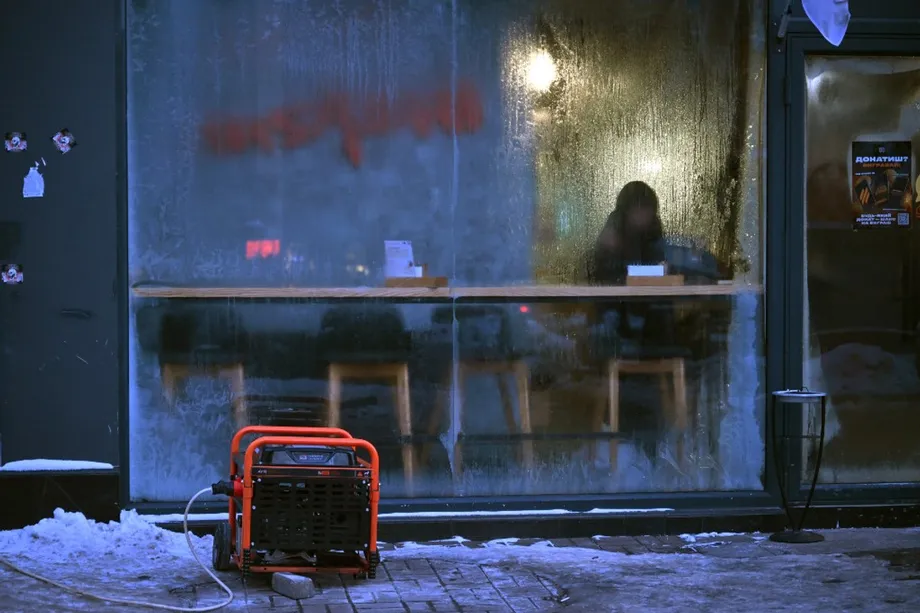
Ukraine is entering its fifth winter since Russia began its full scale invasion in February 2022. Temperatures could fall to minus 20°C, or minus 4°F, while missile and drone attacks place further strain on an already damaged energy system.
UNHCR warned on October 27 that intensified strikes against energy infrastructure could cause prolonged power outages, interrupting electricity, heating and reliable access to water. Damage to a power system can affect several household essentials at once, particularly where heating and water services depend on electricity.
The agency said attacks were continuing during the day and at night, damaging civilian and humanitarian facilities and forcing more people from their homes. Families who move to escape fighting may then need help finding accommodation and preparing it for winter.
UNHCR estimates that 3.7 million people are displaced within Ukraine and more than 5.9 million Ukrainian refugees remain abroad, mainly in Europe. People displaced internally have fled their homes but remain inside their country; refugees have crossed an international border.
Nearly three million homes in Ukraine had been damaged or destroyed by the end of 2025, according to UNHCR. An estimated 10.8 million people inside the country need humanitarian assistance and protection in 2026, including many whose homes or local services have been affected by the war.
Ukraine has a separate winter funding plan
United Nations agencies and humanitarian partners launched a separate 2026–2027 Ukraine Winter Response Plan in July, seeking $358.4 million to assist 2.1 million vulnerable people. It prioritises communities near the front line, people displaced by fighting and households especially exposed to disruptions in heating, electricity and water.
The UN also announced a $50 million allocation through the Ukraine Humanitarian Fund to address urgent gaps. That allocation is funding for the Ukraine response; the new $50 million winter campaign is a fundraising target covering four countries.
Matthias Schmale, the UN humanitarian coordinator in Ukraine, explained the need for practical support when the Ukraine plan was launched:
Endurance alone cannot heat a home, restore electricity or repair the damage caused by the ongoing war.
UNHCR's winter assistance includes emergency cash payments, repairs to shelters, insulation materials and support for heating. Cash helps families pay for their most urgent expenses, while repairs and insulation help keep warmth inside homes.
Returnees in Syria need shelter and heating fuel
Millions of refugees have returned to Syria following the overthrow of Bashar al-Assad, according to UNHCR. Their immediate winter needs include shelter, clothing and heating oil.
UNHCR warned that returnees face increasingly precarious conditions without more funding for these basics. A family returning home may still need help securing a habitable roof, buying warm clothes and paying for enough fuel to get through the coldest months.
Syria's needs share an important feature with Afghanistan's: returning to a country brings immediate costs at a time when many families have limited resources. Winter assistance can help cover those costs while people work to rebuild their lives.
Lebanon faces a shortfall affecting 150,000 people
About 300,000 people in Lebanon are expected to need winter assistance, but UNHCR says funding constraints allow it to reach only half. That leaves approximately 150,000 people outside the agency's currently affordable response.
Lebanon's figures make the consequences of limited funding especially concrete. For every two people expected to need help, UNHCR currently has the capacity to assist one. The campaign seeks more donations as vulnerable households across the four countries contend with expensive food, costly energy and shortages of heating fuel.
The agency has not specified how the new campaign's proceeds will be divided among the four countries or how many people the money will ultimately reach. Nine million is the estimated population needing extra winter help; assistance delivered will depend on funding and the needs addressed in each place.
A wider budget gap is restricting the response
UNHCR appealed for $8.5 billion for its 2026 programmes, but only $3 billion was available as of October 9. That amounts to about 35% of the appeal, leaving a gap of $5.5 billion at that point.
The agency has reduced its workforce following budget cuts. Restrictions on cash assistance, healthcare, education and support for earning a living also affect families before winter begins, reducing the resources they can draw on when fuel and warm clothing become urgent expenses.
Worldwide, 117.8 million people were displaced from their homes at the end of 2025, according to UNHCR, compared with a record 123.2 million in 2024. The decline was 5.4 million people, or about 4.4%, while the number still needing protection and support remained very large.
The winter campaign targets a specific set of urgent needs within that wider response. Its $50 million goal is higher than last year's fundraising result, but families also face rising costs. More money raised will have to meet both existing shortages and more expensive essentials.
How the winter appeals developed
The October campaign follows months of planning and warnings, particularly in Ukraine, where damage to energy infrastructure threatens services needed during freezing weather.
- July 2026: UN agencies and partners launched Ukraine's $358.4 million winter response plan, aiming to assist 2.1 million people.
- October 9, 2026: UNHCR had $3 billion available against its $8.5 billion appeal for programmes during the year.
- October 27, 2026: UNHCR warned that attacks on Ukraine's energy infrastructure risked prolonged outages affecting electricity, heating and water.
- October 30, 2026: UNHCR launched its campaign for at least $50 million in winter support across Afghanistan, Ukraine, Syria and Lebanon.
For households preparing for winter, the immediate needs are practical: a shelter that keeps out the cold, enough clothing and blankets, and fuel or electricity for heating. The fundraising drive seeks to expand access to those essentials before freezing conditions deepen the hardship.
Key Points
- UNHCR seeks at least $50 million as nine million people across four countries need extra winter assistance.
- Afghanistan accounts for 4.2 million people with shelter needs, and about one third lack sufficient warm clothing.
- Ukraine faces temperatures as low as minus 20°C alongside attacks threatening electricity, heating and water.
- Returnees in Syria need shelter, clothing and heating fuel.
- UNHCR can currently afford to assist only half of the 300,000 people expected to need winter help in Lebanon.
- Only $3 billion was available against UNHCR's $8.5 billion annual appeal as of October 9.