Uzbekistan Reaches Record Sovereign Credit Rating
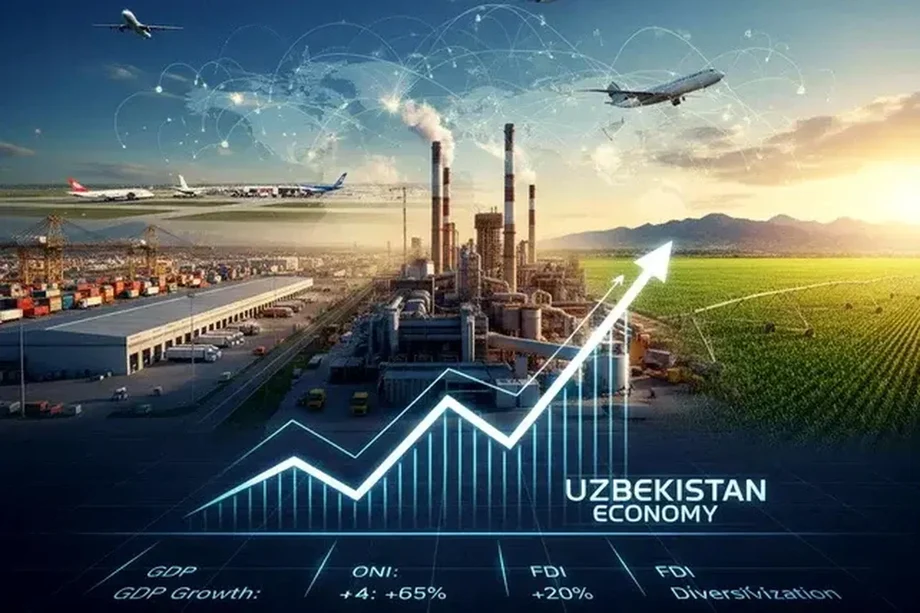
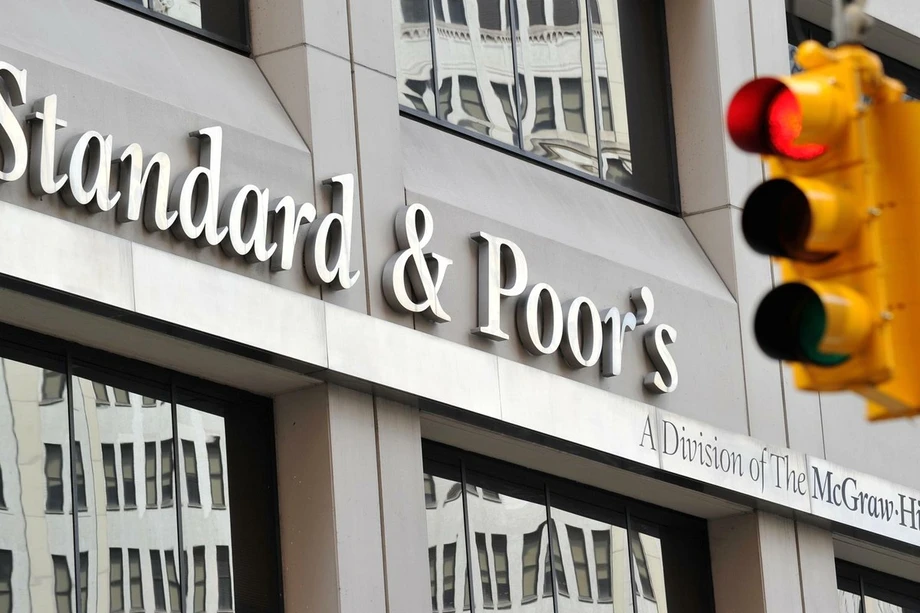
Uzbekistan has achieved a major milestone in its financial history by securing an upgraded long-term sovereign credit rating. On November 20, 2026, S&P Global Ratings raised the country rating from BB to BB+ with a stable outlook. This is the highest credit rating score ever recorded for the Central Asian nation. The upgrade leaves Uzbekistan just one step away from achieving investment grade status, which begins at BBB-. The rating action reflects a series of broad economic transformations, disciplined public finance management, and strategic policy direction implemented under the leadership of President Shavkat Mirziyoyev. Saida Mirziyoyeva, head of the Presidential Administration, announced the milestone on her official Telegram channel. She emphasized that the administration remains committed to fostering long-term confidence in the national economy.
Contents
Saida Mirziyoyeva shared her perspective on the significance of the recent financial decision in a public statement released shortly after the announcement. She noted that the administration will continue working toward a stronger financial standing. The head of the Presidential Administration stated:
We will continue to strengthen investor confidence in Uzbekistan and create conditions for new investment.
A credit rating functions essentially like a financial report card for an entire country. International agencies use these grades to measure how reliably a government can repay money it borrows from foreign lenders. Moving from BB to BB+ indicates that the issuing agency believes the risk of a government default has decreased. While the rating remains in the speculative or non-investment category, it brings the country much closer to the threshold required by conservative institutional investors who are legally restricted from purchasing lower-rated bonds.
Statistical Overhaul Transforms National Debt Metrics
National statistical figures received a major overhaul on November 13, 2026, when the National Committee on Statistics published updated gross domestic product calculations dating back to 2017. Improved business reporting and comprehensive agricultural and housing surveys revealed that the nominal gross domestic product for 2025 expanded by 15% to reach 2,127 trillion soums, which equates to approximately $169 billion. This statistical adjustment added 277 trillion soums to the previous measurement. As explored in S&P Lifts Uzbekistan to BB+, a larger measured economic baseline alters debt ratios immediately, even when the underlying debt volume remains constant. S&P now projects that net general government debt will average 24% of GDP between 2026 and 2029, a notable improvement from the 30% ratio previously anticipated. Financial authorities project that this net debt metric will climb slightly to 26% of GDP by 2029 due to ongoing infrastructure spending.
Gross domestic product represents the total monetary value of all finished goods and services produced within a country over a specific time period. When statisticians discover that economic output was actually larger than previously recorded due to better data collection, the relative weight of public debt shrinks on paper. The government did not magically pay off billions of dollars of debt overnight. Instead, the economy grew larger in statistical terms, making the existing debt load easier for the country to carry relative to its overall economic size.
Gold Markets and Surging Foreign Reserves
International reserves of Uzbekistan have expanded significantly, more than doubling since 2023 to reach approximately $64 billion by the end of October 2026. This total equals roughly 32% of the national GDP. High global market prices for precious metals served as the primary catalyst for this accumulation. Gold accounts for between 30% and 40% of all merchandise exports from the country and makes up nearly 90% of its liquid international reserves. S&P projects that gold prices will experience a gradual normalization, moving from an average of $4,300 per troy ounce in 2026 down to $3,500 by 2028. Beyond precious metals, remittances from workers abroad and growing revenues from tourism provide additional economic stability.
Foreign exchange reserves act as a financial safety net for a nation, allowing it to pay for essential imports and defend its currency during economic downturns. Having reserves equal to nearly a third of total economic output provides substantial protection against external shocks. However, heavy reliance on a single commodity creates vulnerability. If global gold prices drop sharply, the value of the national reserves and export earnings would decline accordingly, presenting a challenge for economic planners.
Economic Growth and Structural Reforms
Uzbekistan has maintained rapid economic growth, expanding by 8.3% during the first nine months of 2026. S&P forecasts that annual growth will reach 8% for the full year of 2026 and average 6.7% annually through 2029. This expansion is driven by robust domestic consumer spending, infrastructure investments, and structural reforms in the energy and state enterprise sectors. The government has also made headway in reining in costly energy subsidies. State expenditure on energy subsidies dropped from $1.5 billion in 2023 down to $600 million in 2025, easing the burden on public finances.
Subsidies are financial assistance payments made by the government to keep consumer prices artificially low, particularly for electricity and gas. While subsidies help households in the short term, they can drain government budgets and discourage energy conservation. By reducing these payments and modernizing state-owned enterprises, the government has improved its fiscal balance. S&P expects the general government budget deficit to average about 3% of GDP between 2026 and 2029, which is lower than the 3.5% average recorded from 2021 through 2024.
External Dependencies and Regional Risks
Despite positive economic momentum, S&P highlighted several structural constraints and external risks facing Uzbekistan. The economy remains closely tied to Russia through trade and remittances. Remittances sent home by migrant workers rose by 28% in 2025 to reach $18.9 billion, which accounts for 11.2% of GDP. Approximately 78% of these fund transfers originated in Russia. Trade turnover with Russia also grew by roughly 8% in 2025 to reach $13 billion. Furthermore, the agency pointed to the risk of secondary sanctions stemming from international restrictions on trade with Russian partners.
Remittances are funds sent back to home countries by citizens working abroad, serving as a vital income source for many local families and supporting retail spending. When a large share of these funds comes from a single nation, any economic trouble or currency devaluation in that source country can directly impact the receiving nation. Additionally, secondary sanctions are penalties imposed by Western governments on third-party companies that do business with blacklisted entities, creating compliance risks for Uzbek businesses operating internationally.
Comparative Credit Standing in the Region
Uzbekistan occupies a unique position among Central Asian economies evaluated by major international rating agencies. The current rating assigned by S&P places the country at BB+, which sits just one notch below investment grade. Meanwhile, competing agencies maintain slightly different evaluations. Fitch Ratings assigns Uzbekistan a BB rating with a positive outlook, while Moody Ratings maintains a Ba2 assessment with a stable outlook. For broader regional context, neighboring Kazakhstan holds a higher rating of BBB from S&P, placing it two notches above Uzbekistan.
Different rating agencies use varying alphanumeric scales to communicate their assessments of credit risk, but all share similar underlying logic. A positive outlook from an agency indicates that a rating is more likely to be upgraded in the future rather than downgraded, provided current economic trends continue. Comparing regional ratings helps international investors understand relative risk levels when allocating capital across developing markets in Central Asia.
The Bottom Line
- S&P Global Ratings upgraded Uzbekistan to BB+ with a stable outlook on November 20, 2026, marking the highest sovereign rating in the nation history.
- A statistical revision of national accounts published on November 13, 2026, increased estimated 2025 nominal GDP by 15% to $169 billion.
- International reserves reached approximately $64 billion by the end of October 2026, driven largely by high global gold prices.
- Economic growth reached 8.3% in the first nine months of 2026, with full year growth projected at 8%.
- Net general government debt is expected to average 24% of GDP between 2026 and 2029 under the revised economic baseline.