Uzbekistan Reaches New Economic Peak
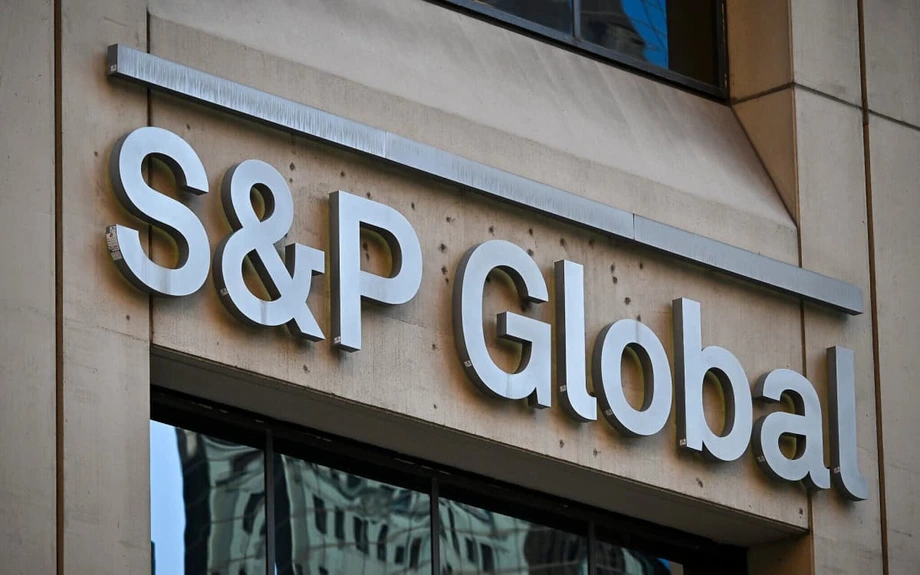
S&P Global Ratings raised the sovereign credit rating of Uzbekistan to BB+ from BB on Nov. 20, 2026, assigning a stable outlook to the decision. Head of the Presidential Administration Saida Mirziyoyeva announced the milestone in her Telegram channel, pointing out that this marks the highest credit rating score in the nation's history. The upgrade leaves the country just one step away from achieving the coveted investment grade status of BBB-. The rating action reflects a series of broad economic transformations, disciplined public finance management, and strategic policy direction implemented under the leadership of President Shavkat Mirziyoyev. Analysts from the international rating agency praised the open and constructive dialogue maintained by the Uzbek working group during the evaluation process.
Contents
- Uzbekistan Reaches New Economic Peak
- Statistical Revisions Transform National Debt Metrics
- Stronger External Reserves Driven by Gold Markets
- Robust Economic Growth and Inflation Trends
- Fiscal Consolidation and Energy Sector Reforms
- Capital Markets and Banking Sector Dynamics
- External Vulnerabilities and Geopolitical Risks
- Broader Rating Comparisons Across the Region
- The Essentials
Saida Mirziyoyeva emphasized the significance of this diplomatic and technical engagement in a public statement. She noted that the administration remains committed to fostering long-term confidence in the national economy.
Endi investitsiyaviy pogonaga bir qadam qoldi. Yurtimizga bolgan ishonchni mustahkamlash, investitsiyaviy jozibadorlikni oshirish yolidagi qatʼiy harakatimizni davom ettiramiz.
The new rating demonstrates that Uzbekistan possesses an adequate capacity to meet its financial obligations, although the economy remains sensitive to external market pressures. Standard short-term foreign and local currency ratings were affirmed at B, while the transfer and convertibility risk assessment was upgraded from BB+ to BBB-. This specific assessment measures the likelihood that a government might restrict the conversion of local currency into foreign funds or limit capital transfers abroad.
Statistical Revisions Transform National Debt Metrics
National statistical figures received a major overhaul on Nov. 13, 2026, when the National Committee on Statistics published updated gross domestic product calculations dating back to 2017. Improved business reporting and comprehensive agricultural and housing surveys revealed that the nominal GDP for 2025 expanded by 15% to reach 2,127 trillion soums, which equates to approximately $169 billion. This statistical adjustment added 277 trillion soums to the previous measurement. As explored in S&P Lifts Uzbekistan to BB+, a larger measured economic baseline alters debt ratios immediately, even when the underlying debt volume remains constant. S&P now projects that net general government debt will average 24% of GDP between 2026 and 2029, a notable improvement from the 30% ratio previously anticipated. Financial authorities project that this net debt metric will climb slightly to 26% of GDP by 2029 due to ongoing infrastructure spending.
Stronger External Reserves Driven by Gold Markets
International reserves of Uzbekistan have expanded significantly, more than doubling since 2023 to reach approximately $64 billion by the end of October 2026. This total equals roughly 32% of the national GDP. High global market prices for precious metals served as the primary catalyst for this accumulation. Gold accounts for between 30% and 40% of all merchandise exports from the country and makes up nearly 90% of its liquid international reserves. S&P projects that gold prices will experience a gradual normalization, moving from an average of $4,300 per troy ounce in 2026 down to $3,500 by 2028. Beyond precious metals, external stability is reinforced by steady non-commodity exports, tourism revenues, and substantial financial support from citizens working abroad. Diaspora remittances surged by 28% in 2025 to reach $18.9 billion, representing 11.2% of GDP, with approximately 78% originating from Russia.
Robust Economic Growth and Inflation Trends
Economic expansion across the country remains exceptionally strong despite regional trade complications and logistical hurdles. Real GDP grew by 8.3% during the first nine months of 2026, following an 8% growth rate recorded for the entirety of the previous year. S&P forecasts that annual economic growth will close out 2026 at 8%, followed by an average annual pace of 6.7% through the 2027 to 2029 period. Domestic consumer demand, high investment ratios standing at around 36% of GDP, and targeted state spending continue to drive this expansion. Inflationary pressures have also begun to ease, with average inflation expected to settle at 6.7% in 2026 compared to an 11% average recorded between 2020 and 2025.
Fiscal Consolidation and Energy Sector Reforms
Government authorities have systematically reduced their financial exposure by curtailing costly state subsidies for energy and utilities. State expenditures dedicated to subsidizing electricity and gas dropped from $1.5 billion in 2023 down to $600 million in 2025. S&P anticipates that the general government budget deficit will remain anchored at around 3% of GDP from 2026 through 2029, improving upon the 3.5% average deficit seen from 2021 to 2024. Legislative measures have been introduced to govern external borrowing practices by state-owned enterprises. Furthermore, authorities have capped annual commitments for public-private partnership agreements at $6.5 billion for 2026 in order to protect public finances from unexpected contingent liabilities.
Capital Markets and Banking Sector Dynamics
Banking services across Uzbekistan benefit from low household debt levels, which currently amount to less than 10% of GDP, leaving room for credit expansion. State-controlled financial institutions continue to dominate the banking architecture, holding 61% of total banking sector assets as of October 2026. The broader capital market has experienced modernization, highlighted by the May 2026 dual listing of the National Investment Fund managed by Franklin Templeton on exchanges in London and Tashkent, which successfully raised $690 million. Ministry of Economy and Finance officials noted that sovereign ratings have climbed seven times across three major international agencies since May 2025, leading to lower borrowing costs and improved credit evaluations for 29 domestic banks and enterprises.
External Vulnerabilities and Geopolitical Risks
Credit rating analysts maintain a cautious stance regarding several structural constraints that continue to weigh on the national economy. Low GDP per capita, projected at approximately $5,200 for 2026, remains modest by international standards despite substantial long-term gains from a 2019 level of $2,365. The high level of loan dollarization, standing at 39%, and a heavy dependence on commodity prices create ongoing financial sensitivity. Close trade and financial linkages with Russia expose the economy to potential secondary sanctions and currency fluctuations. European Union restrictions introduced in April 2026 against two local enterprises linked to industrial supply chains demonstrate the compliance risks facing regional businesses. Logistics networks have also faced disruptions, prompting exporters to redirect shipments away from traditional corridors toward the Trans-Caspian International Transport Route, which increases transportation expenses.
Broader Rating Comparisons Across the Region
Other major international rating agencies maintain evaluations that sit close to the new S&P benchmark. Moody's upgraded the sovereign credit rating of Uzbekistan to Ba2 with a stable outlook in June 2026, citing continuous institutional reforms, economic diversification, and tighter budgetary discipline. Meanwhile, Fitch Ratings maintains Uzbekistan at BB with a positive outlook. The progressive convergence of these agency evaluations illustrates a growing international recognition of the economic reforms undertaken since 2017.
The Essentials
- S&P Global Ratings upgraded the sovereign credit rating of Uzbekistan to BB+ with a stable outlook on Nov. 20, 2026.
- Statistical revisions announced on Nov. 13 increased the nominal GDP for 2025 by 15% to $169 billion.
- International reserves reached approximately $64 billion by the end of October 2026, covering 32% of GDP.
- Real economic growth reached 8.3% in the first nine months of 2026, with an expected full-year growth rate of 8%.
- Energy subsidies fell from $1.5 billion in 2023 to $600 million in 2025, helping narrow the budget deficit.