A Historic Legal Milestone in The Hague
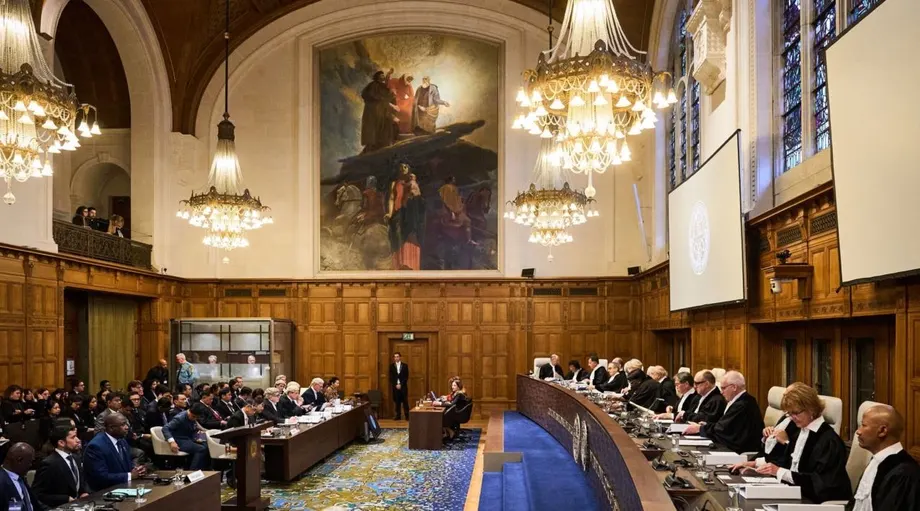
The International Court of Justice delivered a groundbreaking verdict on November 19, 2026, ruling that Myanmar committed genocide against the Rohingya Muslim minority during military operations in 2017. ICJ President Yuji Iwasawa read the decision in the Great Hall of Justice in The Hague, marking the first time in the 80-year history of the United Nations court that judges determined a sovereign state committed genocide. The case, initiated by The Gambia under the 1948 UN Genocide Convention with backing from the 57-member Organisation of Islamic Cooperation, concluded after seven years of legal proceedings. Judges found that Myanmar's security forces carried out mass executions, widespread sexual violence, and extreme violence against children, intending to destroy a substantial part of the Rohingya population.
Contents
The legal battle began on November 11, 2019, when The Gambia filed its application at the Peace Palace. During hearings in January 2026, the court examined extensive evidence regarding military operations in northern Rakhine State. Eleven states intervened in the proceedings to offer interpretations of the ICJ judgment concerning international humanitarian law and state obligations. The final verdict was decided by a nine-to-six vote among the 15-judge panel, reflecting deep division on the bench regarding how to infer genocidal intent from circumstantial evidence.
Understanding Genocidal Intent and Counter-Insurgency Claims
Proving genocidal intent presents a severe evidentiary hurdle in international law because governments rarely document plans to exterminate an ethnic group. Myanmar defended its 2017 military campaign as a legitimate counter-terrorism operation responding to attacks by the Arakan Rohingya Salvation Army, an armed group that had raided border posts. The court rejected this defense, noting that the scale, brutality, and pattern of violence far exceeded what military necessity could justify. Judges highlighted that security forces did not distinguish between armed insurgents and civilian populations.
Janina Dill, Chair in Global Security at Oxford University, explained that genocidal intent can be inferred from a pattern of conduct. The majority court concluded that the totality of evidence, including the methodical burning of villages, mass rapes, and the targeting of infants, left no other reasonable inference than an objective to destroy the group. The court also examined online hate speech, referencing a 2024 report by the United Nations Independent Investigative Mechanism for Myanmar showing that military networks spread material designed to instill fear and hatred against the Rohingya.
Relief, Reparations, and the Challenge of Enforcement
The court ordered Myanmar to facilitate the safe, voluntary, and dignified return of displaced Rohingya, conduct credible investigations, punish perpetrators, and enact comprehensive domestic legislation. Judges also mandated restitution or replacement of lost property, requiring Myanmar to report back within two years on compensation measures. While ICJ judgments are legally binding and cannot be appealed, the court possesses no independent enforcement mechanism. Enforcement relies on the UN Security Council, where permanent members holding veto powers can block punitive action.
Approximately 1.2 million Rohingya currently live in congested refugee camps in Cox's Bazar, Bangladesh, following the mass exodus driven by the 2017 military crackdown. About 520,000 Rohingya remain inside Myanmar, where ongoing civil war and conflict involving the Arakan Army continue to threaten civilian safety. Legal experts and human rights advocates emphasize that the judgment serves as a vital moral and legal victory, but actual repatriation depends heavily on external diplomatic pressure and security conditions on the ground.
International Reactions and Diplomatic Fallout
Reactions to the ruling varied sharply across the globe. Myanmar's foreign ministry and presidential representatives dismissed the decision as unfair, asserting that military actions were strictly limited counter-terrorism measures. Conversely, shadow government officials, pro-democracy forces, and Rohingya activists celebrated the verdict as official validation of their decades of suffering and statelessness. Activists such as Wai Wai Nu and Tun Khin stressed that the ruling provides a crucial legal foundation for future accountability and citizenship rights.
Several Western nations responded with immediate diplomatic measures. The United Kingdom announced the expulsion of Myanmar's defense attaché in London, summoned the country's chargé d'affaires, and called for an urgent UN Security Council session. Meanwhile, Global Centre for the Responsibility to Protect publications emphasized that member states must leverage economic and diplomatic tools to press Myanmar toward full compliance and halt ongoing atrocities.
Context of Statelessness and Historical Discrimination
The Rohingya are a predominantly Muslim ethnic minority with deep historical roots in Myanmar's Rakhine State. A genetic study published in Scientific Reports in November 2026 traced the community's ancestral foundations to eastern South Asia alongside centuries of interaction in coastal Arakan. Despite generations of residence, successive Myanmar governments have systematically marginalized the population. The enactment of the 1982 Citizenship Law stripped most Rohingya of their nationality, reducing them to a stateless minority vulnerable to institutionalized discrimination and targeted violence.
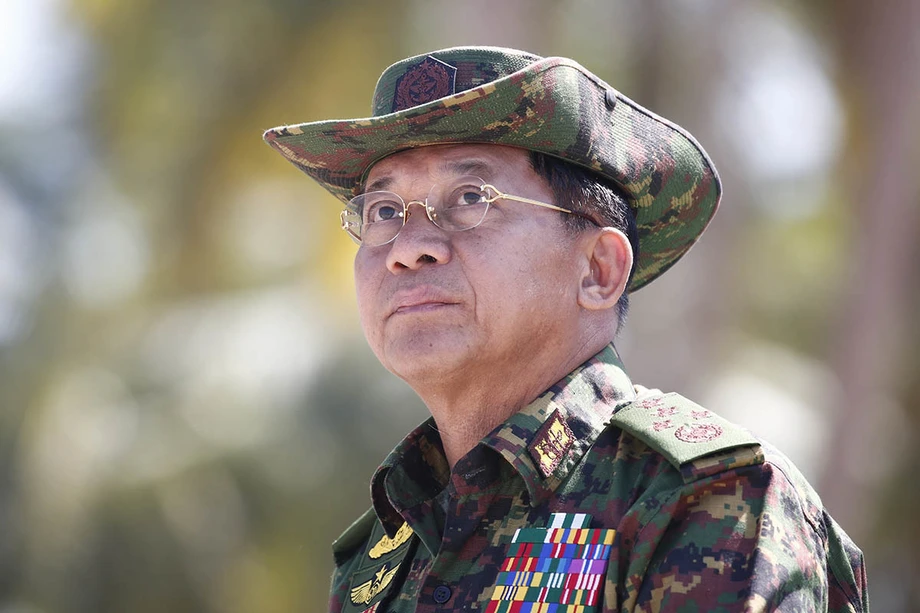
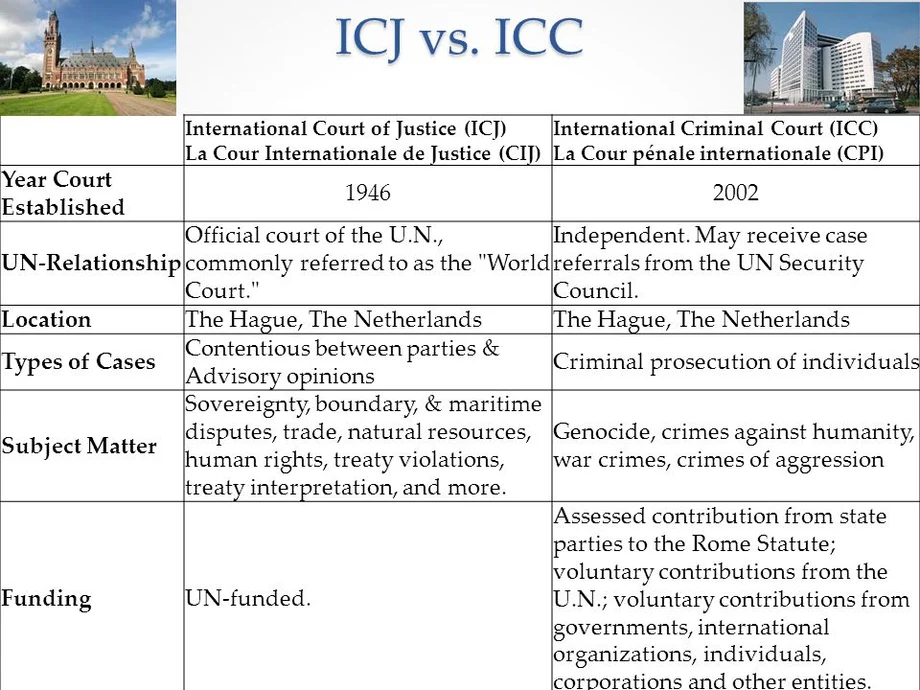
Prior to the historic 2026 ruling, the UN-courts historic genocide ruling followed years of documentation by international bodies, including the 2018 findings by the Independent International Fact-Finding Mission on Myanmar, which called for the investigation of Senior General Min Aung Hlaing. International prosecutors have continued pursuing complementary avenues, such as pending arrest warrant applications at the International Criminal Court, ensuring that state responsibility at the ICJ runs parallel to individual criminal accountability.
The Bottom Line
- The International Court of Justice ruled by a nine-to-six vote that Myanmar committed genocide against the Rohingya in 2017.
- The historic decision marks the first time in the ICJ 80-year history that a sovereign state was found responsible for genocide.
- The court ordered Myanmar to facilitate safe returns, pay reparations, punish perpetrators, and report back within two years.
- Enforcement remains uncertain due to reliance on the UN Security Council, where geopolitical vetoes could stall punitive action.
- The ruling gives legal recognition and renewed hope to roughly 1.2 million displaced Rohingya refugees living in Bangladesh.