A historic verdict, with a difficult test still ahead
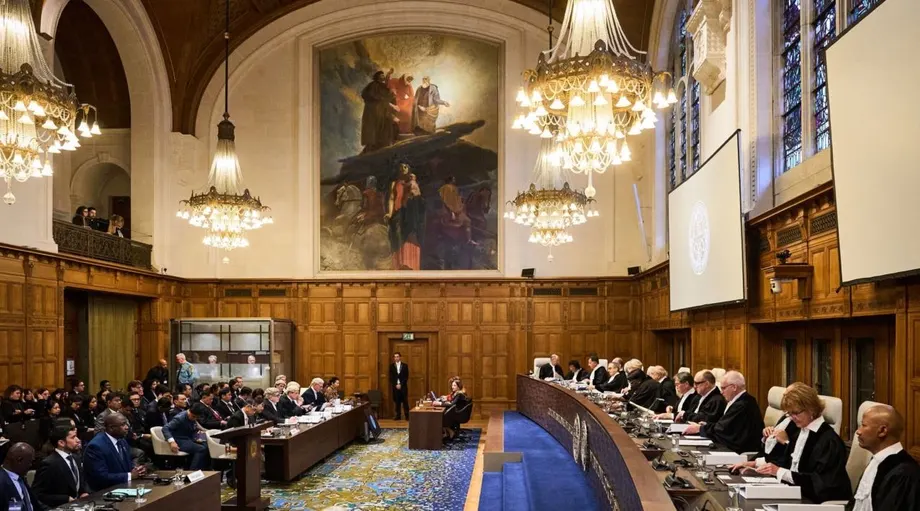
On November 19, 2026, the International Court of Justice ruled by a 9 to 6 majority that Myanmar committed genocide against the Rohingya during military operations in Rakhine State. The United Nations' highest court found that Myanmar acted with intent to destroy a substantial part of the mostly Muslim minority, and ordered the country to stop prohibited acts, investigate those responsible and provide reparations to victims.
Contents
The decision is the first time the ICJ has held a state responsible for committing genocide. It ends a seven year case brought by The Gambia, but does not itself return refugees to their homes, pay compensation or put individual military leaders on trial. Myanmar must report to the court by November 2028 on measures it has taken. That is a deadline to explain its response, not a requirement to finish all reparations by then.
The court's case record traces the proceedings from The Gambia's filing on November 11, 2019, through the judgment. It also records that 11 other countries intervened on limited questions about how to interpret the Genocide Convention.
For Rohingya families, the ruling gives legal recognition to their suffering and a new basis for demands for safety, rights and return. Whether those demands lead to changes on the ground depends on Myanmar's actions and on pressure from other governments.
What did the judges find?
ICJ President Yuji Iwasawa read the judgment for the 15 judge panel. The court found that Myanmar's security forces killed Rohingya, caused serious bodily and mental harm, and carried out measures intended to prevent births within the group. It also found that villages were systematically destroyed, and that people who fled had little or no opportunity to return to their homes.
The judges concluded that genocidal intent was the only reasonable inference from the evidence as a whole. They rejected Myanmar's argument that its actions were legitimate operations against insurgents or an effort to move people from the area without intending genocide. The court said the scale and pattern of the violence, the targeting of Rohingya and the attacks on children formed part of its assessment.
Evidence cited in accounts of the judgment put the death toll at about 10,000. More than 700,000 Rohingya fled to Bangladesh after the military campaign began in 2017. The court also addressed sexual violence and its effects on the community's ability to have children, as well as restrictions on births, including a two child limit imposed on Rohingya families.
The judgment also found that Myanmar failed to meet duties to prevent genocide and punish those responsible, and had not enacted legislation to give effect to the Genocide Convention. The court said Myanmar knew of the risk while armed civilians and allied militias took part in the campaign. Its legal summary describes the court's findings on prevention, punishment and the evidence of intent.
How did the case reach this point?
The Gambia filed its case under the 1948 Convention on the Prevention and Punishment of the Crime of Genocide. The convention requires proof of a specific intent to destroy, in whole or in part, a national, ethnic, racial or religious group. Showing that terrible crimes happened is not enough by itself. Judges must also decide what the acts, their pattern and other evidence show about intent.
The Gambia relied on evidence including United Nations investigations, satellite images, human rights research and testimony from Rohingya witnesses. Some witnesses travelled from refugee camps in Bangladesh to take part in closed sessions at the court. The case history explains the stages leading to the final decision, including the initial protective order.
- November 11, 2019: The Gambia instituted proceedings against Myanmar.
- January 23, 2020: The court ordered provisional measures to protect Rohingya people and preserve evidence, with Myanmar required to report on compliance every six months.
- July 22, 2022: The court ruled that it had jurisdiction and that the case could proceed.
- January 12 to 29, 2026: The court held hearings on the substance of the case.
- November 19, 2026: The court delivered its final judgment.
The court's finding marks a change from its 2007 ruling on Serbia and the Srebrenica massacre. In that case, it found Serbia had failed to prevent or punish genocide, but did not hold the state responsible for committing it. The Myanmar judgment reaches the question of state responsibility for committing genocide directly.
What must Myanmar do for victims?
The court ordered Myanmar to end violations of the Genocide Convention, investigate suspected crimes, prosecute and punish those found responsible, and take steps to prevent similar crimes from happening again. It also said the country must provide reparations. The Gambia was entitled to seek them on behalf of the Rohingya victims.
Possible remedies include allowing refugees to return safely, voluntarily and with dignity; reuniting separated families; and returning or replacing property. The court also addressed help to locate missing people, proper burials, and physical and psychological rehabilitation for survivors. If returning property or otherwise restoring what victims lost is materially impossible, Myanmar is required to provide compensation.
The judges did not set a total compensation amount or a payment schedule. Myanmar's report is due within two years of the ruling, in November 2028, and must describe steps taken to comply. The court's order makes safe return a legal obligation, while actual return depends on conditions that allow people to travel and live there without facing renewed violence or persecution.
For Rohingya community leader Mohammad Rofik, the verdict marked recognition, while the work of securing justice continues. He described the decision as a victory and said the community still had a long way to go. Rofik told refugees in Cox's Bazar:
Justice has started.
Community leader Sayed Ullah said the judgment recognised the Rohingya as a distinct ethnic group, challenging Myanmar's longstanding denial of that identity. Refugee Mohammad Osman urged other countries to move beyond statements and punish Myanmar's authorities.
Based on this ruling, the entire Rohingya community is calling on the world to impose severe punishment on Myanmar.
Osman's appeal reflects the distance between a judgment and its enforcement. More than one million Rohingya, about 1.2 million by figures cited for the refugee population, remain in crowded camps in Bangladesh's Cox's Bazar district. Fewer than 600,000 are estimated to remain in Myanmar, where movement and access to basic rights are restricted.
Why can enforcement be difficult?
The ICJ's judgments are final and binding on the countries in a case, and Myanmar cannot appeal this one. The court does not have its own police force or a way to compel a government to carry out its orders. If a country says the other side has failed to comply, it can refer the issue to the United Nations Security Council, which may recommend or decide on measures.
The Gambia could ask the Council to act. However, permanent members China and Russia have close ties with Myanmar and can veto a substantive resolution. The United States also holds a veto. A Council referral therefore creates a route to seek action, but does not guarantee that action will follow. The Council has never used this power to enforce an ICJ judgment.
The matter could also be taken to the 193 member United Nations General Assembly. A resolution there would not be legally binding, but a broad vote for compliance could increase diplomatic pressure. Governments can also use their own relations with Myanmar to press for action, including sanctions, limits on official contacts and restrictions on arms or security support.
Myanmar's government rejected the verdict as unfair. Presidential spokesperson Khaing Khaing Soe pointed to the 9 to 6 vote and said the decision was not unanimous. Her response was:
Our country has been unjustly accused.
Myanmar has argued that the military campaign was a response to attacks by the Arakan Rohingya Salvation Army and a security operation. The ICJ rejected that explanation as a reasonable account of the evidence it considered. The government's rejection signals that compliance may be contested, while the court's binding order remains in force.
What pressure are other governments considering?
The United Kingdom said it would expel Myanmar's defence attaché in London and called for an urgent Security Council discussion. The Council scheduled consultations and a private meeting after the ruling. Rights groups have urged governments to consider sanctions, a global arms embargo and limits on transfers of weapons, surveillance equipment and military assistance.
India said it had taken note of the decision and reiterated support for the safe, speedy and sustainable return of displaced Rohingya. India has sent relief to refugee camps in Bangladesh through Operation Insaniyat and supported a development programme in Rakhine State. Bangladesh welcomed the judgment. It hosts the large majority of Rohingya who fled Myanmar and has repeatedly called for safe repatriation.
Bangladesh Foreign Minister Khalilur Rahman, who is also president of the UN General Assembly, visited Cox's Bazar after the ruling and called for prosecutions, reparations and safeguards against renewed crimes. In a statement relayed by UN spokesperson Melissa Summers, he pledged support for the refugees:
You will not be fighting alone.
In Myanmar, 219 civil society organisations welcomed the judgment and called for recognition of Rohingya identity, restoration of citizenship rights and a return that is safe, voluntary and dignified. They also called on the international community to pursue criminal accountability for Min Aung Hlaing and other military leaders.
Regional diplomacy remains another pressure point. Since the 2021 coup, the Association of Southeast Asian Nations has restricted Myanmar's political representation at some top level meetings, citing a lack of progress on its Five Point Consensus. The plan calls for an end to violence, dialogue among all parties, mediation by an ASEAN special envoy, humanitarian aid and a visit by the envoy to meet those involved. The ICJ's November 2028 reporting deadline gives governments a date to assess Myanmar's stated steps, even as ASEAN's response will depend on its members' political choices.
Will the ruling change daily life for Rohingya?
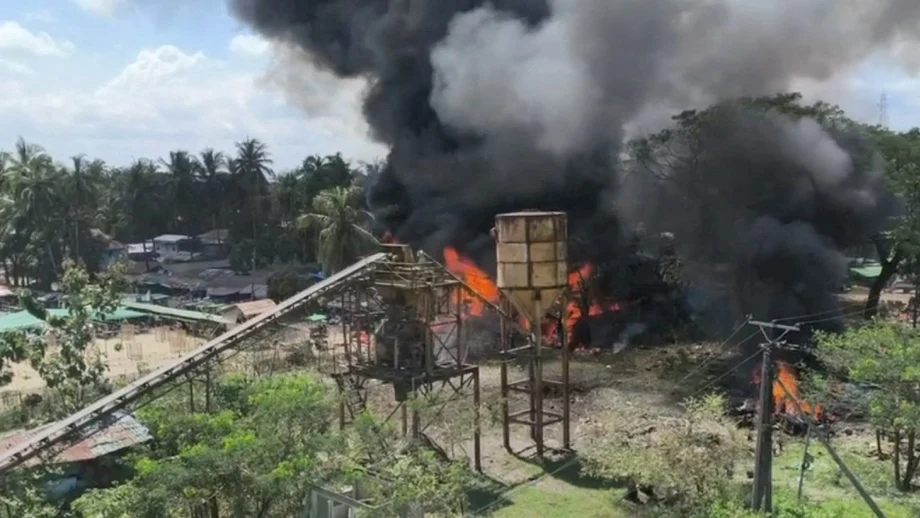
Not immediately. The Rohingya are still living with displacement, limited rights and the risk of further violence. Rakhine State is part of Myanmar's wider civil war. The military and the Arakan Army are fighting for control, and the Arakan Army, which controls much of the state, is also accused of abuses against Rohingya. These conditions make safe repatriation and the restoration of property especially difficult in the near term.
A return that meets the court's order would require more than crossing the border. Rohingya would need physical safety, freedom from persecution, family ties restored and a real ability to live in their communities. Civil society groups and community leaders have also called for citizenship rights and formal recognition of Rohingya identity. Without such protections, people forced to return could face the same insecurity that drove them away.
The ICJ rules on disputes between states. It cannot convict or imprison individual leaders. The International Criminal Court, by contrast, considers individual criminal responsibility. Its prosecutors requested an arrest warrant for Min Aung Hlaing in 2024 over alleged crimes against humanity involving the Rohingya, but the ICJ judgment does not itself decide that separate matter.
The genocide ruling may shape how judges interpret the convention in other cases, including South Africa's case against Israel over Gaza. That does not decide the outcome of another case: judges must assess its evidence and circumstances separately. The Myanmar decision does provide a detailed example of how intent can be inferred from a pattern of conduct when direct evidence of a plan is not available.
The Bottom Line
- The ICJ ruled 9 to 6 that Myanmar committed genocide against the Rohingya during the military campaign in Rakhine State.
- The court ordered Myanmar to prevent further violations, investigate and punish those responsible, and provide reparations.
- Myanmar must report on measures taken by November 2028; the deadline does not require all compensation to be paid by then.
- The ICJ's ruling is binding and final, but the court cannot enforce it directly. Security Council action could face vetoes.
- About 1.2 million Rohingya remain in Bangladesh, and safe return depends on security and rights protections in Myanmar.