Border injuries put pressure on diplomatic talks
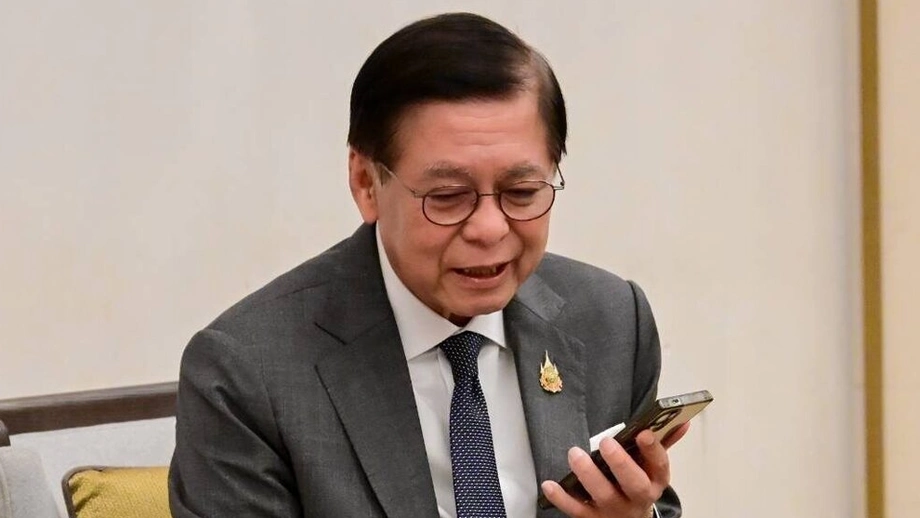
Thailand has asked Myanmar to keep military operations away from Thai territory after fighting along their shared border damaged property and injured a Thai civilian. Deputy Prime Minister and Foreign Minister Sihasak Phuangketkeow plans to visit Myanmar on November 12, bringing the safety concerns directly into talks about Myanmar's relations with its Southeast Asian neighbours.
Contents
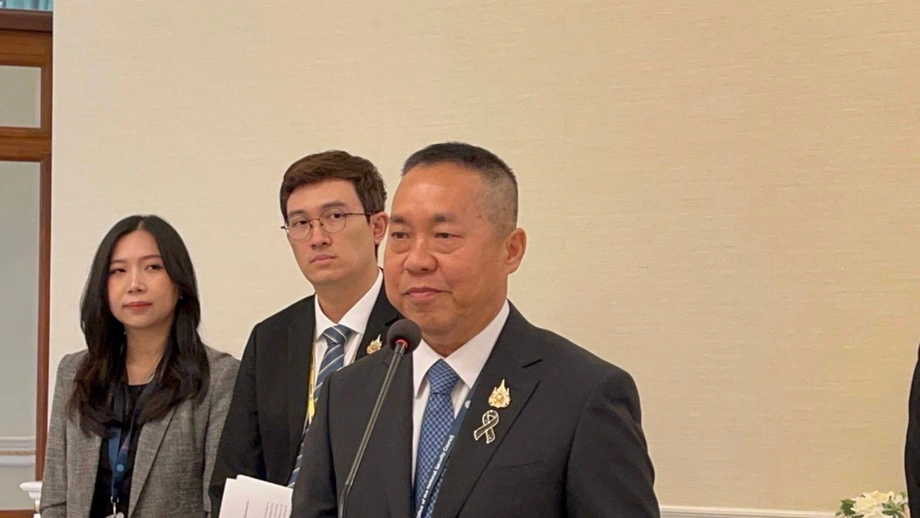
Sihasak raised the issue in a telephone conversation lasting about 10 minutes with Myanmar Foreign Minister Tin Maung Swe on November 3. Speaking from Beijing, where he was attending the 11th Mekong-Lancang Cooperation meeting, he said operations against ethnic armed groups, particularly airstrikes near the frontier, must avoid affecting Thailand.
The immediate concern is the safety of people living beside a border stretching 2,416 kilometres, or 1,501 miles. A Thai woman was hospitalized in Mae Sot on October 29 after being injured by artillery fired from Myanmar's Myawaddy Township. Thai authorities also reported property damage from the fighting, and Thailand has increased security along its western frontier.
Sihasak's message extended beyond preventing another injury. Thailand wants Myanmar to regain fuller participation in the Association of Southeast Asian Nations, known as ASEAN, but he said progress depends on reducing violence and improving conditions for peace talks.
The planned visit brings those two goals together: protecting Thai communities now while seeking commitments that could shape regional diplomacy. ASEAN leaders are scheduled to meet in Manila on November 16–18, although an earlier schedule cited for the visit placed the summit on November 15–17.
What happened along the frontier?
The injury in Mae Sot followed artillery fire from Myawaddy Township in Karen State, where fighting between Myanmar's military and the Karen National Liberation Army intensified in October. Mae Sot lies on the Thai side of the frontier, making the incident a direct concern for Thai authorities.
Thai authorities put the injury toll at one civilian and said property was damaged. Myanmar's military, in a statement carried by state media on November 4, blamed ethnic armed groups and forces supporting democracy for the injury. Responsibility for the specific fire that wounded the woman remains disputed.
Another incident occurred on October 31, when Myanmar military aircraft struck a Karen National Union base near the border in Hpapun Township. Several buildings were damaged, but no casualties were reported in that attack. The strikes caused fear among Thai residents across the frontier in Mae Hong Son Province.
The two incidents explain why Bangkok is raising both artillery fire and air operations. The woman was injured near Myawaddy, while the airstrikes occurred farther north near Hpapun. Thai concerns therefore extend to more than one location along the border.
Thailand asks for distance from military operations
Sihasak told Tin Maung Swe that Myanmar's military operations should not affect Thailand and that airstrikes should take place as far from the Thai border as possible. His request focused on keeping the effects of fighting inside Myanmar rather than allowing them to reach neighbouring communities.
For border residents, that means preventing shells, explosions or other effects of attacks from causing injuries and damage on the Thai side. For the government, it is also a matter of sovereignty, the right of a country to control and protect its own territory.
Tin Maung Swe acknowledged Thailand's concerns and promised to pass them promptly to Myanmar's leadership, according to Sihasak. The next scheduled opportunity for direct discussion is their meeting on November 12.
Why Hpapun matters to the fighting
Hpapun has been contested for more than two years since the Karen National Liberation Army seized the town in March 2024. The force is the armed wing of the Karen National Union, or KNU, an ethnic organisation involved in the conflict with Myanmar's military.
The KNU said a military counteroffensive involving nearly 2,000 troops began on May 5. Hpapun lies about 177 kilometres north of Hpa-An, the capital of Karen State. The October 31 airstrikes took place against that wider struggle for territory.
Myawaddy is another area where the military and Karen forces have been fighting. The intensified clashes there in October, followed by the injury in Mae Sot, show how battles inside Myanmar can have immediate consequences for people living across the frontier.
Bangkok's diplomatic request covers those consequences wherever they occur. Keeping aircraft farther from the border addresses one danger, while the artillery incident makes preventing fire from reaching Thai territory another urgent concern.
A short sequence of clashes and diplomacy
The November visit follows months of contact between Thai and Myanmar officials. Thailand has maintained those contacts while pressing Myanmar to respond to ASEAN's concerns about the conflict.
- March 2024: The Karen National Liberation Army seized Hpapun.
- April: Sihasak made his previous visit to Myanmar.
- May 5: A military counteroffensive involving nearly 2,000 troops began in Hpapun, according to the KNU.
- July: Bangkok hosted Tin Maung Swe and foreign ministers from several ASEAN member countries.
- August 6–7: Min Aung Hlaing visited Bangkok and met Thai Prime Minister Anutin Charnvirakul to discuss Myanmar's return to fuller ASEAN participation.
- October 29: A Thai woman was hospitalized in Mae Sot after being injured by artillery fired from Myawaddy Township.
- October 31: Airstrikes hit a KNU base near the border in Hpapun Township.
- November 3: Sihasak raised border safety in a telephone call with Tin Maung Swe.
- November 12: Sihasak is scheduled to visit Myanmar.
- November 16–18: ASEAN leaders are scheduled to meet in Manila.
The November 12 trip is due four days before the scheduled opening of the Manila summit. It gives Thailand a chance to hear Myanmar's position before regional leaders discuss their next steps.
ASEAN participation depends on progress
Myanmar's senior political leaders have been excluded from ASEAN meetings at the highest level since the aftermath of the 2021 military coup, which removed the government led by Aung San Suu Kyi and triggered a civil war. Senior military officials were barred from those meetings from October 2021 after failing to carry out ASEAN's agreed peace plan.
The plan, called the Five Point Consensus, was agreed in April 2021. Reducing violence and opening dialogue are central to the diplomatic effort now being discussed by Thailand. Dialogue means bringing the opposing sides into talks, rather than trying to settle the conflict through continued fighting.
Sihasak, Thailand's deputy prime minister and foreign minister, said a reduction in fighting by every side would make peace discussions more workable:
De-escalation by all parties will help create a conducive atmosphere for essential dialogue and the peace process.
Sihasak also linked progress on violence and peace talks to ASEAN's consideration of Myanmar's participation:
If there is progress on these fronts, it will be a positive factor for Asean to consider at the leaders summit, as we decide how to move forward on the situation in Myanmar, including Myanmar's participation in Asean meetings.
Myanmar is expected to send a senior civil servant to the Manila summit. Thailand's proposal concerns whether progress could support broader participation in future meetings, a decision for ASEAN to consider collectively.
What the November 12 visit will address
Sihasak plans to meet Tin Maung Swe during the visit. A meeting with Myanmar leader Min Aung Hlaing was still being arranged when the trip was announced. Sihasak said Thailand wanted to hear Myanmar's latest position before the ASEAN summit.
The visit builds on the July gathering in Bangkok, the first meeting of its kind between Myanmar's foreign minister and several ASEAN foreign ministers since the coup. Min Aung Hlaing then met Anutin in August, and the two countries' military chiefs held talks two weeks later.
Min Aung Hlaing took office as civilian president in April after elections widely dismissed by election monitors. He has since received official welcomes in India, China and several ASEAN countries, while Thailand has continued pursuing closer regional engagement with Myanmar.
Border safety now adds an immediate test to that diplomacy. Thai residents need protection from fighting nearby, while ASEAN governments are looking for movement toward less violence and political dialogue. Sihasak is asking Myanmar to address both before leaders gather in Manila.
Key Points
- Thailand says fighting near the Myanmar border injured one Thai civilian and damaged property.
- A Thai woman was hospitalized in Mae Sot on October 29 after artillery fire from Myawaddy Township.
- October 31 airstrikes near Hpapun damaged buildings, with no casualties reported.
- Sihasak asked Myanmar to prevent military operations from affecting Thai territory and to keep airstrikes farther from the frontier.
- The Thai foreign minister will visit Myanmar on November 12, with a meeting with Tin Maung Swe scheduled.
- Thailand says progress in reducing violence and pursuing peace could support fuller Myanmar participation in ASEAN meetings.
- ASEAN leaders are scheduled to meet in Manila on November 16–18.