Seven years after filing, a judgment on Myanmar's responsibility
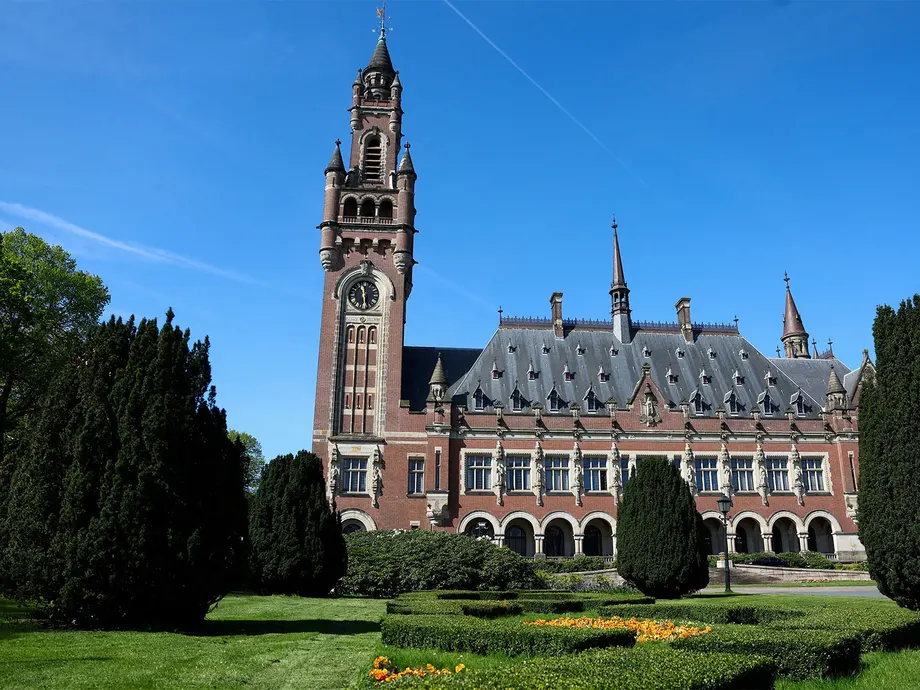
The International Court of Justice is scheduled to deliver its judgment on November 19, 2026, at 10 a.m. in The Hague, deciding whether Myanmar violated the 1948 Genocide Convention in its treatment of the Rohingya. The case, brought by The Gambia in November 2019, concerns a military campaign that drove more than 700,000 people from Myanmar's Rakhine State into Bangladesh.
Contents
- Seven years after filing, a judgment on Myanmar's responsibility
- What the judges must decide
- The campaign that forced hundreds of thousands to flee
- How the case reached this point
- Myanmar's defence and the consequences for its leadership
- Why the ICJ and ICC proceedings are different
- For refugees, recognition and a safe return are linked
- A final judgment with practical limits
- Key Points
Eleven states have intervened in the proceedings, adding an international dimension to a case brought by a small West African country against a Southeast Asian state. After seven years of proceedings, the judgment will address Myanmar's responsibility under a treaty intended to prevent and punish the destruction of protected groups.
For Rohingya families, the decision carries a more immediate meaning: whether an international court formally recognizes the violence inflicted on their community as genocide. More than one million displaced Rohingya now live in crowded refugee camps in Bangladesh, many in the Cox's Bazar area, while their prospects of returning safely remain uncertain.
Myanmar denies committing genocide. Its representatives have argued that military operations targeted armed insurgents following attacks on police posts. The court must assess the allegations and Myanmar's response against the requirements of the Genocide Convention.
What the judges must decide
The Gambia's lawsuit invokes the Convention on the Prevention and Punishment of the Crime of Genocide. Adopted in 1948, the treaty places duties on participating states to prevent and punish genocide. It also provides a route for disputes over those duties to reach the ICJ, the United Nations' principal judicial body.
Genocide has a specific legal meaning. It involves certain acts, including killing members of a protected group or causing them serious bodily or mental harm, committed with the intent to destroy that group, in whole or in part. National, ethnic, racial and religious groups receive protection under the convention.
The judges must therefore consider both what happened to the Rohingya and the intent behind the conduct at issue. The Gambia alleges that the violence was directed at destroying the community. Myanmar disputes that allegation and presents the operations as a response to an insurgency.
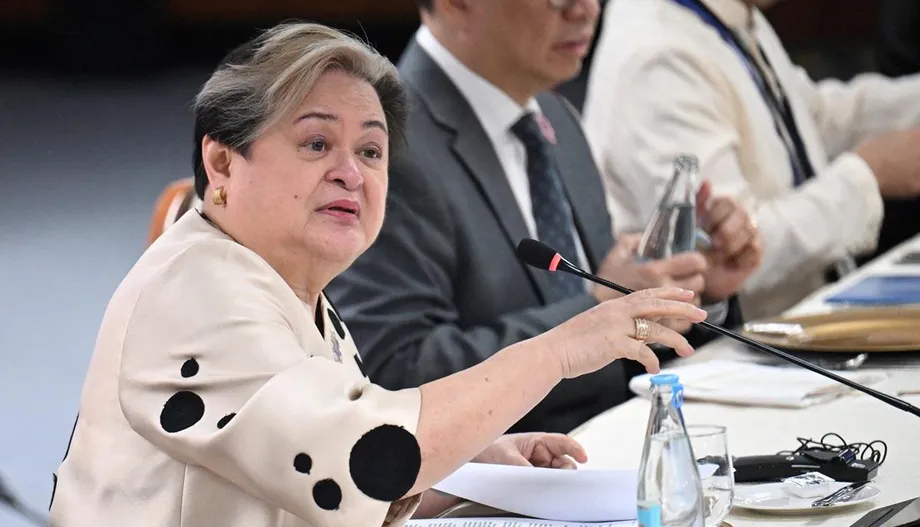
Gambian Justice Minister Dawda Jallow has argued before the court that the Rohingya suffered horrific violence intended to destroy their community. The Gambia's ability to bring the case reflects the convention's shared obligations: a participating state can seek a ruling over another participating state's compliance even when the alleged atrocities occurred elsewhere.
The campaign that forced hundreds of thousands to flee
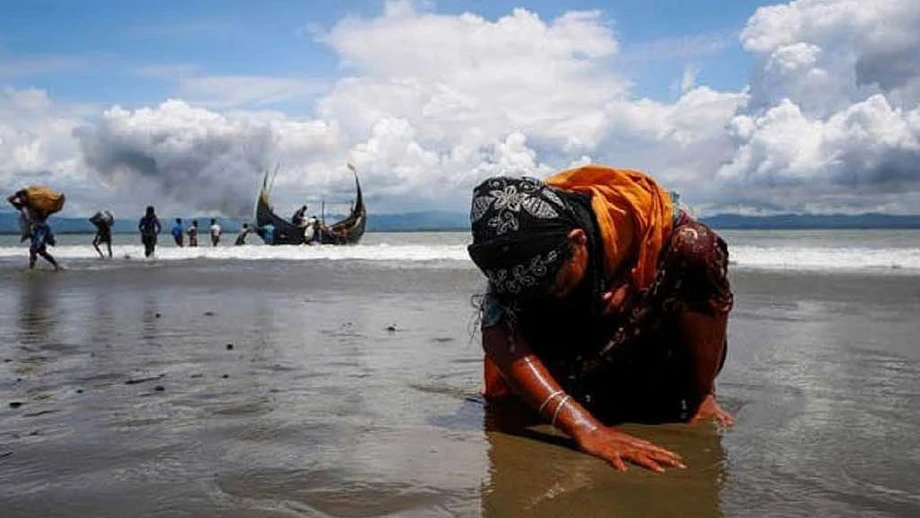
Myanmar's security forces began the campaign at the centre of the case in August 2017 in northern Rakhine State. Human Rights Watch describes massacres, rape and arson that forced more than 700,000 Rohingya to flee, primarily to neighbouring Bangladesh.
The Ontario International Development Agency estimated that thousands of Rohingya were killed by Myanmar's security forces. The mass flight carried survivors across an international border and left Bangladesh hosting a vast population unable to return safely to their homes.
The Rohingya are a predominantly Muslim minority who have faced decades of discrimination and displacement in Myanmar. Many are stateless, meaning that no country recognizes them as citizens. Without citizenship, ordinary activities such as obtaining identity documents, travelling, studying or securing work can become much harder.
The figure of more than 700,000 refers to those displaced during the 2017 campaign. The population of more than one million now living in Bangladesh's camps also includes people displaced during earlier periods and children born in exile. The two figures describe different parts of a crisis that has continued for years.
How the case reached this point
The legal proceedings followed the mass displacement by more than two years. The Gambia filed its application in November 2019, and Myanmar's then de facto leader, Aung San Suu Kyi, personally defended the country's position at public hearings that year.
The court subsequently issued an order requiring protective action and rejected Myanmar's objections to its jurisdiction, allowing the case to proceed. The main stages are:
- August 2017: Myanmar's security forces launched the campaign in northern Rakhine State that drove more than 700,000 Rohingya into Bangladesh.
- November 2019: The Gambia filed its case under the Genocide Convention.
- 2019: Aung San Suu Kyi appeared before the ICJ to defend Myanmar's position.
- 2020: The ICJ ordered Myanmar to take all necessary measures to prevent genocide against the Rohingya.
- 2024: The International Criminal Court's chief prosecutor sought an arrest warrant for military leader Min Aung Hlaing in a separate proceeding.
- November 19, 2026: The ICJ is scheduled to deliver its judgment at 10 a.m. in The Hague.
The 2020 order imposed duties while the proceedings continued. Such provisional measures are intended to protect rights at risk before judges complete their examination of a case. The November judgment will address the central dispute over Myanmar's compliance with the convention.
Myanmar's defence and the consequences for its leadership
Myanmar's representatives have consistently rejected the allegation that the military deliberately sought to destroy the Rohingya. Their argument centres on security operations against insurgent groups following attacks on police posts, and they have challenged the evidence supporting the genocide allegation.
Aung San Suu Kyi's appearance in 2019 made the defence of Myanmar's actions a major moment in her international standing. The military's seizure of power in 2021 later changed the country's leadership, while the case against Myanmar as a state continued.
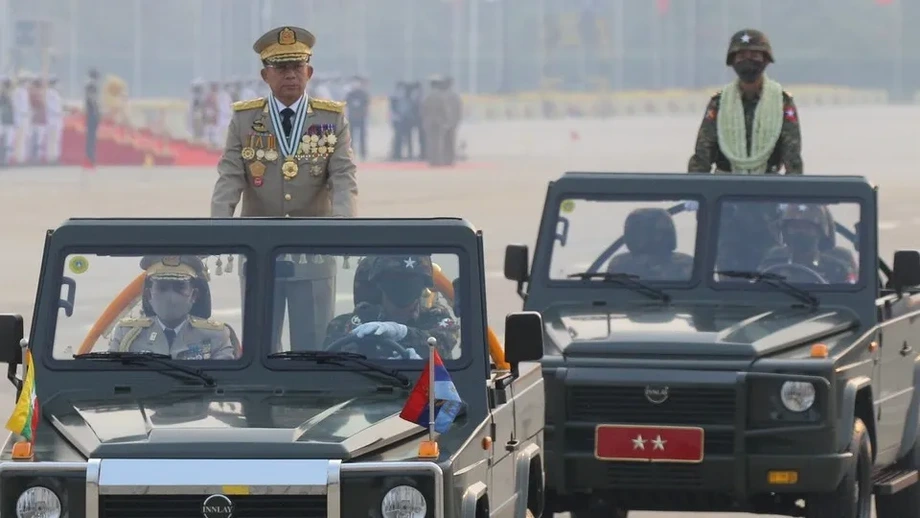
Min Aung Hlaing, who led the military during the repression of the Rohingya and the subsequent coup, faces scrutiny through several legal proceedings. An adverse ICJ judgment would add to the diplomatic pressure surrounding Myanmar's leadership as it seeks international recognition and maintains relations with foreign governments.
The concrete response would depend on decisions by other states and international bodies. Governments could use the judgment when considering diplomatic engagement or economic relations. The outcome and any remedies the court may order will be known when the judgment is delivered.
Why the ICJ and ICC proceedings are different
The ICJ case concerns Myanmar's responsibility as a state. Its task is to decide whether the country breached its obligations under the Genocide Convention. Human Rights Watch has highlighted that focus in explaining the proceedings.
The International Criminal Court, or ICC, addresses individual criminal responsibility. In 2024, its chief prosecutor sought an arrest warrant for Min Aung Hlaing over alleged crimes against humanity involving the Rohingya. A prosecutor's request is a step that asks judges to authorize an arrest.
The two courts can address connected events while answering different legal questions. The ICJ considers what Myanmar owes under an international treaty and what follows from any breach. The ICC considers whether a person should face criminal proceedings for conduct within its jurisdiction.
A case is also progressing in Argentina under the principle of universal jurisdiction. This allows national courts, where their laws permit, to pursue certain grave international crimes committed outside their own territory. Together, the proceedings create several routes through which the Rohingya's allegations can receive legal examination.
For refugees, recognition and a safe return are linked
Rohingya families in Bangladesh have lived for years with overcrowding, displacement and uncertainty about their legal status. A judgment could provide formal recognition of what happened to them, while the conditions needed for a safe return depend on protection and rights inside Myanmar.
Maria Elena Vignoli, senior international justice counsel at Human Rights Watch, described the importance of the decision for survivors:
The International Court of Justice's Myanmar judgment will mark a crucial moment in the Rohingya's quest for justice.
Vignoli also called on countries committed to human rights to support the community, pursue accountability and work toward a safe and voluntary return. For refugees, voluntary return means having a genuine choice about going home rather than being pressured to leave their place of refuge.
Citizenship is central to that question. Myanmar's exclusion of the Rohingya developed through laws and administrative practices that restricted recognition and political participation. The loss of citizenship documents during a nationwide documentation exercise in 1989 helped leave many people without the replacements they needed to exercise their rights.
By 2014, around 90 percent of Rohingya held temporary identity documents known as white cards, according to an Australian government briefing discussed in that earlier account. The cards had allowed voting in 2010 but provided no citizenship status. Their cancellation in 2015 removed an identity document and a basis for electoral participation. Those experiences help explain why returning home requires attention to legal status as well as physical safety.
A final judgment with practical limits
The November 19 judgment will be final and cannot be appealed, according to Human Rights Watch's explanation of the case. ICJ judgments are binding on the parties, giving the decision legal force in the dispute between The Gambia and Myanmar.
The ICJ has no police force to carry out its decisions. Compliance depends on action by the state concerned and on the response of other governments and international institutions. For displaced families, the practical value of the judgment will therefore also depend on whether legal findings lead to protection, accountability and changes in treatment.
Eleven intervening states have already made the proceedings a matter of wider international engagement. A judgment on how the Genocide Convention applies to the Rohingya may also inform legal arguments in other cases under the same treaty, including South Africa's case concerning Israel's actions in Gaza. Each case requires judges to examine its own facts and evidence.
The immediate milestone remains precise: November 19, 2026, at 10 a.m. in The Hague. The court's findings will answer a question pursued since 2019, while Rohingya communities continue seeking the rights and security needed to rebuild their lives.
Key Points
- The ICJ is scheduled to rule on November 19, 2026, at 10 a.m. in The Hague.
- The Gambia filed the case in November 2019, alleging that Myanmar violated the 1948 Genocide Convention.
- More than 700,000 Rohingya fled the August 2017 military campaign, mainly to Bangladesh.
- Myanmar denies genocide and says its operations targeted armed insurgents.
- The ICJ case addresses state responsibility; separate proceedings pursue individual criminal responsibility.
- The judgment will be final, while compliance and protection for displaced Rohingya will require action beyond the courtroom.