Seven years of proceedings reach a judgment
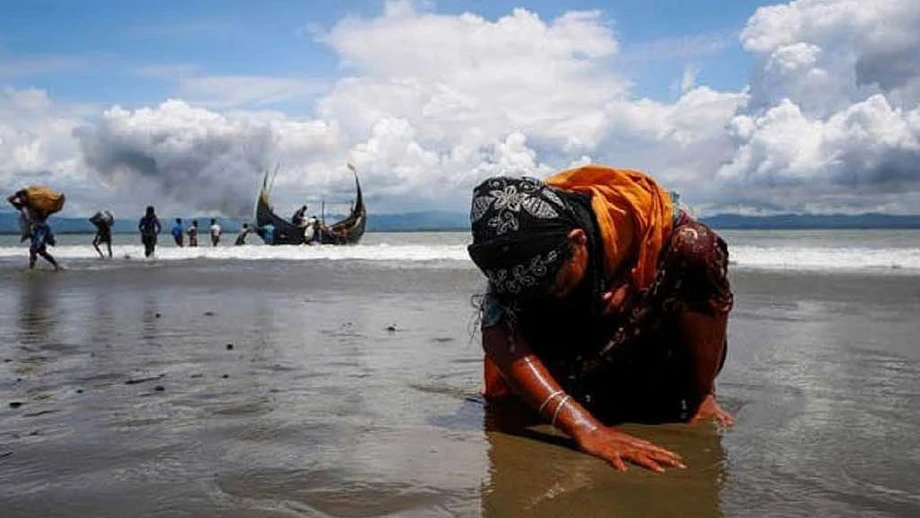
The International Court of Justice will deliver its judgment on November 19, 2026, in Gambia's genocide case against Myanmar, deciding whether the state breached the 1948 Genocide Convention in its treatment of the Rohingya. The case concerns military operations that drove at least 730,000 people into Bangladesh in 2017, along with Myanmar's duties to prevent and punish genocide.
Contents
- Seven years of proceedings reach a judgment
- What happened in Rakhine State?
- Why a country in West Africa brought the case
- The legal test centres on intent
- From emergency protection to a final decision
- Myanmar submitted 12 compliance reports
- What reparations could mean for Rohingya families
- Abuses continue while refugees wait
- A binding judgment with political limits
- Why other genocide cases are watching
- Key Points
The judgment will be read at the Peace Palace in The Hague by court President Yuji Iwasawa. It will be final, binding on the two countries and without appeal. Human Rights Watch confirmed the date in its November 3 statement on the judgment.
Gambia is seeking a finding of state responsibility, measures to stop violations and reparations for Rohingya victims. Myanmar denies genocide and maintains that its military conducted legitimate operations against insurgents. Judges heard arguments, witnesses and an expert during three weeks of hearings in January 2026.
For the roughly 1.2 million Rohingya living as refugees in Bangladesh, the case connects the violence that forced them from their homes with demands for safe return, property restoration and protection against renewed persecution. Those demands remain urgent as Rohingya civilians in Myanmar face further abuses amid fighting in Rakhine State.
The announcement lists the public sitting at 10 a.m. in The Hague, while other published schedules give 08:00 GMT, equivalent to 9 a.m. there in November. The starting time therefore needs clarification; the November 19 judgment date is consistent.
What happened in Rakhine State?
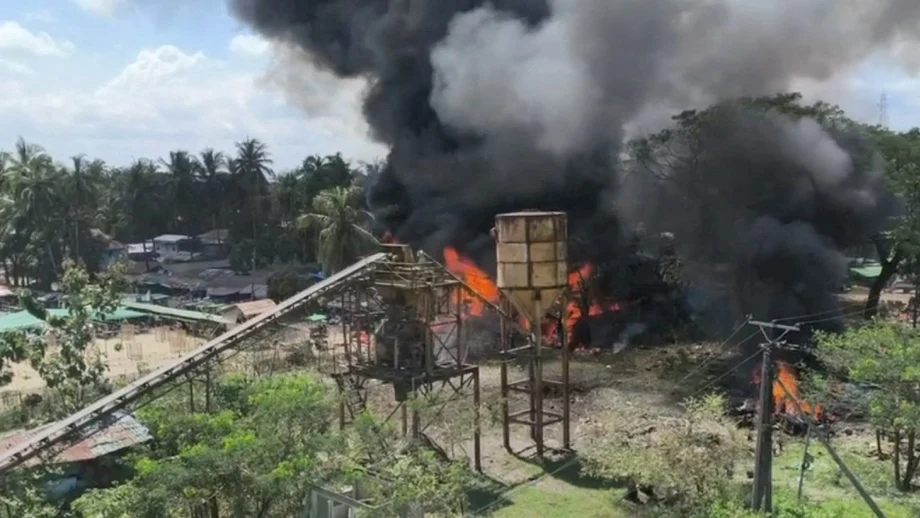
Myanmar's security forces carried out operations against the predominantly Muslim Rohingya in 2016 and launched a much larger campaign in northern Rakhine State in August 2017. Refugees described killings, mass rape, executions and the burning of villages. Myanmar has also denied the Rohingya citizenship, leaving many without the legal protection that nationality normally provides.
A United Nations fact finding mission concluded that the offensive included genocidal acts and found evidence of genocidal intent. Myanmar disputes the mission's findings and the weight its reports should receive in court.
Myanmar says its forces were responding to attacks by the Arakan Rohingya Salvation Army, known as ARSA, including attacks that killed a dozen security personnel. Gambia argues that the military's actions targeted the Rohingya population for destruction, rather than being confined to fighting an armed group.
Gambia's presentation during the hearings focused on attacks against three villages: Min Gyi, Chut Pyin and Maung Nu. Its case uses the scale, repeated pattern and brutality of the violence to argue that Myanmar acted with an intention to destroy the Rohingya as a group, in whole or in part.
Why a country in West Africa brought the case
Gambia filed its application on November 11, 2019, with backing from the Organization of Islamic Cooperation. It relied on Article 9 of the Genocide Convention, which allows disputes between countries that are parties to the treaty to be brought before the ICJ.
Gambia ratified the convention in 1978. Its argument is that every country belonging to the treaty has an interest in ensuring that its protections are respected, even when the alleged crimes occur elsewhere and its own citizens are not the victims.
Myanmar challenged Gambia's right to bring the case, arguing among other things that it was acting as a proxy for the Organization of Islamic Cooperation. On July 22, 2022, the court rejected Myanmar's preliminary objections and confirmed that it had jurisdiction and that Gambia's application was admissible.
Dawda Jallow, Gambia's justice minister, described the human stakes during the January hearings:
It is not about esoteric issues of international law. It is about real people, real stories and a real group of human beings.
The 2022 decision allowed the judges to move on to the substance of the allegations. Human Rights Watch's questions and answers describes this as the first ICJ case in which a country without a direct connection to the alleged crimes used its membership of the Genocide Convention to bring a claim.
The legal test centres on intent
The Genocide Convention defines genocide through prohibited acts committed with a specific intention to destroy a national, ethnic, racial or religious group, in whole or in part. Those acts include killing, causing serious physical or mental harm, imposing conditions calculated to bring about physical destruction and taking measures intended to prevent births.
Gambia argues that Myanmar committed acts within those categories. It places particular weight on sexual violence, including mass rape, sexual assault and genital mutilation, both as acts of destruction and as evidence of the military's intention.
Judges can examine patterns of conduct when deciding whether genocidal intent existed. Gambia relies on a test the ICJ discussed in its 2015 judgment in Croatia's case against Serbia: whether an intention to destroy the group is the only reasonable inference from the conduct in question.
Myanmar argues that there is no direct evidence of genocidal intent and that Gambia has not met that test. It also challenges evidence gathered by UN bodies, nongovernmental organisations and others, while accusing Gambia of giving too little attention to ARSA's activities.
Ko Ko Hlaing, a minister in Myanmar's president's office, rejected Gambia's presentation during the hearings:
Emotional language and blurry factual pictures are not a substitute for a rigorous presentation of facts.
The judges must assess both the alleged acts and the intention behind them, alongside Myanmar's separate obligations to prevent genocide and punish those responsible.
From emergency protection to a final decision
The November judgment follows several distinct stages: an emergency request for protection, arguments about the court's authority and then examination of the allegations themselves. The main dates are:
- November 11, 2019: Gambia files its case against Myanmar.
- January 23, 2020: The court orders Myanmar to protect the Rohingya from genocidal acts and preserve evidence.
- October 2020: Gambia submits its detailed written case, called a memorial.
- July 22, 2022: Judges reject Myanmar's preliminary objections.
- August 2023: Myanmar files its written response, called a counter memorial.
- May 2024: Gambia submits its reply.
- January 2026: The court holds three weeks of hearings on the substance of the case.
- November 19, 2026: The court is scheduled to deliver judgment.
Aung San Suu Kyi, then Myanmar's civilian leader, personally addressed the court in December 2019 and denied that the military had acted with genocidal intent. She has been detained since the military overthrew her government in February 2021 and will not attend the judgment.
The change of government left Myanmar's obligations under the convention and the proceedings against the state in place.
Myanmar submitted 12 compliance reports
The court's January 2020 provisional measures required Myanmar to take all measures within its power to prevent genocidal acts against the Rohingya, ensure that its military and other forces did not commit such acts, and preserve evidence relevant to the case.
Judges also required a report within four months and further reports every six months. Myanmar submitted 12 reports describing steps it said fulfilled the order.
Myanmar cited three presidential directives addressing compliance with the convention, evidence preservation and hate speech. It also pointed to an investigative body and measures concerning repatriation and humanitarian assistance. Gambia challenged those submissions and asked the court to find that Myanmar had failed to comply with the provisional measures.
Eleven other countries were authorised to intervene: Belgium, Canada, Denmark, the Democratic Republic of Congo, France, Germany, Ireland, Maldives, the Netherlands, Slovenia and the United Kingdom. Their role was limited to interpreting the Genocide Convention under Article 63 of the court's statute. They did not participate in the hearings on the substance of Gambia's allegations.
What reparations could mean for Rohingya families
Gambia's requests extend beyond a declaration that Myanmar violated international law. They include practical remedies for people who lost homes, relatives, property and access to their communities.
The proposed reparations include safe and dignified return to former places of residence, the return or replacement of property, family reunification, physical and mental rehabilitation, and assistance in finding people who disappeared. Gambia also seeks help recovering, identifying and reburying those killed in accordance with Rohingya cultural and religious practices.
Gambia wants protections against discrimination and persecution, recognition of the right to identify as Rohingya, freedom of movement and the removal of restrictions on residence, employment and livelihoods. It asks for compensation or other remedies when restoration cannot fully repair the harm.
Myanmar contests Gambia's legal entitlement to demand reparations for victims when Gambia itself did not directly suffer the alleged acts. The judges must decide the remedies, if any, alongside the question of responsibility.
Bangladesh has hosted the majority of those who fled in 2017, together with Rohingya displaced earlier and since. Discussions with Myanmar have yet to produce the planned repatriation. The protections sought in court address conditions that would shape whether families could return safely and rebuild their lives.
Abuses continue while refugees wait
Rohingya civilians remaining in Rakhine State have faced further danger since fighting intensified between Myanmar's military and the ethnic Arakan Army in late 2023. Human Rights Watch describes serious abuses by both sides, including unlawful killings, widespread arson and unlawful recruitment.
The organisation says the military continues to commit war crimes and crimes against humanity against the Rohingya, including persecution and deprivation of liberty. It also says the Arakan Army, which controls most of Rakhine State, has imposed forced labour and arbitrary detention and committed war crimes.
Maria Elena Vignoli, senior international justice counsel at Human Rights Watch, connected the coming judgment with those continuing conditions:
The ruling will also be a stark reminder that the oppression of the Rohingya is ongoing, and that rights-respecting countries need to act decisively to support them, promote justice for atrocities, and ensure their safe and voluntary return.
For displaced families, the practical demands therefore reach beyond recognition of past suffering to protection from present violence and guarantees against its repetition.
A binding judgment with political limits
The ICJ decides disputes between states. Its judgment will determine Myanmar's responsibility under international law, while criminal cases against individual suspects proceed through other courts.
Article 94 of the UN Charter requires member states to comply with ICJ decisions in cases to which they are parties. The court has no police force or other direct means of enforcing its judgments.
Gambia could turn to the UN Security Council if it considered Myanmar had failed to comply. The council can recommend or decide measures to give effect to a judgment, although Human Rights Watch notes that it has never exercised that discretionary power under Article 94(2). Governments can also press for compliance through diplomacy and UN General Assembly resolutions.
Individual accountability is being pursued separately. In November 2024, the International Criminal Court prosecutor requested an arrest warrant for Min Aung Hlaing over alleged crimes against humanity involving deportation and persecution. As of Human Rights Watch's November 3, 2026, account, ICC judges had issued no public decision on that request.
The ICC investigation includes deportation into Bangladesh, an ICC member, giving the court a basis to act even though Myanmar is not a member. In Argentina, a federal court issued arrest warrants against 25 people, including Min Aung Hlaing, in February 2025. That case uses universal jurisdiction, which allows national courts to prosecute certain grave international crimes committed abroad.
Why other genocide cases are watching
The Myanmar judgment will be the ICJ's third major decision on the substance of genocide allegations, following cases brought by Bosnia and Croatia against Serbia. It will be the first such judgment in more than a decade.
The court's treatment of intent, patterns of violence, sexual violence and evidence gathered by international investigators could guide arguments in other proceedings. South Africa filed its case accusing Israel of genocide in Gaza in December 2023. Israel denies the allegation.
Other pending Genocide Convention disputes concern Ukraine and Russia, Nicaragua's allegations against Germany over support for Israel, and the Democratic Republic of Congo's case against Rwanda, filed in June 2026. Each involves its own evidence and legal claims, while drawing on the same treaty and the court's developing interpretation of it.
The immediate decision concerns Myanmar and the Rohingya: whether the convention was breached, which duties were violated and what remedies the state must provide.
Key Points
- The ICJ will deliver judgment in Gambia v. Myanmar on November 19, 2026.
- The case concerns Myanmar's state responsibility under the Genocide Convention.
- At least 730,000 Rohingya fled the 2017 offensive into Bangladesh.
- Myanmar denies genocide and says its operations targeted insurgents.
- Gambia seeks reparations, safe return, property remedies and protection against further persecution.
- The judgment will be final and binding, but enforcement depends on state compliance and international action.
- Separate proceedings seek individual criminal accountability at the ICC and in Argentina.