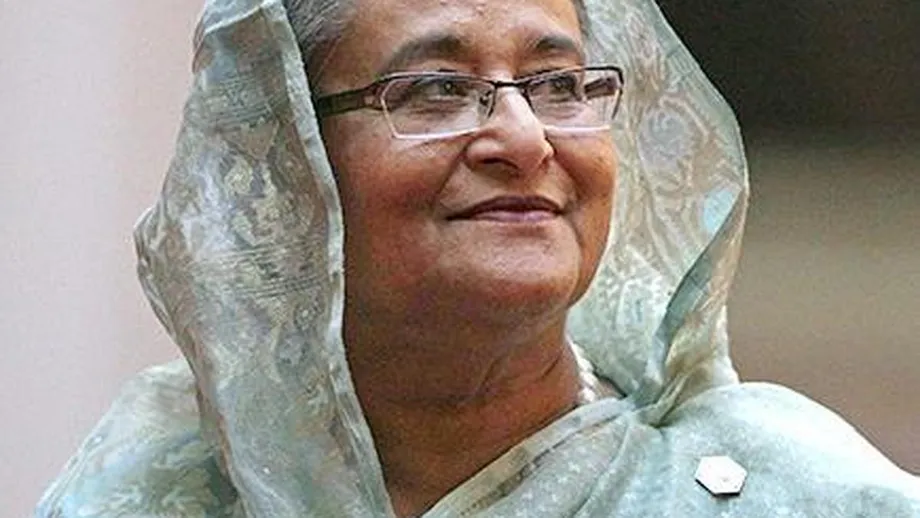
Dhaka puts extradition alongside prisoner returns
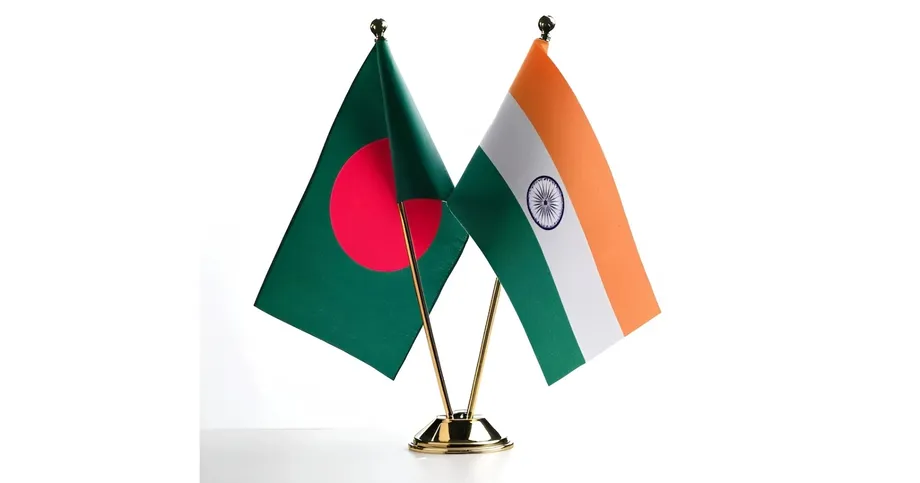
Bangladesh plans to seek the return of former prime minister Sheikh Hasina, former home minister Asaduzzaman Khan Kamal and the suspected killers of Sharif Osman Bin Hadi at its fifth consular dialogue with India in Dhaka. The meeting would bring a dispute involving death sentences and political refuge into talks that also concern visas, detained nationals and fishermen waiting to return home.
Contents
- Dhaka puts extradition alongside prisoner returns
- A dispute stretching from 2024 to the proposed talks
- What the tribunal decided
- What the extradition treaty requires
- Political offences and grounds for refusal
- India describes an ongoing legal examination
- Hasina's return plans and the Hadi case
- Prisoners waiting for nationality checks
- Fishermen, border crossings and travel rules
- Key Points
Hasina and Kamal were sentenced to death in their absence on November 17, 2025, for crimes against humanity connected to the suppression of the 2024 uprising. Hasina has remained in India since fleeing Bangladesh on August 5, 2024. Bangladesh first sought her extradition through a formal diplomatic communication in December 2024 and renewed its demand after the convictions.
The proposed meeting would be the first time since the uprising that Dhaka has raised these extradition demands through the formal consular dialogue, according to diplomatic sources in both capitals. Bangladesh proposed late October, while India preferred early November because of Durga Puja festivities. A final date for the dialogue and a possible visit to India by Prime Minister Tarique Rahman has not been announced.
The agenda reaches well beyond Hasina. A Bangladesh foreign ministry official said 1,448 Bangladeshis were serving sentences in Indian prisons. India wants 25 verified Indian nationals who have completed sentences in Bangladesh returned home. Another list contains 121 prisoners reportedly identified as Indian whose sentences have ended, although nationality checks remain incomplete in many cases.
For both governments, the talks bring together two different tasks: deciding whether people wanted by courts should be surrendered, and arranging the return of people whose citizenship or release status needs to be confirmed.
A dispute stretching from 2024 to the proposed talks
Bangladesh and India established the consular dialogue in 2017. They have held four rounds, most recently in New Delhi in May 2024, before the uprising that ended Hasina's government. The next round would take place at director general level, as the countries pursue a wider series of bilateral contacts.
A Bangladesh foreign ministry official said a trade meeting had already taken place as part of preparations for a possible meeting between national leaders. Extradition has become a prominent issue within those exchanges, rather than a request handled only through diplomatic correspondence.
- May 2024: India hosted the fourth consular dialogue in New Delhi.
- August 5, 2024: Hasina fled Bangladesh and entered India during the mass uprising.
- December 2024: Dhaka formally requested Hasina's extradition through diplomatic channels.
- November 17, 2025: Bangladesh's International Crimes Tribunal sentenced Hasina and Kamal to death.
- November 26, 2025: India publicly acknowledged receiving an extradition request and said it was undergoing legal examination.
- August 16, 2026: Bangladesh urged India to extradite Hasina to help create conditions for Rahman's proposed visit.
- Late October or early November: The two sides proposed different periods for the fifth consular dialogue.
On August 16, Bangladesh called for a "propitious environment" for Rahman's visit. Foreign ministry spokesperson A.K.M. Shahidul Karim also demanded the return of Hadi's suspected killers, adding another criminal case to an already sensitive diplomatic agenda.
What the tribunal decided
The November 2025 judgment convicted Hasina of incitement, ordering killings and failing to prevent atrocities during the student protests of 2024. Kamal received the same punishment. Former police chief Chowdhury Abdullah Al-Mamun, who became a state witness, received five years in prison.
The November death sentences intensified Dhaka's effort to secure the former leaders' return. An analysis published on November 20, 2025, by the National University of Singapore's Institute of South Asian Studies, written by research fellow Amit Ranjan, describes how the verdict shifted Bangladesh's argument from seeking people facing charges to seeking people already convicted.
Bangladesh's then foreign affairs adviser, Md Touhid Hossain, said after the judgment that the completion of the case had changed the situation.
"The judicial process has been completed and they have been convicted".
Hasina rejected the proceedings. Responding from New Delhi, the former prime minister said:
"The verdicts announced against me have been made by a rigged tribunal established and presided over by an unelected government with no democratic mandate".
Fairness and punishment have also drawn concern outside Bangladesh. Meenakshi Ganguly, deputy Asia director at Human Rights Watch, said:
"There is enduring anger and anguish in Bangladesh over Hasina's repressive rule, but all criminal proceedings need to meet international fair trial standards".
The United Nations human rights office welcomed the judgment as an important moment for victims while opposing the death penalty. Tribunal prosecutor Gazi Monawar Hossain Tamim said after the verdict that the tribunal was preparing to seek Interpol assistance through Bangladesh's foreign ministry to bring Hasina and Kamal back.
What the extradition treaty requires
The 2013 extradition treaty, published by India's Ministry of External Affairs, was signed in Dhaka on January 28, 2013. It creates an obligation to surrender people charged with or convicted of qualifying offences, subject to the agreement's conditions and exceptions.
Article 2 sets a basic threshold: the conduct must be punishable in both countries by at least one year in prison. Lawyers call this dual criminality. In simple terms, both countries must regard the underlying conduct as a crime. Their laws can use different names or place the offence in different legal categories.
That provision matters because a request concerning crimes against humanity requires examination of the acts behind the charge, including alleged killings, incitement or participation. Article 2 also covers attempts, aiding, abetting and acting as an accomplice.
Article 10 requires requests through diplomatic channels, together with identifying information, the facts of the offence and the relevant law. For someone already convicted and sentenced, it calls for a certificate of conviction and sentence and a statement of how much of the sentence remains unfulfilled.
Indian officials have said Bangladesh's request contains the required legal documents. India can seek more information if the material is insufficient for a decision. The treaty names India's Ministry of External Affairs and Bangladesh's Ministry of Home Affairs as the central authorities.
The original agreement also contains procedures for urgent provisional arrest. A person arrested under that provision must be released after 60 days if a formal extradition request has not arrived. A later request can still lead to further proceedings.
Political offences and grounds for refusal
Article 6 permits refusal when an offence is political in character, but it expressly excludes murder, manslaughter or culpable homicide, serious assault, kidnapping and incitement to murder from that category. Attempts, conspiracies and participation in the listed crimes are also covered by the exclusions.
Crimes against humanity are not expressly named in that list. The legal examination therefore turns on the conduct alleged, the applicable provisions and the treaty's other protections. For Hasina and Kamal, allegations involving killings and incitement make the wording of Article 6 particularly relevant.
Article 8 contains a separate safeguard concerning accusations made without good faith in the interests of justice. It also addresses circumstances in which extradition would be unjust or oppressive because of the passage of time or the trivial nature of an offence, as well as certain military offences and previous acquittals or convictions.
Ranjan's ISAS legal analysis identifies Section 29 of India's Extradition Act, 1962, as another possible basis for refusing a request involving bad faith, political considerations or the interests of justice. The paper also records that India and Bangladesh amended Article 10(3) in July 2016 to speed up extradition procedures, so the original treaty text must be considered alongside that change.
Article 7 provides another route: the requested country may refuse surrender if it can try the person itself. In that situation, it must submit the case to its competent authorities for consideration of prosecution. If they decide against prosecution, the extradition request must be reconsidered.
India describes an ongoing legal examination
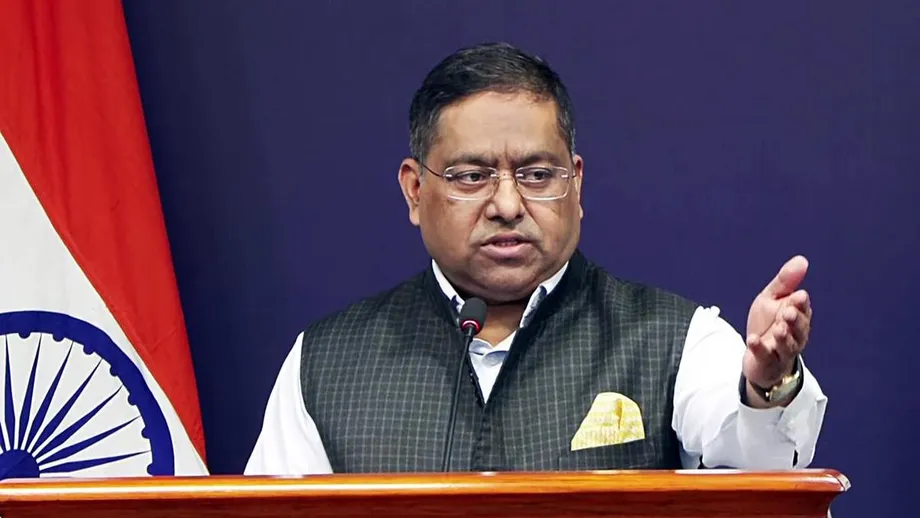
Indian Ministry of External Affairs spokesperson Randhir Jaiswal publicly confirmed on November 26, 2025, that New Delhi had received Bangladesh's request. Explaining its status, he said:
Yes, we have received the request. And this request is being examined as part of ongoing judicial and internal legal processes,
Indian officials have since stressed the role of the courts and the need to examine whether the alleged conduct is criminal under Indian law. India's extradition procedures allow the government to appoint a magistrate to conduct an inquiry. The ministry's Consular, Passport and Visa division handles extradition matters.
A magistrate who finds a prima facie case, meaning sufficient grounds to proceed at that stage, may recommend extradition. If that threshold is not met, the magistrate discharges the person. The treaty exceptions and statutory powers also form part of the process, giving both judicial examination and government action a role.
Awami League members have said they would challenge the tribunal's judgment in Indian extradition proceedings, including its delivery under the interim administration led by Muhammad Yunus. Indian officials have also described intensive diplomatic discussions with Dhaka, reflecting the connection between the legal request and relations between the two governments.
Hasina's return plans and the Hadi case
Hasina used an August 5, 2026, press conference to criticise conditions in Bangladesh and discuss returning home. The former prime minister said:
Fear has entered homes, workplaces and campuses.
Asked about returning, Hasina referred to the month commemorating Bangladesh's victory in the 1971 liberation war.
December is our victory month, so I want to go back in the month of December.
Bangladesh's foreign ministry responded by accusing her of responsibility for the killing of civilians, including children, during the July and August 2024 uprising. Her proposed return places December alongside the diplomatic timetable, while the extradition demand remains active.
Hadi's case concerns a different set of suspects. He died in Singapore in December 2025 after being shot in Dhaka. His suspected killers were reported to have fled to India. Dhaka plans to seek their extradition at the consular dialogue alongside Hasina and Kamal.
Hadi's suspected killers are being sought as suspects, while Hasina and Kamal have convictions against them. The legal documents and evidence needed for each request depend on that status and the applicable extradition procedures.
Prisoners waiting for nationality checks
India's request for the return of 25 nationals concerns people who have completed their sentences and whose identities have been verified. They remain in Bangladeshi custody as release prisoners awaiting repatriation, meaning the next task is to arrange their return rather than complete a prison term.
Bangladesh has also submitted a list of 121 prisoners reportedly identified as Indian whose sentences are complete. The Indian High Commission says many entries lack sufficient personal information. It has requested consular access to check nationality and is awaiting Dhaka's response. Some cases with adequate information are still undergoing verification.
The relationship between the list of 121 and the group of 25 has not been specified, so the two figures cannot be added to produce a total. Each verified case can move toward travel documentation and an agreed handover.
Bangladesh faces similar identification problems with lists sent by India. A Bangladesh foreign ministry official said some entries contained repeated names or too little information to identify the person. Dhaka says it has repatriated those whose identities it could verify and that its policy is to take back Bangladeshi nationals residing illegally abroad.
The 1,448 Bangladeshis serving sentences in India are at a different stage from people who have completed their punishment. Their situation involves continuing imprisonment, while the release prisoners need arrangements allowing them to leave custody and cross the border.
Fishermen, border crossings and travel rules
India is also seeking faster repatriation of fishermen. An Indian High Commission official said New Delhi had shared a draft protocol with Dhaka to speed up returns on humanitarian grounds.
The official explained that fishermen can cross the maritime boundary by mistake because no visible line marks it at sea. Even a short detention interrupts their earnings. A protocol could give officials an agreed procedure for handling those cases and arranging returns.
Bangladesh plans to raise incidents in which people have been pushed into its territory from India since the uprising. India, meanwhile, has complained that Bangladesh has not yet repatriated people listed as detained Bangladeshi nationals. The discussion will bring border practices together with the practical work of checking identities and citizenship.
Visa services, mutual legal assistance, other extradition cases and renewal of the Revised Travel Arrangement are also on the agenda. The travel arrangement expired in 2023 and has since been extended every six months. Its renewal concerns the rules governing travel between the two countries.
The proposed dialogue therefore offers several concrete decisions: processing verified prisoner returns, resolving incomplete identity records, considering the fishermen protocol and reviewing travel arrangements. Hasina's case carries the greatest political weight, while those administrative decisions directly affect people waiting in custody or trying to cross the border lawfully.
Key Points
- Bangladesh plans to raise the extradition of Hasina, Kamal and Hadi's suspected killers at the fifth consular dialogue in Dhaka.
- Hasina and Kamal received death sentences on November 17, 2025, after trials in their absence.
- The 2013 treaty requires examination of criminal conduct recognised in both countries and contains grounds for refusing extradition.
- India has acknowledged the request and described an ongoing legal examination.
- India seeks the return of 25 verified nationals who have completed sentences in Bangladesh; a list of 121 prisoners also requires nationality checks.
- Fishermen, border movements, visas and renewal of travel arrangements will also be discussed.