
Search Underway After Attack at Sohar Anchorage
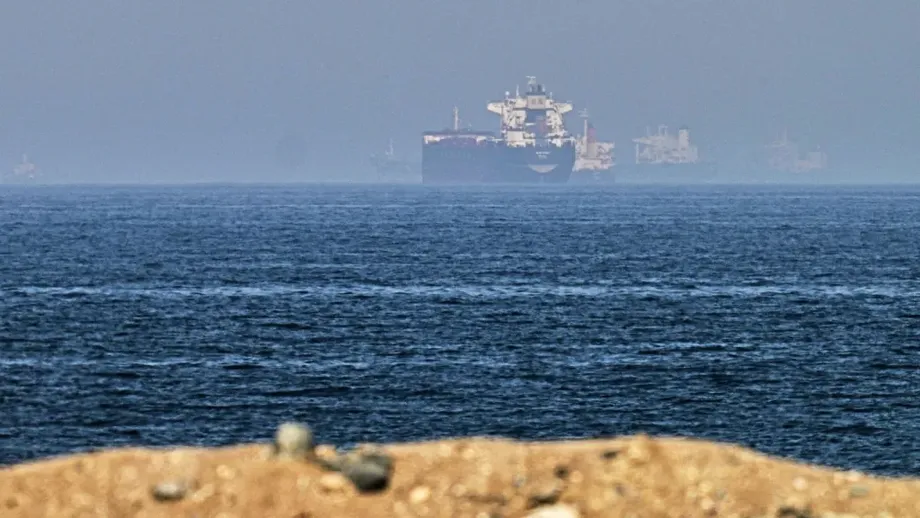
Two Indian seafarers remained missing after the tanker MT PETRO DOLPHIN was attacked at Sohar Anchorage off northern Oman on October 11, 2026. Nine other Indian crew members were rescued and were safe, according to Sarbananda Sonowal, India's minister of ports, shipping and waterways.
Contents
A second tanker, the Marshall Islands flagged MT VALTHERA, was struck by an unidentified projectile in the Strait of Hormuz the same day. A fire broke out aboard that vessel, but all 11 Indian seafarers on board were reported safe. Together, the two attacks affected ships carrying 22 Indian crew members, of whom 20 were reported safe and two remained unaccounted for.
Sonowal described the attack on MT PETRO DOLPHIN as a drone strike. He said the local Coast Guard was conducting search and rescue operations, with Indian officials coordinating with the authorities involved. The Embassy of India in Muscat was also working with Omani authorities and the management companies responsible for the two ships.
The distinction between the two incidents matters: the missing crew were aboard MT PETRO DOLPHIN, while the reported fire occurred on MT VALTHERA. Neither account identified who launched the attacks. The statements also did not establish whether the two vessels were targeted by the same party or as part of a coordinated operation.
What Is Known About the Missing Crew?
Sonowal confirmed that MT PETRO DOLPHIN was carrying 11 Indian seafarers when it was attacked at the anchorage serving the port of Sohar. An anchorage is an area where vessels can remain at anchor, often while waiting to enter a port or receive services. The reported location therefore places this incident at a port anchorage, rather than identifying the tanker as travelling through the strait at the moment of the strike.
The shipping minister described the immediate outcome for the Indian crew:
While nine of our Indian crew members have been successfully rescued and are safe, two Indian nationals currently remain missing.
The missing seafarers were not identified by name. No details were given about where they were last seen, whether they had entered the water, or the area being searched. Their status should not be treated as a confirmed death: the announcement described an active search for missing personnel.
Sonowal also outlined India's involvement in supporting that effort:
We are continuously coordinating with all relevant authorities to fully support the ongoing rescue efforts and ensure every possible action is taken to safely locate our missing personnel.
No completion time for the search was announced. There was also no detailed account of damage to MT PETRO DOLPHIN, its cargo, or the circumstances in which the nine Indian crew members were rescued.
A Separate Strike and Fire on MT VALTHERA
MT VALTHERA was hit by an unknown projectile in the Strait of Hormuz on October 11. The impact caused a fire aboard the tanker, according to India's statement condemning the attacks. All 11 Indian seafarers on that ship were reported safe.
The wording leaves the weapon used against MT VALTHERA unidentified. Although Sonowal described a drone attack on MT PETRO DOLPHIN, that description should not be extended to the second tanker. A projectile could have different origins, and no specific weapon was established in the account of the fire.
MT VALTHERA was registered under the flag of the Marshall Islands. A ship's flag identifies the country in which it is registered; it does not establish the nationality of its crew. Here, the Indian government's immediate concern was the welfare of Indian nationals serving aboard a vessel registered elsewhere.
The confirmation that those 11 seafarers were safe did not provide a full account of the vessel's condition. There were no details about the extent of the fire, damage to the tanker, possible pollution, or whether it could continue its voyage. Crew safety and a ship's operational condition are separate questions, and only the former was addressed directly.
India Calls for Attacks on Shipping to Stop
India condemned the October 11 attacks on commercial vessels in the Strait of Hormuz region. Its statement named both tankers and said the Embassy of India in Muscat was monitoring developments, coordinating the effort to rescue the missing Indians, and arranging assistance for the crews.
The government linked the immediate rescue response to a broader concern about repeated attacks on merchant shipping. Its statement said:
The safety and security of Indian seafarers remain a priority for the Government of India.The recurring attacks on commercial shipping in the region are deeply concerning and risk further aggravating an already volatile situation.
India called for an immediate reduction in hostilities and a resolution of the conflict through dialogue and diplomacy. It also demanded an end to attacks on commercial vessels, seafarers and civilian infrastructure, while calling for freedom of navigation and the safe movement of maritime trade under international law.
Those demands address two connected concerns. The first is the protection of people aboard civilian ships. The second is whether commercial vessels can move through international waterways without being attacked. India's statement did not assign responsibility for these particular strikes or announce a new security deployment.
Repeated Incidents Across Several Dates
The October 11 attacks followed another reported strike off Oman only five days earlier. On October 6, India's foreign ministry condemned a projectile attack on a Panama flagged vessel travelling through the Strait of Hormuz. The vessel was not named in the account, and no crew casualty figure was given for that incident.
The ministry's response to the October 6 attack called for an immediate end to attacks on shipping in the interests of regional peace and stability. The later statement about MT PETRO DOLPHIN and MT VALTHERA renewed that demand after two more ships carrying Indian nationals were hit.
The sequence of reported events is:
- February 28: US and Israeli strikes on Iran began, marking the start of the conflict period referenced in accounts of subsequent attacks on Indian mariners.
- October 6: A Panama flagged vessel was struck by a projectile off Oman while travelling through the Strait of Hormuz.
- October 10: An attack on Riyadh airport injured 11 Indians.
- October 11: MT PETRO DOLPHIN and MT VALTHERA were attacked. India's embassy in Riyadh also announced that one of the Indians injured at the airport had died.
- After the tanker attacks: India condemned the strikes and confirmed coordination with Oman and the ship management companies.
Indian mariners have also been reported killed in Strait of Hormuz attacks since the strikes on Iran began. No total was given, so those earlier deaths cannot be combined into a reliable casualty count with the latest incidents.
Indian Nationals Face Risks at Sea and Ashore
The danger to Indian nationals was not confined to the two tankers. Eleven Indians were injured when Riyadh airport came under attack on the Saturday before the tanker incidents. A day later, the Embassy of India in Riyadh announced that one of those injured had died.
The embassy said it was in contact with local authorities and hospital officials to check the condition of the injured Indians. No details were given about their identities, the severity of the remaining injuries, or the weapon used in the airport attack. There is no established connection between that incident and the strikes on the ships beyond their occurrence during the same period of regional tensions.
At sea, India's exposure is substantial because of the size of its merchant shipping workforce. According to shipping ministry figures, the country had more than 320,000 active seafarers in 2025 and was among the largest contributors of crew to commercial shipping worldwide.
That figure helps explain why attacks on vessels registered in other countries can still prompt an urgent Indian response. MT VALTHERA's Marshall Islands registration did not lessen India's responsibility to assist its nationals aboard the ship. In the latest incidents, consular coordination, ship management and local rescue authorities all formed part of the response.
What Has Yet to Be Established?
The central unresolved issue is the fate of the two missing crew members from MT PETRO DOLPHIN. Officials confirmed that a search was underway, but gave no deadline for an update and no indication of when the operation might conclude.
Responsibility for the attacks also remained unidentified in the statements. The broader conflict provides context, but it does not establish who struck either tanker. The reported drone strike at Sohar Anchorage and the projectile strike on MT VALTHERA must remain distinct incidents unless further evidence connects them.
Other unanswered questions concern the condition of both vessels, the extent of the fire on MT VALTHERA and any environmental damage. No investigation timetable or scheduled release of findings was announced. For the families of the missing seafarers, the immediate priority remains the search, while India's diplomatic response seeks an end to further attacks on civilian shipping.
Key Points
- MT PETRO DOLPHIN was attacked at Sohar Anchorage on October 11, 2026, with 11 Indian seafarers aboard.
- Nine Indian crew members were rescued and were safe; two remained missing.
- The local Coast Guard was conducting search and rescue operations with Indian coordination.
- MT VALTHERA was struck by an unidentified projectile the same day. A fire broke out, but all 11 Indian seafarers aboard were reported safe.
- India condemned the attacks and called for dialogue, reduced hostilities and an end to strikes on civilian shipping and infrastructure.
- A separate attack on Riyadh airport injured 11 Indians, one of whom was subsequently reported dead.
- The attackers, the full extent of vessel damage and the fate of the missing crew had not been established.