Court approval proposed for arrests over published news
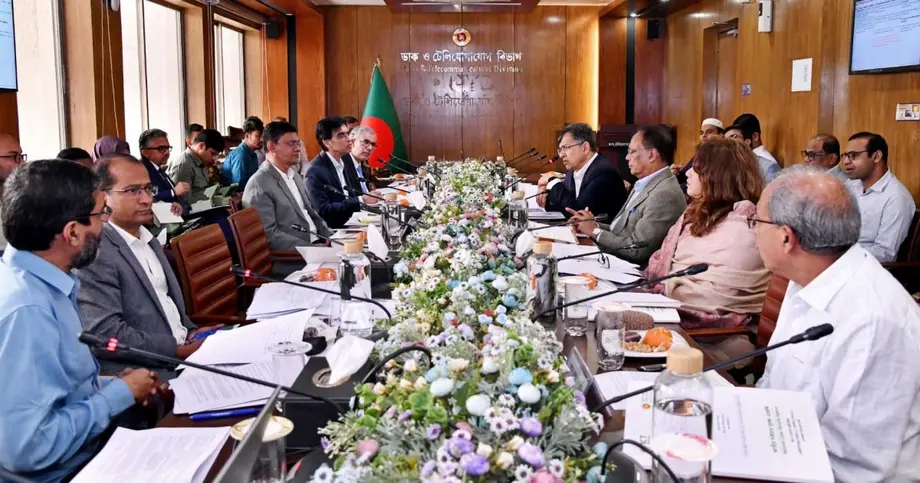
Bangladesh's cabinet committee reviewing the Cyber Security (Amendment) Act, 2026 agreed in principle on November 4 to require permission from a court before arresting a journalist, media owner or person responsible for a news organisation over news it publishes or broadcasts.
Contents
- Court approval proposed for arrests over published news
- What would the court safeguard cover?
- Why editors are seeking wider changes
- Defamation and misinformation face closer scrutiny
- Blocking news would come with reasons and review
- Mobile courts and device searches draw concern
- How the current review developed
- Who will help shape the next draft?
- What happens before the bill reaches Parliament?
- Key Points
The meeting in Dhaka also examined proposals to exclude mobile courts, clarify offences involving defamation and misinformation, and require authorities to explain decisions to block online content. Together, the proposals address several ways a cyber law can affect journalism: arresting people, restricting access to their work and taking action against their organisations.
Posts, Telecommunications and Information Technology Minister Fakir Mahbub Anam chaired the meeting at the Posts and Telecommunications Division. Home Minister Salahuddin Ahmed and State Minister for Foreign Affairs Shama Obaed Islam attended.
The ministry's statement described an agreement in principle on the arrest safeguard. The provision remains part of the drafting process, with its final wording, the deadlines for legal proceedings and the date for parliamentary consideration still to be settled.
The central issue is how to combat cybercrime while protecting reporting that may anger powerful people. The committee's discussions connect a proposed court check on arrests with changes to the underlying offences and procedures, including written notice and a chance for media organisations to defend themselves.
What would the court safeguard cover?
The November 4 proposal covers arrests arising from news published or broadcast by a media outlet. It would apply to journalists, owners and people responsible for the organisation, with prior approval required from a court legally authorised to hear the matter.
For a journalist facing a complaint about a report, this would put a judicial decision between the complaint and an arrest. The committee also called for proper legal procedures and measures against harassment when action is taken against journalists.
Home Minister Salahuddin Ahmed used broader language at a stakeholder consultation, saying journalists would not face legal action or arrest under the proposed amendment without court permission. The committee's November 4 description focused specifically on arrest over published or broadcast news.
Ahmed said the safeguard would be added to the draft after stakeholders submitted formal recommendations. Explaining the government's stated purpose, the home minister said:
We did not want and do not want to enact this law by targeting the media,
Editor Mahfuz Anam had proposed the court permission requirement and called for detailed discussions between media representatives and cyber specialists. His request included protective clauses intended to keep the legislation from being used against journalism.
Why editors are seeking wider changes
Mahfuz Anam's September 25 assessment of the draft identified concerns extending beyond arrest. He argued that the amendments would weaken judicial oversight found in the law approved under the interim government and expand administrative powers over online reporting.
His objections covered proposed Sections 8(2), 25, 26A, 33 and 34. These deal with content restrictions, offences involving harmful online material, rumours and misinformation, and powers to access or seize digital equipment and data.
Anam's concern about investigative journalism was concrete: reporting on corruption can damage the reputation of the person accused. If an offence is defined too broadly around humiliation or reputational harm, a person named in a corruption investigation could use that wording to seek action against the reporter.
The November committee discussions addressed several of those areas, including definitions, mobile courts and content blocking. The proposed arrest safeguard is therefore one part of a larger negotiation over what conduct the law would punish and how authorities could respond.
Defamation and misinformation face closer scrutiny
The committee considered separating defamation, disparagement and cyberbullying rather than treating them together. Participants also called for the definition and punishment of defamation to be consistent with the Penal Code, Bangladesh's general criminal law.
Defamation concerns harm to a person's reputation. Cyberbullying concerns abusive behaviour conducted through digital services. The proposed separation matters because a news report about alleged wrongdoing and an online campaign of personal abuse involve different conduct, even when both upset the person concerned.
Anam's September assessment said proposed changes to Section 25 would broaden a provision dealing largely with online sexual harassment, blackmail, pornography and material involving child sexual abuse. He said the amendment would add defamation, humiliation and disparagement.
He also described an increase in the general maximum prison term under that provision from two years to five, with a possible sentence of 10 years when the victim is a woman or someone under 18. Those figures describe the draft he examined in September, while the committee was still considering revisions in November.
Proposed Section 26A was another concern. According to Anam's assessment, it would punish publication or dissemination of rumours and misinformation with up to 10 years in prison. He argued that the draft lacked precise definitions for those offences.
On November 4, participants called for clearer, narrower definitions of rumours and misinformation so that vague language would not restrict media freedom. They also discussed making the definition of cyberspace more precise, which would help specify the digital activity covered by the law.
Blocking news would come with reasons and review
The committee discussed requiring authorities to inform the affected person or organisation why content was being removed or blocked. It also considered a deadline for deciding applications to restore access to blocked material.
A blocking order can prevent readers from reaching an article while the publisher seeks a remedy. Giving reasons would allow the publisher to identify the legal objection and answer it. A decision deadline would give that challenge a defined timetable.
Anam's September assessment said proposed Section 8(2) would widen powers to remove or block material, including content considered defamatory or derogatory to a person or the state. He objected to action based on an apprehension of harm and warned that such wording would leave considerable room for subjective decisions.
The November meeting also examined written notice before action against a media organisation or other institution, together with an opportunity to present a defence. These proposals address the organisation's ability to respond before an official measure affects its work.
The combined approach would create several procedural steps: an explanation for a content restriction, a route to seek restoration, and an opportunity for an institution to answer allegations. Their practical value will depend on the wording adopted in the revised draft.
Mobile courts and device searches draw concern
The committee discussed leaving mobile court provisions out of the legislation. Anam had criticised their inclusion in the September draft because mobile courts are run by executive magistrates within the administration.
His objection concerned who would judge cyber offences. He argued that assigning such cases to executive officials would give the government administration a direct role in proceedings affecting critical reporting, whereas earlier cyber laws used tribunals headed by judicial officers.
Digital searches present another issue for newsrooms. Anam said Sections 33 and 34 would allow authorities to access, search and seize computers, devices and stored data. Journalists often keep interview records, unpublished investigations and the identities of confidential sources on those devices.
For a source who shares information on condition of anonymity, access to a reporter's phone or computer could expose their identity. Seizing equipment could also interrupt publication. These concerns explain why editors have sought protections covering investigations and newsroom operations alongside the proposed restriction on arrests.
How the current review developed
Bangladesh's cyber legislation has been replaced or revised several times since 2018. The present negotiations follow another round of amendments in 2026, making the wording of the next draft central to the debate.
The sequence of laws and consultations shows how the current proposal reached the cabinet committee:
- 2018: Bangladesh enacted the Digital Security Act.
- 2023: The Cyber Security Act replaced the Digital Security Act.
- 2025: The interim government replaced the Cyber Security Act with the Cyber Protection Ordinance.
- 2026: The ordinance was adopted as law, followed by an amendment passed in June.
- September 10, 2026: An initial consultation brought editors into discussions on the proposed revisions.
- September 25, 2026: Mahfuz Anam set out objections to the draft's offences, enforcement powers and mobile court provisions.
- November 4, 2026: The cabinet committee agreed in principle on prior court permission for arrests over news and discussed further safeguards.
A second stakeholder consultation followed the September 10 meeting. At that session, the home minister described a process of written recommendations, further public review and parliamentary debate rather than immediate passage.
The consultations followed Cabinet instructions to seek broad input from information technology specialists and people affected by activity in cyberspace. Feedback had already been collected from institutions, human rights organisations, students and digital users.
Who will help shape the next draft?
Stakeholders at the consultation were given 15 days to submit formal recommendations. Representatives of the Editors' Council, the Electronic Media Association and a specialist cyber panel were expected to provide targeted proposals within seven to 15 days.
Ahmed announced a joint coordination framework involving the Ministry of Information and Broadcasting and the Ministry of Posts, Telecommunications and Information Technology. The Principal Information Officer was named as the focal point, responsible for coordinating the process.
The November 4 committee also discussed the membership of the Cyber Protection Council and media representation within it. Participants proposed coordinated consultations with the United Nations, development partners and international technology platforms such as Meta.
The National Cyber Protection Agency gave a presentation at the meeting. ICT Division Secretary Md Mamunur Rashid Bhuiyan, Posts and Telecommunications Division Secretary Dr Md Kamruzzaman, and other senior officials also attended.
Media representation and public consultation give affected groups a place in the drafting process. The next substantive step is to turn their recommendations into wording that specifies offences, enforcement powers and opportunities to challenge official decisions.
What happens before the bill reaches Parliament?
The government plans to revise the text after receiving recommendations and publish it again on an official website for public review. The November committee discussion renewed support for that approach.
Ahmed outlined further stages involving review across ministries, Cabinet approval and submission to Parliament. He said parliamentary consideration would include debate involving government and opposition members, alongside input from external seminars and symposiums.
The government also plans strict deadlines for deciding cases and appeals. For someone accused under the law, those deadlines could limit the time spent waiting for a case or challenge to be resolved. The committee separately discussed a timetable for applications to restore blocked content.
The immediate test is the revised draft: whether it carries the promised court requirement and how it handles definitions, searches, content restrictions and the right to respond. Those details will determine the procedures faced by journalists, media owners and people whose online activity comes under investigation.
Key Points
- A cabinet committee agreed in principle on November 4, 2026 to require court permission before arrests over published or broadcast news.
- The proposed protection covers journalists, media owners and people responsible for news organisations.
- Participants discussed clearer definitions of defamation, rumours, misinformation and cyberbullying.
- Other proposals include excluding mobile courts, giving reasons for content blocks and setting deadlines for restoration requests.
- Written notice and an opportunity to defend a media organisation were also considered.
- The draft is expected to undergo further consultation and publication before Cabinet and parliamentary consideration.