Less aid arrives as the donor ranking changes
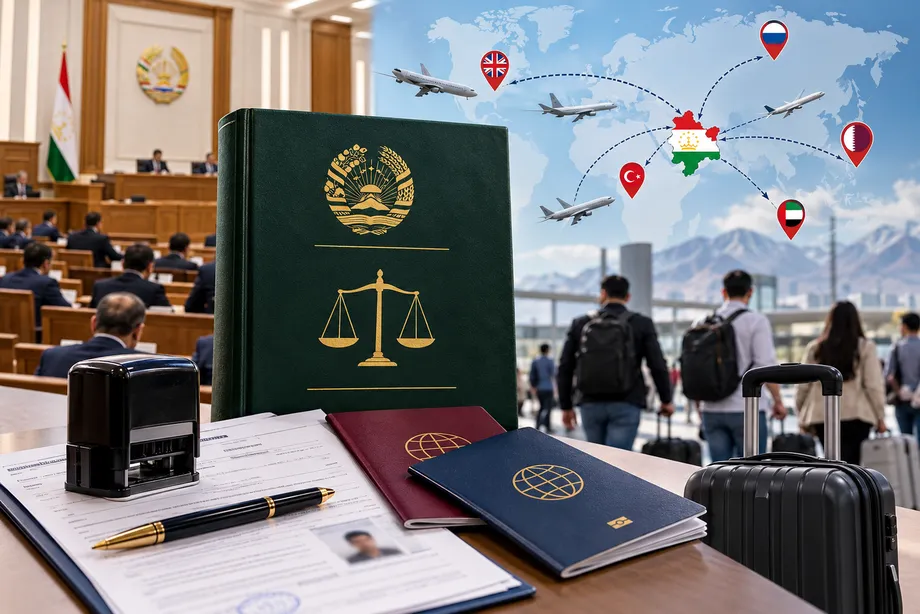
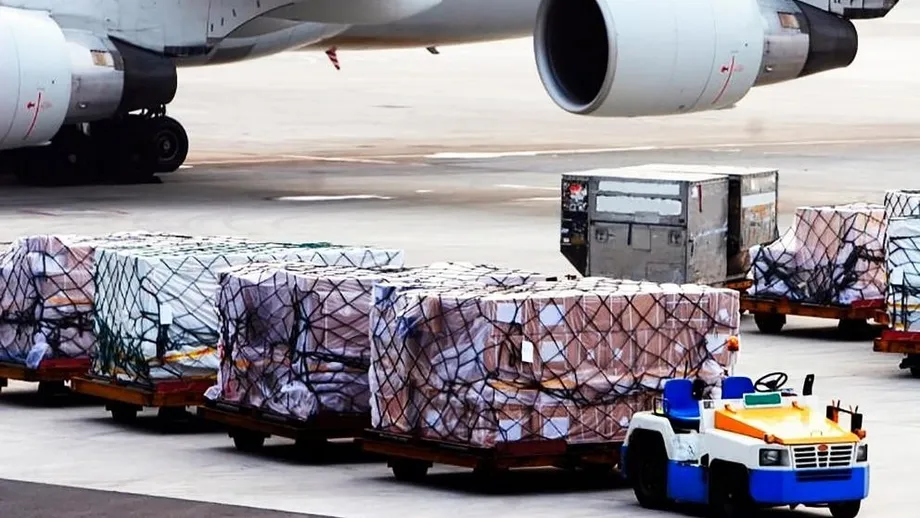
Tajikistan received $25.3 million in humanitarian cargo from January through September 2026, a decline of 46.3% from the same period in 2025, according to figures from the Customs Service under the Government and the Agency on Statistics under the President. Russia became the largest donor, supplying about $7.4 million, while deliveries from China fell sharply.
Contents
- Less aid arrives as the donor ranking changes
- What the figures measure
- Russia leads, followed by the United States and China
- China's decline accounts for much of the shortfall
- How the picture changed during 2026
- Three months accounted for most of the value
- The fall follows a steep decline in 2025
- School meals show what an individual shipment provides
- Key Points
The decline was even steeper when measured by weight. Shipments dropped from 18,606.9 tonnes to 8,901.4 tonnes, a fall of 52.2%. That meant roughly 9,705 fewer tonnes of humanitarian goods entered the country during the nine months. The number of donor countries fell from 42 to 38.
The statistics put the reduction in value at $21.8 million, compared with $47.17 million received in January through September 2025. Humanitarian shipments can include food, medicines, medical equipment and other goods intended for people and social institutions.
Russia's rise to first place came through both an increase in its own deliveries and a contraction in assistance from other major donors. China, the largest contributor a year earlier, moved to third place behind Russia and the United States.
What the figures measure
The Customs Service records humanitarian cargo entering Tajikistan, and the statistics agency publishes its value, weight and countries of origin. Financial support, grants and technical assistance are counted outside this cargo measure, so the figures describe one part of international assistance to the country.
Value and weight answer different questions. The dollar total measures the recorded monetary value of goods, while tonnage measures their physical mass. A shipment of medical equipment can have a very different value per tonne from a shipment of food. For January through September 2026, both measures fell sharply, with weight declining faster than value.
The statistical publications give no explanation for the 46.3% decline. Public records also lack a detailed breakdown of goods and their allocation to regions, institutions and population groups. Government bodies, including the Agency for State Material Reserves, have not provided the media with comprehensive distribution information. Those gaps leave the causes of the fall and its precise effect on recipients unknown.
Russia leads, followed by the United States and China
Russia supplied 29.2% of the total value of humanitarian cargo during the first nine months of 2026. The United States provided 20.3%, or about $5.1 million, and China supplied 10.8%, or about $2.7 million.
Together, the three countries accounted for 60.3% of the total. Their combined share was lower than the 64.2% they supplied during the same period in 2025, although the order among them changed substantially.
Six other countries each contributed more than 1% of the total value:
- The Netherlands: 8.2%.
- India: 8.1%.
- South Korea: 6.4%.
- Belgium: 5.1%.
- Iran: 2.5%.
- Japan: 1.6%.
The Netherlands and India together supplied 16.3%, equivalent to about $4.1 million when calculated from the $25.3 million total. The nine leading donors accounted for 92.2% of the value, leaving 7.8% from the other 29 donor countries.
Germany, Turkey, Denmark, Finland, Belarus, the United Arab Emirates, Italy, the United Kingdom, Australia, Kazakhstan and Uzbekistan were also among the contributors. The list shows that deliveries continued to come from a broad range of countries even as their combined value declined.
China's decline accounts for much of the shortfall
China supplied approximately $15.9 million in humanitarian cargo in January through September 2025, compared with about $2.7 million during the same months of 2026. The reduction of roughly $13.2 million was equivalent to about three fifths of Tajikistan's reported $21.8 million decline in total aid value.
China's share fell from 33.7% to 10.8%. Its shipments therefore contracted both in dollar terms and as a proportion of the aid Tajikistan received.
Russia moved in the opposite direction. Its contribution increased from approximately $3.1 million to $7.4 million, a rise of about $4.3 million. That increase offset roughly one third of the reduction in Chinese assistance. Russia's share grew from 6.5% to 29.2%, more than four times its previous level.
The United States also supplied less aid despite retaining second place. Its 24% share of the $47.17 million total in January through September 2025 corresponds to approximately $11.3 million. Against about $5.1 million in 2026, that suggests a reduction of roughly $6.2 million, calculated from the published totals and shares.
The change in ranking therefore reflects several movements at once: Russia increased its deliveries, while China and the United States supplied substantially less. A larger Russian contribution could cover only part of the reduction elsewhere.
How the picture changed during 2026
The United States, rather than Russia, was the largest donor during the first four months of 2026. Tajikistan received $9.6 million in humanitarian cargo weighing 787.4 tonnes from 25 countries between January and April.
The United States supplied 17.1% of that value, approximately $1.64 million. China and South Korea each provided 16.7%, or around $1.6 million. Russia supplied 9.8%, approximately $938,000. The six largest contributors, including the Netherlands and India, accounted for 80.7% of the total.
The cumulative figures show how the year developed:
- January through April 2026: $9.6 million in aid from 25 countries, with the United States ranked first.
- January through July 2026: $17.96 million from 34 countries, approximately 38% below the corresponding period in 2025.
- January through September 2026: $25.3 million from 38 countries, down 46.3% from the same nine months a year earlier, with Russia ranked first.
By September, more countries had contributed than during the first four months, and the cumulative value had grown. Yet the gap against 2025 had widened: the decline was about 38% at the end of July and 46.3% at the end of September.
Three months accounted for most of the value
Monthly deliveries were uneven. January brought humanitarian cargo worth approximately $435,400, followed by about $5 million in February and $2.9 million in March. May's total was much smaller, at about $290,000.
July recorded the largest monthly value of the first nine months, at $5.5 million. Deliveries worth about $3 million followed in August, with another $4.3 million arriving in September.
February, July and September together contributed approximately $14.8 million. Calculated against the nine month total of $25.3 million, those three months accounted for about 58.5% of the value received.
July's total alone was about 19 times May's. Such large swings mean that a single month's arrivals can give a very different impression from the cumulative figures. The annual comparison uses matching periods to show how the flow of cargo changed across the year.
The fall follows a steep decline in 2025
Tajikistan's humanitarian cargo receipts had already contracted sharply before 2026. Government statistics put the total value for the whole of 2025 at $61.7 million, down from $109.2 million in 2024, a decline of 43.5%.
The weight of aid fell by 26.5% in 2025, while the number of donor countries declined from 51 to 47. During that year, value fell faster than weight. In the first nine months of 2026, the pattern reversed, with the reduction in tonnage exceeding the decline in value.
China remained the largest donor for the whole of 2025, providing just under $22 million, or 35.6% of the total, compared with $42.9 million in 2024. The United States supplied $15 million in 2025, down from $17 million.
Kazakhstan's contribution fell from $15 million in 2024 to $3.6 million in 2025, while Russia's declined from about $8 million to $5 million. Russia's approximately $7.4 million contribution during just the first nine months of 2026 had already exceeded its total for 2025.
The full calendar year figures establish the earlier contraction, while the matching January through September figures measure the latest change. Together, they show a sharp reduction in humanitarian cargo across two successive reporting periods.
School meals show what an individual shipment provides
A Russian delivery in June 2026 offers a concrete example of the goods behind the totals. Under the United Nations World Food Programme's school meals programme, Russia supplied Tajikistan with 183.1 tonnes of sunflower oil fortified with vitamins A and D and 202.5 tonnes of yellow split peas.
The two food shipments weighed 385.6 tonnes in total and were intended to support hot meals for schoolchildren. Fortified oil has vitamins added to it, allowing a food ingredient to carry additional nutrients.
Individual handover announcements such as this identify a programme and the goods intended for it. The national statistics provide a wider view of cargo entering the country, but details of who receives assistance generally emerge through these separate announcements.
Humanitarian goods also represented a small part of Tajikistan's imports by monetary value. During January through April 2026, the country imported $3.08 billion in goods, while humanitarian cargo was valued at $9.6 million, approximately 0.31% of the total. For the schools and social institutions receiving it, however, that cargo consists of specific supplies such as food, medicine and equipment.
Key Points
- Tajikistan received $25.3 million in humanitarian cargo in January through September 2026, down 46.3% from the same period in 2025.
- Shipment weight fell 52.2% to 8,901.4 tonnes, and the number of donor countries declined from 42 to 38.
- Russia became the largest donor with 29.2% of the value, followed by the United States at 20.3% and China at 10.8%.
- Chinese assistance fell by about $13.2 million, while Russian assistance increased by about $4.3 million.
- February, July and September accounted for approximately 58.5% of the value received during the nine months.
- The figures cover humanitarian cargo recorded by Customs; financial support, grants and technical assistance fall outside this measure.
- Public statistics give no explanation for the decline and lack comprehensive details on recipients and distribution.