Elephant deaths rise by 67 in a year
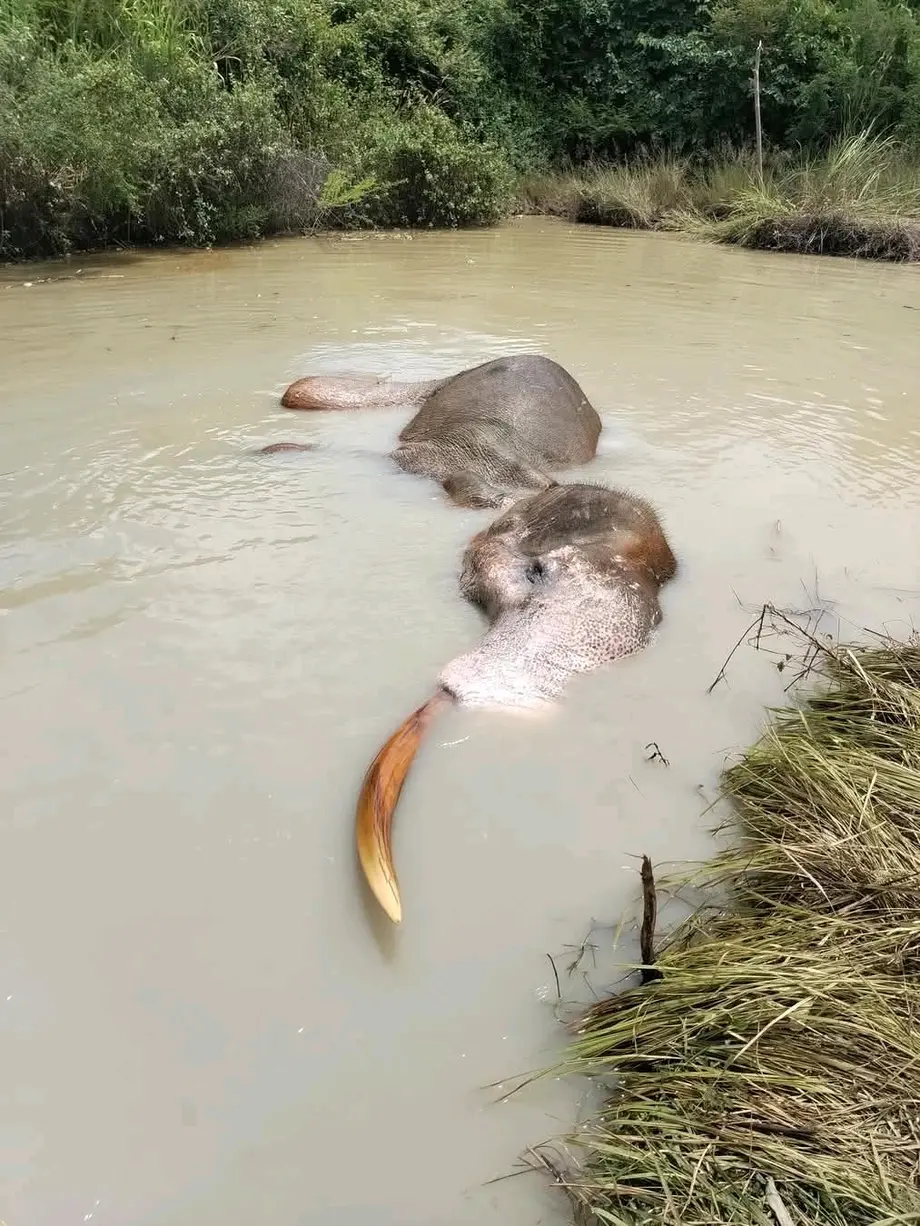
Sri Lanka recorded 455 wild elephant deaths in 2025, up from 388 in 2024, according to a document tabled in Parliament by Environment Minister Dhammika Patabendi. Elephant attacks also killed 160 people and injured 221 during 2025, putting the human cost alongside a growing toll on wildlife.
Contents
- Elephant deaths rise by 67 in a year
- Families face deaths, injuries and damaged crops
- How the figures developed during 2025
- Investigations and competing explanations
- Private fences face tighter scrutiny
- Nearly 5,800 kilometres of fencing need care
- Staffing and farm protection become political issues
- A strategy already exists
- Key Points
The elephant death count increased by 67, or about 17.3%, compared with the previous year. The figures were disclosed in response to a question from MP L.M. Abeywickrama, together with details of government spending on electric fences intended to reduce encounters between people and elephants.
The parliamentary document recorded a total of 5,787.89 kilometres of electric fencing erected across the country. Spending on fence construction during 2025 reached 618.89 million Sri Lankan rupees.
Those numbers bring together three parts of the same problem: elephants dying, people being killed or injured, and public money going into barriers designed to protect them. Earlier government statements and wildlife research also identify unsafe private fences, crop raids, gunshot injuries and weaknesses in fence placement and maintenance.
Families face deaths, injuries and damaged crops
The 160 deaths and 221 injuries mean elephant attacks killed or injured 381 people during 2025. Injuries accounted for about 58% of that total. For communities living near elephant habitat, the danger sits alongside the threat of losing crops that provide food and income.
Human-elephant conflict describes encounters in which people or elephants suffer harm, often when elephants enter cultivated land. Department of Wildlife Conservation Director General Ranjan Marasinghe has linked the intensity of these encounters partly to weather and the availability of food.
Marasinghe explained how dry conditions can bring elephants into farms:
During prolonged droughts, elephants are more likely to raid crops as food becomes scarce in their natural habitats.
Government figures cited in August put deaths associated with human-elephant conflict between 2015 and 2024 at 3,477 wild elephants and 1,190 people. Spread across those 10 years, that is an average of about 348 elephants and 119 people annually. The figures show why protecting farms and protecting elephants have become closely connected responsibilities.
How the figures developed during 2025
The annual parliamentary count followed several assessments during 2025, when public attention intensified after deadly train collisions and the death of the well-known tusker Bhahiya. Images of injured elephants circulated widely, while officials and conservationists debated whether killings were increasing unusually quickly.
An August government account gave 198 elephant deaths from various causes during the first seven months of 2025. An analysis of Department of Wildlife Conservation records counted 245 by the end of July. That analysis also recorded 257 deaths during the same January-to-July period in 2022 and 260 in 2023.
The main developments were:
- 2020: A presidential task force led by Prithviraj Fernando and Sumith Pilapitiya produced a strategy to address human-elephant conflict.
- 2024: Sri Lanka recorded 388 wild elephant deaths.
- January to July 2025: Wildlife department records analysed during the year counted 245 elephant deaths, below the corresponding totals in 2022 and 2023.
- August 8, 2025: Patabendi announced action against illegal or poorly constructed private electric fences.
- Full year 2025: The parliamentary document put elephant deaths at 455, with 160 people killed and 221 injured by elephants.
Marasinghe had anticipated that the 2025 elephant toll might exceed the 2024 figure. The annual count eventually confirmed an increase of more than one sixth, while the earlier comparisons show why assessments made during the year depended on the period being measured.
Investigations and competing explanations
Patabendi asked the Criminal Investigations Department to investigate elephant killings after suggesting that there could have been organised activity behind some deaths. The Department of Wildlife Conservation also announced an inquiry. Findings from those investigations were not given alongside the parliamentary totals.
Elephant researcher and activist Sameera Weerathunga offered an explanation for some injuries to elephants' legs: trap guns intended for smaller animals such as wild boar and deer can strike elephants below the knee. A trap gun fires when an animal triggers it, exposing animals beyond the intended target to injury.
Pathum Bandara, a wildlife photographer who tracks elephant herds around Galgamuwa in northwestern Sri Lanka, described a persistently high death toll receiving greater public attention. He also identified a particular danger for tuskers: some use their tusks to get past electric fences and enter cultivated land, bringing them into conflict with people protecting crops.
The annual parliamentary figures did not include a breakdown by cause of death. A count separating electrocution, gunshots, traps, train collisions and other causes would help authorities direct prevention work towards the places and hazards responsible for the greatest losses.
Private fences face tighter scrutiny
Patabendi said on August 8 that substandard private electric fences were a leading cause of elephant deaths. He instructed Department of Wildlife Conservation officers to investigate illegal or poorly constructed fences and pursue legal action where warranted.
The government also planned stronger oversight of safety standards. For farmers, this makes the construction and operation of a fence part of the response to conflict, alongside the decision to put one up.
A properly designed electric fence uses controlled pulses to discourage an animal from crossing. An unsafe installation can expose an elephant to a fatal electrical current. The minister's proposed enforcement therefore addresses the danger created when a barrier meant to keep animals away becomes a source of deaths.
The public network and privately installed fences present different management tasks. Government construction requires suitable locations and continued maintenance, while action against dangerous private installations requires inspections, compliance with safety rules and legal proceedings where justified.
Nearly 5,800 kilometres of fencing need care
The parliamentary document's 5,787.89 kilometres is the accumulated length of fencing erected nationwide. Its 618.89 million rupee spending figure covers construction during 2025. The length of new fencing completed that year was not specified.
The Department of Wildlife Conservation had hired around 3,000 staff to maintain electric fences. Maintenance matters because damage and neglected sections can create openings through which elephants reach farms and settlements.
Devaka Weerakoon, an elephant researcher and coordinator of the fauna section of the National Red List, has identified deeper problems with the network. He said many fences were poorly located, badly designed and inadequately maintained. In his assessment, repairing a fence cannot resolve a conflict created by putting it in the wrong place.
Weerakoon described the persistence of those problems:
They've stuck to a failed strategy for years, ignoring evidence, so trying to maintain such poorly located and badly designed fences would not solve the issue.
His assessment places the focus on where barriers run and how they function, alongside how many kilometres the government builds. For a village or farming area, the practical test is whether the fence reduces dangerous encounters and crop losses without creating new hazards for elephants.
Staffing and farm protection become political issues
Proposals to deploy the Civil Defence Force brought another question into the debate: what training personnel need to manage encounters with elephants. Weerakoon pointed to an earlier effort involving the force in fence maintenance and warned that staff need proper guidance.
Weerakoon said:
Without proper training and guidance, they won't understand the problem.
A government attempt to distribute more guns among farming communities also drew objections from environmentalists concerned about elephant deaths. Agriculture Minister K.D. Lalkantha clarified that his comments defending farmers' ability to protect crops concerned animals such as monkeys, wild boar and peacocks, rather than elephants.
Weerathunga warned that broad language about using force to protect crops could encourage people to shoot elephants. The dispute exposes the difficult choices facing authorities: farmers need protection for their livelihoods, while weapons and unsafe barriers can increase the danger to wildlife.
A strategy already exists
The presidential task force established in 2020 produced a strategy for human-elephant conflict under the leadership of Prithviraj Fernando and Sumith Pilapitiya. Conservationists have identified that approach as a practical basis for action grounded in research.
The concerns raised during 2025 point to concrete tasks: investigate deaths, inspect dangerous private fences, review the location and design of public barriers, and train the people responsible for maintaining them. These tasks connect the parliamentary spending figures with the conditions facing communities and elephants.
Sri Lanka's annual figures make the scale of the problem plain. Elephant deaths rose from 388 to 455 in a year, while attacks left 160 people dead and 221 injured. Reducing those losses requires protection that works where people grow food and where elephants move.
Key Points
- Sri Lanka recorded 455 wild elephant deaths in 2025, up 67, or about 17.3%, from 2024.
- Elephant attacks killed 160 people and injured 221 during 2025.
- Environment Minister Dhammika Patabendi tabled the figures in response to MP L.M. Abeywickrama.
- The country had erected 5,787.89 kilometres of electric fencing, with 618.89 million rupees spent on construction in 2025.
- Authorities announced action against unsafe private fences, while researchers called attention to fence placement, design, maintenance and staff training.