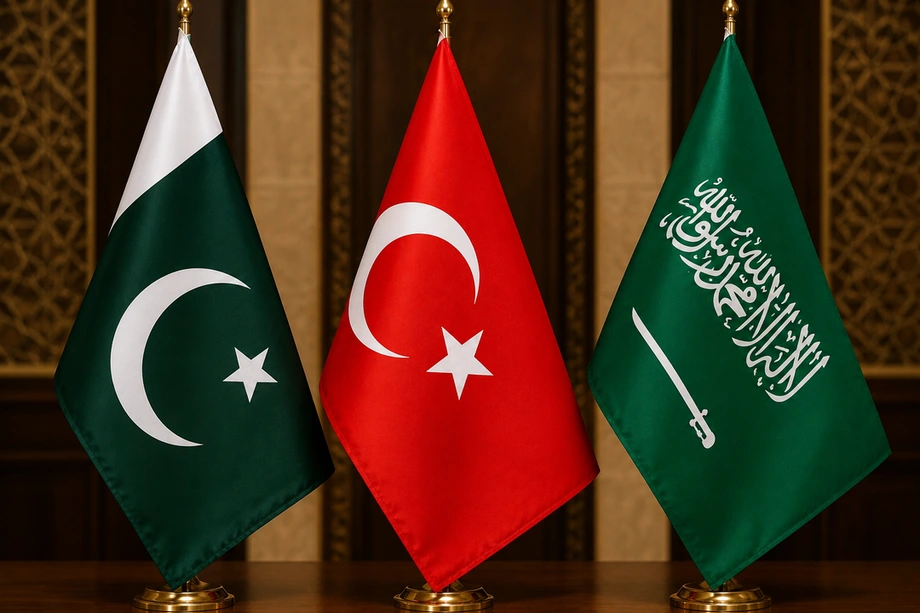
A 279-vote majority advances a three-country defense pledge
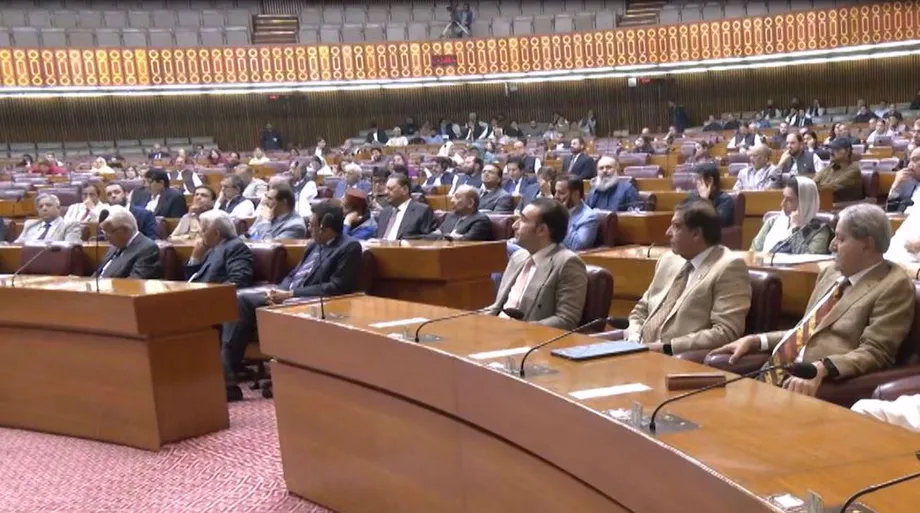
Türkiye's parliament has approved the Mecca Joint Defense Agreement with Pakistan and Saudi Arabia by 279 votes to 119, advancing a pact that treats an external armed attack on any member as an attack on all three. The agreement combines that promise with a requirement for the governments to agree on the assistance an attacked country would receive.
Contents
- A 279-vote majority advances a three-country defense pledge
- What the collective defense promise requires
- Why Yemen dominated the parliamentary debate
- How the agreement reached the chamber
- What still has to happen for entry into force
- Cooperation extends from training to military factories
- Who will oversee intelligence and security cooperation?
- A lasting partnership with rules for leaving and joining
- Defense commitments sit alongside talks with Iran
- Key Points
The legislation passed after a lengthy debate over regional security, parliamentary oversight and the risk of Turkish involvement in fighting around Yemen. Foreign Affairs Committee Chairman Fuat Oktay said sending Turkish troops abroad would still require a separate parliamentary decision.
The 398 lawmakers who voted gave the measure a majority of 160 votes, with about 70% supporting it. Deputy Parliament Speaker Celal Adan chaired the General Assembly proceedings. Support came from the governing Justice and Development Party, known as the AK Party, its Nationalist Movement Party ally and the main opposition Republican People's Party, known as the CHP, although opposition speakers also challenged aspects of the agreement.
Parliamentary approval completes Türkiye's legislative consideration of the pact. Presidential ratification and publication in the Official Gazette are expected to follow. The agreement itself takes effect when all three countries complete their domestic procedures and the final ratification document is deposited with its secretariat in Saudi Arabia.
Saudi Arabia and Pakistan have already completed their ratification procedures, according to an October 23 announcement by Pakistan's Foreign Office. Türkiye's vote therefore brings the partnership closer to formal entry into force while leaving decisions about particular operations subject to further approval.
What the collective defense promise requires
The 16-article agreement commits Türkiye, Pakistan and Saudi Arabia to regard an armed attack from outside against one member as an attack against all. Its central purpose is collective defense: countries promising to help another member defend itself.
Assistance requires a request from the country under attack. The three governments then decide its nature and scope by consensus, meaning all must agree. Their response must also follow each country's constitutional and legal procedures.
For Türkiye, the process places a further decision before parliament if a proposed response involves deploying troops abroad. The agreement also provides other ways to support a member, including intelligence, equipment, training and logistical supplies.
AK Party lawmaker Ziya Altunyaldiz told the debate that the pact seeks to expand regional security cooperation and prevent conflict, rather than increase it. He said it contains no approach directed against a third country. Deterrence, another stated aim, means discouraging an attack by making a potential attacker expect a coordinated response.
Why Yemen dominated the parliamentary debate
Saudi Arabia's exposure to attacks by Yemen's Iran-backed Houthi movement gives the agreement an immediate practical purpose. Turkish officials have said Ankara is considering military assistance to Riyadh, while ruling out Turkish troops fighting in Yemen or attacking the Houthis.
Opposition speakers warned that a broad defense commitment could bring Turkish soldiers into regional wars. CHP lawmaker Mehmet Guzelmansur called for clear rules to ensure the pact fits Türkiye's other international obligations. The debate therefore concerned both the promise to help Saudi Arabia and who would control the decisions that followed.
Oktay, who chairs parliament's Foreign Affairs Committee and belongs to the governing party, addressed concerns about Türkiye losing control over its involvement:
Türkiye would "not be drawn into an uncontrolled process against its will."
Oktay said any troop deployment would need future parliamentary approval. Hulusi Akar, a former defense minister who chairs the National Defense Commission, also argued that the agreement complements NATO and is directed against no country.
The three governments had already agreed at their October 5 Riyadh meeting to accelerate the deployment of agreed military forces and capabilities to Saudi Arabia, subject to national laws. Their October deployment decision left the size, timing and precise missions of those contributions undisclosed. Turkish parliamentary approval now advances the treaty framework within which further support can be considered.
How the agreement reached the chamber
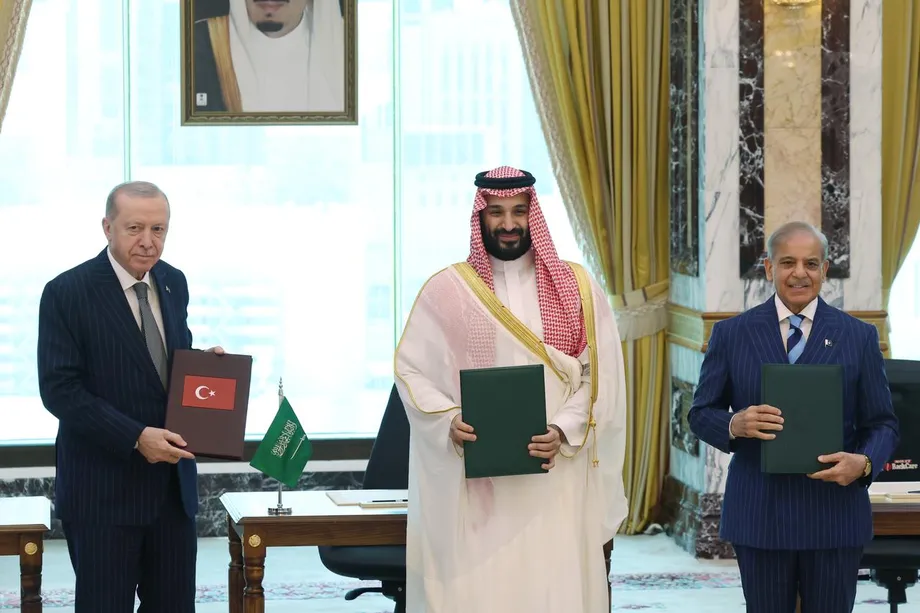
Saudi Crown Prince Mohammed bin Salman, Turkish President Recep Tayyip Erdogan and Pakistani Prime Minister Shehbaz Sharif signed the pact in Mecca on August 7, 2026. Their governments then began building its institutions while pursuing domestic approval.
The main steps leading to Türkiye's vote were:
- August 7: The three leaders signed the Mecca Joint Defense Agreement.
- August 31: The countries' joint committee met in Istanbul.
- October 5: A Riyadh meeting agreed on implementation measures and appointed the first secretary-general.
- October 20: Türkiye's government submitted the ratification bill to parliament.
- October 23: Pakistan's Foreign Office announced that Pakistan and Saudi Arabia had completed ratification.
- October 27: Türkiye's Foreign Affairs Committee approved the bill by majority vote.
- November 4: The General Assembly began voting on individual articles, with proceedings continuing into the following day.
Türkiye's October parliamentary submission began the domestic legislative process. The bill contains three articles: approval of the treaty, entry into force of the approval law upon publication in the Official Gazette, and responsibility for implementation assigned to the president.
CHP lawmaker Utku Cakirozer argued during committee consideration that the National Defense Committee should also examine the text. Oktay said that committee had indicated it would not conduct a review. The disagreement concerned how broadly parliament should scrutinize a treaty covering both military commitments and defense production.
What still has to happen for entry into force
Türkiye's approval law and the international agreement follow related but separate procedures. Publication brings the domestic law into effect, while the treaty requires completion of ratification by every member and deposit of the final ratification document with the secretariat.
Pakistan's Foreign Office spokesperson, Sajjad Haider Khan, announced the Pakistani and Saudi approvals on October 23. He also said the countries would collectively determine the assistance required after assessing the circumstances.
No date has been announced for Türkiye's presidential ratification, publication or final deposit. Those steps determine when the agreement formally enters into force. A Turkish decision to send troops abroad would still require its own parliamentary authorization.
The sequence matters for anyone following announcements about implementation. Ministers can hold consultations and prepare arrangements while governments complete the treaty process. Each proposed contribution must then pass through the national procedures that apply to it.
Cooperation extends from training to military factories
The agreement reaches beyond assistance during an attack. It provides for joint exercises, military training and personnel exchanges intended to help the three armed forces work together more effectively.
Military interoperability means forces being able to coordinate their equipment, communications and procedures. Joint training can help personnel understand how partners operate before they need to cooperate during an emergency.
Defense industry provisions cover technology transfers, joint research and development, weapons production and innovation. Technology transfer can involve sharing the knowledge or processes needed to manufacture, operate or maintain equipment. Collaborative research allows partners to develop new systems or improve existing ones together.
The pact creates a framework for those activities, with individual projects requiring further agreement. For the participating armed forces, the practical value would come through equipment they can obtain, maintain and use together, as well as personnel trained to support it.
Logistical assistance is another substantial part of the agreement. Members can provide weapons, ammunition, fuel, spare parts and other military equipment during peacetime, war and emergencies. Those supplies help forces remain operational, whether they are training, protecting infrastructure or responding to an attack.
Who will oversee intelligence and security cooperation?
A Strategic Political and Defense Committee will oversee the partnership. It brings together foreign ministers, defense ministers and chiefs of general staff, linking diplomatic decisions with military planning.
The committee is generally scheduled to meet twice a year. The countries' leaders can adjust that frequency to once annually. Its responsibilities include coordinating cooperation and supporting common approaches to regional and international security issues.
A permanent secretariat in Saudi Arabia will support the committee's work. Retired Pakistani Lieutenant General Nauman Mahmood was appointed its first secretary-general at the October 5 Riyadh meeting for a term of three years. The position rotates among the founding members.
Intelligence cooperation will use secure channels agreed by the members and will be subject to confidentiality and information security requirements. The agreement also provides for counterterrorism coordination and regular consultations on international security challenges.
The three countries intend to coordinate more closely in regional and international organizations as well. That gives the committee a political role alongside its military responsibilities, including efforts to develop common positions on international issues.
A lasting partnership with rules for leaving and joining
The agreement remains in force indefinitely, with withdrawal barred during its first 10 years. After that period, a member may leave by giving at least three months' written notice through diplomatic channels. An initial description presented the pact as lasting 10 years; the more detailed provisions set 10 years as the minimum period before withdrawal.
Projects and activities already agreed would continue to be governed by their existing commitments after withdrawal or termination. Obligations to protect classified information would also remain in force, preserving confidentiality after a member leaves.
Other countries may join with the approval of the existing parties under procedures they jointly determine. The stated principles for participation include respect for international law, territorial integrity, sovereign equality and noninterference in internal affairs.
Supporters in Türkiye's parliamentary debate said admitting another country would also require Turkish parliamentary approval. Expansion would therefore involve both agreement among the founding members and the domestic procedures needed to authorize the change.
Defense commitments sit alongside talks with Iran
Türkiye, Saudi Arabia and Pakistan are building the partnership while also pursuing diplomacy with Iran. Their representatives joined Iranian officials at Saadabad Palace in Tehran on October 26, amid fears of renewed American and Israeli strikes on Iran and expanding fighting involving Yemen.
The October security talks brought together Saudi Defense Minister Prince Khalid bin Salman, Pakistan's army chief Field Marshal Asim Munir and Turkish intelligence chief Ibrahim Kalin with senior Iranian officials. Iran's Supreme National Security Council secretary, Mohsen Rezaei, hosted the meeting, and President Masoud Pezeshkian and Foreign Minister Abbas Araghchi also joined discussions.
The four countries agreed to continue dialogue on regional peace and security. Pakistan had proposed the gathering, according to Iranian officials. Saudi officials described the visit as part of efforts by the pact's members to reduce tensions and support diplomatic solutions.
These parallel efforts give the partnership two immediate tasks: organizing support for Saudi Arabia and maintaining communication with Iran during a regional conflict. For Türkiye's parliament, the next decisions will concern the practical commitments brought forward under the agreement, especially any request requiring authorization to send troops abroad.
Key Points
- Türkiye's parliament approved the Mecca Joint Defense Agreement by 279 votes to 119.
- The pact treats an external armed attack on one member as an attack on Türkiye, Pakistan and Saudi Arabia together.
- Assistance requires a request and agreement on its nature and scope, while Turkish troop deployments require separate parliamentary authorization.
- Presidential ratification, publication and deposit of Türkiye's ratification document remain the next steps.
- Cooperation covers intelligence, training, exercises, weapons production, technology transfers and military supplies.
- A permanent secretariat in Saudi Arabia will support a committee of ministers and military chiefs.
- The agreement continues indefinitely, with withdrawal allowed after 10 years on at least three months' written notice.